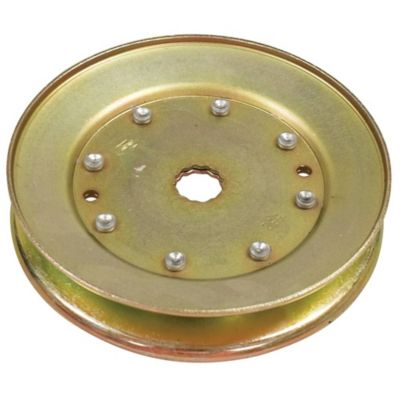
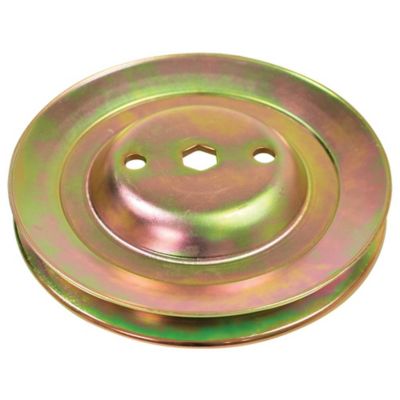
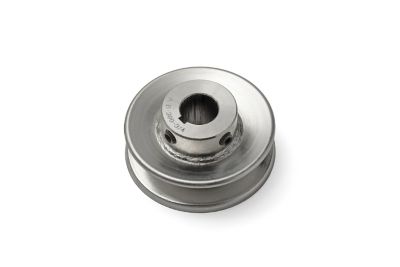
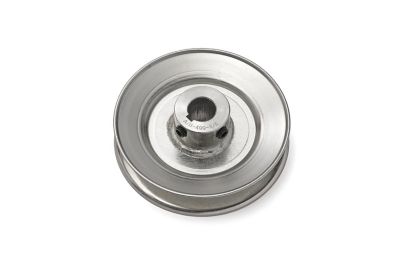
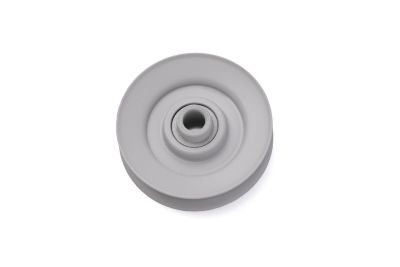
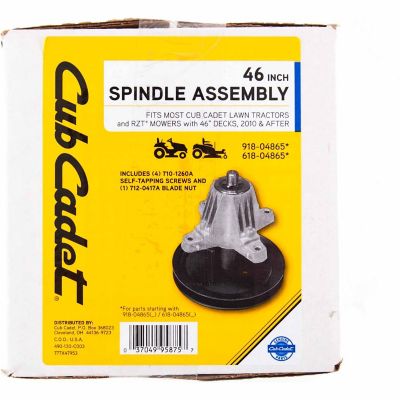
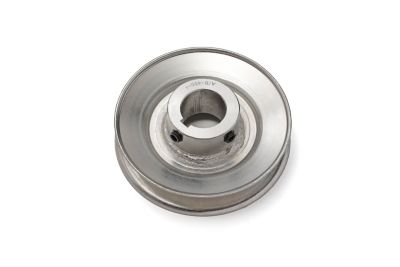
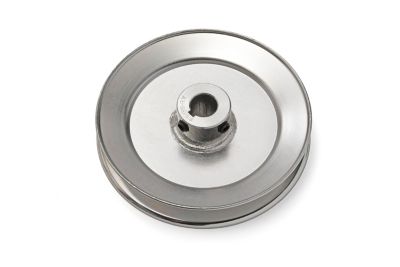
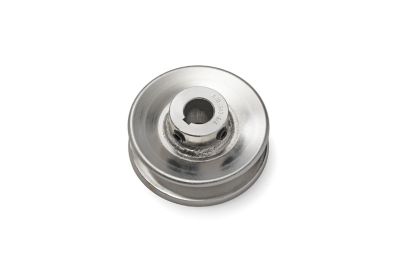
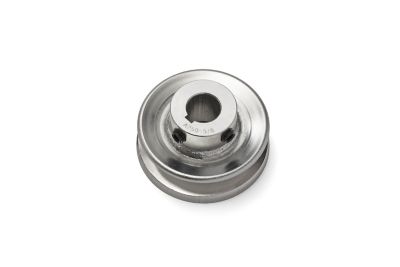
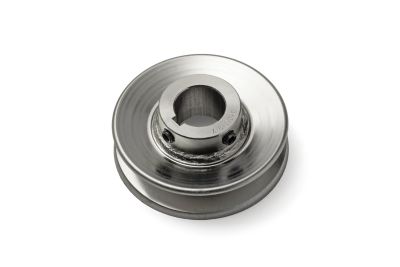
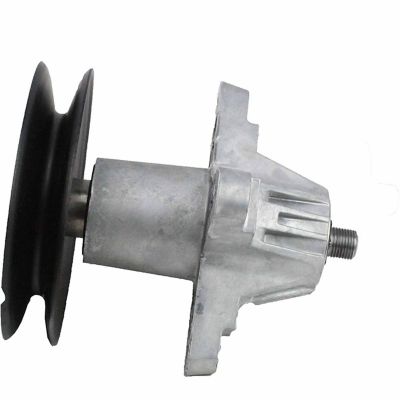
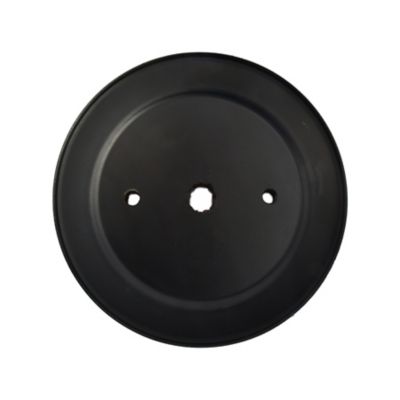
Spindle pulleys play a key part in the cutting system of many riding lawn mowers. Mounted on the spindle shaft beneath the mower deck, the pulley receives power from the engine through the deck belt and transfers that motion to the blade shaft. As the pulley turns, the spindle and blade rotate to cut grass across the deck. Because this part works through repeated contact with the belt, shaft, bearings and surrounding deck components, it can show signs of wear over time. A squealing or grinding sound while the blades are engaged, a belt that slips or walks out of place, a blade that does not spin smoothly, or a cut that looks higher on one side may point to a problem in the spindle pulley area. A pulley that wobbles when the blade or shaft is moved by hand can also signal a bent part, worn bearing or loose fastener. These symptoms may come from more than one component, so a careful inspection helps identify whether a replacement pulley is the right answer or whether the full spindle assembly needs attention. For a broader selection of mower belt and pulley parts, visit
Lawn Mower Pulleys.
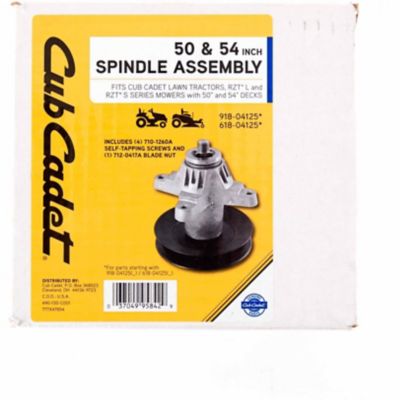
Fitment should be the first consideration when shopping for a spindle pulley. Start with the mower owner’s manual, then compare the mower’s brand, model number, deck size and deck configuration with the part information. A 42-inch deck, for example, may have a different pulley arrangement than a 46-inch, 48-inch or 54-inch deck, and two mowers with similar deck widths may still require different shaft heights, mounting patterns or belt paths. Check whether the mower has a single-blade, twin-blade or three-blade deck, and note whether the pulley is intended for the center spindle or an outer spindle. Measurements can help when the original part is available: compare the pulley’s outside diameter, shaft opening, belt groove style, overall height and mounting hardware. It is also important to determine whether the listing is for the pulley alone or for a complete spindle assembly that may include the housing, shaft and bearings. Replacing only the pulley can make sense when the spindle shaft and bearings are in good shape. A complete assembly may be more practical when the shaft is bent, the bearing has play, the housing is damaged or several parts show wear. Before ordering, inspect the deck belt for fraying, glazing, cracks or stretching, since a worn belt can place extra strain on a new pulley and may create the same slipping or squealing symptoms. Keep the old part nearby while comparing measurements, but rely on the mower’s model information and the part specifications rather than appearance alone.
Safe installation starts with the mower parked on level ground with the engine off, the key removed and the parking brake set. Allow hot parts to cool, disconnect the spark plug wire and follow the mower manufacturer’s instructions for lifting or removing the deck. Blocking or securing the deck helps prevent unexpected movement while the belt and pulley are being inspected. Keep hands clear of sharp blade edges, and wear work gloves and eye protection when removing grass buildup, rust or packed debris. Once the belt is released, look for bent hardware, damaged threads, loose bolts and signs that the pulley has rubbed against the deck. The blade should be balanced and properly tightened, and the spindle shaft should turn smoothly without side-to-side movement before the deck is put back into service. After installation, route the belt exactly as shown in the mower diagram, check that it sits fully in each groove and rotate the blade system by hand, with the spark plug wire disconnected, to confirm that nothing binds. Engage the blades briefly in an open area and listen for unusual noise before returning to regular mowing. Spindle pulleys are commonly purchased by homeowners who maintain a riding mower, property managers caring for shared grounds, farm operators keeping equipment ready around barns and fields, and repair technicians working on lawn equipment. They can also make a practical gift for someone who enjoys maintaining a large yard or keeps a mower in regular service, especially when paired with the mower’s model number and deck size so the recipient can select the proper fit. During the cooler months, many property owners take time to inspect and repair mowing equipment before storing it, while those in areas with longer growing seasons may continue replacing worn parts as needed. A careful match, thorough deck inspection and proper belt routing help keep the mower cutting evenly when grass begins growing again.