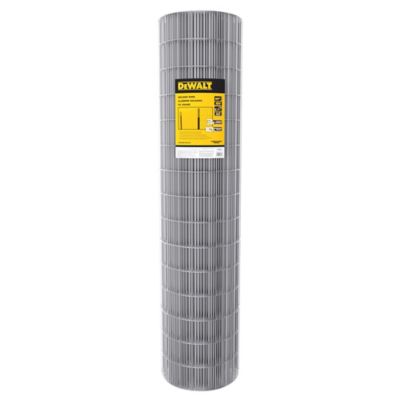
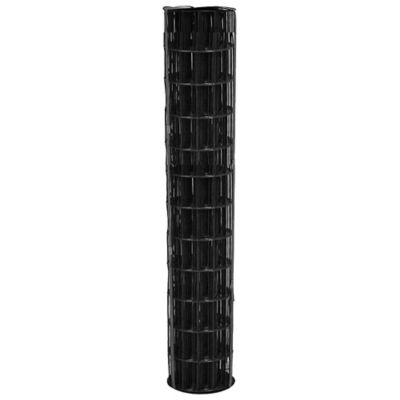
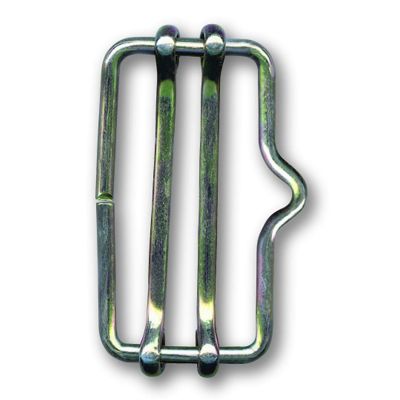
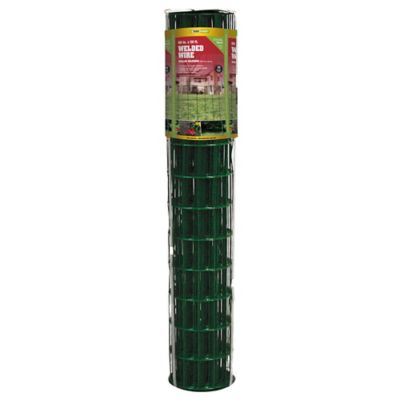
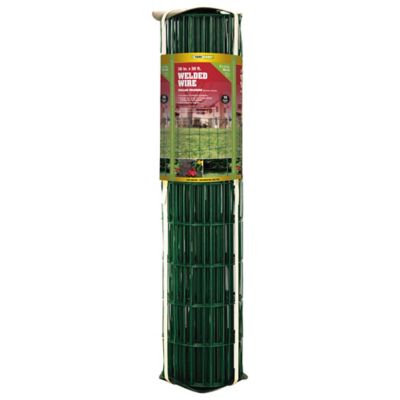
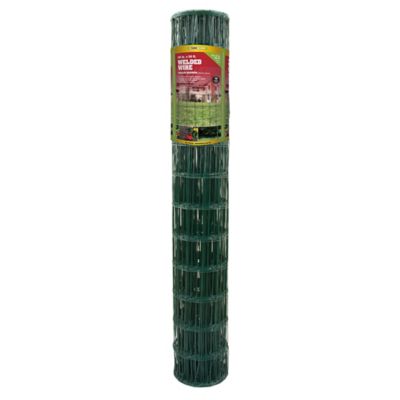
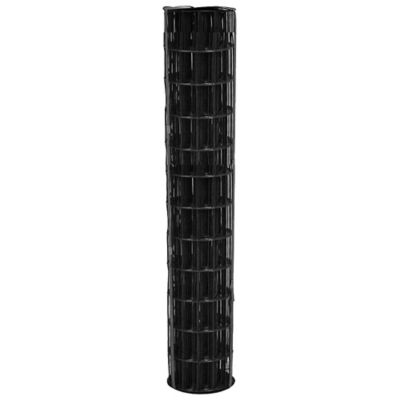
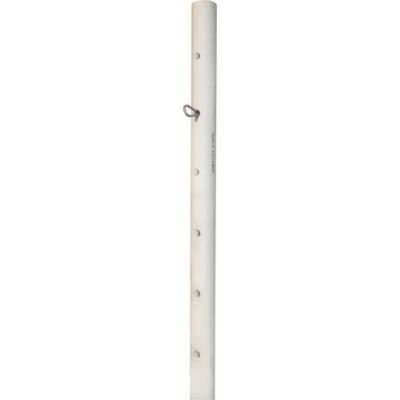
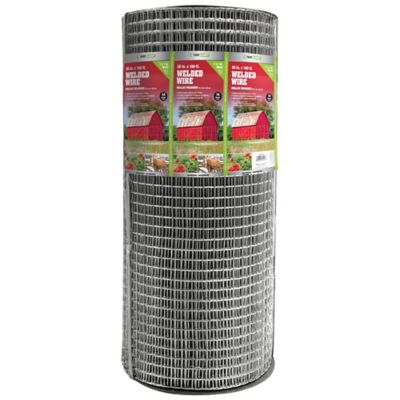
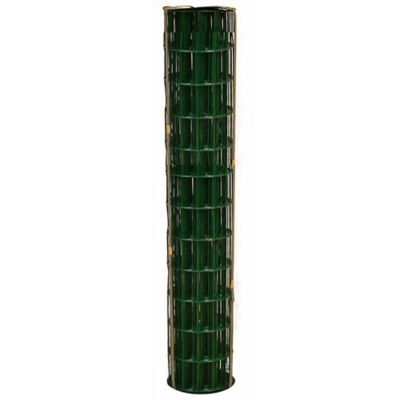
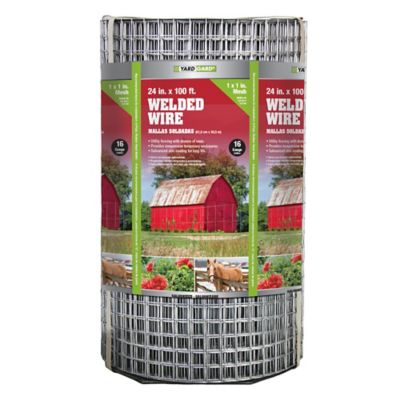
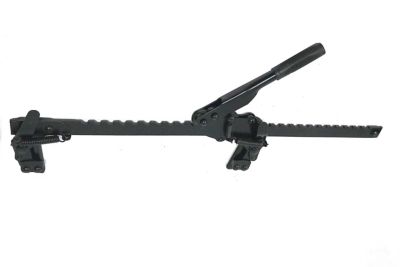
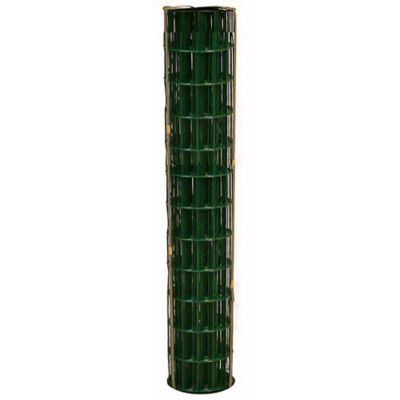
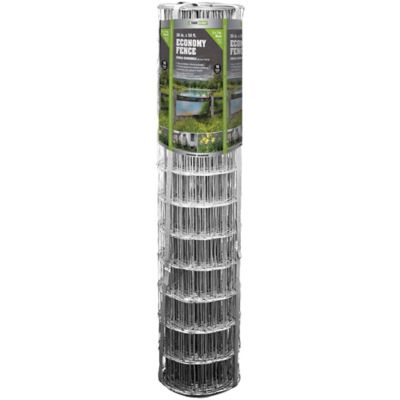
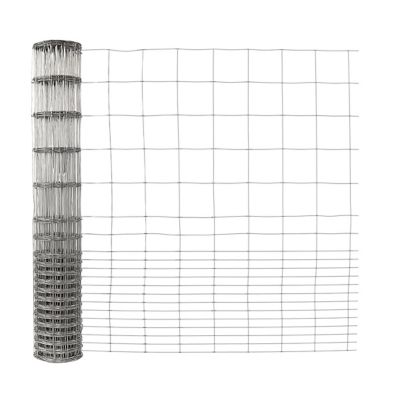
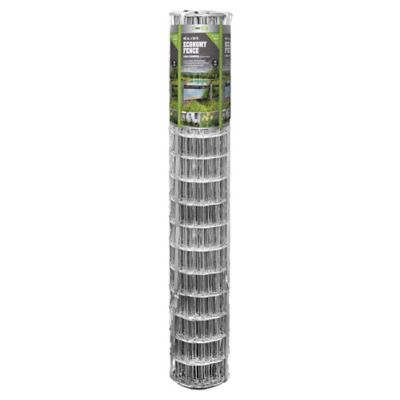
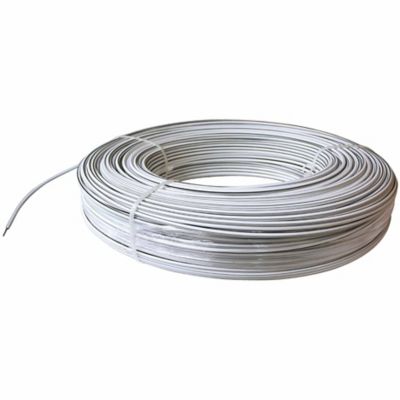
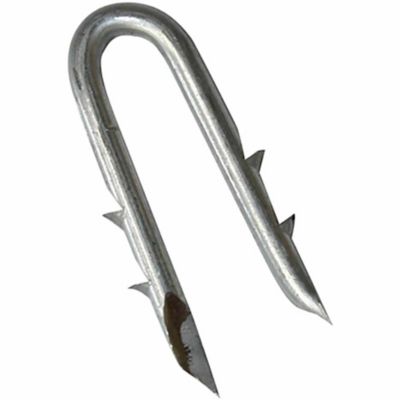
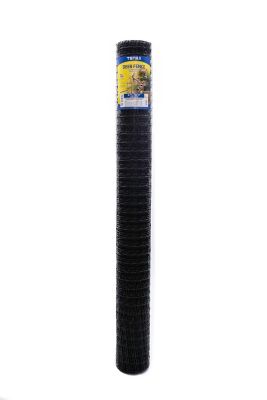
Fence reinforcement supplies help bring strength back to a fence that has started to lean, sag, loosen, or show wear from weather, animals, and everyday use. A sturdy fence does more than mark a property line. It keeps livestock where they belong, gives dogs a dependable boundary, protects gardens and planted areas, and adds peace of mind around driveways, barns, and outbuildings. Reinforcement products can be useful for a quick structural repair, a seasonal maintenance project, or added support before the cooler months bring stronger wind, heavier rain, and changing soil conditions. The right choice depends on what is giving way. A post that has shifted in soft ground may need a driven steel stake or ground spike secured tightly against the timber. A wood post that has rotted near the soil line may be steadied with a heavy-duty post mender or repair plate that connects the sound portion of the post to an existing footing. Loose rails, weak corners, and sections that bow under pressure may call for braces, brackets, tensioning hardware, or additional support along the fence line. For metal fencing, look for reinforcement hardware that matches the shape, size, and finish of the existing framework. For wood fencing, consider the post dimensions, the condition of the lumber, and whether fasteners can reach solid wood rather than soft or split areas. Galvanized or corrosion-resistant materials are often a sensible choice for outdoor use, especially in damp ground or areas exposed to frequent rain. Before shopping, walk the fence from end to end and note leaning posts, loose fasteners, cracked boards, sagging gates, separated rails, and places where water collects. A fence may look sound from the road while a close inspection reveals a post beginning to twist or a corner pulling out of square. Taking a few measurements and photos can make it easier to choose compatible reinforcement supplies and avoid a second trip for hardware.
Many fence reinforcement projects start with stabilizing the post, since a weak post can pull an entire section out of line. Repair stakes and post menders are designed to add support beside a damaged or leaning post without always requiring the removal of the whole fence. A stake can be driven deep into firm soil next to the post and then fastened to the timber, while a post mender plate may be used to tie a sound section of wood to a concrete footing or reinforce the area near the ground. These solutions can save time when the fence panels and rails are still in good shape. If the post is badly rotted, split through, or loose inside the ground, replacing it may be the more dependable long-term answer. In that case, the fence section should be braced temporarily so it stays level while the old post is removed and the new footing is set. A replacement post generally needs a properly sized hole and a stable base, with concrete allowed to cure according to the package directions before the fence takes on its full load. Soil type matters, too. Sandy soil may need deeper support, while heavy clay can hold a post firmly but may shift as moisture levels change. Gates deserve special attention because their weight and movement place extra strain on hinges, latch posts, and nearby rails. Reinforcing a gate post, tightening hardware, and correcting a sag before it becomes severe can help the gate swing cleanly and keep the latch aligned. Livestock owners, hobby farmers, rural homeowners, kennel operators, and anyone maintaining acreage may find these supplies especially useful. They also make thoughtful practical gifts for a new homeowner, a first-time landowner, or a handy family member who spends weekends caring for a homestead. A few well-chosen repair parts can be tucked into a farm-supply gift bundle along with gloves, measuring tools, or other everyday maintenance essentials.
Good fence reinforcement starts with matching the repair to the load the fence must handle. A decorative backyard fence may only need support against wind and weather, while a livestock enclosure must stand up to rubbing, leaning, pushing, and repeated contact. If the fence contains horses, cattle, goats, or other large animals, use reinforcement hardware rated and sized for the job, and inspect for sharp edges or exposed fasteners that could cause injury. For pets, check that repairs do not leave gaps at the ground or openings wide enough for a collar, paw, or nose to catch. When wind is a concern, pay close attention to corner posts, end posts, and long uninterrupted runs, since those areas often carry the greatest strain. Repairing one weak point may reveal another, so it is worth checking nearby connections while the tools are out. Tighten loose bolts, replace missing fasteners, clear soil and weeds away from the base, and make sure water can drain instead of sitting against wood. During warmer weather, dry ground can make certain repairs easier to inspect and complete; as conditions turn cooler and wetter, reinforced posts and braced corners can help a fence handle changing soil and rough weather with less movement. For additional planning and repair details, visit
Fence Repair. Whether the project involves one leaning post or a whole stretch along a pasture, choosing durable materials, confirming measurements, and taking time to set everything straight can make the finished fence feel solid under hand and dependable through another season of daily use.