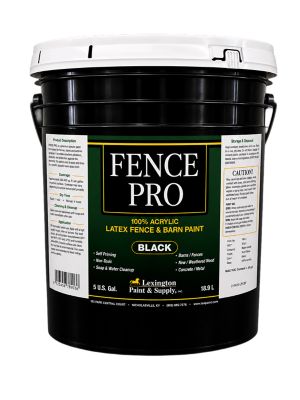
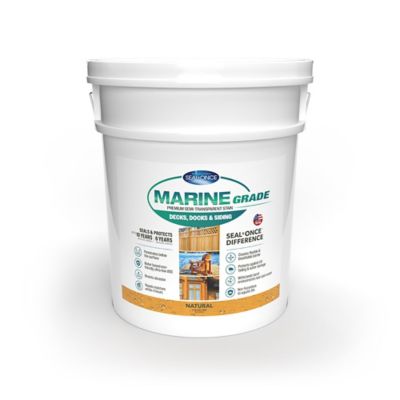
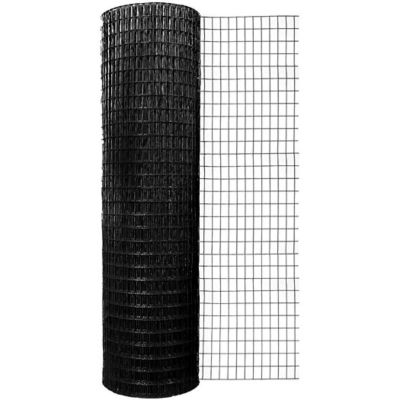
Fence coatings help protect a working fence while giving a pasture boundary, yard enclosure, or stretch along the drive a finished look. The main categories are penetrating stains, film-forming paints, and specialty sealers, with the right fit depending on the fence material, its existing finish, and the look you want. For wood fencing, a penetrating stain sinks into exposed wood fibers rather than building a thick surface layer. Transparent finishes leave more grain visible, while semitransparent stains add color without hiding the character of the boards. Pigmented stains can also help limit damage from sunlight, though protection varies by formula and opacity. Solid-color stains cover more of the grain and can bring a more even appearance to boards with different tones. Fence paint creates a surface film with a consistent color, making it a good match for a crisp white rail fence or a dark boundary that frames the property. That difference matters when thinking about upkeep: a penetrating finish generally fades and wears, while a film-forming finish may eventually peel or crack where adhesion fails. Neither choice has a fixed service life across every property. Wood condition, surface preparation, exposure, and the coating itself all affect how long the finish holds up. Cedar, pine, pressure-treated lumber, and rough-sawn boards can take up a coating differently, so a label that names the fence material is more useful than a color match alone. New pressure-treated lumber may need time to release excess moisture before coating, and smooth mill surfaces may need preparation for proper adhesion. A sound existing finish also matters, since a penetrating stain cannot soak through an intact paint layer. For a homeowner refreshing a yard fence or a landowner maintaining long runs of rail, the best starting point is a finish that suits what is already there.
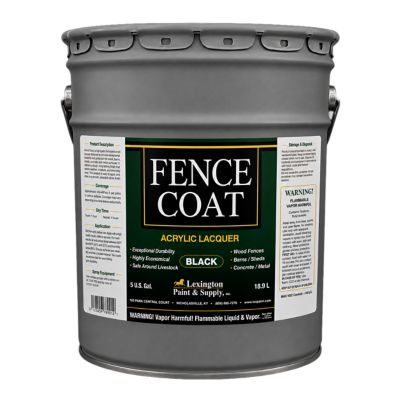
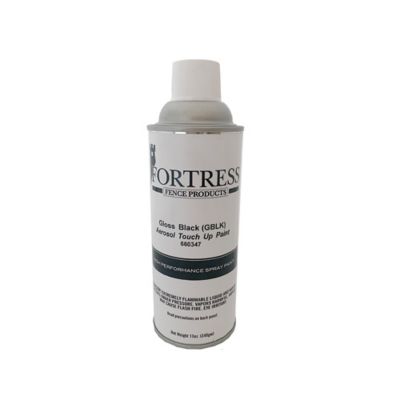
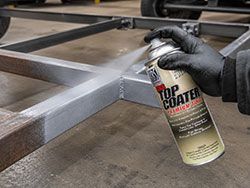
Metal fencing calls for a different match between surface and coating. Steel pipe, welded panels, gates, and ornamental metalwork benefit from finishes labeled for metal, with rust-inhibiting properties where appropriate. Some coatings require a separate primer, while others are formulated for direct application to properly prepared metal. Galvanized steel and aluminum need particular attention because a coating intended for bare steel may not bond well to those surfaces. Loose rust, flaking paint, grease, and dirt can interfere with adhesion, and even a thick finish cannot make weakened metal sound again. On wood or metal, a fresh coating is a finishing layer, not a repair for a split rail, loose post, or failing weld. Specialty asphalt-based fence coatings offer another option for certain farm and utility applications, often in black or another dark finish. Their intended surfaces and exposure limits vary, so the label needs to identify whether the formula suits wood, metal, above-ground sections, or a particular below-ground application. A black fence coating is not automatically suitable for every post or buried surface, and a surface sealer does not replace lumber treatment rated for ground contact. Vinyl and composite fencing also have their own requirements; many conventional wood stains and fence paints are not suitable for them. Appearance is part of the fit, too. A flat finish can make a long run of fencing look understated, while a satin finish may give rails and gates a little more definition. Touch-up compatibility deserves consideration around hinges, latches, and other places that get frequent handling. On a working property, where a gate might swing several times a day and equipment passes close to fence lines, the coating needs to suit the surface and the kind of contact it receives—not just look right on a color sample.
The size and shape of a fence make a real difference when comparing coating coverage and application options. A short run of pickets has plenty of edges, while a three-rail pasture fence has broad faces, undersides, and post surfaces that all add to the area being coated. Rough, porous wood can absorb more finish than smooth lumber, and a second coat may be required depending on the formula and the starting surface. Container coverage figures are estimates under stated conditions, not a promise for every fence, so the number of sides, board spacing, surface texture, and recommended coats all belong in the project calculation. Brushes offer control around rail joints and hardware, rollers suit accessible flat sections, and sprayers can help with longer runs when the coating is approved for that equipment. Application method can also affect material needs, particularly on open fencing where spray can pass between boards. Water-based and solvent-based formulas differ in cleanup, odor, drying characteristics, and compatibility with earlier finishes; neither type is the better choice for every job. Dry-to-touch time is also different from full cure time, which matters around gates, animal enclosures, and surfaces that receive regular contact. For livestock areas, product labeling should address the intended application, and animals need to remain clear during application and curing as directed. A coating should never be assumed safe for chewing or contact with feed and drinking water. After the work is done, occasional checks around fasteners, rail ends, lower boards, and gate hardware can reveal wear before a larger section needs attention. Keeping dirt and plant growth from resting against the fence helps make those checks easier. For related background on fence materials and protection, explore
Weatherproof Fences. Whether the goal is to keep natural wood grain in view, give mismatched boards a consistent color, or protect a metal gate, fence coatings work best as part of regular care for a sound fence built for the job.