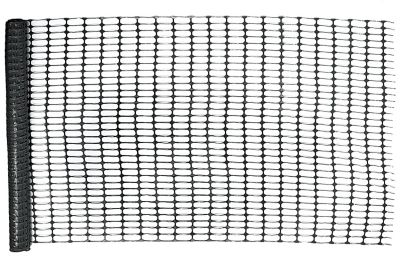
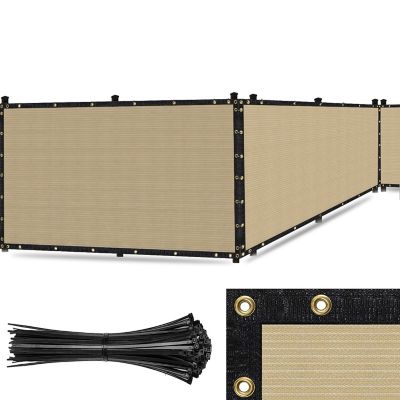
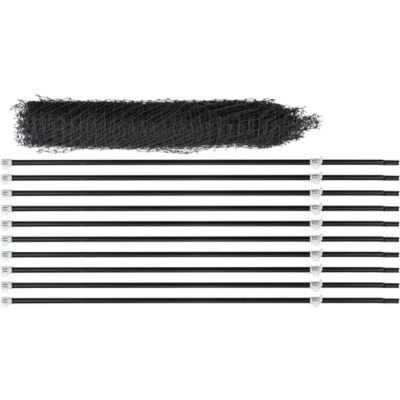
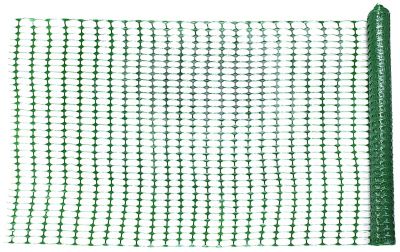
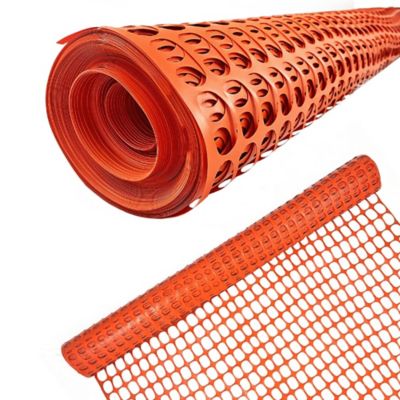
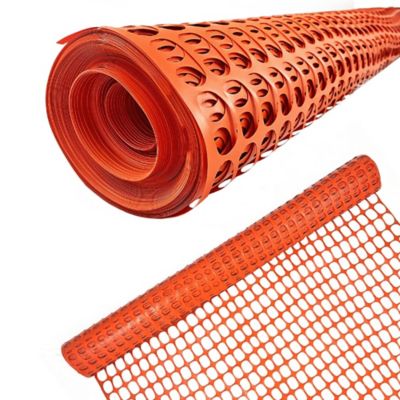
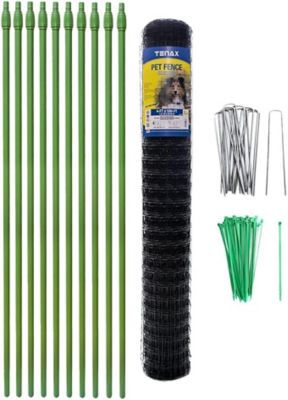
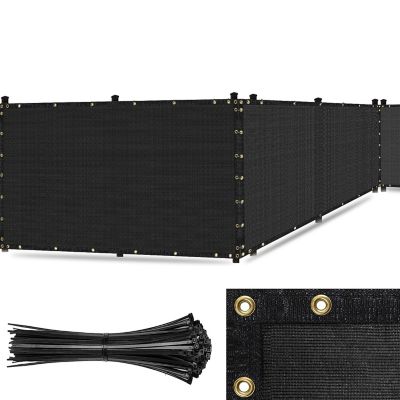
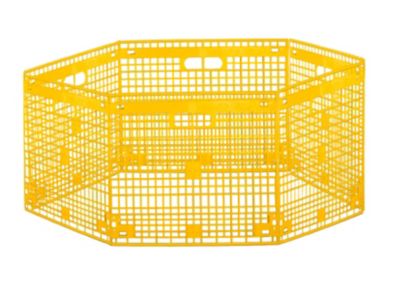
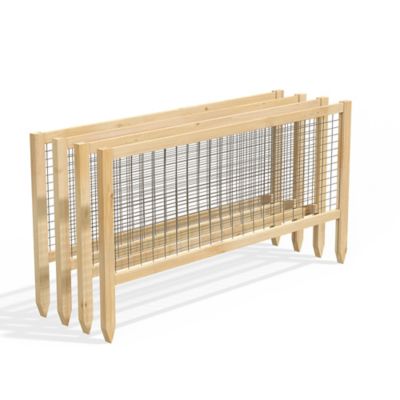
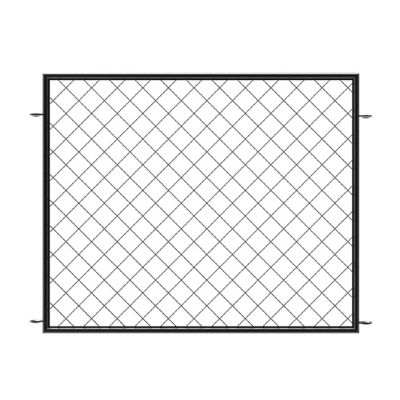
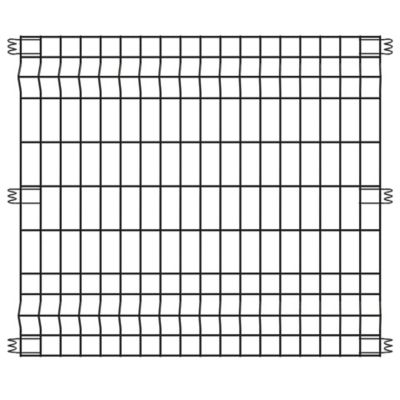
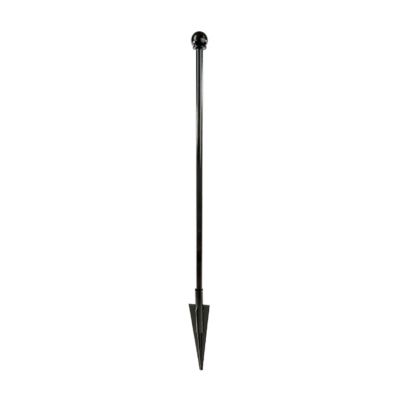
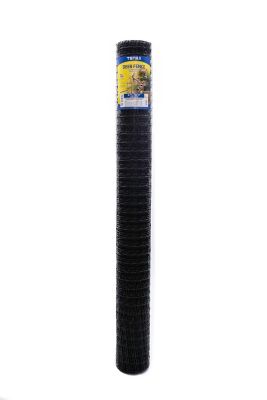
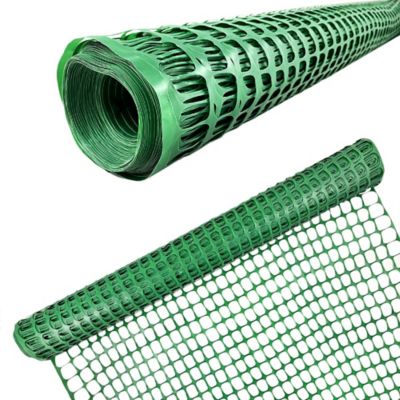
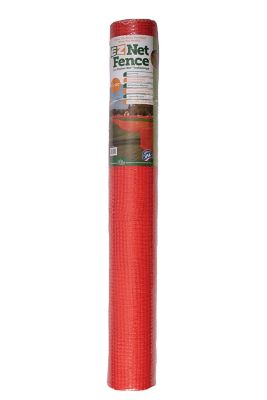
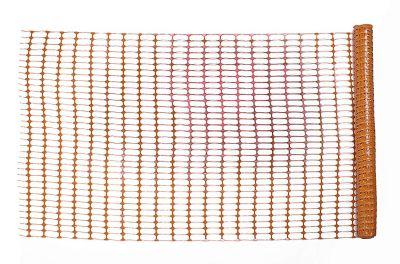
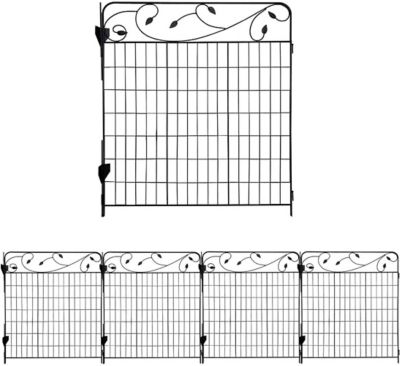
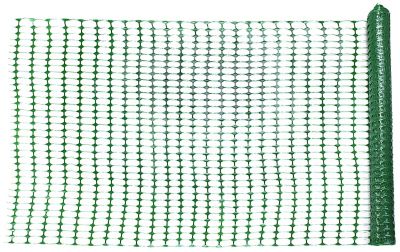
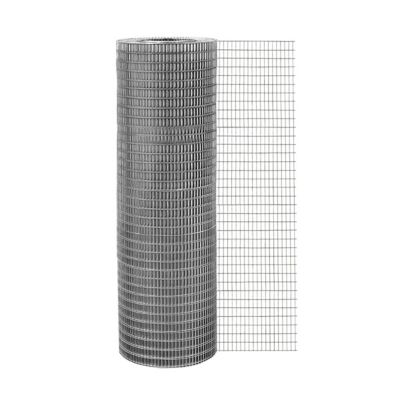
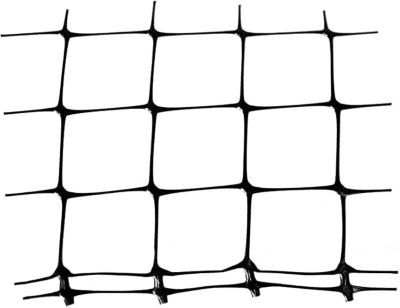
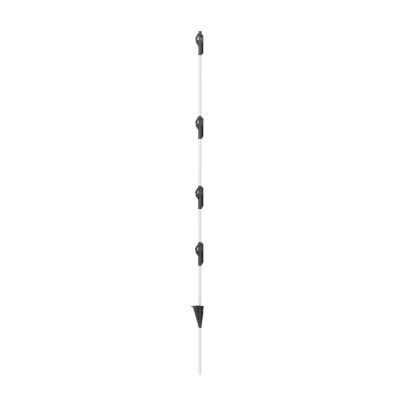
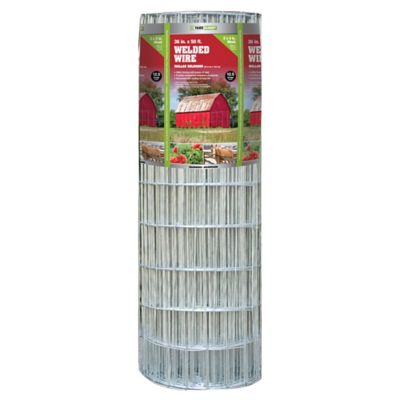
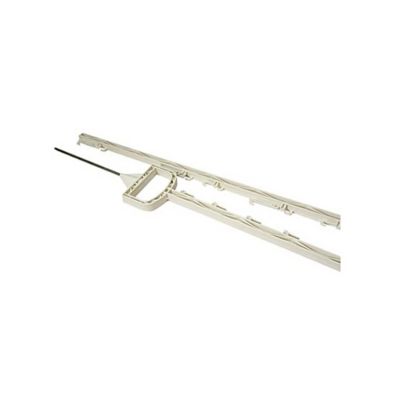
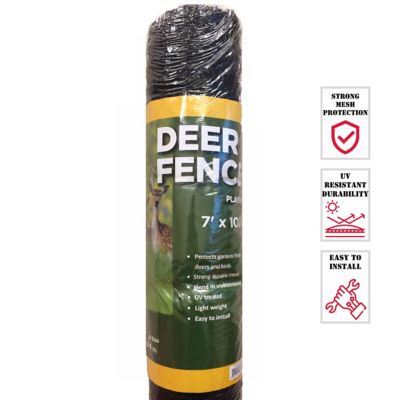
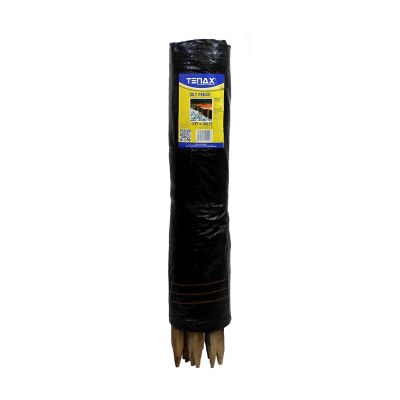
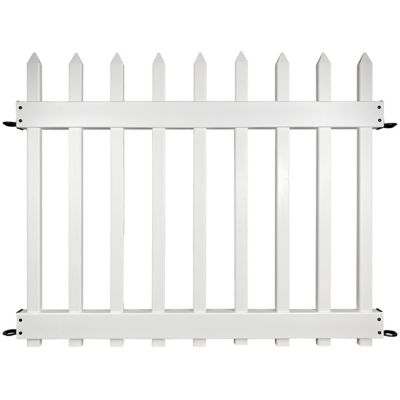
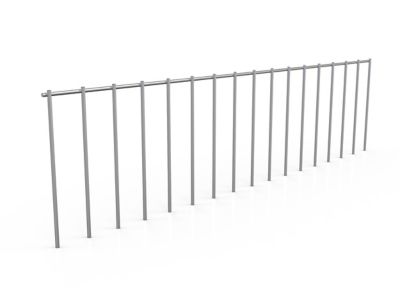
Temporary fences are movable barriers that help define boundaries, direct foot traffic, separate animals, or mark off a work area without committing to a permanent fence line. Depending on the design, they stand on support feet, connect to portable posts, or attach to stakes that go into the ground without full-size post holes. That flexibility comes in handy around a farm, a backyard, a jobsite, or a community gathering where the layout may need to change. A fence beside a garden serves a different purpose than a holding area near a barn, so the material and construction matter as much as the length of the run. Plastic mesh is light to carry and makes a visible boundary around planting beds or areas where people should stay clear. It generally serves as a marker or light barrier rather than protection against determined animals or unauthorized entry. Metal mesh and welded wire provide a firmer physical boundary, while framed steel sections offer structure for freestanding layouts when paired with the proper supports and connectors. Chain-link construction allows visibility through a barrier, which can help with keeping an eye on activity on either side. Vinyl sections can give small yard boundaries a tidy appearance, though their suitability for containment depends on their design and attachment method. For layouts built around connected sections,
Temporary Fence Panels offer a way to think about the boundary in manageable lengths rather than a continuous roll. The right approach comes down to what the fence needs to do: show a boundary, discourage entry, or contain a particular animal. Those jobs call for different levels of strength, height, and anchoring. A light fence around newly planted rows should not be expected to perform like a properly designed livestock enclosure, and a visible work-area boundary is not automatically a security fence.
Fit starts with the space on both sides of the fence, not just the distance between its ends. A straight run across an open yard is simpler to plan than a line that turns around a shed, crosses uneven ground, or needs an opening wide enough for a wheelbarrow. Overall length, section width, fence height, and the footprint of the supports all affect how a temporary boundary fits into daily chores. Support feet can extend beyond the fence face, so walkways and gate approaches need enough clearance to keep them out from underfoot. On uneven ground, rigid sections may leave gaps underneath or require a design that can accommodate changes in grade. Flexible mesh can follow some contours more closely, but it still needs suitable post spacing and secure attachment to avoid sagging. For animal containment, opening size deserves close attention. A gap that looks small from the porch may still let a rabbit slip through, allow a small pet to squeeze underneath, or catch an animal’s head or hoof. Fence height alone does not address digging, climbing, jumping, or leaning. Animal size, temperament, and behavior all belong in the decision, along with supervision and the manufacturer’s stated purpose. Temporary electric fencing is another category for managed livestock boundaries, but it depends on a compatible energizer, suitable conductors, correct grounding, and animals that recognize the fence. It is not a substitute for a physical barrier wherever escape would create serious danger. Around work areas and public gatherings, visibility, stable supports, and controlled entry points take priority. A bright mesh boundary can steer people away from a planting project, while a restricted work zone may need a more substantial system that meets applicable requirements. Temporary fencing should never be assumed to meet pool-barrier, fall-protection, or other safety rules simply because it closes off a space. Intended use is the starting point for every layout.
Materials and connection points have a lot to do with how well a temporary fence holds up through repeated setup, handling, and storage. Galvanized steel helps resist corrosion, while coated metal adds a surface layer that needs attention wherever scratches expose the metal beneath. Plastic mesh avoids metal corrosion and is easier to carry over a long run, but tears, stretched openings, and damaged edges can weaken its function. Vinyl surfaces are generally straightforward to wipe down, though cracked sections and loose connections still need attention. Hinges, clamps, latches, and post attachments deserve the same consideration as the fence itself, since a strong section cannot make up for a loose corner or a gate that will not stay shut. Compatible components help keep adjoining sections aligned and openings consistent. Weight matters, too: a substantial panel may suit a boundary that stays in place, while a lighter system may be easier to move between garden rows or carry from a storage shed. Neither weight nor convenience alone determines suitability. Freestanding designs need the specified feet, bracing, or ballast, and ground-mounted designs need anchors appropriate for the surface. Adding screening or hanging materials from a fence can change the loads on its supports, so those additions require the manufacturer’s approval. For a property owner moving a boundary between projects, manageable section sizes and accessible connectors can make routine changes less of a chore. For a gardener opening a wide path for a cart, a planned gate is more practical than pulling apart the fence each time. Basic care includes removing soil and plant debris, checking for sharp edges or bent wire, and setting damaged components aside until repaired or replaced. Clean, dry storage and neatly secured rolls help prevent tangles and unnecessary wear between jobs. A temporary fence earns its place by fitting the task, staying properly supported, and allowing access where it belongs—not simply by being easy to move.