First Aid Kits for Farm Workers

Before the next round of chores, put first aid supplies within reach of your crew. From the equipment shop to the barn, stocked workplace first aid kits help you prepare for minor cuts, scrapes and burns. Compare kits by crew size, contents and carrying case, then keep animal treatments and surface cleaners separate from supplies meant for people.
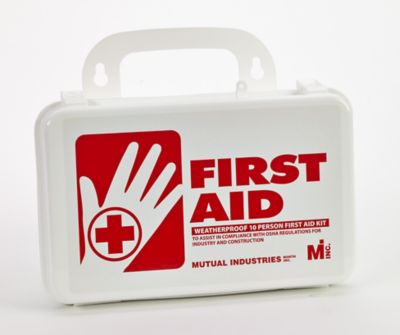
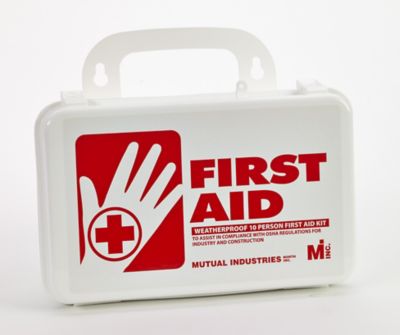
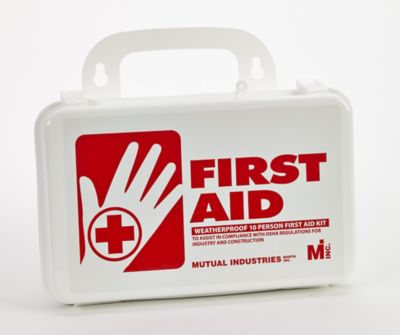
Mutual Industries 10 Person First Aid Kit
Mutual Industries Mutual Industries 10 Person First Aid Kit
A 10-person first aid kit with supplies for cleaning wounds, treating burns, and flushing debris. Gasketed for protection.
(0)
$29.99 $29.99
SALE
$29.99 $29.99
SALE
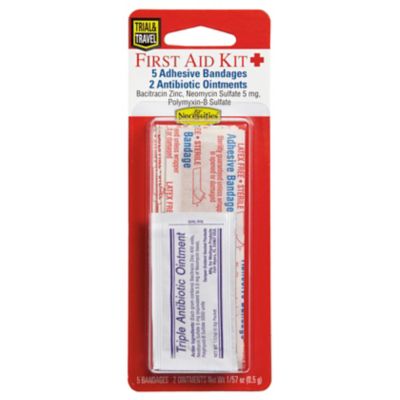
Lil' Drug LDSP First Aid Kit Peg 1ct
Lil' Drug Lil' Drug LDSP First Aid Kit Peg 1ct
A compact kit containing sterile bandages and antibiotic ointment for treating minor wounds.
(0)
$2.99 $2.99
SALE
$2.99 $2.99
SALE
Mutual Industries 25-Person First Aid Kit
Mutual Industries Mutual Industries 25-Person First Aid Kit
A durable and comprehensive first aid kit with supplies for 25 people, including bandages and antiseptics.
(1)
$39.99 $39.99
SALE
$39.99 $39.99
SALE
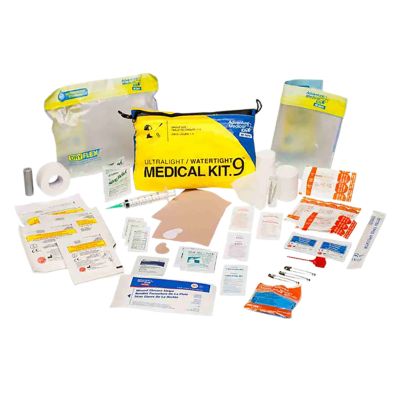
Adventure Medical Kits Ultralight/Watertight .9 Waterproof Medical Kit
Adventure Medical Kits Adventure Medical Kits Ultralight/Watertight .9 Waterproof Medical Kit
An ultralight waterproof first aid kit with essentials and trauma supplies for outdoor multi-sport adventures.
(16)
$60.99 $60.99
SALE
$60.99 $60.99
SALE
Mutual Industries 50 Person First Aid Kit, White
Mutual Industries Mutual Industries 50 Person First Aid Kit, White
A durable white first aid kit with supplies for cleaning wounds, treating burns, and more.
(0)
$59.99 $59.99
SALE
$59.99 $59.99
SALE
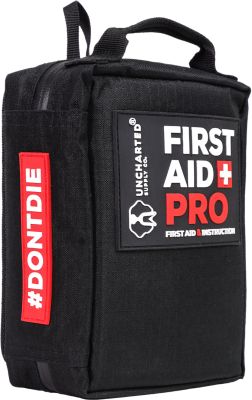
Uncharted Supply Co. First Aid Pro Kit
Uncharted Supply Co. Uncharted Supply Co. First Aid Pro Kit
A compact and durable first aid kit with a wide range of high-quality supplies for emergencies.
(0)
$79.99 $79.99
SALE
$79.99 $79.99
SALE
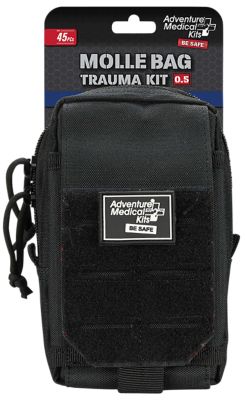
Adventure Medical Kits 45 pc. MOLLE Bag Trauma Kit 0.5, Black
Adventure Medical Kits Adventure Medical Kits 45 pc. MOLLE Bag Trauma Kit 0.5, Black
A black MOLLE-compatible trauma kit featuring bleeding control tools, medications, and essential first aid supplies.
(0)
$54.99 $54.99
SALE
$54.99 $54.99
SALE
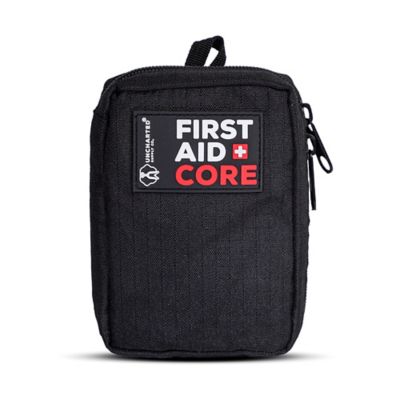
Uncharted Supply Co. First Aid Core Kit
Uncharted Supply Co. Uncharted Supply Co. First Aid Core Kit
A compact and lightweight first aid kit with essential supplies for emergency situations.
(0)
$39.99 $39.99
SALE
$39.99 $39.99
SALE
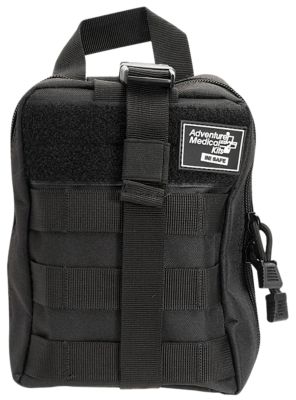
Adventure Medical Kits MOLLE Bag Trauma Kit 2.0, Black
Adventure Medical Kits Adventure Medical Kits MOLLE Bag Trauma Kit 2.0, Black
A black trauma kit featuring QuikClot, bandages, and a tourniquet for tactical emergency response.
(0)
$109.99 $109.99
SALE
$109.99 $109.99
SALE
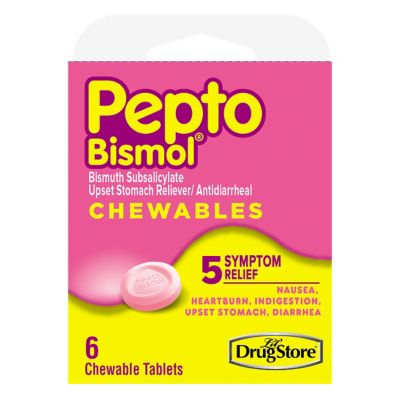
Pepto-Bismol Trial 6ct
Pepto-Bismol Pepto-Bismol Trial 6ct
A convenient pack of chewable tablets providing relief from nausea, heartburn, indigestion, upset stomach, and diarrhea.
(0)
$3.49 $3.49
SALE
$3.49 $3.49
SALE
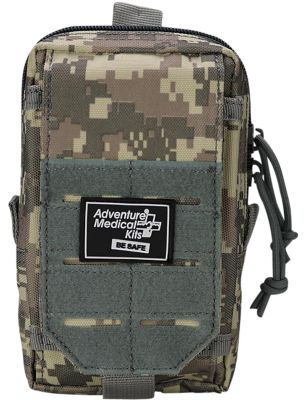
Adventure Medical Kits 45 pc. MOLLE Bag Trauma Kit 0.5, Camo
Adventure Medical Kits Adventure Medical Kits 45 pc. MOLLE Bag Trauma Kit 0.5, Camo
A camo MOLLE-compatible trauma kit featuring bleeding control tools, gauze, gloves, and assorted first aid supplies.
(0)
$54.99 $54.99
SALE
$54.99 $54.99
SALE
First aid kits for farm workers keep basic wound-care supplies and protective gear together for the scrapes, cuts, and other injuries that can happen around a working farm. Handling fencing, stacking feed bags, maintaining equipment, and moving livestock all put different demands on a crew, so a farm kit needs to suit more than one kind of chore. A compact kit may make sense for a single operator making rounds, while a larger workplace kit can better serve several hands working out of the same shop or barn. General-purpose kits often bring together adhesive bandages, sterile gauze, nonstick dressings, medical tape, antiseptic wipes, and disposable exam gloves. The assortment matters as much as the number of pieces: a kit with plenty of small bandages serves a different purpose than one with larger dressings and bleeding-control supplies. Individually wrapped supplies help keep contents protected until needed, and clearly labeled compartments make it easier to tell a wound pad from a cleaning wipe without emptying the case onto a workbench. Bandage shapes and sizes also matter when work involves knuckles, fingertips, or other spots that bend throughout the day. Flexible coverings can move with the wearer, while dressing options for larger areas give the kit a broader range of intended uses. These supplies support initial care, not a return to work before an injury has been assessed. For farm owners, hired hands, equipment operators, and family members helping with chores, the most practical assortment reflects the work taking place and the number of people nearby. Human first aid supplies also belong in a clearly identified kit separate from livestock medications and animal-care equipment. That distinction is especially helpful in a barn or tack room, where supplies for people and animals can otherwise end up on the same shelf. Workplace requirements and a farm’s hazard assessment provide a better basis for kit selection than piece count alone, particularly where machinery, chemicals, or work far from the main building are involved.

The case is a big part of how well a farm first aid kit fits into the workday. Molded plastic, metal, and fabric cases offer different combinations of structure, portability, and protection. A rigid case can help shield packaged contents from being crushed beside tools, while a soft-sided bag may fit more easily into a designated vehicle compartment. Water-resistant materials, secure closures, and covered seams are useful considerations around wash areas, dusty buildings, and equipment cabs. Water resistance does not make every case waterproof, and the closure design matters just as much as the outer material. Inside, dividers, removable pouches, and clear pockets can make supplies easier to find when somebody is shaken up or wearing gloves. Handles and latches should suit the way the kit will travel, whether that means carrying it across a yard or opening it at a wall-mounted station. Mounting options can help keep a kit from sliding beneath a seat or getting buried behind fencing tools, provided the placement follows the case and vehicle instructions. A main kit near the farm shop and smaller kits assigned to work vehicles can shorten the distance between a worker and basic supplies. Placement still needs to leave the kit easy to reach rather than tucked behind a locked door. Care is straightforward but important: case surfaces need cleaning according to their material, and sterile packages need protection from tears, moisture, and dirt. Expiration dates, damaged wrappers, missing supplies, and the condition of closures all affect readiness. Refill compatibility is another practical consideration, since replacement packages need to fit the compartments without being folded or squeezed. Exam glove sizing deserves attention, too; a range that fits the crew supports better hand movement than a single size that leaves some workers struggling. Clear labels and simple organization help a replacement worker find the same supplies as a longtime farmhand.

Farm work can also call for supplies beyond a basic assortment, but those additions need to match both the hazards and the training on site. Bleeding-control kits may include pressure dressings, larger gauze packs, trauma shears, and a commercial tourniquet intended for life-threatening bleeding from an arm or leg. Those supplies are not interchangeable with ordinary bandages, and training is an important part of their role in an emergency. Trauma shears can help a responder reach an injury through clothing, while a CPR face shield or other breathing barrier supports trained responders. Serious bleeding, major burns, suspected broken bones, and machinery injuries require emergency medical help; a kit does not replace that care. Eye-care supplies need the same thoughtful distinction. Sealed eyewash can serve a limited first aid purpose, but a small bottle is not a substitute for an appropriate emergency eyewash station where chemical exposure calls for one. Chemical labels, safety data sheets, and workplace requirements determine the flushing facilities and protective equipment a task needs. Workers handling livestock or traveling between properties may also benefit from a portable human first aid kit kept separate from animal supplies. For operations that haul horses, the Horse Trailer First Aid Kit Checklist offers related context for planning supplies around trailer travel without treating the worker’s kit and the horse’s kit as the same thing. Across these settings, clear kit identification, first aid training, and a way to call for help matter alongside the contents. A phone or radio within reach, a known farm address, and clear directions to a field entrance can help responders reach an injured worker. The best-fitting farm first aid kits bring together sensible contents, manageable case size, and organization that holds up to daily handling. They belong alongside protective equipment and safe work practices, ready to support initial care when an ordinary chore takes an unexpected turn.

FAQ

Back to top