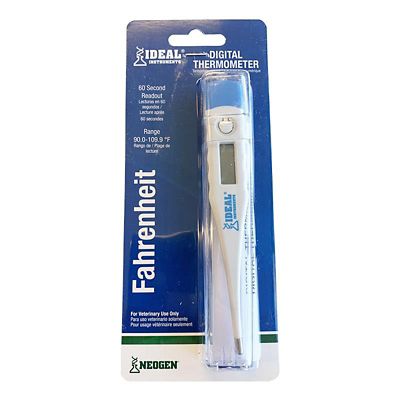
A horse trailer first aid kit checklist should cover the basics of checking your horse, cleaning and protecting wounds, handling minor emergencies, and keeping both horse and handler safe until veterinary care is available. Start with tools for observing vital signs and working in changing conditions, including a digital thermometer, petroleum jelly for easier use, a stethoscope, a bright flashlight or headlamp, and spare batteries. Bandage scissors, tweezers, hemostats, a small sharp knife or multitool, and wire cutters can make a big difference when tack, fencing, or trailer parts are involved. Pack disposable nitrile gloves to protect your hands, along with a clean bucket, several sturdy towels, and a permanent marker for labeling bandages or noting times. A halter, lead rope, and properly stored control equipment should be easy to reach rather than buried beneath feed tubs or grooming supplies. Keep a card with your veterinarian’s phone number, the nearest emergency clinic, your farrier’s contact information, trailer roadside assistance, and a trusted backup contact. A written note with your horse’s name, age, medications, allergies, health conditions, and normal temperature can help another person give useful information if you are busy handling an upset or injured animal. It is also smart to include a small human first aid selection for cuts, blisters, splinters, headaches, and other everyday mishaps. Loading and unloading, tightening a cinch, opening a stuck latch, or working beside a nervous horse can be hard on a person, especially during a long haul or in poor light.
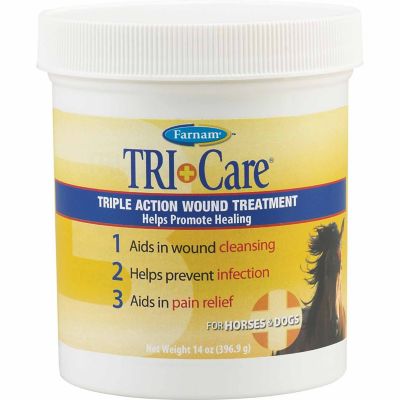
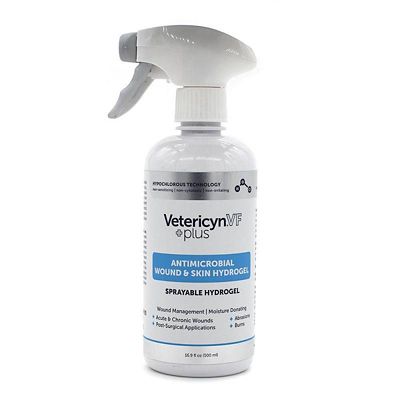
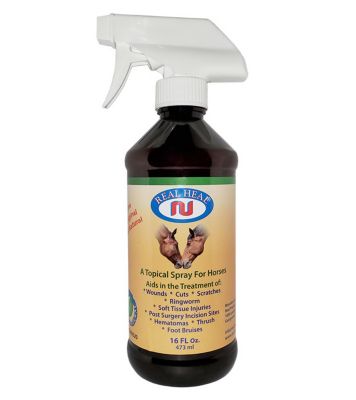
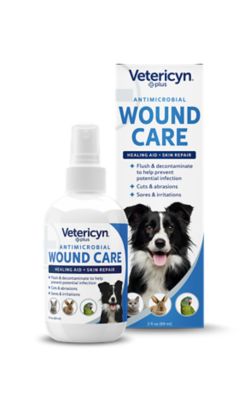
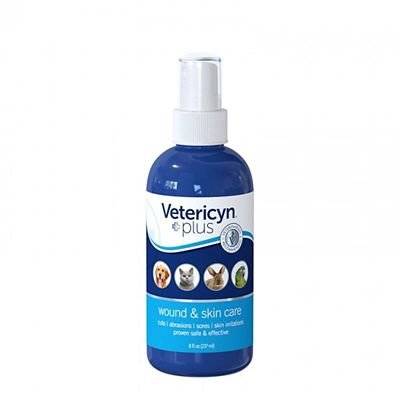
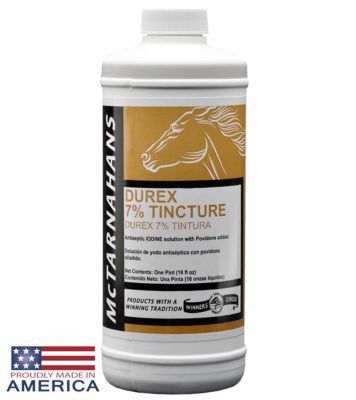
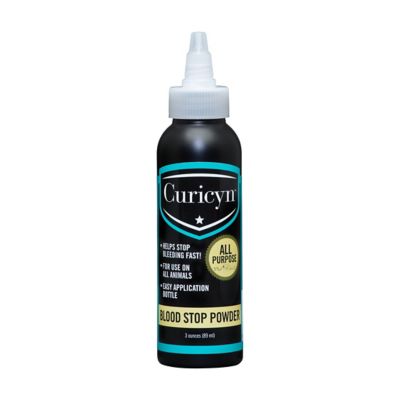
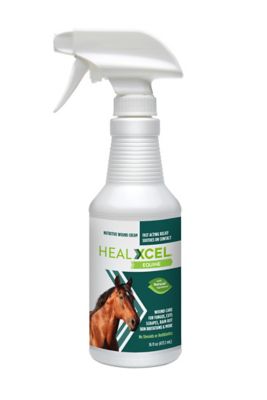
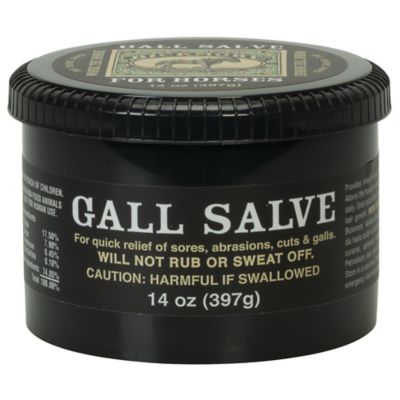
Wound-care supplies make up the working center of a horse trailer first aid kit. Sterile gauze pads, non-adherent wound pads, clean roll cotton, combine rolls, cohesive bandage wrap, elastic adhesive tape, and standing wraps or quilts provide options for covering injuries and supporting a dressing. Duct tape has many practical uses around a trailer, including helping hold a hoof bandage in place, while disposable diapers can serve as absorbent padding for an emergency hoof wrap. Add saline solution or sterile water for flushing dirt from a scrape, along with an equine-safe antiseptic solution, antibiotic ointment or cream, wound spray, and a skin-protecting gel. Clean water and gentle flushing are often more useful at the start than trying to scrub deeply into a fresh wound, and any serious bleeding, deep puncture, eye injury, suspected fracture, severe lameness, colic signs, breathing trouble, or wound near a joint should receive prompt veterinary attention. A first aid kit is meant to stabilize and protect, not replace a veterinarian’s examination. Prescription pain relievers, anti-inflammatory medications, sedatives, and other treatments should only be included and used according to directions from your veterinarian. If your horse has a travel-related condition, keep the prescribed medicine in its original container with clear instructions and the correct dosing syringe. Oral syringes without needles can be useful for veterinarian-approved medications or electrolyte paste, while a supply of electrolytes may be appropriate for horses that need them during travel, heat, exertion, or recovery. Never give a medication simply because it helped another horse; individual health history, dehydration, gut concerns, and dosage all matter. For additional care supplies and ways to round out a barn or trailer setup, browse
Equine Veterinary Supplies.
The best kit is one that matches the way you haul. A horse traveling to a nearby lesson may need a compact container with basic wound care, vital-sign tools, gloves, and contact information, while a horse headed to a show, trail ride, sale, or multi-day event benefits from extra bandages, more water access, spare wraps, and duplicates of the items used most often. Keep supplies in a waterproof, clearly marked tote that can be carried with one hand, and store it where you can reach it before unloading gear or opening every compartment. A smaller grab-and-go pouch inside the larger kit works well for items needed beside the trailer. Check expiration dates, dried-out ointments, damaged packaging, dead batteries, and supplies that have collected dust or moisture. Replace anything used after a trip, and review the kit when the weather changes or your horse’s health needs change. During the cooler months, protect liquids from freezing and consider an insulated bag for temperature-sensitive items; as the weather warms, keep the kit out of direct sun and add extra water, cooling towels, or other veterinarian-approved supplies for heat management. A simple inventory sheet taped inside the lid helps prevent overlooked gaps, especially after a busy weekend when used gauze or gloves were replaced in a hurry. These kits are useful for horse owners, trainers, boarding barns, youth riders, trail riders, transporters, and anyone who regularly spends time around horses away from home. They also make a thoughtful practical gift for a new horse owner, a first-time hauler, or a rider building a trailer setup from scratch. Pack it with the horse’s normal-care information and emergency contacts, explain where each item is kept, and make sure everyone who may handle the horse knows when to call the veterinarian. A calm plan, familiar supplies, and a well-organized trailer can make a stressful roadside moment feel more manageable while professional help is on the way.