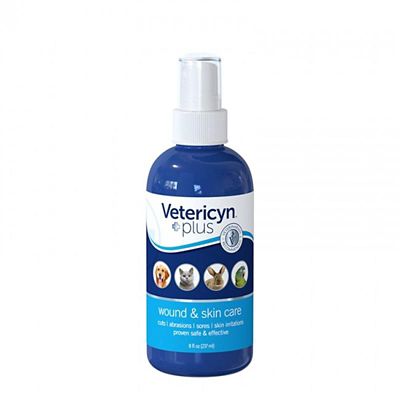
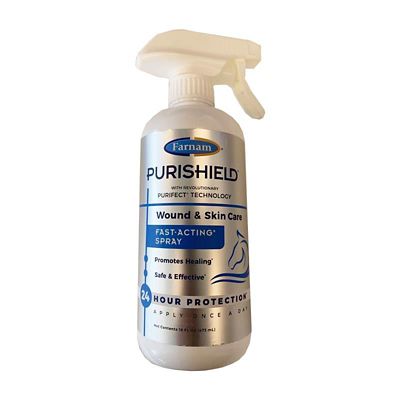
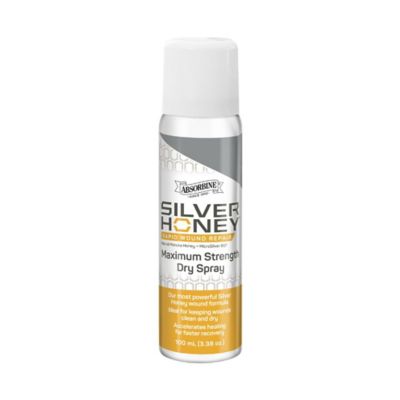
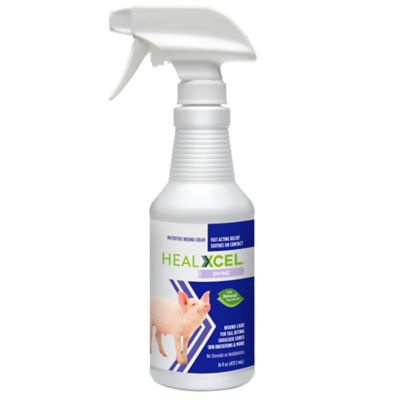
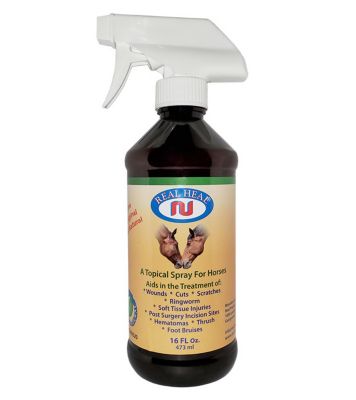
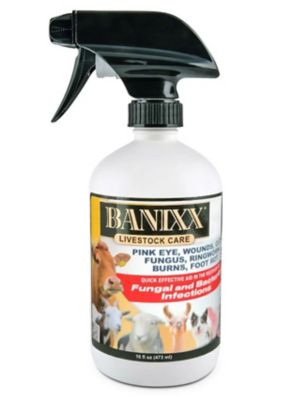
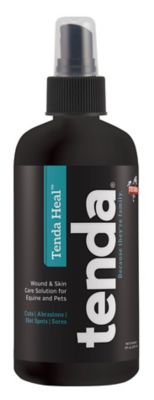
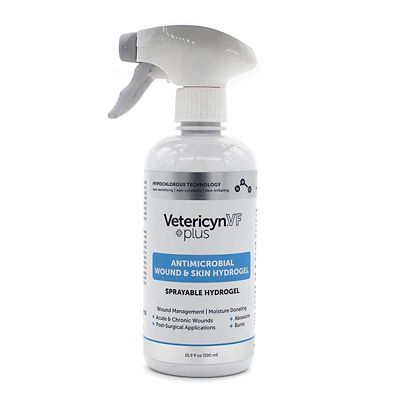
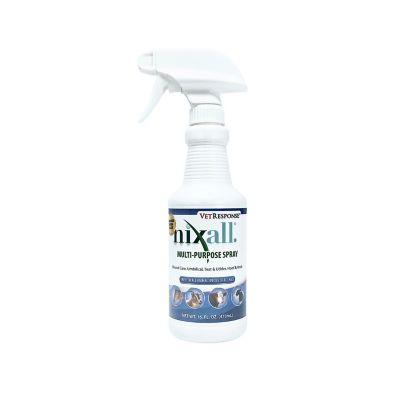
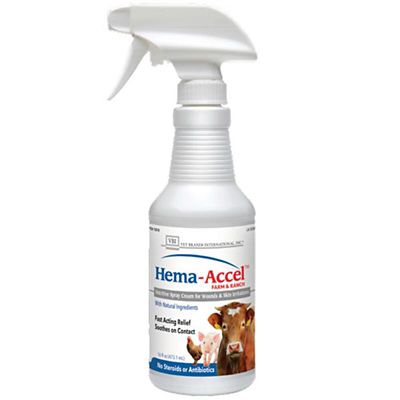
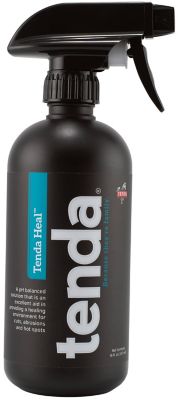
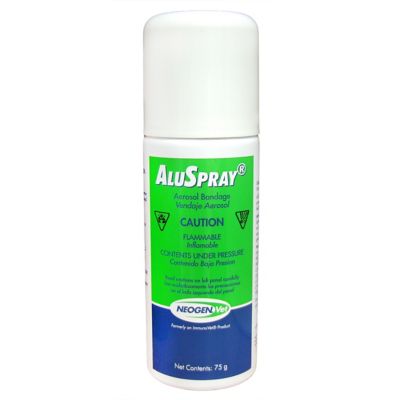
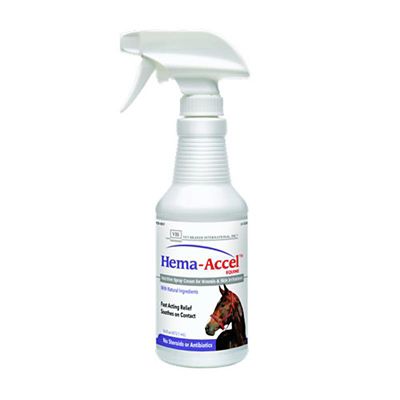
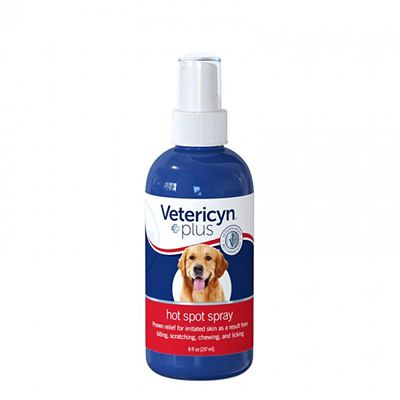
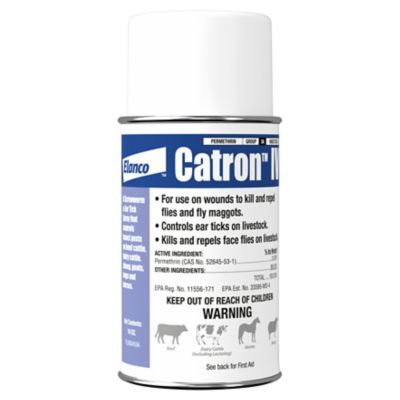
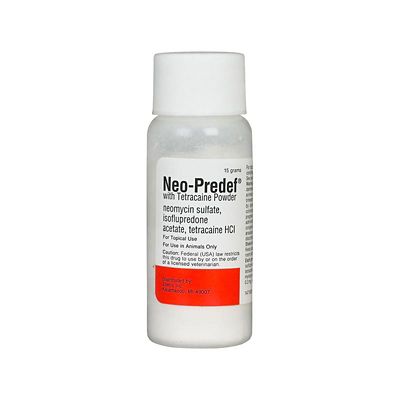
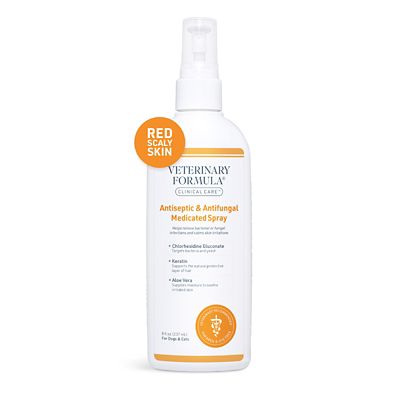
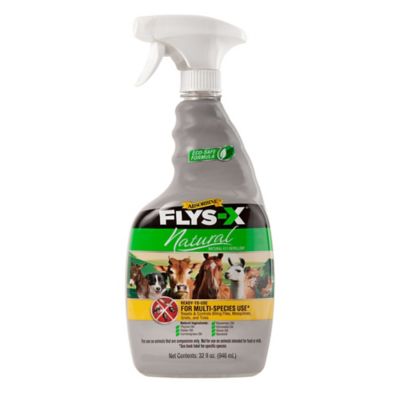
Livestock wound sprays bring several kinds of topical animal care into an easy-to-apply format, from wound-cleansing solutions and antiseptics to protective coatings and certain labeled insect-control treatments. Their purpose depends on the formula, so two spray bottles may serve very different needs around the barn. A cleanser intended for a superficial scrape is not the same as a coating meant to cover exposed skin, and neither automatically replaces treatment for an infected or deep wound. Cattle, sheep, goats, pigs, horses and poultry can have different care requirements, making the species listed on the label a starting point when comparing livestock first-aid sprays. A rubbed spot beneath a halter, a scrape along a fence line or an abrasion noticed during handling may each call for a different approach based on the location and extent of the injury. For ranchers, small-acreage livestock keepers and families tending show animals, a suitable spray can be a practical part of a well-organized animal-care kit. Pump bottles and aerosol cans offer different application styles, with some delivering a focused stream and others spreading a wider mist. A narrow spray pattern may help target a small area, while broader coverage may suit a larger surface when the label permits it. The sound of an aerosol and the feel of a spray can also matter around an animal that dislikes handling. Bottle shape, trigger design and operation with work gloves are useful considerations when chores already involve gates, lead ropes and keeping an animal settled. Spray application can reduce the need to spread a formula by hand, but it does not remove the need for safe restraint or a close look at the wound. For food-producing livestock, suitability includes any restrictions involving meat, milk or eggs. Those details belong alongside intended use and application directions, rather than being an afterthought once the animal is in the chute. Age restrictions and directions for lactating animals can also narrow the choice, even when several formulas appear to address the same general concern.
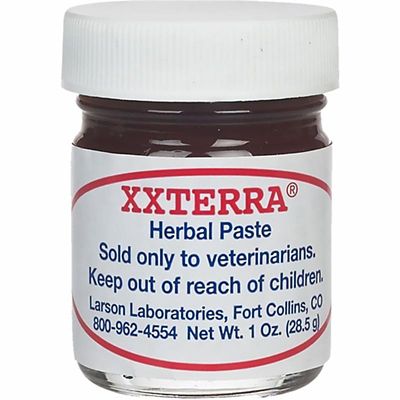
The main categories of livestock wound sprays are best understood by what their labels say they do. Hypochlorous acid sprays may be labeled for wound cleansing or antimicrobial care, depending on their formulation. Concentration, other ingredients and the intended application all matter; a solution meant for animal skin is not interchangeable with a disinfectant intended for stalls, tools or other hard surfaces. Other antiseptic wound sprays may contain ingredients such as iodine compounds or chlorhexidine in formulations specifically labeled for animal care. Ingredient names alone do not establish that a formula belongs on every wound or every species, particularly near eyes, ears, mucous membranes or sensitive tissue. Some colored antiseptic sprays leave a visible mark that can help show where the spray landed, though staining on hair, wool, clothing and handling equipment is worth considering. Protective film sprays serve a different role by leaving a coating over the treated area when applied according to directions. That coating should not be mistaken for a substitute for wound assessment, cleaning or veterinary treatment. Mineral-based barrier sprays may contain zinc, copper or related compounds, with their intended purpose depending on the complete formula and label claims. An antibiotic-free formula is not automatically suitable for every animal, and it does not by itself establish that there are no food-animal restrictions. Wound sprays labeled for fly control or particular parasites form another distinct group. A general wound cleanser should not be expected to repel flies, prevent flystrike or treat screwworms unless its label specifically supports that use. Likewise, an insect-control spray is not necessarily suitable for direct application to open tissue. Permitted screwworm treatments can depend on regulatory authorization, species and location, so veterinary and animal-health guidance matter. Visible larvae, suspected screwworms, spreading swelling, foul drainage or a wound that is getting worse call for prompt professional attention. Across these categories, the most useful comparison is the match between the labeled purpose and the animal’s needs, not simply the color of the liquid or the strongest-sounding claim on the container.
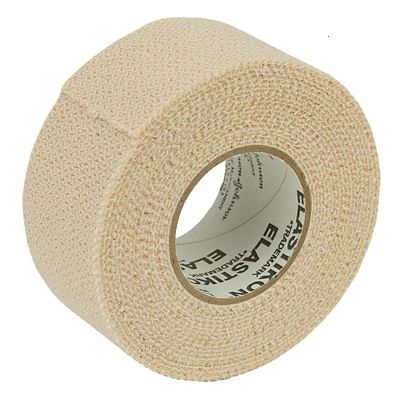
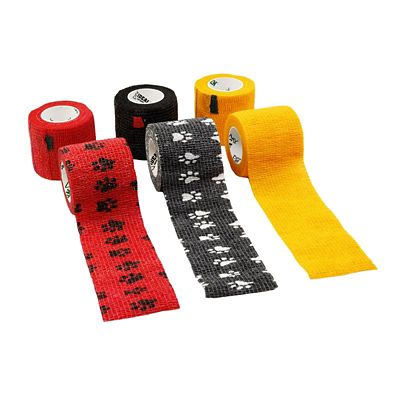
Practical details make a difference once a livestock wound spray becomes part of regular barn care. Package size should suit the number of animals receiving care and the label’s application schedule, while a secure cap and manageable bottle help keep the kit orderly between chores. A pump mechanism may offer more control over a small spot, while an aerosol may reach an awkward angle more easily if its directions allow that position. Some formulas need shaking, some have specific application distances and some leave a coating that affects whether a bandage is appropriate. Nozzle performance, drying directions and compatibility with other topical treatments deserve attention before combining anything on the same area. More spray is not necessarily more helpful, and layering several formulas can make it harder to see changes in the skin or understand what is causing irritation. Clean handling matters, too: keeping the nozzle from touching the animal, closing the container after application and following storage directions help keep the next application straightforward. Original labels should stay with their containers so species restrictions, expiration information, protective-equipment requirements and withdrawal directions remain easy to check. A first-aid cabinet may also hold gloves, gauze and other supplies, but livestock treatments should remain clearly separated from care intended for household pets. For the barn dog’s separate care needs,
Antiseptic for Dogs addresses a different animal-care category; a cattle or horse label does not establish suitability for a dog. The same caution applies when moving between livestock species. Deep punctures, persistent bleeding, injuries near a joint and wounds following procedures deserve veterinary direction rather than a spray-only approach. For routine, label-appropriate care, a clearly identified formula and a practical applicator can make a busy chore round more manageable while keeping attention where it belongs: on the animal, the wound and any changes that need a closer look.