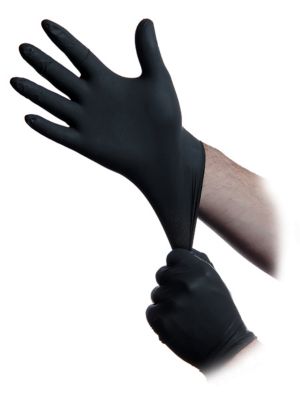
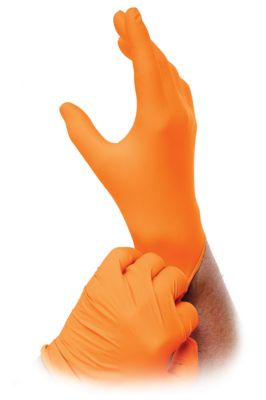
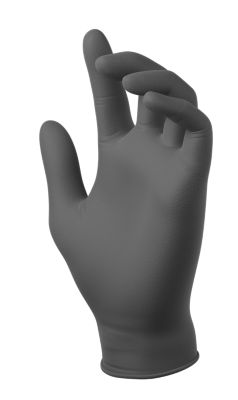
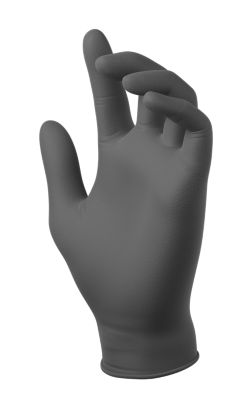
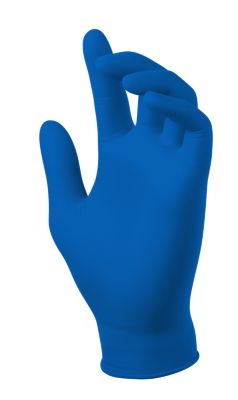
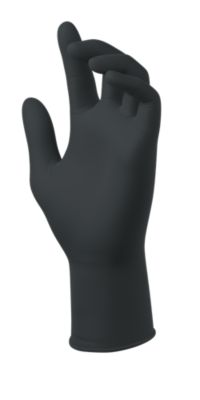
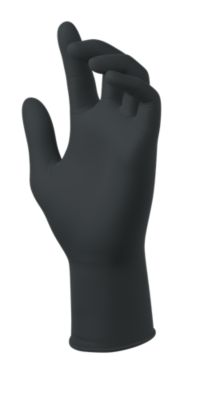
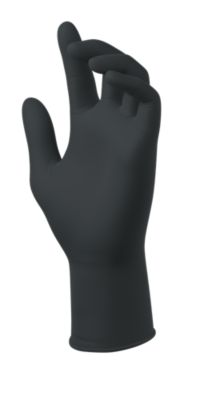
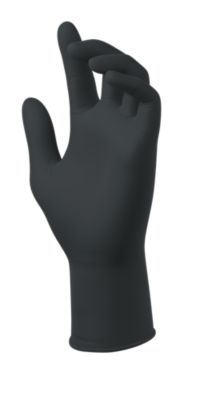
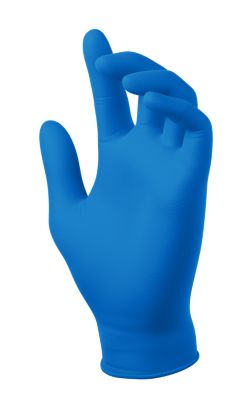
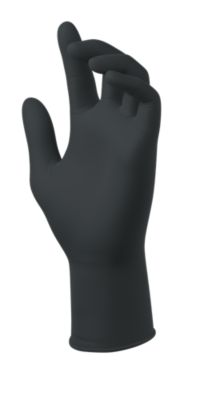
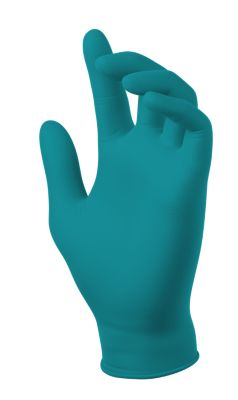
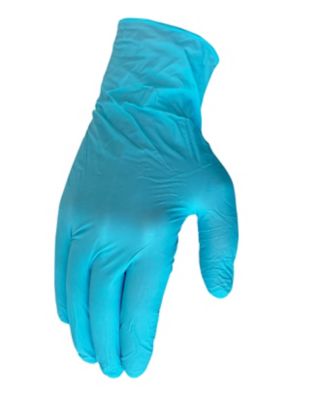
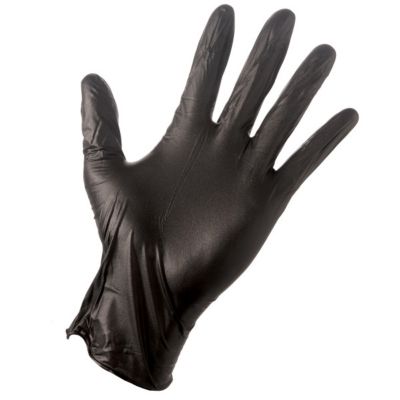
Latex-free medical gloves are disposable hand coverings made without natural rubber latex, commonly from synthetic materials such as nitrile and vinyl. They provide a barrier that helps limit contact with blood, body fluids and other potentially infectious material when selected and worn for the intended task. For people with a natural rubber latex allergy, choosing gloves labeled as not made with natural rubber latex helps avoid exposure to latex proteins. These gloves serve a practical role in medical examination settings, home caregiving, first-aid supplies and veterinary care, where a clean barrier matters just as much as being able to feel what the hands are doing. Nitrile is a synthetic rubber known for its flexibility, close fit and resistance to punctures compared with vinyl. Vinyl, typically made from polyvinyl chloride, generally has less stretch and a looser feel. Its suitability depends on the task, expected contact and the glove’s stated performance. Neither material makes a glove suitable for every exposure. Medical examination labeling matters because a general-purpose disposable glove does not automatically meet the requirements for medical examination gloves. Chemical protection also varies by material, formulation, thickness and the substance involved, so medical labeling alone does not establish protection against cleaners, solvents or farm chemicals. Manufacturer information should match the actual exposure, especially where a task involves more than routine patient contact. Latex-free also does not mean that skin irritation or other allergic reactions are impossible. Some glove formulations contain processing additives, including certain rubber accelerators, that can bother sensitive skin. Material details and any accelerator-related labeling help distinguish those concerns from a natural rubber latex allergy. For a caregiver helping a family member with personal care or a veterinary worker handling an examination, that distinction supports a more informed choice without treating every synthetic glove as interchangeable.
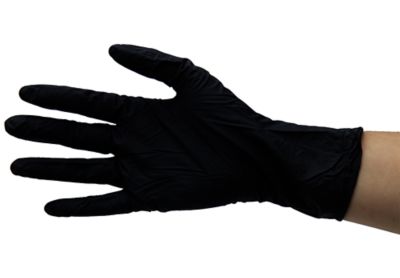
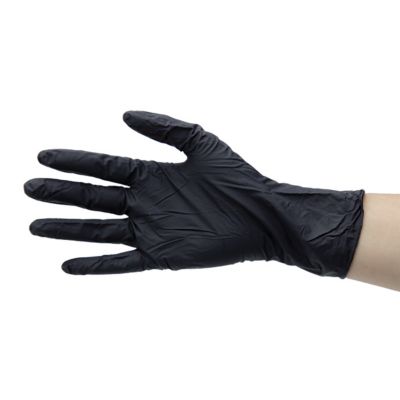
Fit makes a noticeable difference when opening a dressing wrapper, holding a small instrument or fastening a bandage. A well-fitting medical glove follows the hand without pulling tightly across the palm, leaving long empty fingertips or bunching around the fingers. Too much tension can make movement uncomfortable and place extra strain on the material, while excess room can reduce control. Sizing varies by manufacturer, so a size chart and hand measurements are more useful than assuming the same size will fit across every glove design. Finger length, palm width and cuff shape all affect how a glove feels during a task. Many examination glove designs are ambidextrous, while others have a hand-specific shape; the package description identifies the construction. Textured fingers or palms can improve grip in some conditions, but texture does not eliminate slipping when surfaces are wet or coated with fluid. Thickness is another consideration, often expressed in mils. A thicker glove can provide more material between the hand and the task, though thickness alone does not establish puncture resistance, chemical protection or overall performance. Thinner constructions may offer greater fingertip sensitivity for detailed work. For tasks calling for a synthetic rubber barrier without added donning powder,
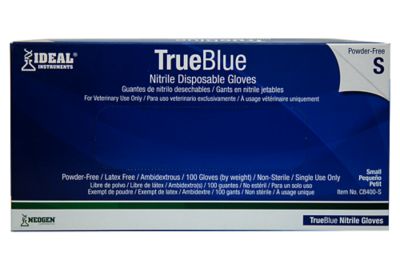
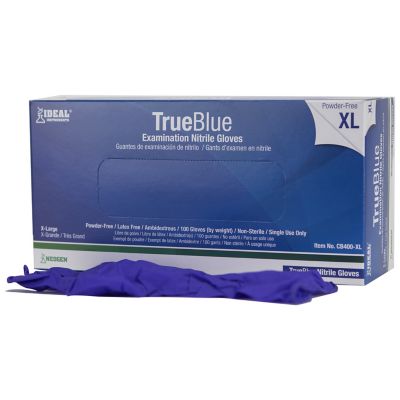
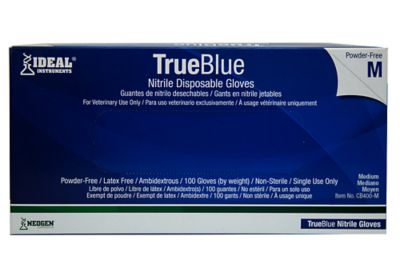
Powder Free Nitrile Gloves are one latex-free option. Powder-free describes the absence of added donning powder; it does not mean the glove is sterile or free of every potential irritant. Sterility is a separate designation, and nonsterile examination gloves are not a substitute when a procedure requires sterile gloves. Cuff length also deserves attention where coverage at the wrist matters, although a longer cuff does not turn an examination glove into protection for the whole arm. These details help match gloves to the work, whether that means brief examination contact, assisting with personal hygiene or handling materials during first aid. Comfort matters, but the intended medical task and required protection come first.
Single-use medical gloves belong to one task and one wearer, with a fresh pair whenever the task or contamination risk changes. Moving from a soiled surface to a clean dressing, or from one person or animal to another, calls for a glove change rather than carrying contamination along. Gloves also need replacement if they tear, develop a hole or otherwise lose their barrier. Washing, disinfecting or patching disposable examination gloves is not a substitute for changing them, and a pair that still looks intact may need replacement after contact with contaminated material. Hand hygiene remains part of the routine before putting gloves on and after taking them off; gloves do not replace clean hands. Dry hands make donning easier, and careful handling helps avoid stretching or snagging the material. Rings, sharp fingernails and rough edges around a work surface can damage a glove before the main task even begins. In a home first-aid cabinet, veterinary treatment area or caregiving supply space, keeping gloves in their original packaging helps preserve labeling, lot information and expiration details. A clean, dry storage location away from direct sunlight, chemicals and abrasive tools helps protect the material before wear. Torn packaging, visible deterioration, unusual brittleness or a passed expiration date are reasons to follow the manufacturer’s replacement guidance rather than count on the glove’s barrier. Medical gloves also have clear limits around a farm or workshop: they are not work gloves for fencing, handling splintered lumber or moving sharp scrap, and they do not prevent needlestick injuries. For people balancing chores with family care or animal care, keeping those roles separate matters. A glove chosen for an examination should match that examination, while heavier physical work calls for protection designed for the job. The most useful latex-free medical gloves bring together the right material, a comfortable fit, appropriate labeling and handling practices that support the care being provided.