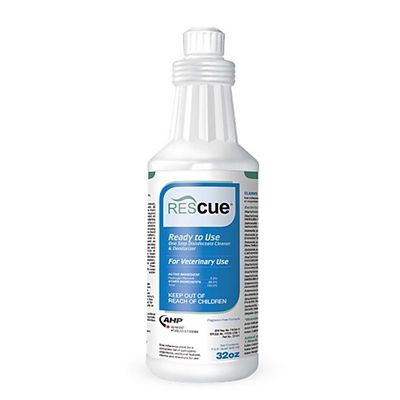
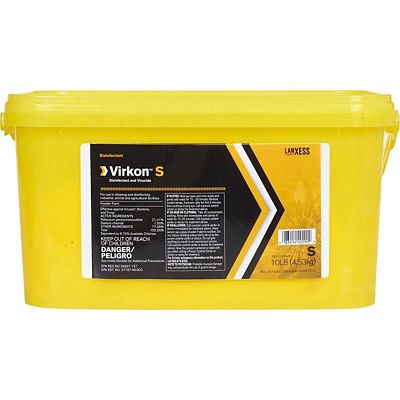
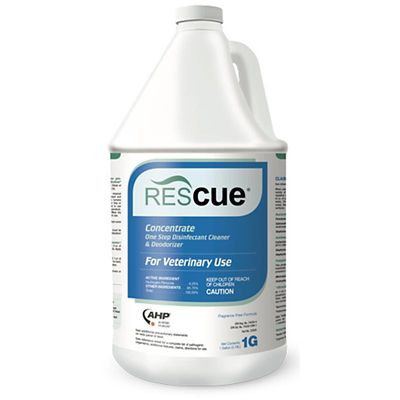
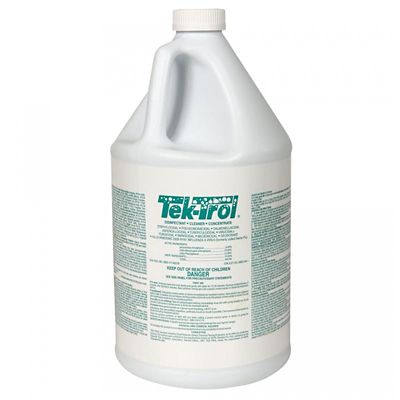
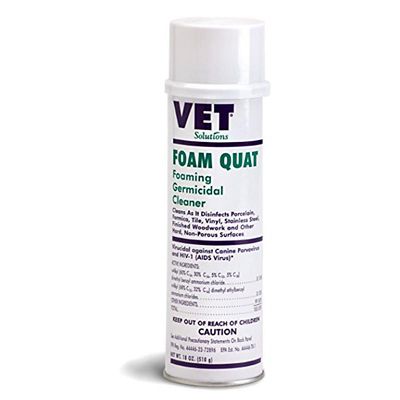
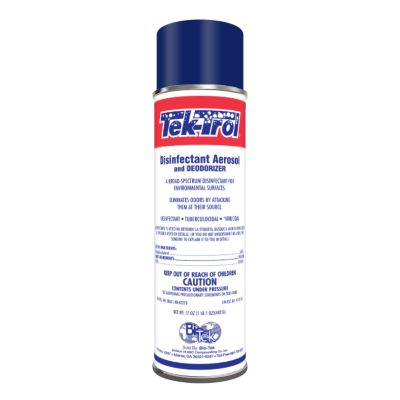
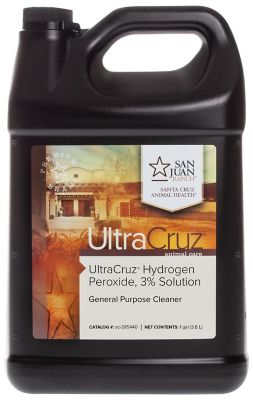
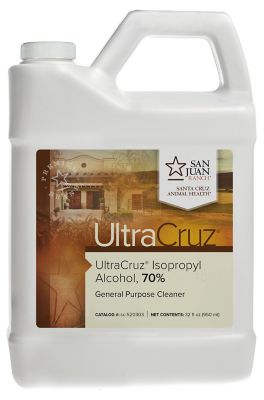
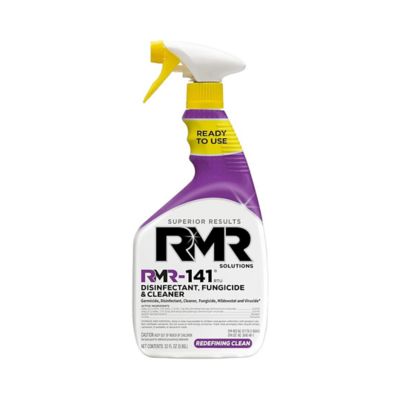
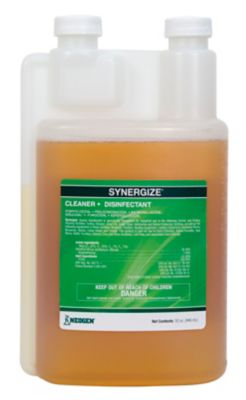
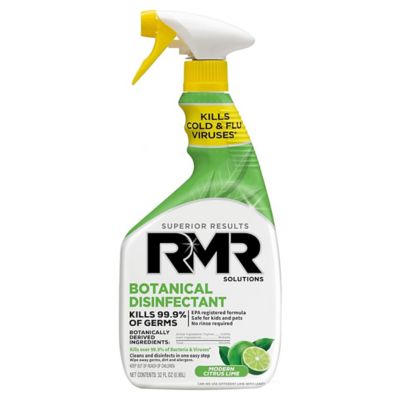
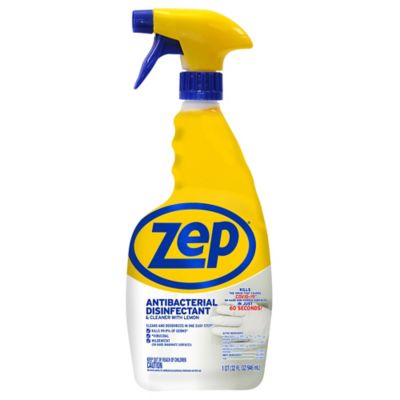
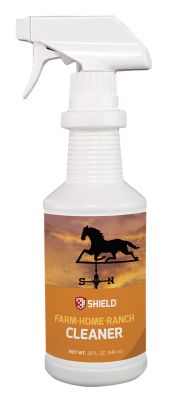
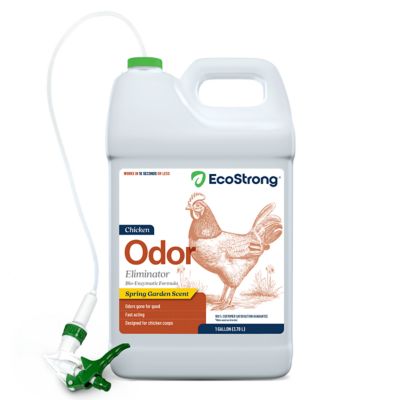
Veterinary surface disinfectants help control germs on the hard surfaces that animals and their caretakers encounter every day, from kennel doors and exam tables to transport crates and grooming stations. They serve a different purpose than ordinary cleaners: cleaning lifts away dirt and other material, while disinfection targets the bacteria, viruses or fungi named on a product’s label. That distinction matters in a busy boarding kennel, a rescue intake room or a farm’s animal-care area, where a surface can look clean without being ready for the next animal. The right choice depends on the organisms of concern, the surface material and the time available for treatment between animals. For canine parvovirus, look for an explicit parvovirus claim rather than assuming a general antibacterial cleaner will do the job. For ringworm concerns, the label needs an appropriate fungal claim; a claim against bacteria alone does not establish effectiveness against ringworm-causing fungi. EPA-registered veterinary disinfectants have specific directions for their labeled applications, and those directions are the best place to confirm pathogen claims, dilution, contact time and rinsing requirements. Registration does not mean every organism or every animal-care setting is covered. Hydrogen peroxide-based formulas, including accelerated hydrogen peroxide formulations, quaternary ammonium compounds and sodium hypochlorite solutions differ in their handling needs and material compatibility. The active ingredient offers useful background, but the complete formulation and label determine what a disinfectant can do. Even formulas sharing an active ingredient may have different claims and application requirements. Broad-spectrum disinfection can suit everyday facility routines, while a known illness calls for closer attention to the exact organism listed. Veterinary teams, shelter staff, groomers, boarding operators and animal owners all benefit from matching the disinfectant to the job rather than choosing by scent or the strength of a cleaning smell. During a suspected outbreak, a veterinarian can help identify the target organism and the precautions needed beyond surface cleaning.
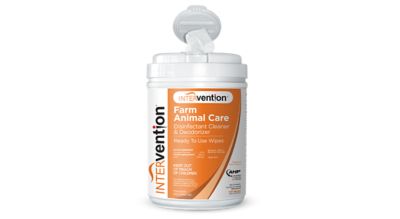
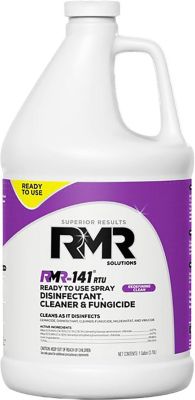
Ready-to-use liquids, disinfecting wipes and concentrates fit different cleaning routines. A ready-to-use formula avoids on-site dilution and can make sense for smaller treatment areas or touch-up work between appointments. Wipes offer controlled application on compatible surfaces such as crate latches, handles and exam-table edges, provided the surface stays wet for the full labeled contact time. One wipe may not carry enough liquid for an entire enclosure, and moving the same wipe between animal spaces can spread contamination. Concentrates suit larger cleaning routines when the facility has suitable measuring equipment, clearly labeled containers and staff who can follow the mixing directions consistently. The dilution for routine disinfection may differ from the dilution for a particular pathogen, so a familiar mixing ratio is not a substitute for the label. A stronger mixture is not automatically more effective and can leave unwanted residue or damage materials. Working-solution shelf life also varies; some diluted formulas need replacement sooner than others. Contact time means the period a treated surface must remain visibly wet to meet the label’s disinfection directions. It is not simply the time between spraying and letting an animal back into the space. A formula that dries before its required contact time may need additional application according to its directions. Cleaning demands matter, too. Hair, manure, bedding, dried saliva and other organic material can shield organisms or interfere with disinfectant action. Even a cleaner-disinfectant does not remove the need to clear away heavy soil. In a kennel run, that means the condition of the floor and drain area matters as much as the disinfectant itself. In an exam room, table seams and crate corners deserve attention alongside the broad, easy-to-reach surfaces. Spray bottles, wipes, mop applications and other delivery methods should match the methods permitted on the label. A practical choice fits the size of the space and the time caretakers can allow for cleaning, wet contact, any required rinsing and drying before the next animal arrives.
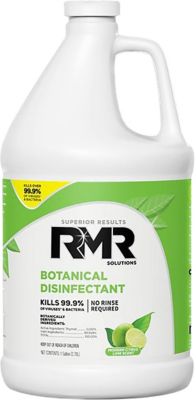
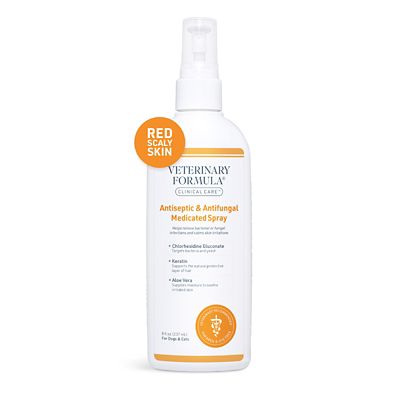
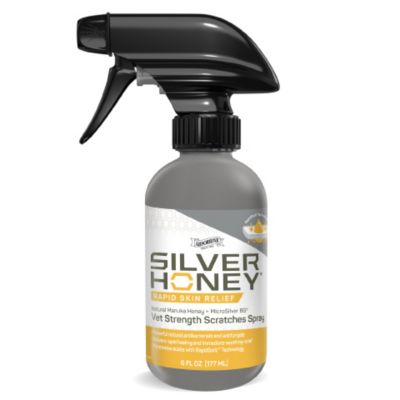
Surface compatibility deserves just as much attention as germ claims. Stainless steel, sealed concrete, plastic carriers, rubber mats and coated kennel panels do not all respond the same way to repeated chemical exposure. Some formulas can corrode metals, cloud certain plastics, affect finishes or leave residue that needs removal. Equipment care instructions and the disinfectant label help establish whether a formula suits a particular surface; a small compatibility check, when appropriate, can help protect a finish before broader application. Cracked flooring, worn coatings and deep scratches can trap debris, while unfinished wood, fabric bedding and other porous materials may need a different cleaning approach. A hard, nonporous-surface claim should not be stretched to cover those materials. Animal safety also depends on how the space is managed during treatment. Animals should stay out of the treatment area during cleaning and disinfection, with reentry based on the label’s directions, including any rinsing, drying and ventilation requirements. Food bowls, water containers, feeding equipment and surfaces animals may lick warrant particular attention to permitted applications and rinse instructions. No-rinse language applies only to the conditions specified on that formula’s label, not automatically to every surface or situation. Gloves, eye protection and other protective equipment should match the label and safety data sheet, and disinfectants should never be mixed with other cleaning chemicals. Bleach mixed with ammonia or acidic cleaners can release dangerous gases. Clearly identified containers and storage away from feed, food and animal access help keep routine chores from turning into an exposure problem. Surface formulas are not skin treatments, wound washes or grooming sprays. For a separate animal-care need,
Antiseptic for Dogs belongs in the skin-care conversation, with veterinary advice guiding care for an injury or irritation. Whether the task is turning over a boarding run or maintaining a home pet-care space, a suitable veterinary surface disinfectant fits both the germ-control need and the everyday work of keeping animals safely housed.