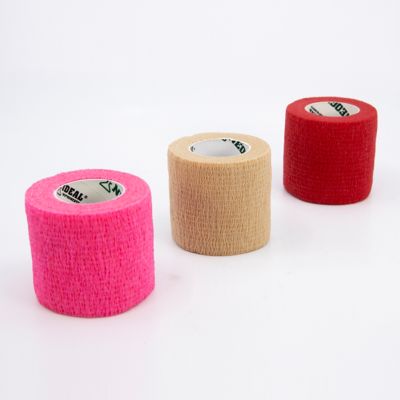
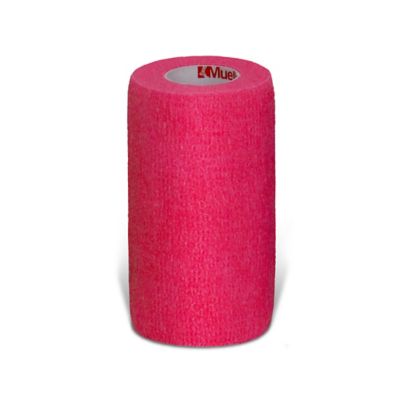
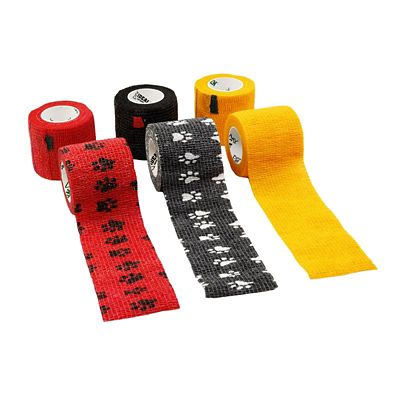
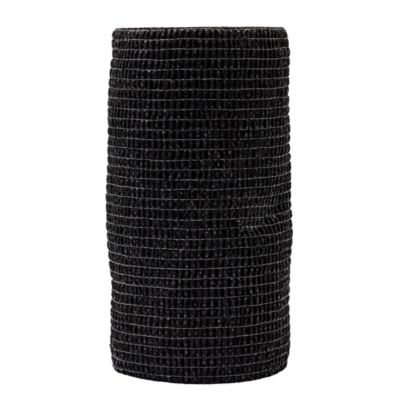
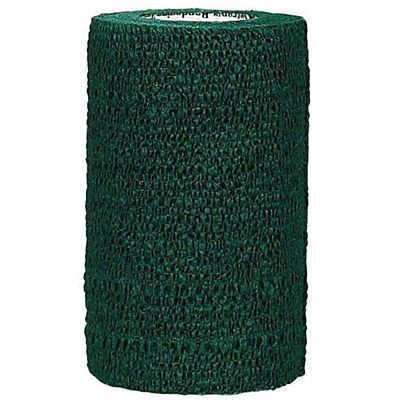
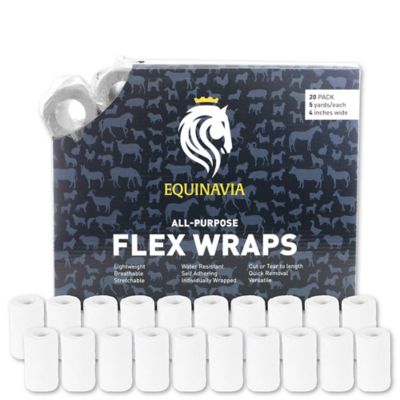
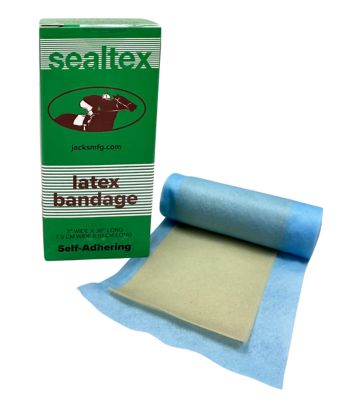
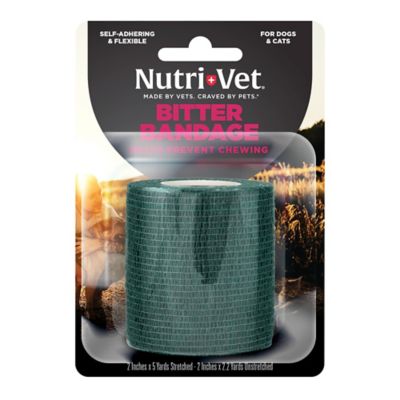
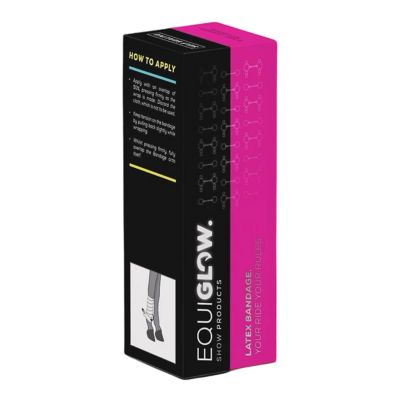
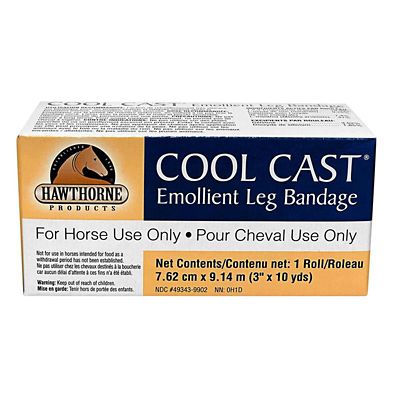
Self-adhering animal bandage wraps are flexible, cohesive rolls designed to cling to their own layers rather than stick to an animal’s skin or coat. Often called vet wrap or cohesive bandages, they commonly serve as an outer layer that holds gauze, padding, or a nonstick dressing in place. That makes them a practical part of animal first-aid supplies, whether the care kit sits in a tack room, a kennel, or a cabinet near the back door. A horse with a veterinarian-directed leg dressing and a dog with a covered paw need different care, but both may need a wrap that follows the shape of the area without a sticky adhesive against the hair. Many wraps have a lightweight, nonwoven construction with elastic fibers that provide stretch and help overlapping layers grip one another. The exact fiber blend, stretch, texture, and latex content vary, so the package details matter. Some contain natural rubber latex; a clearly labeled latex-free option may be necessary when an animal or the person handling the bandage has a latex sensitivity. Porous construction can allow some airflow, although a breathable outer wrap does not guarantee that the padding beneath it stays dry. These bandages generally belong over an appropriate primary dressing, not directly against an open wound, and they should not be assumed sterile unless the labeling says so. Their role is to help secure a dressing or provide veterinarian-directed compression, not to clean an injury, treat an infection, or replace a splint. They may also be part of care for a damaged nail or a surgical site when a veterinarian recommends that approach. For animal owners, barn managers, trainers, and kennel staff, the appeal is straightforward: a compact roll can help keep the layers of a properly planned bandage together without tape fastened directly to the coat. The right choice still depends on the animal, the location, and the reason for bandaging.
Width, roll length, and stretch are worth comparing before choosing self-adhering animal bandage wraps. A narrow roll may be easier to manage around a small paw, while a wider roll can cover a larger padded area with fewer passes. Wider is not automatically better, though; material that bunches at a bend can create an uneven fit, and a roll that is too narrow may take more overlapping layers than expected. The animal’s size is only part of the picture. A lower leg, a paw, and an area near a joint each have different contours, and the thickness of the dressing underneath changes the finished fit. Roll lengths may be listed in a stretched state, so checking how the measurement is described helps make comparisons more useful. A wrap with plenty of stretch can conform around an awkward shape, but that stretch also calls for care. Elastic material can constrict when pulled tight, and several overlapping layers can add pressure even when each pass seems light. A snug appearance alone does not establish a safe fit. The amount of padding, the overlap, and the tension should follow veterinary directions and the wrap manufacturer’s instructions. Compression for swelling or an injured joint is a veterinary decision rather than a reason to pull harder on the roll. Changes such as swelling above or below a bandage, cold toes, unusual paw color, or new discomfort need prompt veterinary attention. Fit also changes as an animal moves or swelling changes, so a bandage that looked fine at first still needs regular checks. A wrap that slides, twists, or forms a tight ridge is not doing its job as intended. For animals that fuss over bandages, a cohesive surface is no substitute for supervision or a veterinarian-recommended way to prevent chewing. Even wraps with a bitter coating cannot be counted on to stop every animal from licking or swallowing bandage material. A calm-looking pet can still work at an edge when nobody is watching.
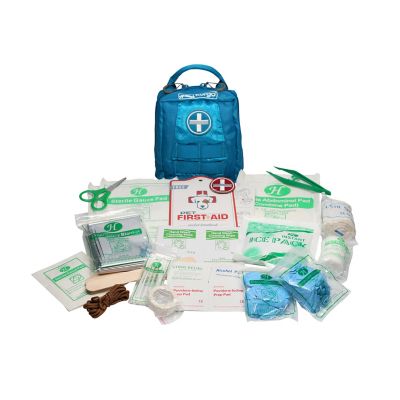
Day-to-day wear matters just as much as the way a roll handles straight out of the package. A dog crossing the yard, a horse shifting in a stall, and a cat settling into bedding can put different demands on an outer bandage. Friction, dirt, moisture, and repeated movement can affect how well the layers stay together. Any water resistance stated on the label should not be mistaken for waterproof protection, especially when absorbent padding sits underneath. A dry-looking surface can hide damp material closer to the skin, and trapped moisture can irritate tissue. Bandage-change timing belongs with the veterinarian’s care plan rather than a promise that a wrap will last a certain number of days. Soiling, slipping, an unusual smell, discharge, or increased attention from the animal are reasons to have the dressing checked sooner. Most cohesive wraps are intended for a single application, not washing and winding back onto the roll. Fresh material provides a cleaner starting point, while a roll that has become dirty or lost its ability to cling should not be counted on for animal care. For storage, the package instructions are the best reference; keeping rolls dry, clean, and away from animals that might chew them helps protect the supplies between applications. An organized first-aid kit can keep wraps beside the appropriate dressings and padding, with veterinary contact information close at hand. That setup is handy at home, in the barn, or while traveling with animals, without turning a bandage roll into a stand-in for professional care. Keeping the surrounding care space tidy is another part of the setup;
Self Adhesive Wall Protectors can help shield nearby walls from everyday scuffs around a pet-care or grooming corner. For the bandage itself, the best match comes down to suitable materials, the right dimensions, careful handling, and a clear understanding of what the wrap is meant to do. A well-chosen cohesive wrap supports the dressing underneath while leaving the animal’s comfort and veterinary care at the center of the job.