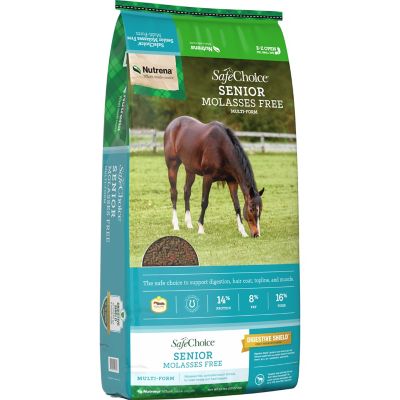
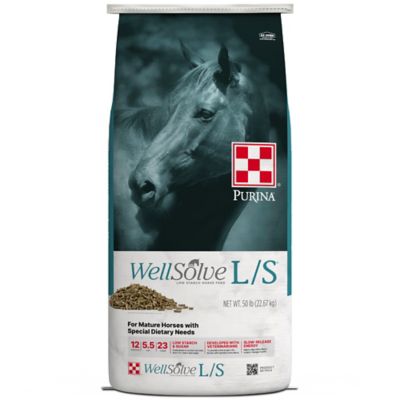
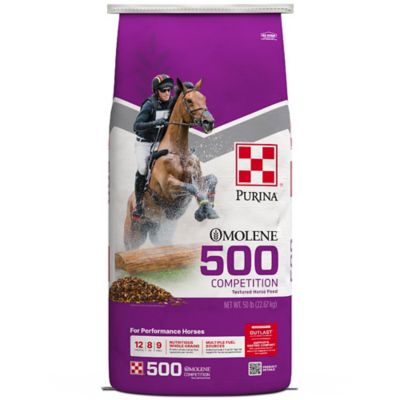
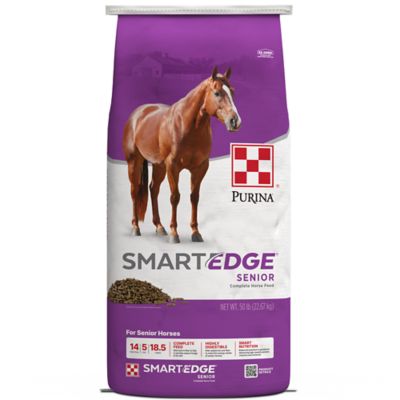
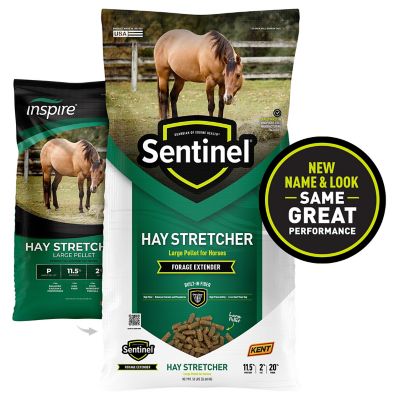
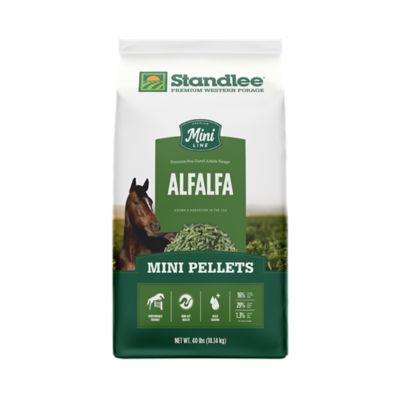
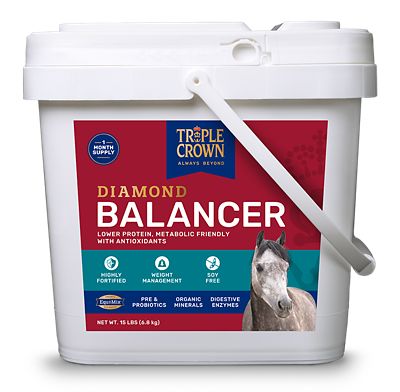
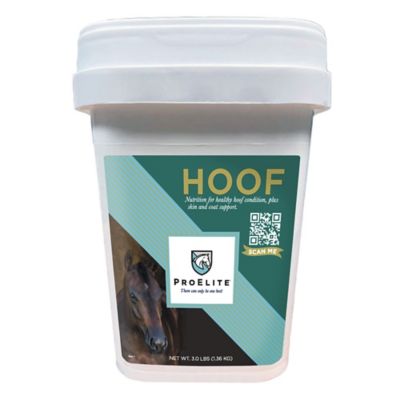
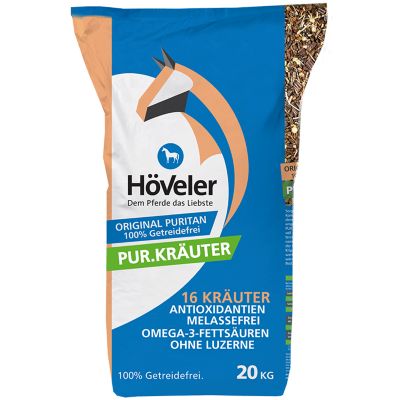
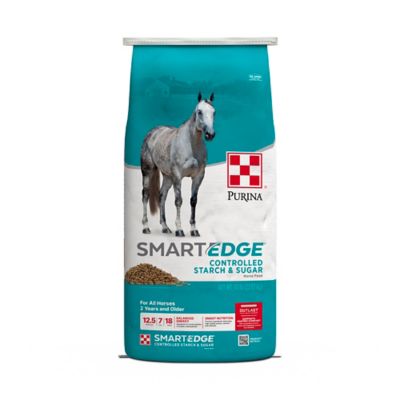
Extruded horse feeds bring a different texture to the feed tub, with expanded pieces made by cooking a blend of ingredients under heat, moisture, and pressure. As that blend passes through a die and pressure drops, it expands into nuggets that are generally lighter and more porous than conventional pellets. That airy structure is the defining feature of extrusion, but the ingredients inside still determine what a feed contributes to a horse’s daily ration. Depending on the formula, extruded feeds may contain grains, fiber sources such as beet pulp or soybean hulls, vegetable oils, protein sources, vitamins, and minerals. Cooking changes the structure of starch and can make it more accessible to digestive enzymes in the small intestine. It does not make every nutrient equally digestible, and it does not turn every extruded feed into a low-starch feed. For a horse owner comparing bags for a trail partner, a working ranch horse, or an older gelding, both the feed’s form and its nutritional purpose matter. Some formulas supply extra energy alongside hay or pasture, while others are designed as complete feeds that can replace part or all of the forage ration when fed according to their directions. An expanded nugget alone does not tell you which job the feed is meant to do. The label’s feeding directions, intended life stage, and guaranteed analysis help make that distinction. Texture offers another point of comparison: many extruded pieces break apart readily and absorb water to form a mash, though firmness, size, and soaking time vary by formula. Those differences can matter at a barn where one horse eats dry feed comfortably and another needs meals softened. Extrusion describes how the feed is made, rather than a single recipe, so this category can cover a range of energy levels, fiber contents, and feeding purposes.
The best fit for an extruded horse feed depends on the horse standing at the gate, not just the shape of what goes into the bucket. A mature horse taking easy rides around the property has different needs from one spending long days checking fences or working cattle. Growing horses, breeding animals, and horses in regular training also need formulas intended for their particular stage of life and workload. Protein supports tissue maintenance and development, but the percentage on the tag is only part of the picture; the amino acid balance matters, too. Fat can provide concentrated calories, while fiber ingredients contribute energy through fermentation in the hindgut. Vitamin and mineral fortification helps round out the ration when the feed is paired with appropriate forage and offered at the recommended amount. Feeding substantially less than the label calls for may leave gaps, even when the horse maintains its weight. For an easy keeper, a more concentrated source of vitamins, minerals, and protein may fit better than a calorie-dense ration fed by the handful. For a horse that struggles to hold condition, a formula with suitable energy density may help support weight maintenance without simply making each meal much larger. Senior horses deserve a closer look at chewing ability as well as body condition. An older horse dropping wads of hay along the stall floor needs a dental assessment, and a feed labeled for seniors is not automatically a complete forage replacement. Where chewing is limited, a suitable complete feed prepared as directed may offer a workable option with veterinary guidance. Horses with insulin dysregulation, laminitis concerns, or other metabolic conditions need particular attention to sugar and starch. The words “extruded” and “senior” do not establish those levels; manufacturer information about starch, sugar, and nonstructural carbohydrates helps a veterinarian or equine nutritionist assess the fit. The same care applies to horses prone to digestive trouble, since no processing method makes a feed appropriate for every animal.
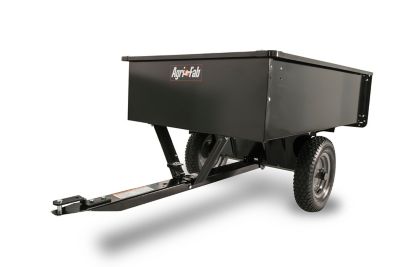
Everyday feeding habits help an extruded ration do its intended job, whether meals happen beside a small paddock or down a busy barn aisle. Because expanded pieces can weigh less per scoop than denser pellets or textured feeds, portions belong on a scale rather than being judged by bucket volume. A familiar scoop filled to the same line can deliver a different weight when the feed changes, which changes the calories and nutrients in the meal. Gradual transitions over about seven to ten days are commonly recommended, with more time when the horse’s needs or professional advice call for it. Smaller meals spread through the day generally suit a horse’s digestive system better than a large grain-based meal at once, and the manufacturer’s meal-size limits remain important. Forage stays central to most feeding programs unless a properly formulated complete ration is taking its place under an appropriate plan. Fresh drinking water and access to salt belong alongside that ration, including during cooler weather when frozen troughs or reduced drinking can complicate the routine. If soaking is recommended, follow the formula’s directions for water amount and standing time, and check that the entire portion has softened before serving. A porous nugget may take up water readily, but there is no single soaking time that fits every extruded feed. Wet meals need prompt feeding, and leftover mash should be cleared from tubs before it spoils. Dry feed also needs protection from moisture, rodents, and other animals. A clean, dry storage area, closed containers, and keeping the bag’s lot information make daily handling simpler and preserve traceability. Emptying and cleaning containers between batches helps prevent old crumbs from collecting beneath fresh feed. A
Horse Feed Cart can help move bags and feeding supplies along the barn aisle, while separate, clearly marked scoops help keep different rations straight. As pasture growth slows or workloads change, regular body-condition checks provide a better basis for ration adjustments than a heavy hair coat alone. The goal is a feed that fits the horse’s needs and a routine that stays practical from the first morning bucket to the last evening check.