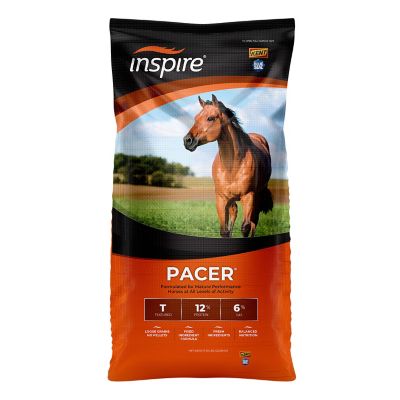
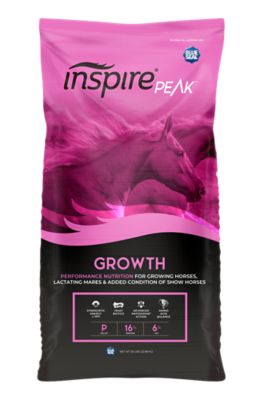
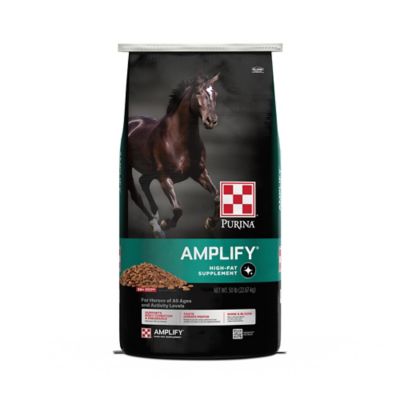
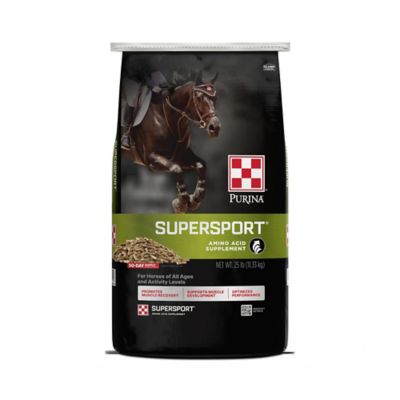
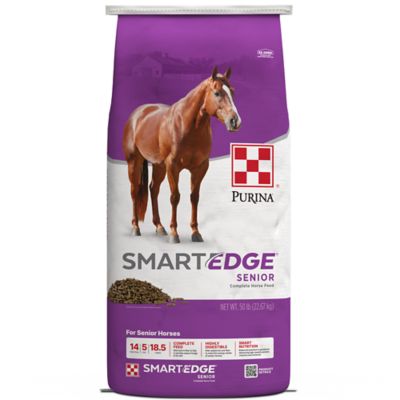
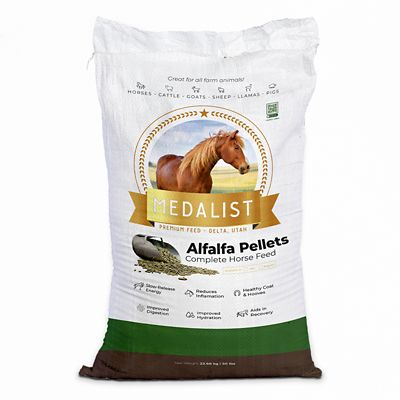
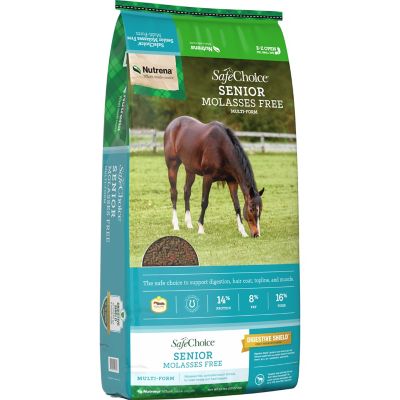
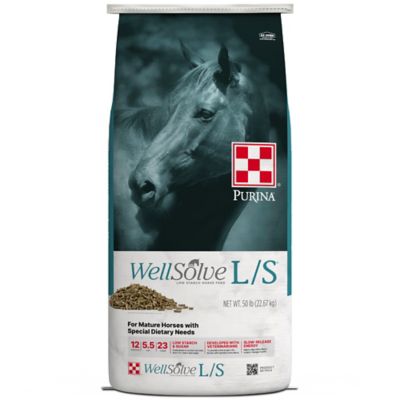
Complete horse feed combines fiber, energy, protein, vitamins, and minerals in a ration formulated to replace some or all of a horse’s hay or pasture when fed according to its label. Unlike a grain mix meant to accompany forage, a complete feed includes substantial fiber from ingredients such as beet pulp, soybean hulls, or alfalfa meal. That distinction matters when the hay rack stays full but an older gelding can no longer chew what’s in it, or when pasture alone cannot carry a horse through the cooler months. The word “complete” describes the feed’s nutritional role, not simply a long ingredient list, so the feeding directions should clearly explain whether the formula can serve as the sole ration. Fresh, clean water remains essential, and salt needs still deserve attention within the overall feeding plan. Complete feeds can suit senior horses, horses with missing or worn teeth, and horses whose access to suitable forage is limited. Some formulas also fit adult maintenance or working horses, depending on their labeled purpose and nutrient levels. Not every senior feed is a complete feed, and not every complete feed is intended for every life stage. A growing youngster, a nursing mare, and a retired pasture companion have different demands, even when they share a fence line. Matching the formula to the horse means looking beyond the name on the bag to its intended use, guaranteed analysis, calorie content, and feeding chart. For a horse that still chews hay comfortably, certain complete feeds can work alongside forage at the labeled amount. For one that drops half-chewed wads beneath the hay net, a forage-replacement ration may play a much larger role. Those different jobs explain why complete horse feed belongs in its own category rather than being treated as interchangeable with grain, a ration balancer, or a supplement. The right fit starts with what the horse can eat comfortably and what the full daily ration needs to provide.
The ingredients and physical form of complete horse feed help shape how it fits into everyday barn chores. Pelleted formulas bring finely processed ingredients together in a consistent form, while some feeds come in other textures that may affect chewing, sorting, and preparation. Beet pulp and soybean hulls supply fermentable fiber, and alfalfa can contribute fiber, protein, and calcium; the finished formula matters more than any single ingredient. Fat sources can add calories for horses that need help maintaining body condition, while protein supplies amino acids that support tissue maintenance. A higher crude protein number alone does not tell the whole story, especially for an older horse losing muscle along the topline. Energy intake, amino acid balance, dental condition, and underlying health all matter. Sugar and starch levels also deserve a closer look for horses with insulin concerns or a history of laminitis. “Complete” does not automatically mean low in sugar or starch, and a grain-free description does not settle that question either. When those numbers influence a feeding decision, manufacturer information and veterinary advice are more useful than assumptions based on the front of the bag. Texture matters just as much for a horse with chewing trouble. Some complete feeds can be soaked into a soft mash according to their directions, making them easier for a horse with limited dental function to manage. Soaking time and water amounts vary, and a mash should be prepared and served promptly rather than left sitting where it can spoil or freeze. A horse that coughs, struggles to swallow, or repeatedly drops feed needs veterinary attention, not just a different bucket texture. Across the broader range of
Horse Feed And Supplments, complete feeds serve a different purpose from products designed only to add selected nutrients. Extra vitamins or minerals are not automatically helpful when a complete ration already supplies them at the recommended feeding rate. Keeping the whole diet in view helps avoid doubling up on nutrients while overlooking the horse’s actual calorie or fiber needs.
Daily feeding amounts are another important difference between complete horse feed and a small serving of concentrate. When a formula replaces hay entirely, the daily portion can be considerably larger than the grain ration a horse previously received. The amount depends on body weight, workload, body condition, and the particular feed, so a scoop count carried over from another ration can miss the mark. Weighing feed gives a clearer measure than judging by volume because pellets and textured feeds do not necessarily weigh the same in a scoop. Feeding below the labeled amount may leave gaps in nutrition, while adding a full ration on top of plentiful hay may supply more calories than an easy keeper needs. Larger daily amounts generally call for several smaller meals, with the label and a veterinarian or equine nutritionist helping determine a suitable schedule. That can be an important practical consideration for a boarding barn, a small acreage with two horses, or a household where feeding chores happen before and after work. Changes belong on a gradual schedule rather than happening all at once, giving the horse’s digestive system time to adjust. Regular checks of weight, body condition, appetite, and manure help show how the ration is working; a thick winter coat can hide weight loss that becomes apparent when a hand runs over the ribs. Even when nutritional fiber comes from a bag, horses still benefit from turnout, movement, and an appropriate feeding routine. Long-stem forage can remain part of the diet when the horse can safely chew it and the feeding plan allows. Feed care matters back in the tack room, too: bags belong in a dry, pest-protected space, and storage containers should stay clean, with label and lot information kept for reference. Damp, moldy, or otherwise spoiled feed should not reach the bucket. From the retired trail horse at the gate to the working horse coming in at dusk, complete feed is about matching nutrition, texture, and feeding routine to the animal in front of you.