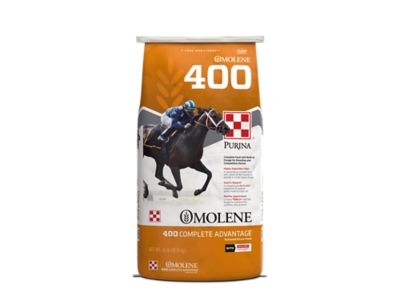
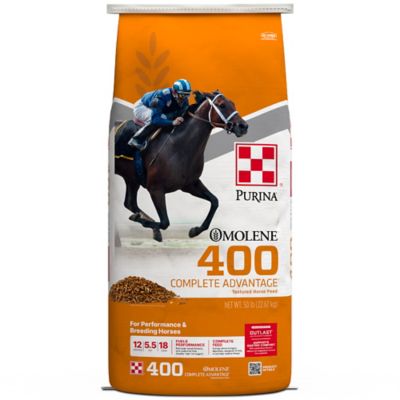
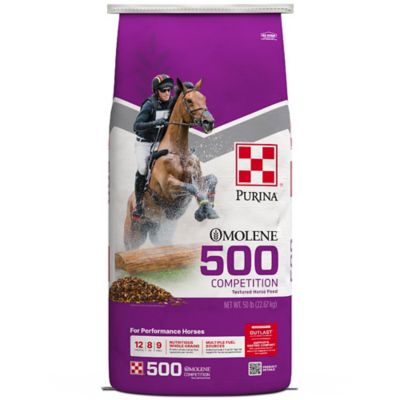
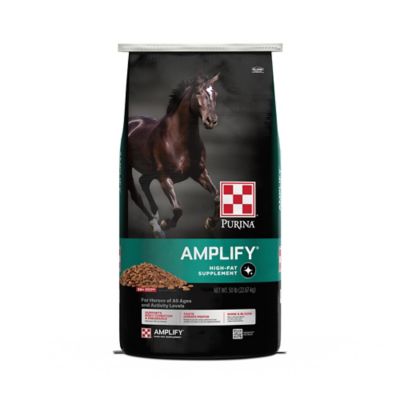
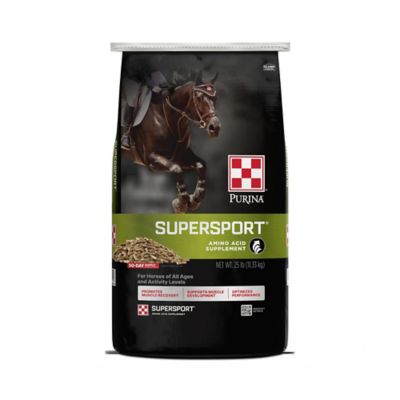
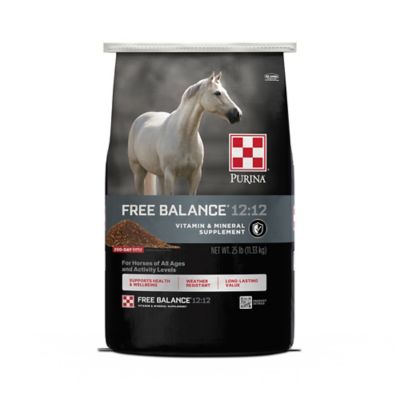
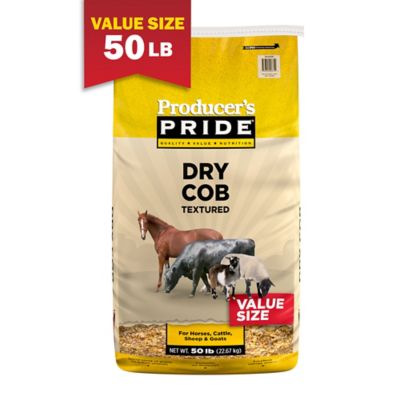
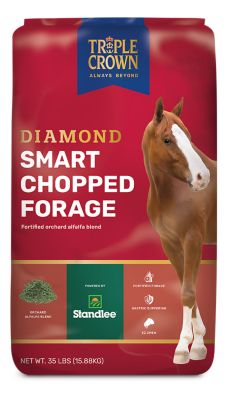
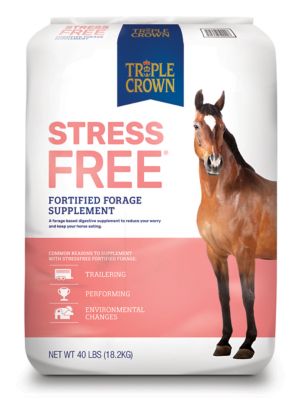
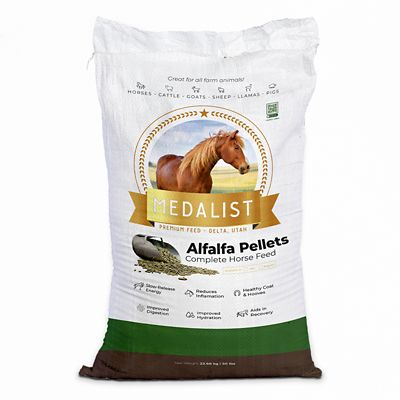
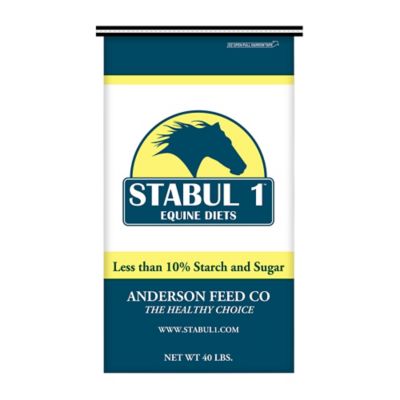
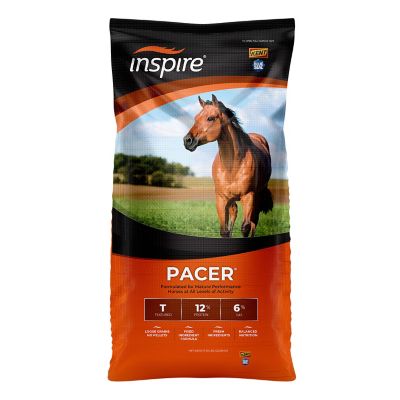
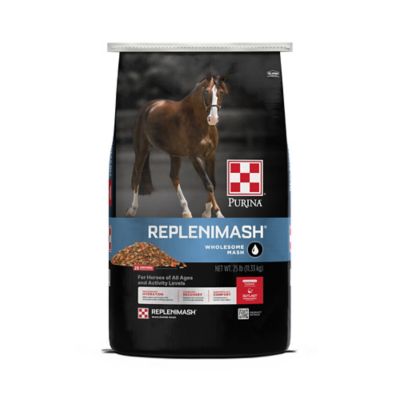
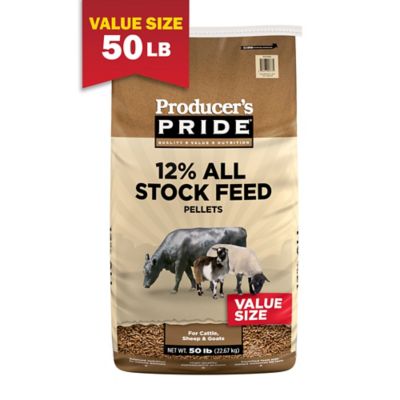
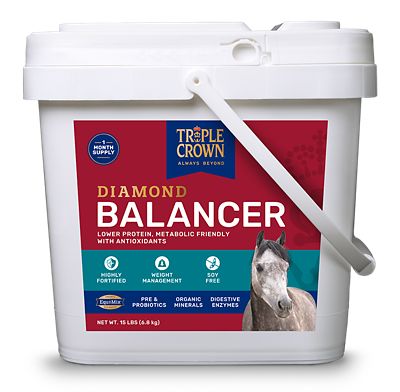
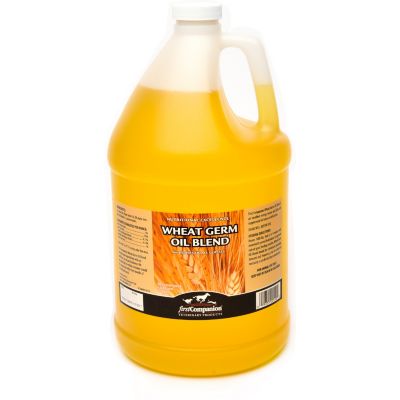
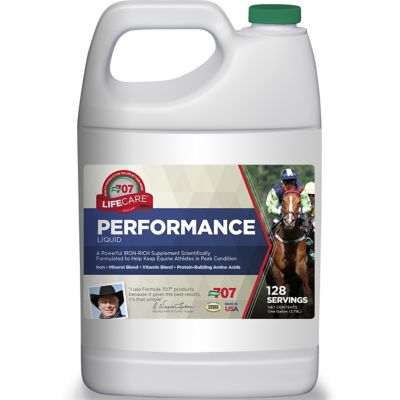
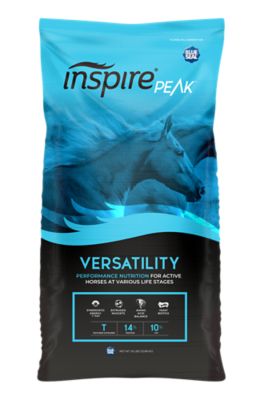
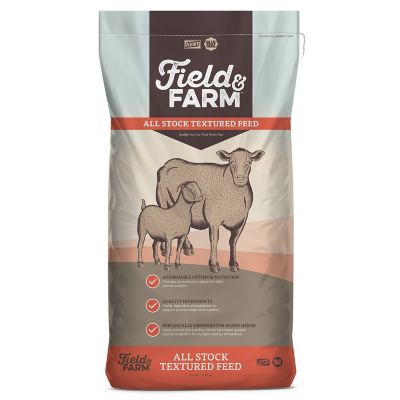
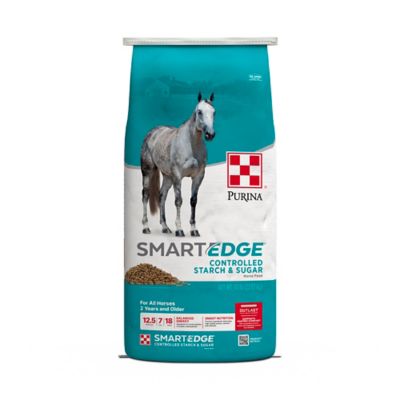
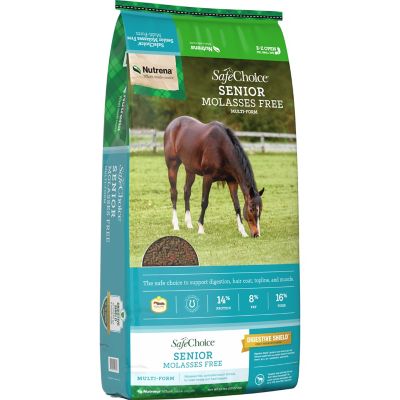
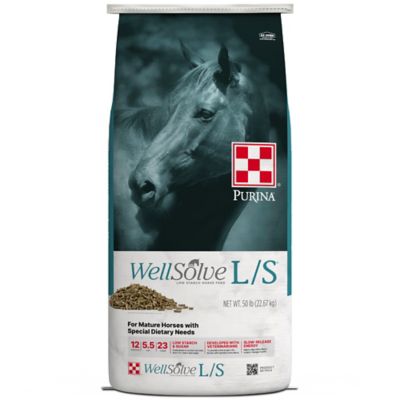
Total horse feed belongs in the bigger picture of a horse’s daily ration, alongside hay or pasture, fresh water, and salt. A well-matched feed supplies nutrients that support body condition, muscle maintenance, and everyday activity, whether the horse spends its days checking fence lines, carrying a rider down wooded trails, or grazing close to the barn. The right fit depends on more than the name on the bag. Age, body weight, workload, forage intake, and dental condition all shape what belongs in the feed tub. Horse feeds may contain ingredients such as alfalfa, grain, beet pulp, vegetable oils, vitamins, and minerals, with each ingredient serving a nutritional purpose. Alfalfa contributes fiber, protein, and calcium, while other fiber sources can help supply energy without relying entirely on grain. Added fat provides concentrated calories, and amino acids such as lysine help support the development and maintenance of body tissues. Pelleted feeds bring ingredients together in compact pieces, while extruded feeds go through a cooking process involving heat, moisture, and pressure. Extrusion changes the feed’s structure and can improve the digestibility of some ingredients, although the finished formula and the horse’s needs matter more than processing alone. Texture, aroma, and ease of chewing can also influence how readily a horse takes to a ration. A consistent formula can make daily feeding more predictable, but the guaranteed analysis, ingredient list, and feeding directions remain the best starting points for understanding what a feed supplies. The word “complete” also deserves a close look: some complete feeds can replace part or all of the forage when fed as directed, while other feeds must accompany adequate hay or pasture. No feed should be assumed to replace roughage simply because it offers a broad range of nutrients. For most horses, forage remains the foundation that keeps chewing time and fiber intake central to the day.
Different horses can share a fence line without sharing the same nutritional needs. A mature horse taking an occasional trail ride may maintain its condition on good forage and a modest amount of an appropriate feed, while a horse working long hours may need more calories to hold its weight. Growing horses need carefully balanced protein, minerals, and energy to support development rather than simply a larger scoop of an adult ration. Broodmares have changing requirements during pregnancy and lactation, and older horses may need a feed that accounts for worn teeth, reduced chewing ability, or trouble maintaining condition. Some senior formulas provide substantial fiber and are intended to become a larger portion of the ration, but their directions determine whether additional forage is necessary. Easy keepers present a different challenge: enough vitamins, minerals, and amino acids without more calories than their bodies need. A ration balancer or another concentrated nutritional option may suit that situation better than cutting a fortified feed below its recommended serving, which can leave nutrient gaps. Horses with insulin concerns, a history of laminitis, or other metabolic conditions need a feeding plan developed with a veterinarian or equine nutritionist. Starch and sugar levels matter for these horses, but a “low starch” description alone does not establish whether a feed suits an individual animal. The hay and pasture portion of the diet matters, too. Feeding directions also need to match the animal named on the label; a formula intended for horses is not automatically the right choice for every mule or donkey. Those keeping several equines often benefit from separate feeding spaces so a slow eater gets its ration without a pushy pasture mate cleaning up both tubs. Changes in weight, appetite, topline, or manure can signal that the full ration deserves another look. Healthy hoof growth and coat condition depend on balanced nutrition over time, along with routine farrier care, parasite management, and attention to underlying health concerns.
A sound feeding routine makes the most of whatever formula fits the horse. Feed amounts belong on a scale rather than being judged by scoop size, because a scoop of one texture can weigh quite differently from a scoop of another. The daily amount also depends on body weight, activity, and the directions for that particular formula; there is no single serving that fits every horse feed. Dividing the ration into smaller meals helps avoid one large concentrate meal, especially for horses needing substantial daily calories. New feed generally needs a gradual introduction over several days, often a week or longer, with the old ration reduced as the new one increases. Horses with digestive or medical concerns may need a slower transition under veterinary guidance. Around the barn, practical details count: a clean tub, a steady schedule, and a feeding area where each horse can eat without being crowded. Feed bags belong in a cool, dry space protected from rodents and moisture, preferably inside clean, covered containers with the original label and lot information kept handy. Leftover crumbs and dust should be cleared out before another bag goes into the bin, and feed showing mold, an off smell, or signs of spoilage should not go into the trough. If a feed is suitable for soaking, the label’s directions help determine preparation, and damp leftovers need prompt removal to limit spoilage. During the cooler months, fading pasture and changes in hay can shift a horse’s calorie intake even when the scoop stays the same. Cold weather may increase energy needs, especially for horses living outdoors, while access to unfrozen drinking water remains essential. Hands-on body condition checks beneath a thick coat can catch weight changes that are easy to miss from across the paddock. The broader
Horse Feed And Supplments category brings feed and supplemental nutrition into the same conversation, with any added supplement evaluated against what the full ration already supplies. A balanced feeding program keeps the focus on the individual horse, from the first mouthful of hay to the last bite in the evening bucket.