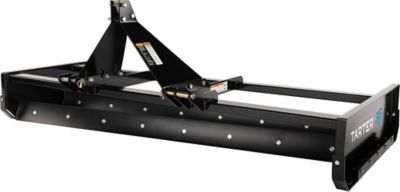
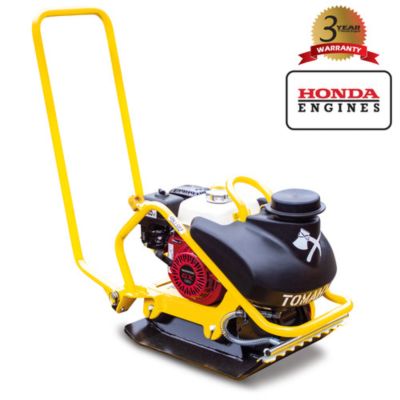
Equipment for paving covers the machinery and tools that prepare a base, place surfacing material, and compact it into a firm, even surface. The right setup depends on whether the work involves asphalt, poured concrete, or interlocking brick and stone pavers, along with the size and layout of the job. A long farm entrance has different access and production needs than a walkway beside a house or a loading area outside a shop. Across those settings, surface preparation matters as much as the finished layer. Milling machines, also called cold planers, remove worn asphalt and leave a textured surface for the next stage of work. Power brooms and sweepers clear loose material, while motor graders shape aggregate bases to the planned elevation and slope. On smaller sites, compact grading equipment and hand tools handle tight corners and edges that larger machines cannot reach. Base preparation equipment needs to match the soil or aggregate underneath the pavement. Vibratory plates generally suit granular materials, while cohesive soils may call for different compaction equipment and a job-specific approach. Working width, operating weight, vibration characteristics, and clearance all affect how a machine fits the site. There is little benefit in a wide working path if the equipment cannot pass through a gate or maneuver between a fence and a building. For property owners, grounds crews, landscapers, and paving contractors, those practical dimensions help separate equipment intended for broad, open areas from equipment built for confined spaces. A properly shaped base also supports drainage, keeping the finished surface from directing runoff toward a barn doorway or garage threshold. Levels, measuring equipment, and layout tools support that work by helping establish consistent grades and edges. Whether the finished pavement carries pickups, livestock trailers, foot traffic, or heavier equipment, its foundation needs to reflect those loads. The surface material alone cannot make up for soft spots or an uneven base, which is why preparation and compaction equipment belong in the same conversation as the machines that lay the pavement.
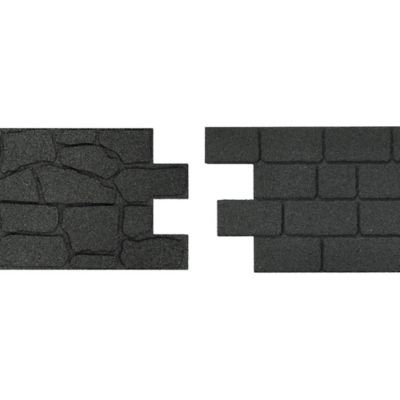
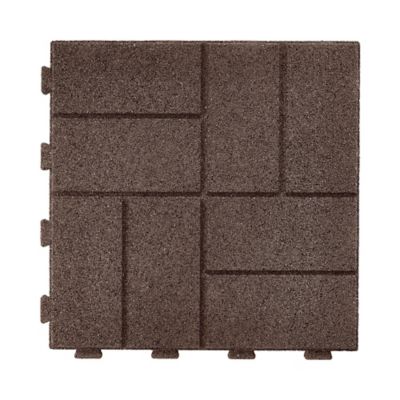
Asphalt paving equipment centers on controlled material placement and compaction. An asphalt paver receives mix in a hopper, moves it toward the rear through conveyors, and distributes it across the paving width with augers. A floating screed establishes the mat’s initial profile and thickness while providing initial compaction. Tracked and wheeled configurations serve different operating needs: tracks generally provide traction and flotation, while wheeled machines can offer mobility on firm surfaces. Neither configuration replaces the need for a properly prepared supporting base. Larger paving operations may also involve material transfer vehicles, which help maintain a steady supply of asphalt and reduce interruptions between truck deliveries. Tack sprayers apply a bonding emulsion where specified between pavement layers; application control matters because excess material and missed areas can both affect the bond. Steel-drum rollers compact asphalt through static weight, vibration, or a combination of the two, depending on the machine and the paving specifications. Pneumatic-tire rollers apply pressure through multiple rubber tires, creating a kneading action that suits certain asphalt mixes and rolling plans. Smaller compaction equipment reaches edges, patches, and other areas beyond a full-size roller’s working path. Concrete paving calls for a different set of functions, including placing, consolidating, screeding, and finishing the material. Interlocking paver installations depend on a prepared aggregate base, an even bedding layer, suitable cutting equipment, and compaction methods approved for the paving units. Protective mats or specialized paver rollers can help limit surface marking when the equipment and paving material are compatible. Cutting work also brings material-specific demands: concrete, clay brick, and natural stone do not all respond the same way to a blade or cutting method. Blade ratings, cutting depth, water-delivery provisions, and dust-control compatibility matter alongside the machine’s power source. For a crew working around drains, posts, and curved borders, maneuverability and edge access can be every bit as important as output across an open stretch. Matching these functions to the paving material keeps equipment selection grounded in the actual work rather than machine size alone.
Construction, fit, and upkeep shape how paving equipment performs over repeated jobs. Steel working surfaces, reinforced frames, and abrasion-resistant contact parts face constant rubbing from stone, sand, and pavement, so wear resistance deserves close attention. Replaceable wear plates, accessible grease points, serviceable bearings, and guarded moving parts can make routine care more manageable. For attachments, fit means more than matching a mounting plate: carrier weight, hydraulic flow, operating pressure, hose connections, and lift capacity must fall within the equipment manufacturer’s requirements. For walk-behind machines, handle height, grip position, vibration isolation, and control placement influence operator comfort during repeated passes along a driveway or building apron. Machine weight also affects transport, unloading, and storage. A compactor that suits the paving job still needs a suitable trailer or vehicle, properly rated loading equipment, and secure tie-down points. Engine-powered equipment brings fuel, oil, filtration, and ventilation needs, while electric equipment requires a compatible power supply and attention to cord routing or battery specifications. Routine care typically includes removing buildup through approved cleaning methods, checking fasteners and guards, inspecting belts and hoses, and servicing filters and fluids at the stated intervals. Asphalt residue, abrasive dust, and trapped aggregate can interfere with operation when left around working components. Water systems and dust-control equipment need attention too, especially where cutting or grinding can release respirable crystalline silica. Eye and hearing protection, appropriate footwear, and exposure controls belong alongside machine selection, with respiratory protection determined by the task and applicable requirements. Keeping people clear of moving equipment matters on a home project just as it does around a working farmyard. For ongoing care of paved access routes,
Equipment For Snow covers another part of property maintenance, where attachment fit and contact with the finished surface remain important. From a narrow paver path to a heavily traveled entrance, well-matched paving equipment supports the work at hand: preparing a sound base, placing the chosen material evenly, and achieving the specified finish without overlooking access, handling, or maintenance.