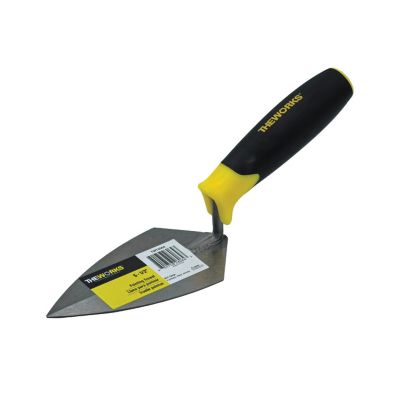
Tools for brick laying handle four main jobs: moving mortar, shaping brick, keeping courses straight, and finishing joints. The core categories include brick trowels, pointing and margin trowels, masonry hammers and chisels, levels, mason’s line, jointers, and masonry brushes. A working mason putting up a long wall and a property owner repairing a short stretch of brickwork need many of the same functions, though blade size, reach, and the amount of work can differ. Mortar tools deserve particular attention because they stay in the hand through much of the job. A brick trowel carries and spreads mortar along the bed beneath each course, while its edge helps trim mortar that squeezes past the face. Broader blades carry more mortar; narrower blades offer easier access around corners and smaller spaces. A pointing trowel has a smaller, tapered blade suited to filling mortar joints in confined areas. A margin trowel has a narrow, rectangular blade that reaches into mixing containers and handles small amounts of mortar without the spread of a full-size brick trowel. Blade material affects both handling and upkeep. Carbon steel needs attention to cleaning and dry storage to limit rust, while stainless steel provides greater resistance to corrosion. Neither material takes the place of a blade that feels right for the task. Stiffness matters when lifting mortar, while blade flex affects the feel of spreading and trimming. Handle shape, grip texture, and balance also make a difference over repeated scooping motions. A handle that sits comfortably in a gloved hand, without crowding the knuckles against the work, can be easier to manage through a full round of repairs. For brick edging along a farm lane, a small entry wall, or patching around an outbuilding, matching the tool’s size to the working room often matters more than choosing the biggest blade.
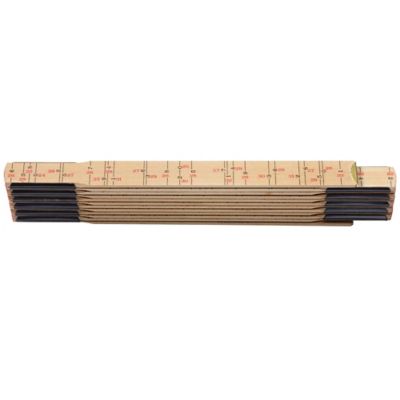
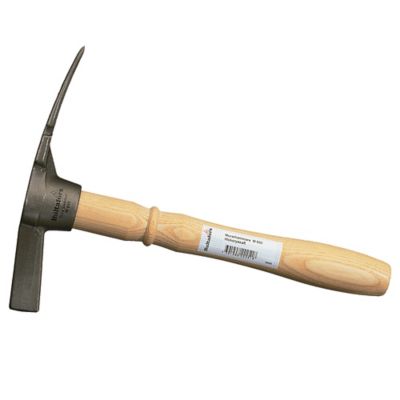
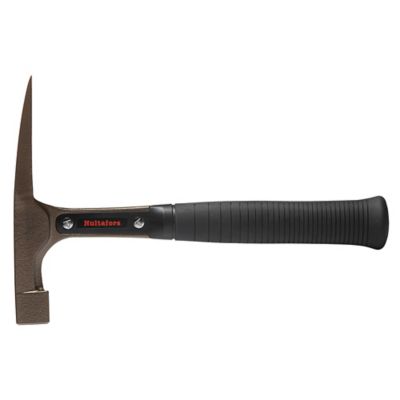
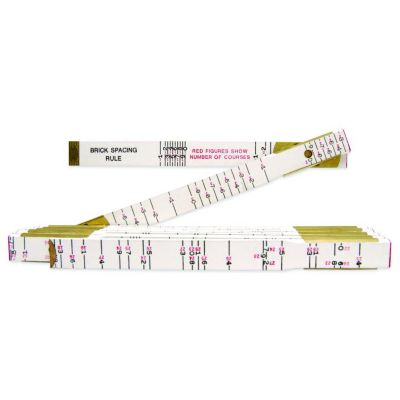
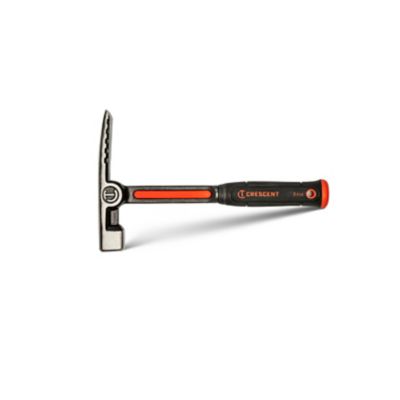
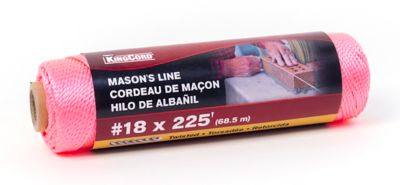
Straight courses and consistent joint spacing call for layout tools that suit the length and shape of the job. Mason’s line provides a visible reference along a course, with line blocks, pins, or other suitable supports holding it in position. Line that resists stretching and stands out against the brick is easier to follow across a longer run. A spirit level checks horizontal level and vertical plumb, two different measurements that matter at corners, wall ends, and openings. Longer levels span more of the brickwork, while shorter levels fit into places where a longer frame gets in the way. Sturdy frames, clearly readable vials, and measuring surfaces free of mortar buildup all matter in everyday handling. Measuring tapes, mason’s rules, and story poles support consistent course heights and help keep openings and returns in proportion. These tools work alongside one another rather than replacing one another: a straight string line alone does not establish that a wall is plumb. Shaping tools serve another part of the work. A masonry hammer offers a striking face and a cutting end for trimming or splitting suitable brick, while a wide brick bolster concentrates a blow along a broader edge. Brick composition affects how cleanly a piece splits, and some cuts call for masonry-rated cutting equipment instead of hand tools. For finishing, jointers compress and shape mortar joints, with different profiles producing different finished appearances. The working width should suit the joint rather than scrape across the surrounding brick faces. Joint rakers help recess mortar where the job calls for that profile or prepare suitable joints for further attention. Pointing tools reach small gaps around corners and edges where a larger blade feels clumsy. Masonry brushes clear loose crumbs and surface particles, but bristle stiffness matters: a brush that is too aggressive can mark the mortar or the brick. Together, these categories cover the small adjustments that make a wall look even from the gate as well as up close.
The best-fitting bricklaying tool setup also accounts for mortar handling, cleanup, protection, and storage. Mixing tubs, buckets, and mortar boards provide places to mix, carry, or hold workable mortar, with capacity and portability matched to the size of the job. A large container may suit a longer run of masonry, but a smaller one can be easier to manage around steps, narrow paths, and existing plantings. Smooth interior surfaces make residue easier to remove before it hardens. The same care applies to trowel blades, jointers, and level frames: hardened mortar can interfere with working edges, grip, and measuring surfaces. Cleaning methods should suit the tool material, especially around coated handles and level vials. Dry storage, protection for sharp edges, and a suitable protective treatment on rust-prone steel help extend service life. Handles with cracks, loose connections, or worn gripping surfaces deserve attention before the next job. Eye protection matters when striking or splitting masonry, and work gloves need enough dexterity for handling line, small tools, and rough brick edges. Cutting, grinding, and drilling masonry can generate respirable crystalline silica, making task-appropriate dust controls and respiratory protection important considerations beyond ordinary cleanup. Kneeling support can also make low brick borders and ground-level repairs less taxing. For repair work on older buildings, the condition of the brick and compatibility of the mortar matter just as much as the tools; structural cracks or movement call for an assessment rather than a surface touch-up alone. Property owners tackling several exterior projects may also find a related tool category in
Tools For Siding Installation, where layout and fastening needs differ from masonry work. Whether the task is maintaining a brick entrance, rebuilding a short border, or supporting regular masonry work around the property, a sensible selection centers on comfortable handling, clear measurements, suitable working edges, and equipment that cleans up without a fight.