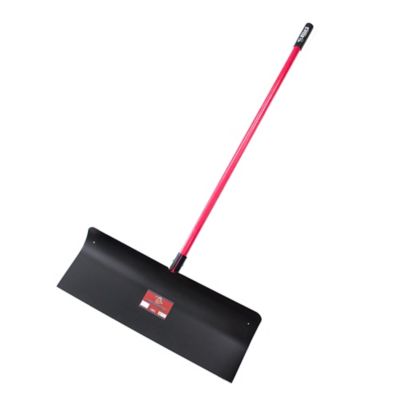
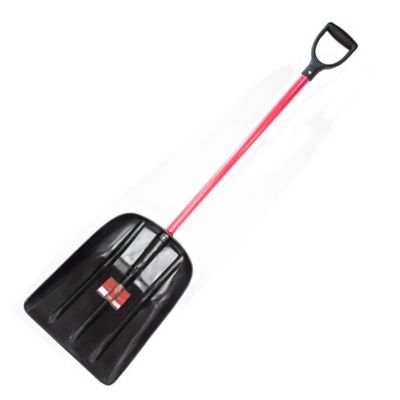
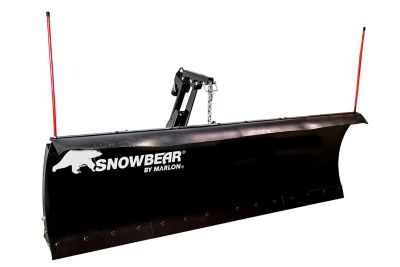
Equipment for snow helps keep everyday work moving when winter weather covers driveways, walks, porches, barns, and trails. For light accumulation on smaller, level areas, a sturdy shovel or wide push-style tool gives you a simple way to clear paths without fuel, batteries, or engine maintenance. Look for a handle that feels comfortable in your grip, a blade made for cold-weather use, and a shape that lets you push snow instead of lifting every load. A curved shaft, broad scoop, or ergonomic grip can make a noticeable difference when you are clearing a long sidewalk or opening a path from the house to the shed. You can browse
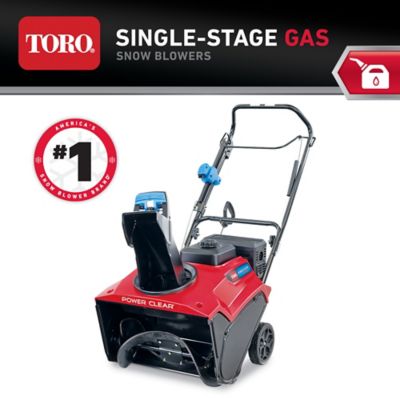
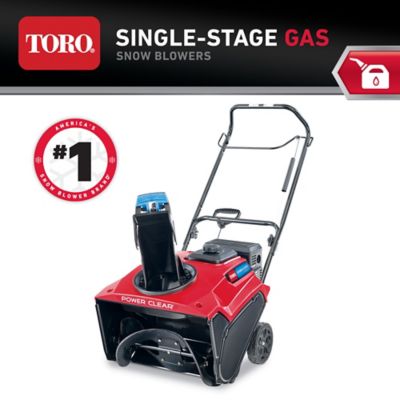
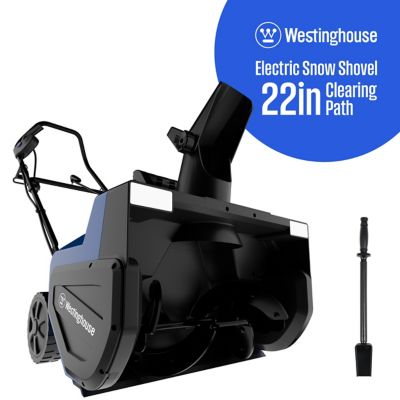
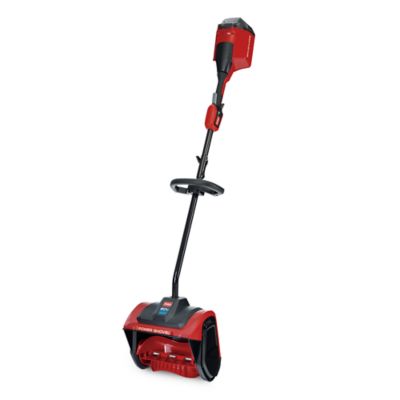
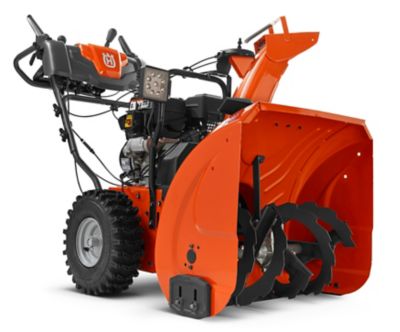
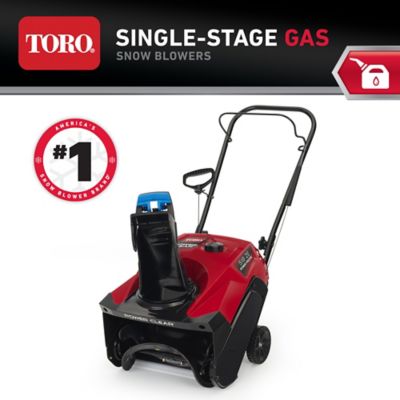
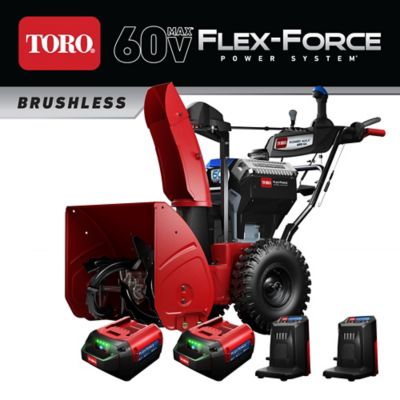
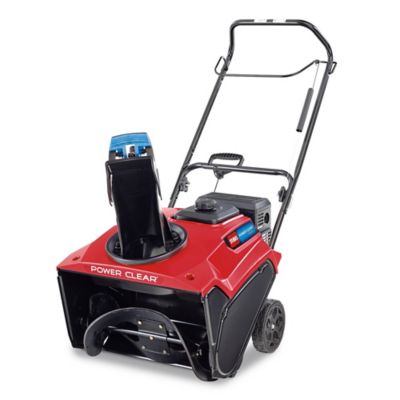
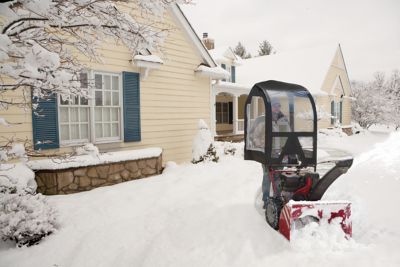
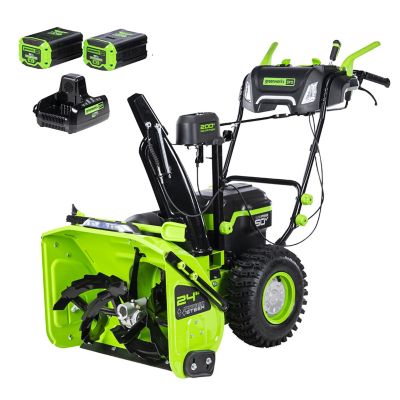
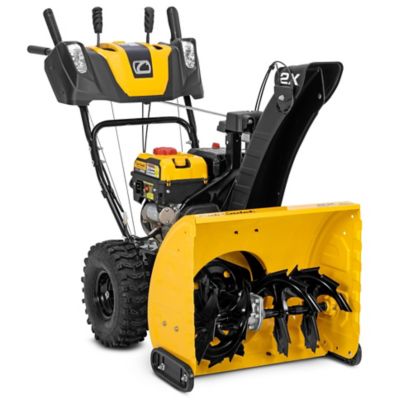
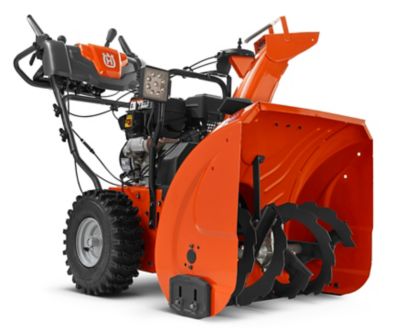
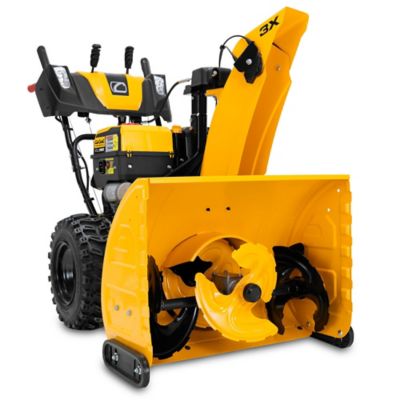
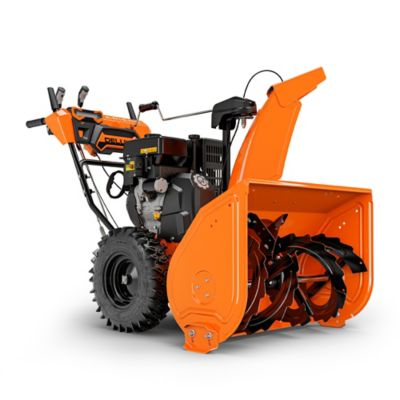
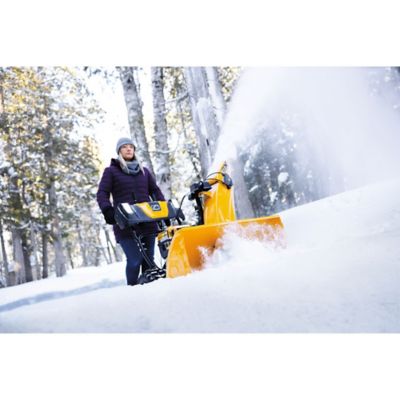
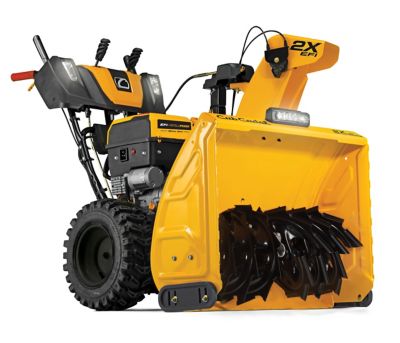
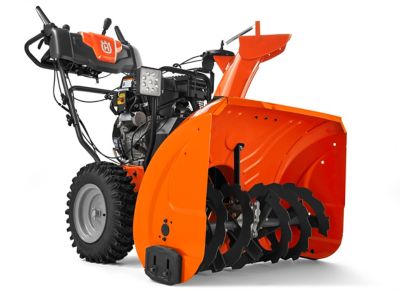
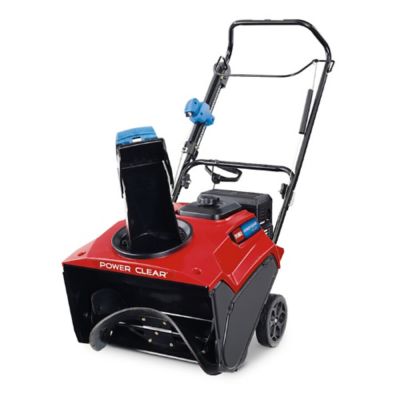
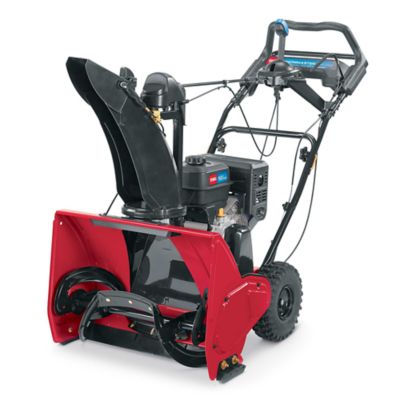
Snow Shovels for practical tools suited to steps, walkways, vehicles, and smaller areas. For larger driveways and heavier snowfall, snow blowers can save time and take much of the strain off your back. Single-stage models are generally a good fit for lighter to medium snow on fairly even surfaces, while two-stage machines are built for deeper, heavier accumulations and larger areas. A two-stage design uses one mechanism to gather snow and another to discharge it, making it useful when banks build up along a lane or plowed snow becomes packed near the end of a driveway. Before choosing equipment, consider the average size of the area, the type of surface, available storage, and how far snow needs to be thrown. Gravel drives may call for adjustable clearing height, while paved walks and concrete pads may benefit from a closer, cleaner pass. Electric equipment can be convenient for routine clearing, especially when quiet operation and easy starting matter; gas-powered equipment may suit bigger properties where long run times and extra clearing power are priorities.
The right equipment for snow depends as much on the person using it as on the weather. Homeowners may need a compact solution for a short drive and front walk, while landowners, farmers, and rural property managers often need dependable tools for long lanes, gates, livestock areas, and outbuildings. A shovel kept by the back door can handle fresh flakes before they harden, and a second one in a truck, mudroom, or barn means you are not carrying the same tool across the property every time a storm rolls through. For broad spaces, think about clearing width, discharge distance, chute controls, traction, and the amount of pushing or lifting involved. Self-propelled equipment can be easier to manage on slopes and long runs, while larger tires and sturdy construction help with uneven ground. Battery-powered options should be matched with the expected runtime and the availability of charged batteries in an unheated garage or shed. It is also smart to account for storage space and maintenance before the weather turns cold. A machine that is easy to drain, clean, cover, and move into place is more likely to be ready when snow arrives. Keep fuel, extension cords, batteries, and replacement wear parts organized with the rest of your seasonal gear, and follow the manufacturer’s safety directions whenever you clear packed snow or ice. Never use your hands to remove a clog from powered equipment, and give yourself room around fences, vehicles, pets, and livestock. For many households, snow equipment makes a useful gift for a new homeowner, a family member with a long driveway, or someone settling into a rural property where winter chores cover more ground.
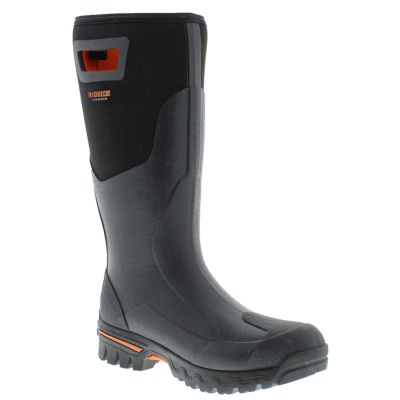
Snow equipment can also mean gear for enjoying frozen trails rather than clearing them. Snowshoes spread a person’s weight across a wider frame, helping prevent deep sinking when walking through fresh snow in fields, wooded paths, and open backcountry. When comparing snowshoes, pay attention to weight ratings that include clothing and a daypack, binding security, frame size, traction underfoot, and how easily the bindings adjust with gloves on. Smaller frames are often easier to maneuver in packed woods, while larger frames can provide better flotation in deep, soft snow. Trekking poles add balance on hills, packed trails, and uneven ground, with adjustable lengths allowing a more comfortable fit for different heights and terrain. Some snow gear is sold as coordinated sets with poles and carrying storage, which can be a thoughtful gift for a person who enjoys hiking, camping, hunting, photography, or quiet walks through winter woods. Beginners may appreciate equipment that is straightforward to adjust and easy to carry, while experienced users often look for lighter materials, stronger traction, and features suited to longer outings. Warm layers, waterproof boots, gloves, and eye protection round out the setup, but the equipment itself should match the trail conditions and the user’s experience. Whether the goal is opening a safe route across the property after a storm or spending a crisp afternoon exploring snow-covered ground, choosing equipment based on terrain, snow depth, physical comfort, and storage needs helps make cold-weather work and recreation more manageable.