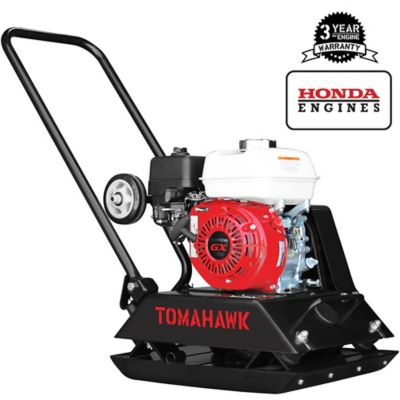
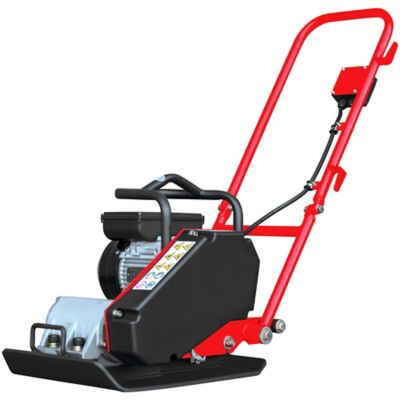
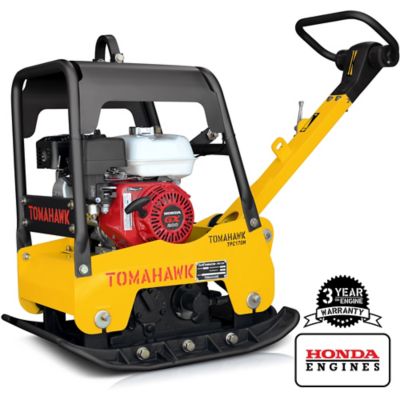
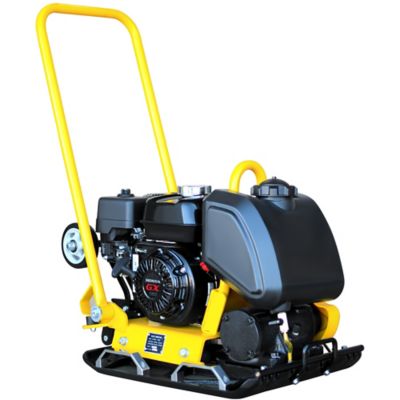
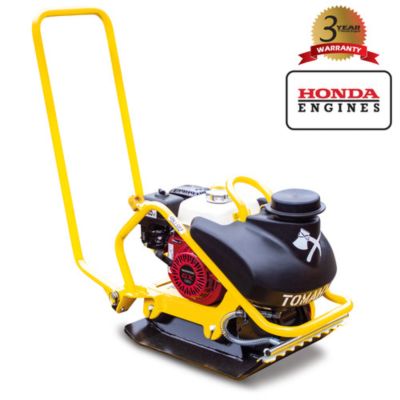
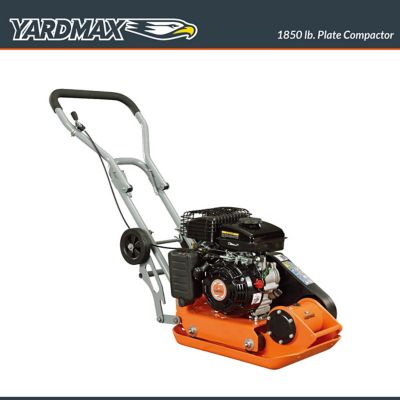
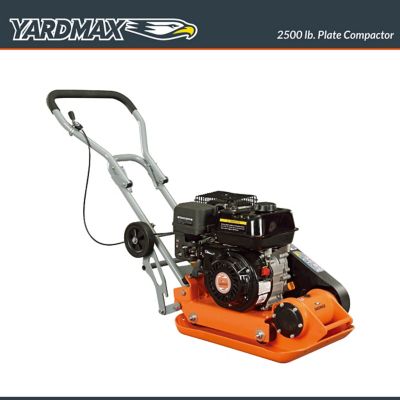
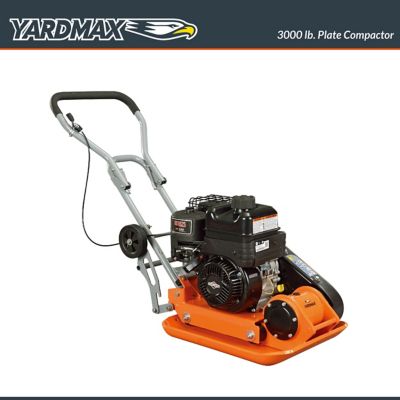
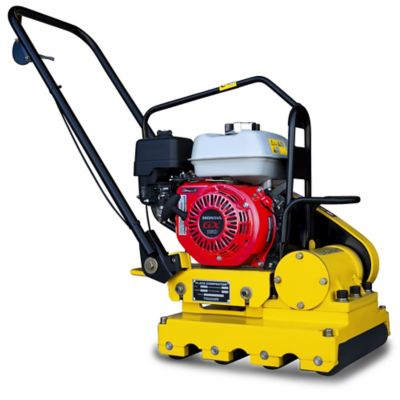
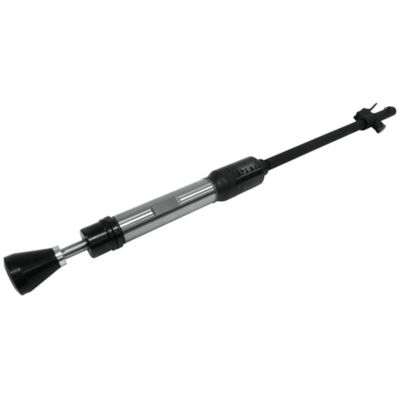
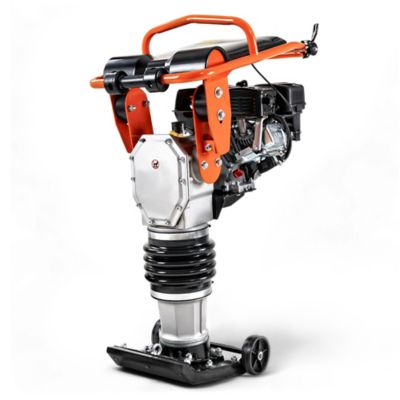
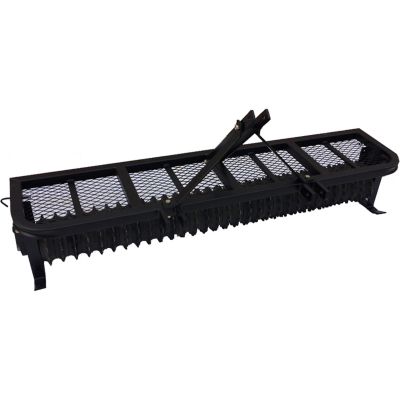
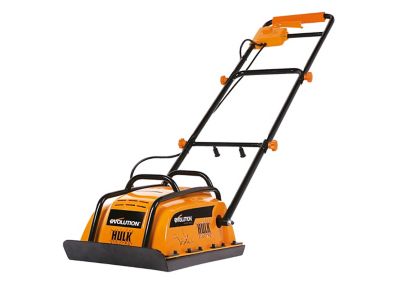
When you’re gearing up to tackle a new project around the homestead or jobsite, having the right equipment makes all the difference—especially when it comes to laying a solid foundation. Stone compactors are the unsung heroes of landscaping and construction, trusted by folks who want their driveways, patios, walkways, or barn pads to last for years without settling or shifting. Whether you’re a seasoned contractor or a DIYer with a knack for weekend projects, a reliable stone plate compactor can save you time and backache by packing down soil, gravel, sand, or paver bases until they’re rock solid. As the weather warms and outdoor projects pick up, you’ll see these machines in action everywhere from new builds to backyard makeovers. They’re essential for prepping ground before pouring concrete, laying pavers, or even just fixing up that gravel drive after a muddy spring. With different types like vibrating compactors, gravel compactors, and stone tampers, there’s a tool suited for just about any job—big or small.
If you’re thinking about adding a stone compactor to your lineup, there are a few things to keep in mind before making your pick. Start with the size and scope of your project. For most residential work—like tamping down a new patio or prepping a shed pad—a walk-behind vibrating compactor is usually the right call. These units use high-frequency vibrations to squeeze the air out of soil or gravel, leaving you with a dense, stable surface that’s ready for whatever you throw at it. Folks working with decorative stone or delicate pavers might lean toward a compactor with a smooth plate or even a paver roller to avoid cracking or scratching their hard-earned handiwork. On the other hand, if you’re dealing with deep trenches or sticky clay, a heavier-duty rammer or jumping jack can drive that material down with serious force. For many rural families, these tools don’t just help with new projects—they’re handy for maintenance, too, like tamping down potholes in the drive before the fall rains set in or smoothing out barn floors after a busy season. And if you’ve got a neighbor who’s always dreaming up their next project, a stone tamper or plate compactor makes a practical and thoughtful gift that’ll see a lot of use year after year.
No matter if you’re working solo or with a crew, safety and convenience matter. Make sure you’re picking a compactor that matches your comfort level and the terrain you’re working on. Look for features that make the job easier, like easy-start engines, comfortable handles, and sturdy construction that can stand up to tough conditions. If you’re only tackling a one-time project, renting might be a smart move, but for ongoing work, owning your own compactor can save time and hassle in the long run. For those looking to compare different options or learn more about what sets each type apart, check out our selection of
Walk Behind Compactors to find the right fit for your next job. With the right stone compactor in your arsenal, you’ll be ready to take on whatever the season brings—whether it’s laying a new path, fixing up the barn lot, or just keeping the homestead running smooth.