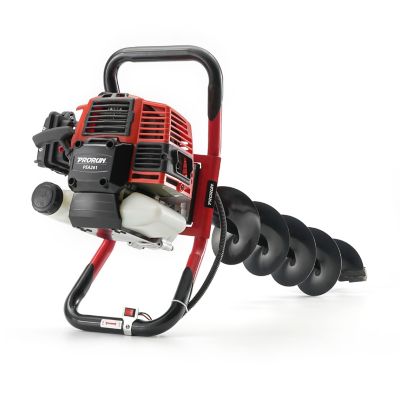
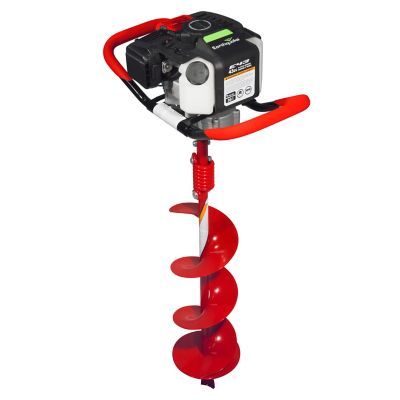
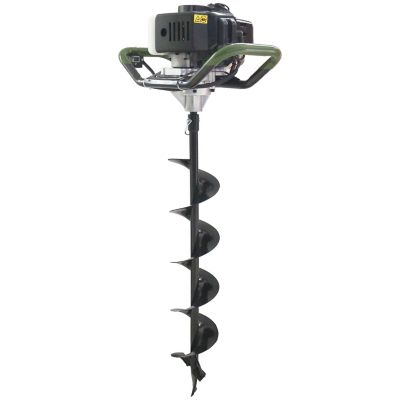
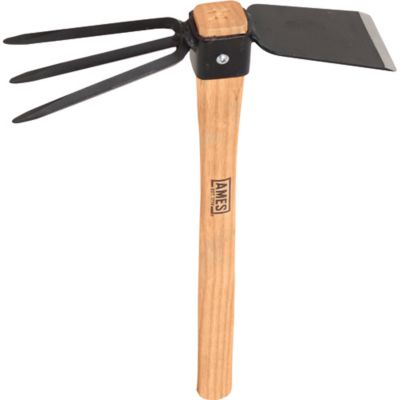
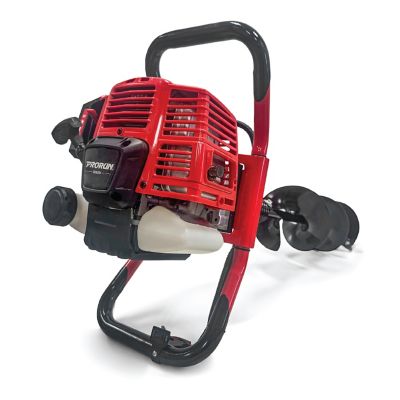
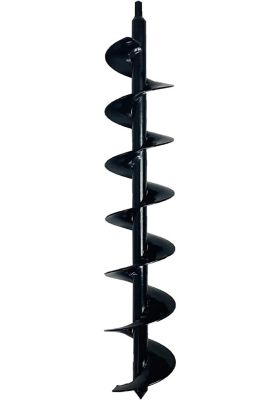
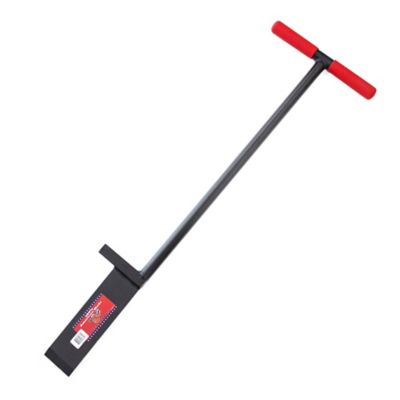
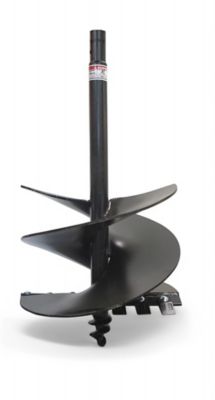
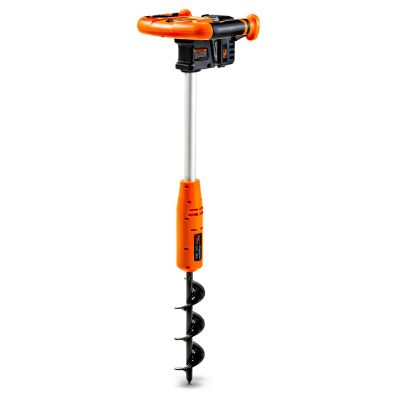
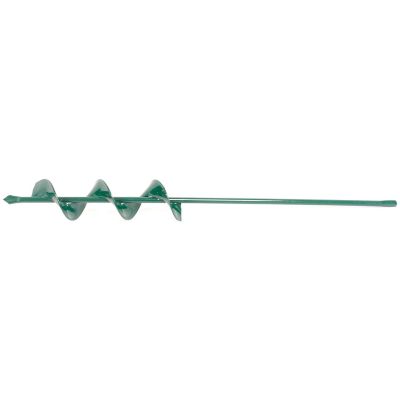
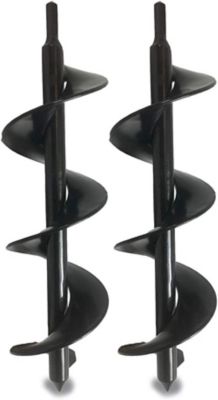
Choosing equipment for tree planting starts with the kind of trees going into the ground, the number of planting spots, and the soil under your boots. Small bare-root seedlings and plugs need a different setup than larger container-grown trees with a packed root ball. For rows of young seedlings on a working farm, hunting property, windbreak, or reforestation project, a dibble bar can make quick, narrow openings with less soil disturbance than a full-size shovel. Its pointed or wedge-shaped blade slips into prepared ground, and the handle gives you leverage for placing a slender root system at the right depth. Hoedads are another practical choice for forestry-style work, especially where the surface is covered with grass, leaf litter, or light duff. Their hoe-and-mattock design helps clear the planting spot and open a pocket without hauling a wide load of soil out of the ground. A narrow sharpshooter shovel is well suited to deeper planting holes and tight spaces, with a blade shaped to push into heavy clay, packed earth, or ground mixed with small stones. It can also be handy around established beds where keeping the disturbed area neat matters. When the soil has a stubborn rocky layer, digging bars and pick mattocks provide the extra bite that a regular spade may not have. A digging bar can pry through buried stones and break up hard layers, while a pick mattock helps loosen compacted ground and scrape away roots or crusted soil. These are demanding tools, so a sturdy grip, balanced weight, and comfortable working height matter more than a flashy finish. For small potted trees or plugs, a tree auger attachment used with a compatible cordless drill can bore clean, consistent holes in light-to-medium soil and save time when many planting locations are spaced across an open area. Augers are not a cure-all for hard rock or dense, wet clay, and they should be used only after checking for underground utilities and other buried obstacles. In very dry ground, a narrow hole can glaze smooth along the sides, leaving roots with little room to expand, so loosening the sides and bottom with a hand tool may be helpful. Before buying, compare the tool's working length, blade width, steel construction, handle style, and intended soil conditions. A compact tool may be easier to carry across a hillside, while a heavier bar or mattock may be worth the effort on rough acreage. The best setup is often a combination: one tool for opening the hole, another for dealing with rocks or hardpan, and a quality shovel for backfilling and firming the soil around the roots.
Tree planting equipment is useful for more than large land-management jobs. Homeowners add shade trees near a driveway, replace storm-damaged trees, establish a privacy screen, or plant native species along a field edge. Gardeners and homesteaders may be setting out fruit trees, nut trees, or a small windbreak, while crews for farms, schools, parks, conservation groups, and community projects may need tools that hold up through hundreds of planting spots. Bare-root trees are lightweight and efficient to plant in quantity, but their roots should stay damp and protected from wind while the work moves along. Container-grown trees generally need a wider opening that allows the root ball to sit level with or just slightly above the surrounding grade, depending on the tree and site. A sharp blade cuts more cleanly than a dull one, and a solid handle helps reduce the twisting and repeated strain that can turn a morning outdoors into a sore-backed afternoon. Keep work gloves, eye protection, sturdy boots, and clothing suited to brush and changing conditions close at hand. Gloves help protect against rough bark, thorns, and cold metal handles; eye protection is especially sensible when breaking rocky ground or using powered equipment. During the cooler months, soil may be workable in the middle of the day but stiffen when temperatures drop, so storing tools out of the weather and clearing mud from blades helps prevent rust and keeps them ready for the next planting session. A few simple accessories can make a difference, too: a measuring tape or planting marker for consistent spacing, a bucket or tub for carrying hand tools, and a hose or watering can for settling soil around newly planted roots when conditions are dry. If a tree will later need inspection, pruning, or work above the ground, keep planting tools separate from
Tree Climbing Equipment, since climbing gear has its own fit, inspection, and safety requirements. Tree planting tools can also make a thoughtful gift for a new landowner, a family member starting an orchard, or anyone restoring a creek bank or wildlife habitat, particularly when the gift matches the recipient's soil and planting plans. A person planting a handful of trees may appreciate a narrow shovel and dependable hand tools, while someone managing a long shelterbelt may get more use from a dibble bar, hoedad, digging bar, or auger setup. Take a close look at the planting area before choosing: sandy soil usually calls for control and careful backfilling, clay rewards a tool that can penetrate and loosen without leaving a slick-sided hole, and rocky ground often calls for leverage. With equipment suited to the job, planting becomes steadier and less tiring—the sound of steel entering earth, a young root system settling into its new home, and a row of trees ready to grow through the seasons.