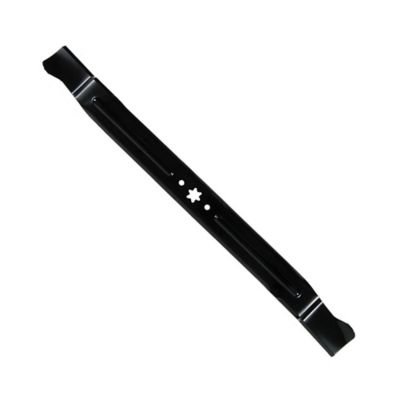
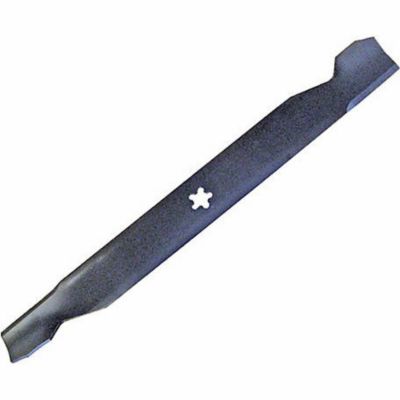
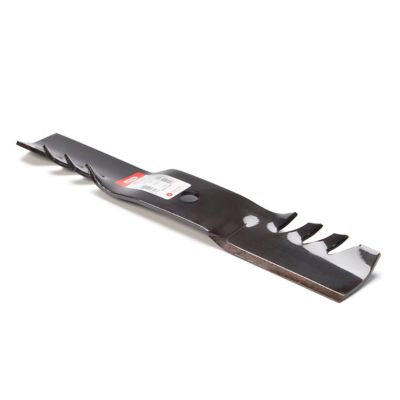
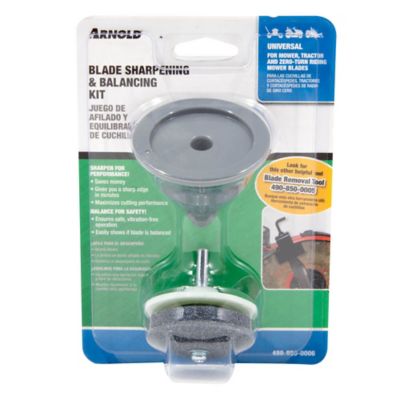
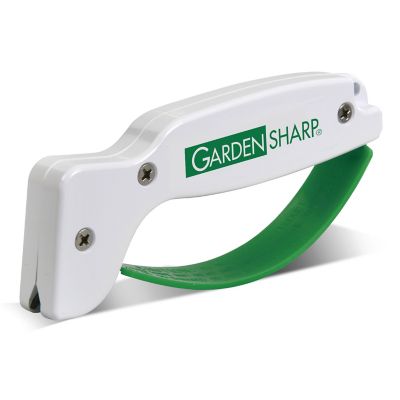
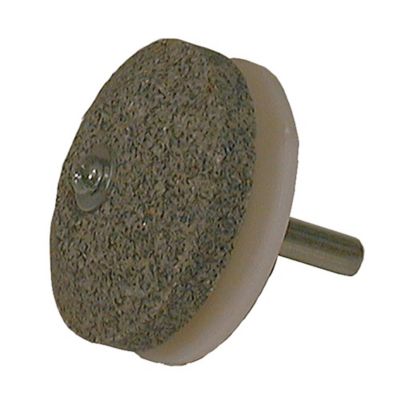
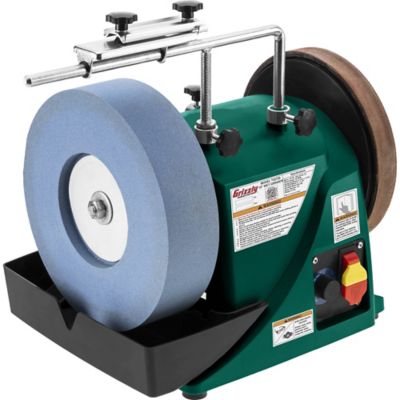
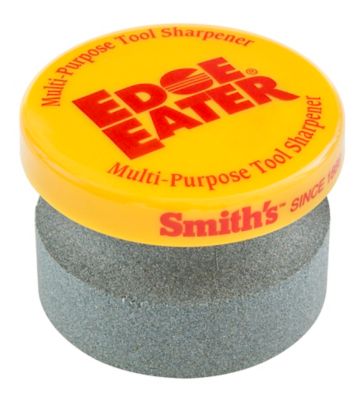
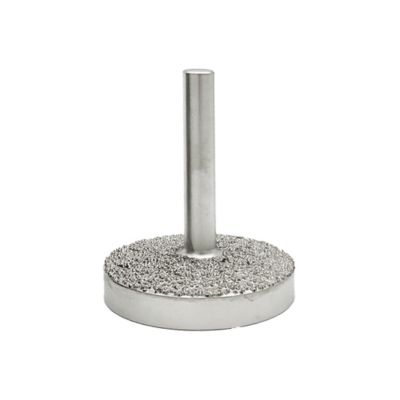
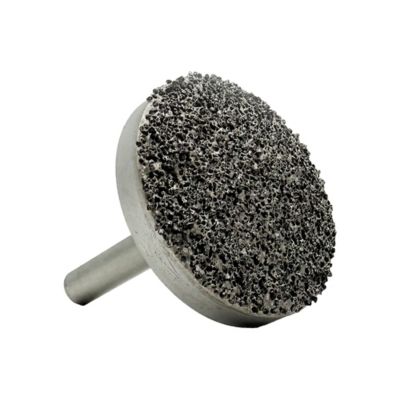
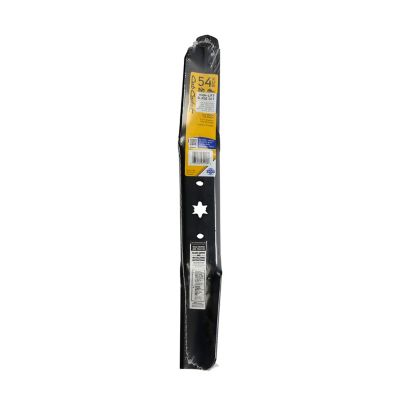
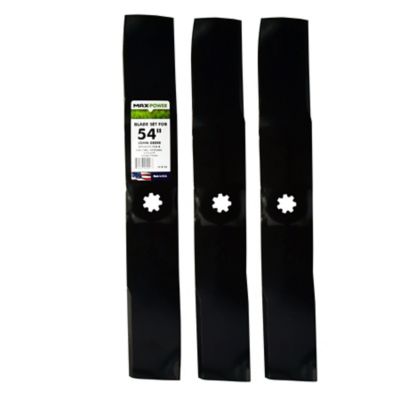
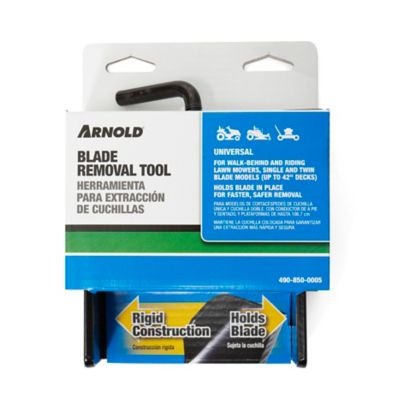
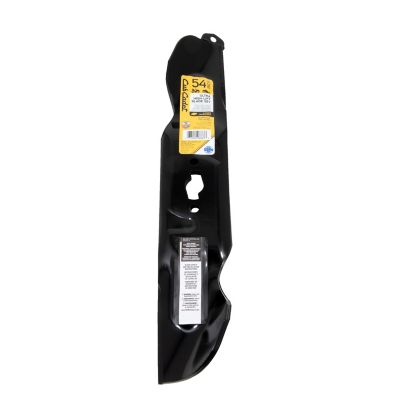
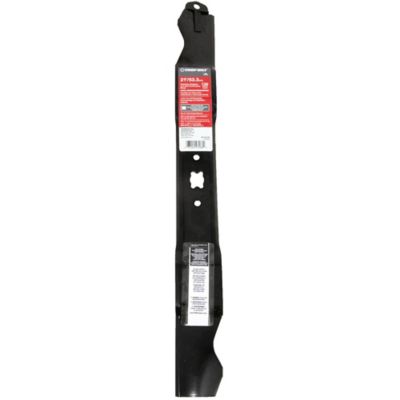
Keeping a lawn mower blade in good shape helps a mower cut grass cleanly instead of tearing and bruising the blades. A dull edge often leaves behind ragged, pale-looking grass, uneven patches and clumps that can make a freshly cut yard look rough before the mower has even made it back to the shed. Products for sharpening lawn mower blades can help homeowners, landowners and groundskeepers restore a clean, even cutting edge when a blade is still in usable condition. Common options include hand files, sharpening stones, abrasive discs, angle grinder accessories, clamps, bench vises, wire brushes and protective work gloves. The right choice depends on the kind of mower being serviced, the condition of the blade and the tools already on hand. A hand file gives steady control and does not require electricity, making it a practical pick for a small garage, barn or outbuilding. Power sharpening tools can remove worn metal faster, especially when working on a blade with nicks from gravel, sticks or hidden sprinkler heads, but they call for a steady hand and careful pressure. A sturdy vise or clamp is useful for holding the blade securely while it is cleaned and sharpened, while a wire brush or scraper helps remove packed-on grass, soil and rust before the cutting edge is inspected. Work gloves, eye protection and other basic safety gear are important parts of the setup, since mower blades are heavy, sharp and often covered with debris from the yard. Anyone working on a gas mower should disconnect the spark plug wire, and anyone servicing a battery-powered mower should remove the battery before handling the blade. The mower also needs to be positioned securely, with attention to the proper side to place upward so fuel or oil does not leak into the wrong areas. Marking the blade’s orientation before removal can make reinstallation easier, especially when the blade has a different shape on its upper and lower sides.
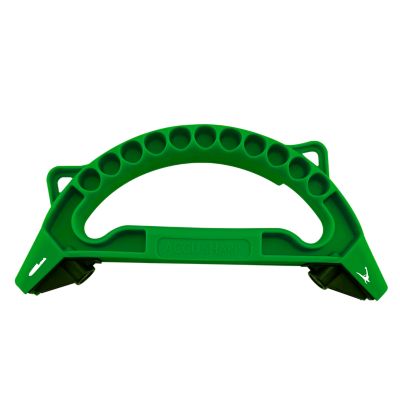
When choosing sharpening lawn mower blade supplies, look closely at the blade’s size, material and overall condition rather than focusing only on the sharpener itself. A blade with a clean edge and light wear may only need a few controlled passes with a file or abrasive tool. A blade with deep bends, large cracks, badly worn mounting holes or severe corrosion may be better replaced than sharpened. The goal is a smooth, consistent bevel that follows the original cutting angle, not a razor-thin edge. Removing too much metal or changing the angle can shorten the blade’s life and affect how it performs in the mower deck. A file should be comfortable to hold and long enough to give useful control, while a grinder or abrasive wheel should be suited for metal work and used with light passes to help prevent excess heat from building in the blade. Overheating can weaken the metal, so taking a little material at a time is a sensible approach. After sharpening, a fine abrasive or file can help knock down the small burr left along the back of the edge. Equal attention on both ends of the blade matters, too. Even a sharp blade can cause vibration if more weight has been removed from one side. A simple balancing tool can show whether the blade hangs level from its center hole; if one side drops, only a small amount of material should be removed from the heavier side before checking it again. For a convenient way to support this part of the job, consider a
Lawn Mower Blade Balancer. Once the blade is balanced, it should be reinstalled in the correct direction and tightened firmly according to the mower manufacturer’s specifications. Proper balance can help reduce shaking, protect mower components from unnecessary stress and make mowing more comfortable, particularly when caring for larger yards, rough fields or stretches of grass that need regular attention during the warmer growing season.
These products can be useful for a wide range of people who take pride in maintaining their own equipment. A homeowner with a small patch of lawn may appreciate a simple hand file that stores neatly on a shelf beside the mower, while someone caring for acreage may want a complete sharpening setup with a vise, power tool accessories, cleaning brush and balance checker. They also make practical additions to a farm shop, community garden, rental property maintenance kit or shared equipment shed. A sharpening tool can be a thoughtful gift for a new homeowner, a weekend gardener, a parent who enjoys keeping the yard tidy or anyone settling into a rural property with more ground to maintain. As the weather warms and grass grows quickly, a sharp, balanced blade can help make routine mowing more efficient; during the cooler months, the same supplies are handy for cleaning and servicing equipment before it is stored or used less often. Store blades and sharpening tools in a dry place, keep abrasive surfaces protected and inspect equipment before each use. Taking a few minutes to remove dirt, check for damage and gather the right protective gear can make the work smoother and help avoid unnecessary wear on both the blade and the mower. With dependable sharpening supplies close at hand, it is easier to keep cutting equipment ready for the next stretch of good mowing weather, whether the job is a tidy suburban lawn, a long driveway edge or a broad patch of pasture grass.