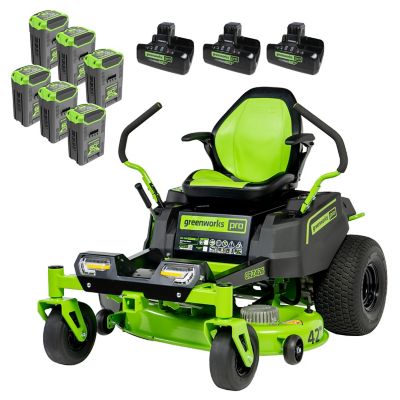
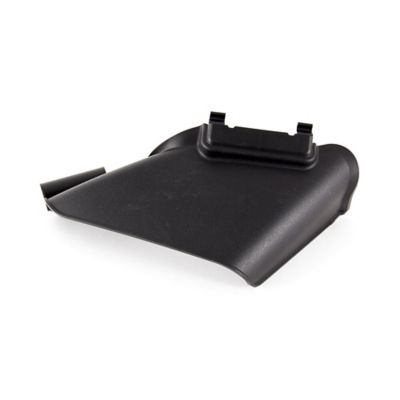
Electric lawn mower parts cover the cutting, power, and handling components that keep a corded or battery-powered mower doing its job around the yard. Replacement blades, batteries, chargers, wheels, handles, switches, and mounting hardware each serve a different purpose, and the right fit depends on more than a familiar shape. A mower’s exact model number, serial number, and manufacturer part number provide the strongest starting point for matching a replacement. Identification labels are often attached to the mower body or deck, with the owner’s manual providing more detail about their location. Even machines with the same cutting width can have different blade mounts, battery connections, or handle brackets. Corded electric mower parts and cordless mower parts also have different power requirements. Corded machines depend on components designed for their electrical rating, while cordless machines need batteries and chargers approved for their particular battery platform. Matching the voltage alone does not establish compatibility; the connector, battery housing, control electronics, and charger requirements matter, too. At the same voltage, a higher amp-hour rating generally represents more stored energy, but mowing time still depends on the machine, grass conditions, battery condition, and workload. A larger battery may also change the mower’s weight and balance, making manufacturer approval important beyond simply fitting into the compartment. For a small yard beside the house or a stretch of lawn between the shed and garden, those details affect how comfortably the mower handles the job. Some electric mowers have a single blade, while others have multiple blades or a powered drive system, so the parts picture can differ quite a bit from one machine to another. The replacement part’s listed applications and the mower’s parts diagram help sort out those differences without relying on a photo alone. A clear match protects the mower’s intended operation, whether the need is restoring cutting performance, replacing a cracked wheel, or getting a folding handle to latch properly again.
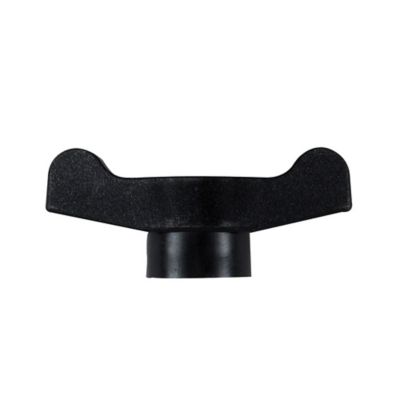
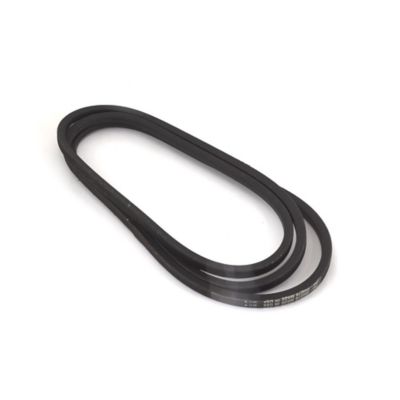
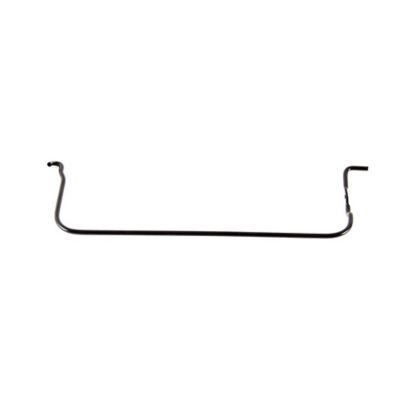
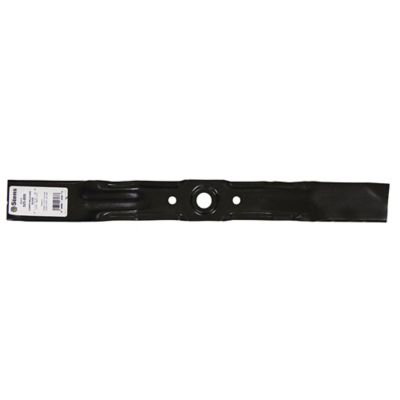
Electric mower blades do more than trim grass to a set height. Their shape also helps move clippings through the deck, making blade selection important for mulching, bagging, or side discharge where those functions are supported. Steel cutting blades need the correct length, center-hole shape, mounting pattern, and offset for the mower. The machine’s advertised cutting width is not always a direct measurement of an individual blade, especially on a deck with more than one blade. Blade bolts, washers, spacers, and adapters are part of that fit as well; hardware that looks close may not provide the clamping arrangement the manufacturer specifies. A nicked edge can leave ragged grass tips, while a bent blade can create vibration and clearance problems. Sharpening suitability, balance, installation direction, and tightening requirements all belong to the mower’s service specifications. Beyond the cutting area, electric lawn mower replacement parts support the everyday work of pushing, turning, adjusting, and emptying the machine. Wheels may combine molded plastic hubs with rubber or polymer tread, while axles and brackets commonly rely on metal for support. Wheel diameter, hub width, axle opening, and attachment style affect whether a replacement tracks properly and preserves the intended cutting-height range. A wheel that fits loosely can make a straight pass along the fence harder than it needs to be. Handle assemblies bring another set of fit points, including tube shape, bracket spacing, cable routing, knobs, and folding latches. Coated metal handles and corrosion-resistant hardware help limit wear from routine exposure to grass residue and cleaning, although storage and care still make a difference. Grass catchers, discharge chutes, and mulching plugs need to match the deck opening and attachment points so they stay seated as intended. On self-propelled designs, drive components must match the specific transmission and wheel-drive arrangement rather than just the mower’s overall size. These details matter for homeowners keeping a modest yard tidy and for folks maintaining the grass around outbuildings, garden paths, and other regularly mowed spaces.
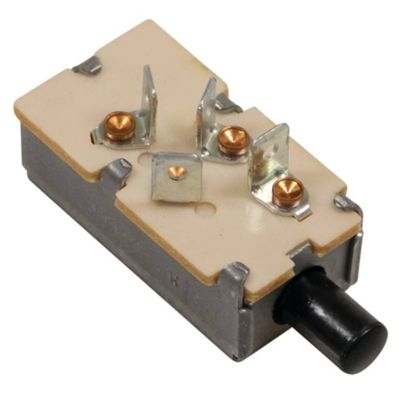
Electrical replacement parts deserve the same attention to fit as blades and wheels, along with extra care around the mower’s safety systems. Start switches, operator-presence controls, wiring assemblies, and fuses, where fitted, are designed around a particular machine’s circuit and operating requirements. A switch that mounts neatly in a handle is not necessarily rated for the mower, and a fuse must match the manufacturer’s specified type and rating. Safety controls should remain intact rather than being bypassed to keep a mower running. Corded models also depend on sound cord connections and strain-relief arrangements, while cordless models need clean, undamaged battery contacts and a battery that locks securely into place. Cracked housings, melted connectors, exposed wiring, or a swollen battery call for taking the equipment out of service and following the manufacturer’s repair or disposal directions. Electrical faults and repairs beyond the owner’s manual are work for a qualified service professional. For routine care, the mower should be disconnected from its power source, with the battery and safety key removed when applicable, before accessible parts are inspected or serviced. Blades must be fully stopped, and their edges still warrant gloves and careful handling. Clearing packed clippings according to the manual helps prevent buildup around the deck, wheels, and discharge area; cleaning methods should not force water into electrical compartments. Keeping a mower dry in the shed and storing batteries under their specified conditions can also help protect replacement components over time. For households maintaining more than one machine,
Honda Lawn Mower Parts provides another equipment-focused category, though parts should never be assumed interchangeable across mowers. The best match is the component that fits the machine’s specifications, supports its intended function, and suits the work it handles around the property.