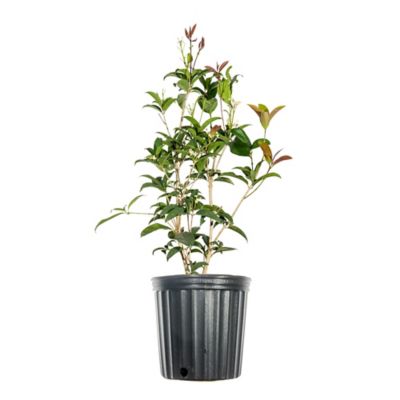
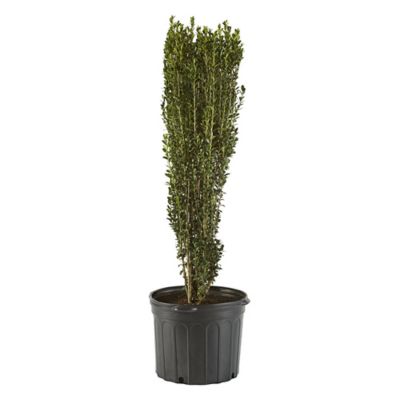
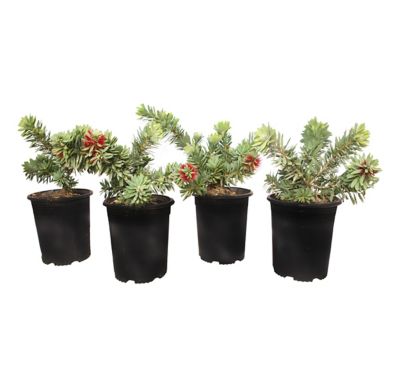
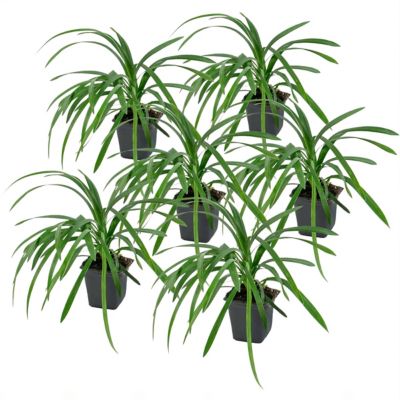
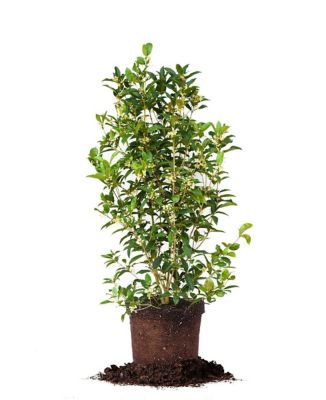
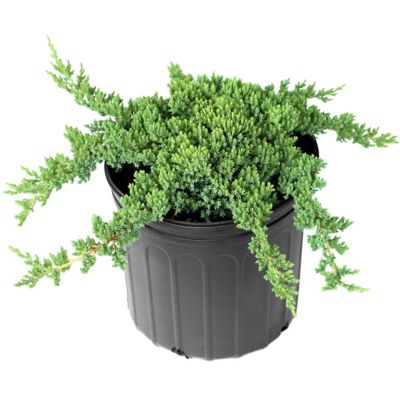
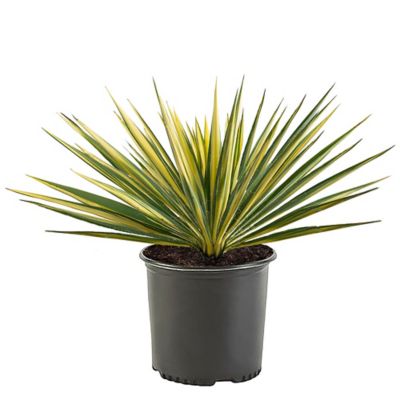
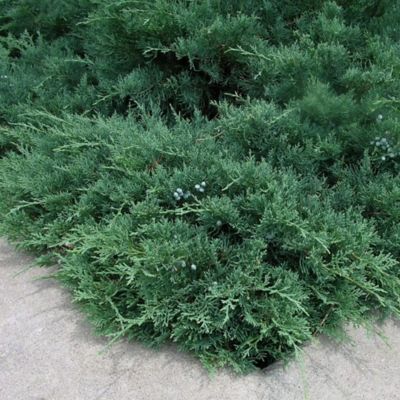
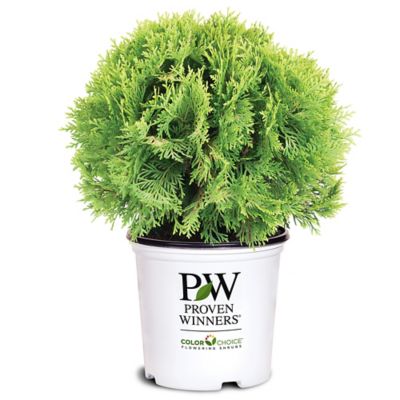
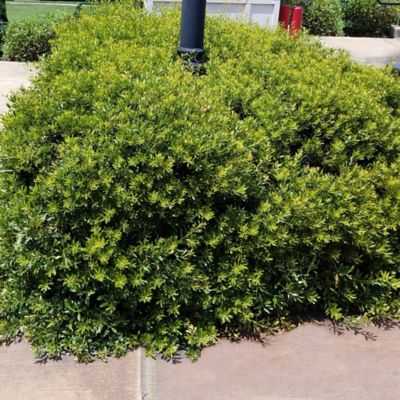
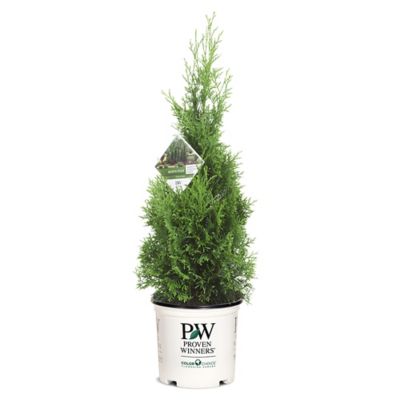
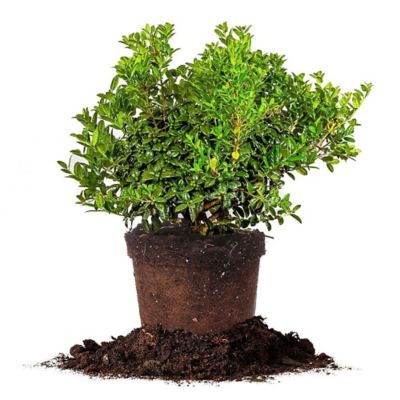
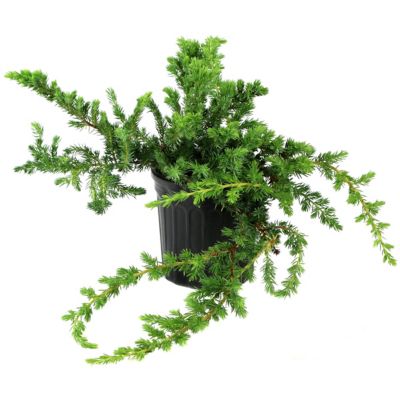
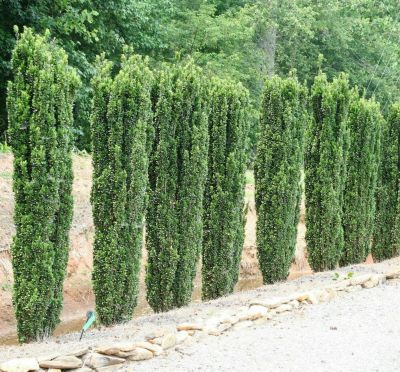
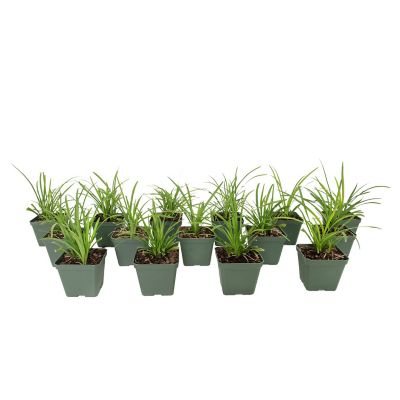
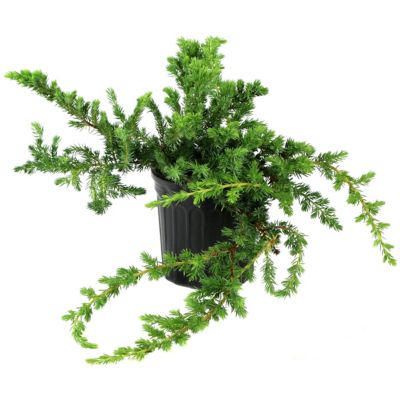
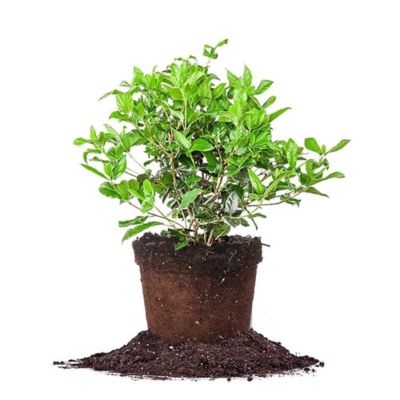
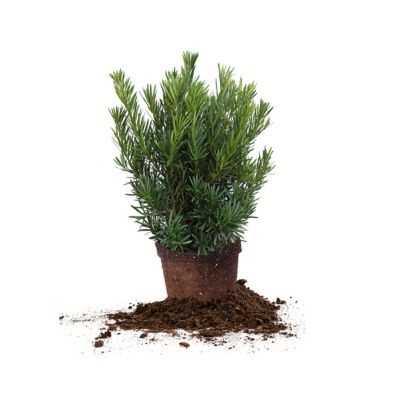
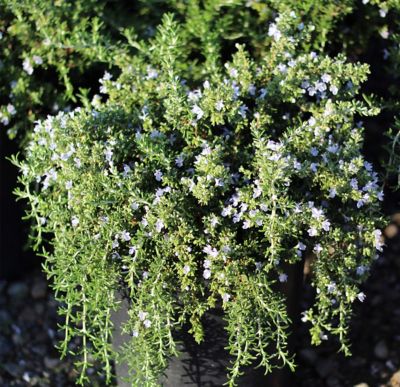
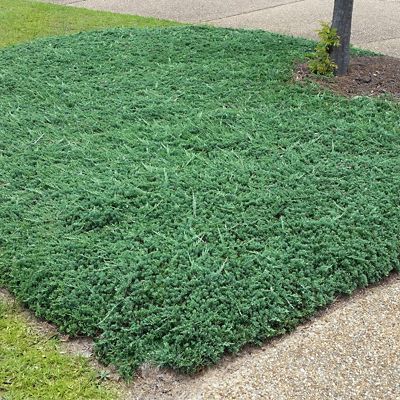
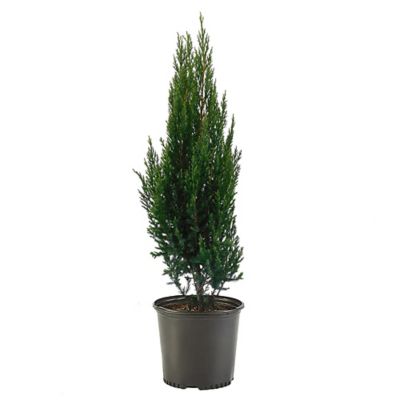
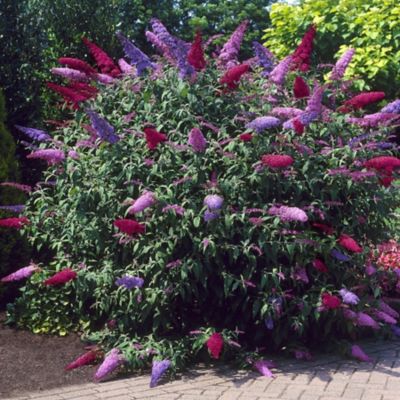
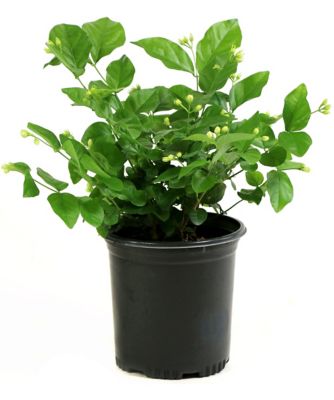
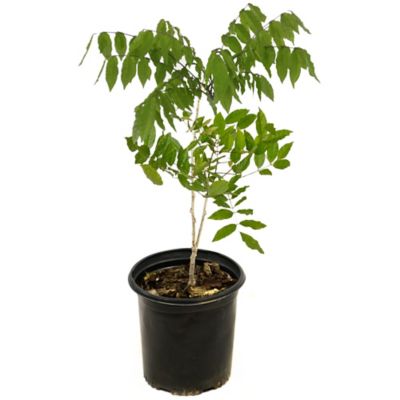
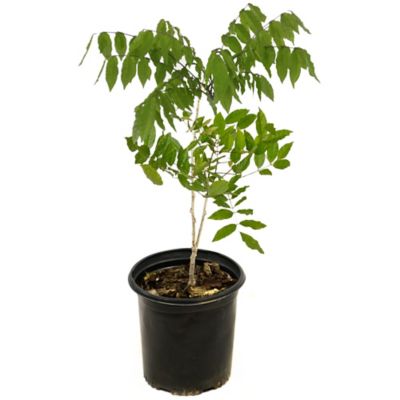
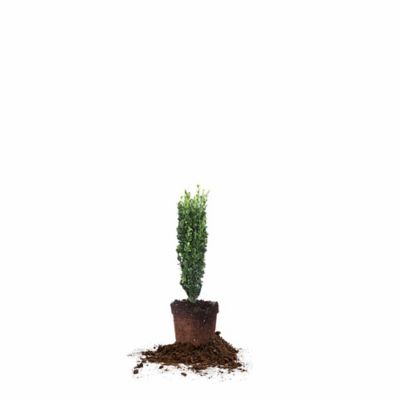
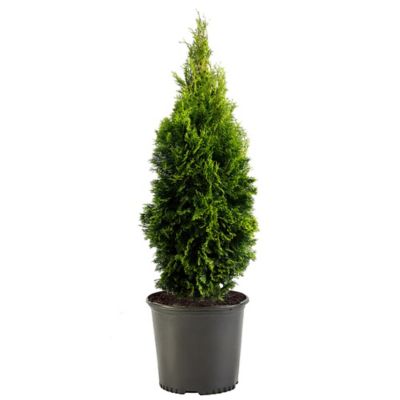
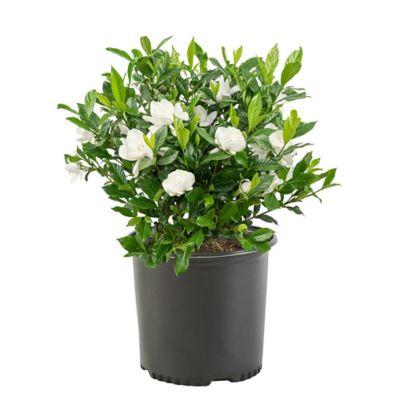
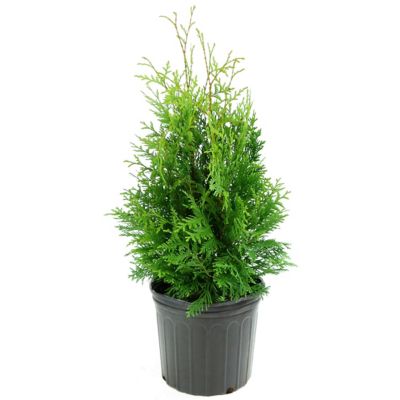
Drought tolerant evergreen shrubs bring steady color and structure to the landscape when many other plants have gone dormant. Their foliage can range from deep green to blue-green, silver, bronze, or even glossy shades, giving beds, borders, walkways, and foundation plantings a finished look through the cooler months and into the heat of summer. These shrubs are a practical choice for homeowners managing limited rainfall, sandy soil, rocky ground, or rising water costs, but they also suit anyone who wants a lower-maintenance yard that still looks cared for. Many varieties handle hot, sunny conditions once established and need much less supplemental water than thirsty ornamental plants. Some stay compact enough for a porch, patio, or driveway bed, while others spread as ground cover or grow tall enough to serve as a screen, windbreak, or soft property boundary. Look closely at the mature height and width before planting; a little shrub in a nursery container can become a broad, full plant with plenty of room to claim. Consider the color and texture of the foliage, too. Fine, needle-like leaves can lend a soft, airy appearance, while broad or holly-like leaves provide a bolder contrast against mulch, stone, or fencing. Fragrant evergreen foliage can add another layer of interest near a garden path or outdoor seating area. For more ideas based on bright, open planting areas, browse
Shrubs For Sunny Locations.
Choosing the right drought tolerant evergreen shrub starts with matching the plant to the growing conditions on your property. Full sun is common for these tough landscape plants, though the amount of light can change from one side of a house to the other, especially as the sun sits lower during the cooler seasons. Check whether the planting area receives several hours of direct light, and pay attention to reflected heat from gravel, concrete, metal buildings, or south-facing walls. Drainage matters just as much as sunlight. A shrub that tolerates dry weather may struggle in heavy, soggy soil, where roots can stay wet and become vulnerable to rot. If water tends to collect after a storm, improve the soil with suitable organic matter, plant on a raised mound, or choose a spot where runoff can move away. Dig a hole about as deep as the root ball and wider than its container, loosen circling roots gently, and set the plant with the top of the root ball level with or slightly above the surrounding soil. A two- to three-inch layer of mulch helps hold moisture, moderate soil temperature, and keep grass from competing with young roots, but leave a little space around the main stems. During the first growing season, even drought tolerant shrubs need regular, thorough watering so they can build a strong root system. A deep drink once or twice a week is often more useful than a light sprinkle each day, with adjustments for rainfall, soil type, wind, and local growing conditions. Once established, many varieties can go two to four weeks between deep waterings during hot, dry weather, though newly planted shrubs, container plants, and shrubs growing in very sandy soil may need attention sooner.
These evergreen shrubs work well for practical landscaping projects as well as thoughtful gifts. A new homeowner may appreciate a durable plant for the front walk, while a gardener with a sunny, water-conscious yard can use several shrubs to fill a bare slope, outline a cattle-panel fence, or create a tidy transition between lawn and planting beds. They can also make a fitting housewarming gift when paired with a sturdy container, quality planting soil, mulch, or a simple watering tool. Before giving or planting one, consider the recipient’s climate, available sunlight, soil drainage, and room for mature growth. In colder areas, some evergreen shrubs may need extra protection from drying winter winds, while container-grown plants have less insulation around their roots than shrubs planted in the ground. A layer of mulch and a sheltered location can help, but plant hardiness should always guide the final choice. Avoid heavy pruning when the weather is turning cold, and remove only dead, damaged, or badly misplaced growth unless the plant’s care instructions recommend otherwise. During dry stretches in the cooler months, check the soil before it freezes; evergreen foliage still loses moisture, and a deep watering on a mild day can help prevent winter burn when conditions are dry. Keep an eye out for yellowing leaves, soft stems, pest activity, or signs of stress, and make changes early rather than waiting for the whole plant to decline. With a well-chosen location, good drainage, careful first-year watering, and occasional maintenance, drought tolerant evergreen shrubs can anchor the yard with dependable color and texture while helping you use water wisely.