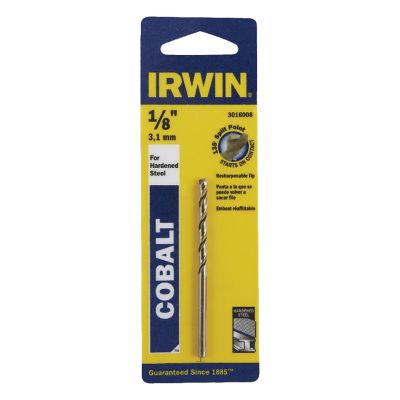
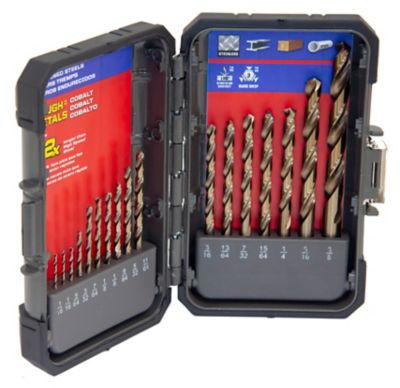
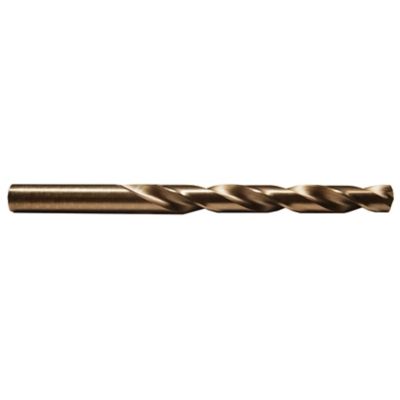
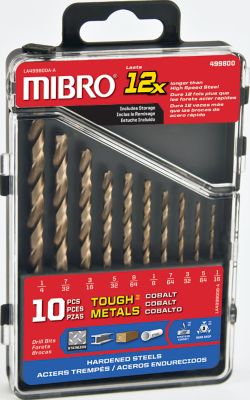
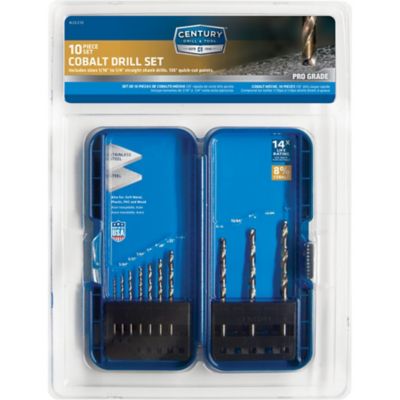
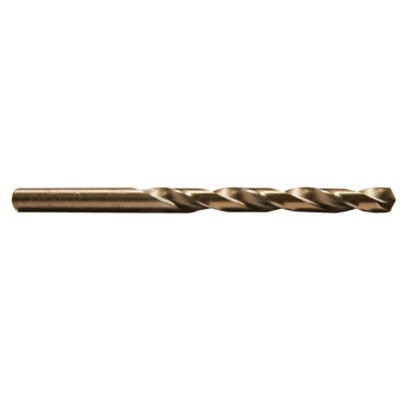
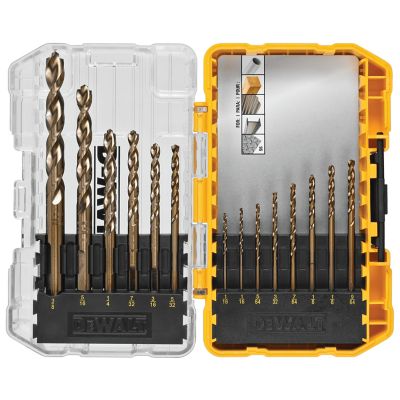
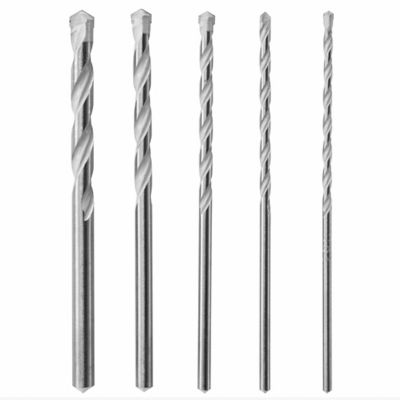
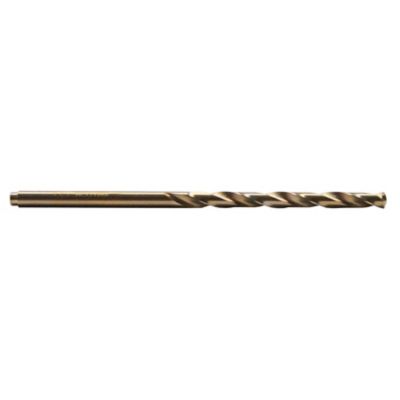
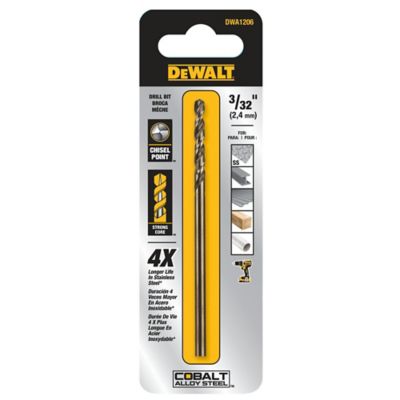
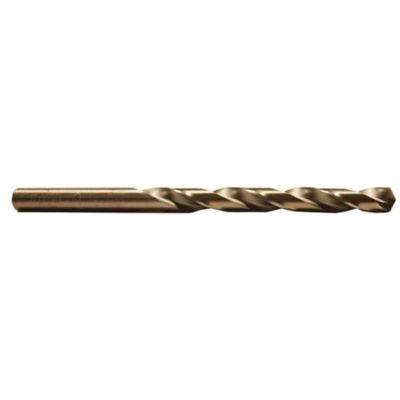
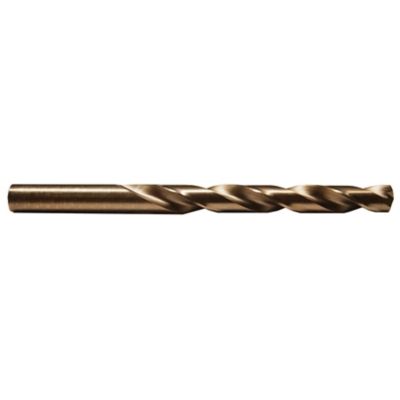
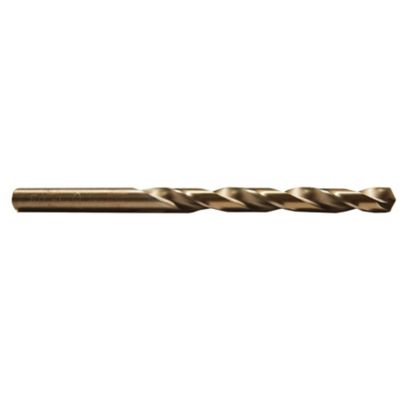
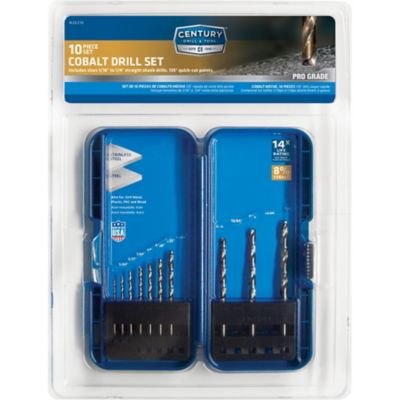
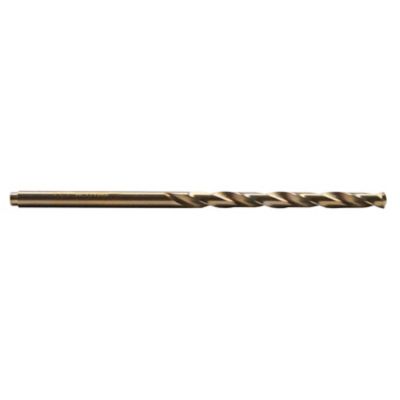
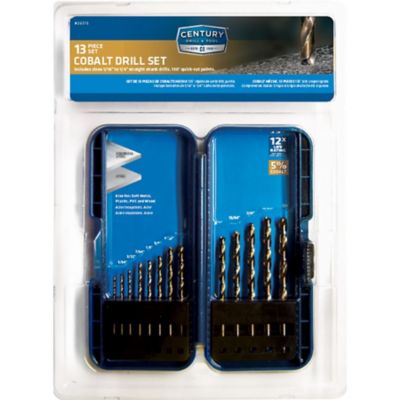
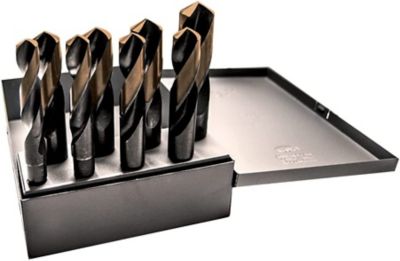
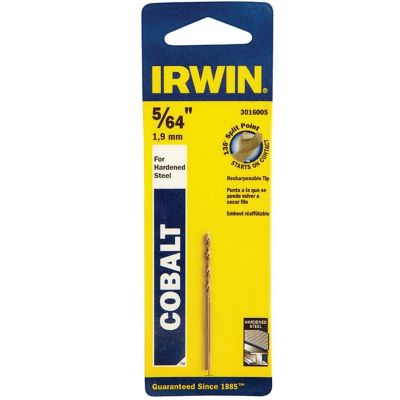
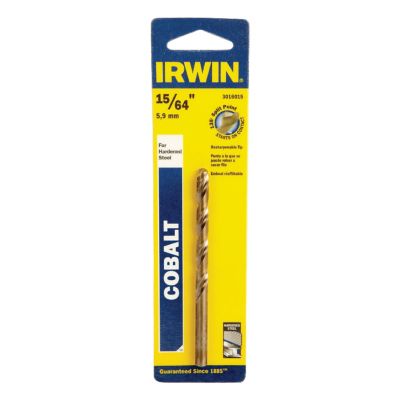
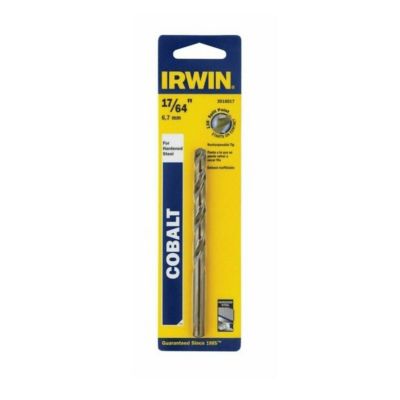
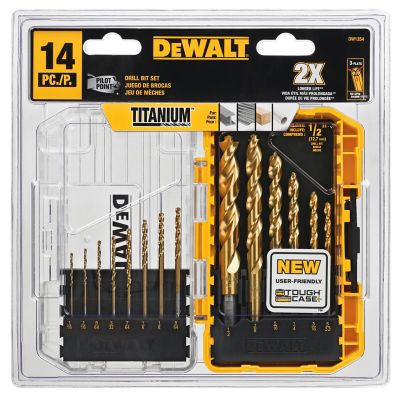
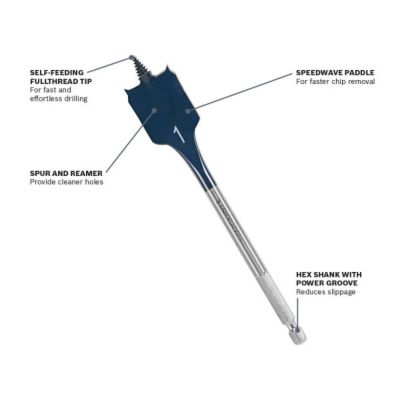
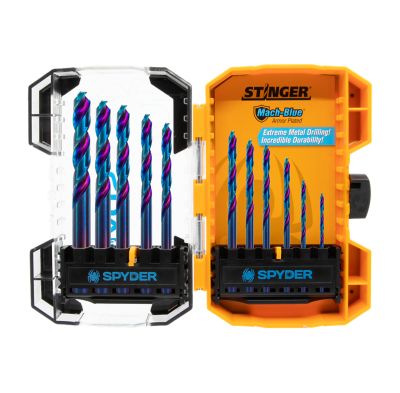
When you need to make clean holes in stainless steel, the drill bit matters just as much as the drill itself. Stainless steel is strong, tough and prone to building heat at the cutting edge, so ordinary general-purpose bits can dull quickly, wander across the surface or turn blue from overheating. Drill bits made for hard metal are built to hold an edge under more demanding work. Cobalt steel bits are a popular choice for stainless steel because the cobalt alloy helps them stand up to heat and wear. M35 cobalt bits contain about 5% cobalt, while M42 versions contain about 8%, giving them added hardness for heavier or more frequent drilling. Solid carbide bits offer excellent rigidity and long service life in professional machine work, although they are more brittle and usually require a steady drill press or other rigid setup. High-speed steel bits with suitable coatings can also be useful for lighter jobs, especially when matched to the right material thickness and used with care. Browse this collection of drill bits for stainless steel to find sizes and configurations for shop repairs, farm projects, fabrication work and general maintenance. If your project involves particularly tough stock, hardened fasteners or other demanding metals, you may also want to look through
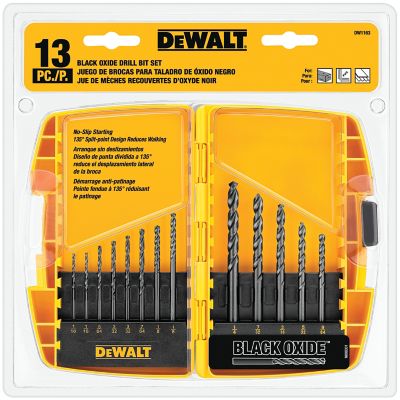
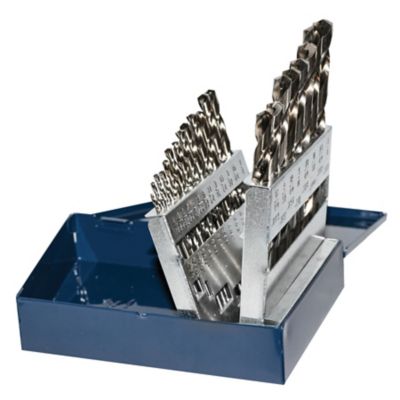
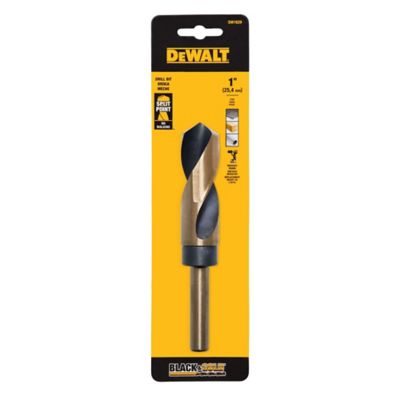
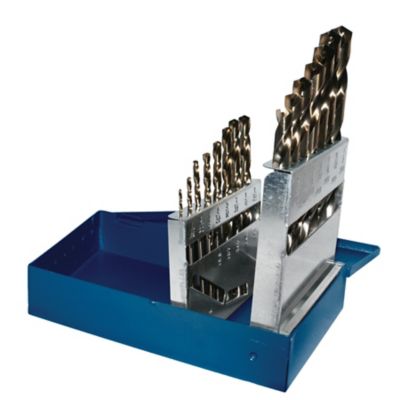
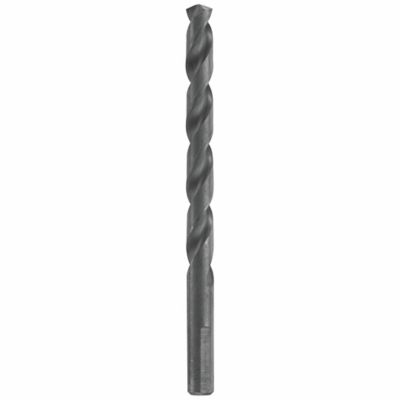
Hard Steel Drill Bits for additional options. Sets are handy when a job could call for several hole diameters, while individual bits make sense when you already know the size needed for a hinge, bracket, handle, bolt or fastener. A split-point tip can help the bit start more accurately without skating across smooth stainless steel, and a sturdy shank can provide a better grip in a handheld drill or drill press. Check the bit construction, point style, size range and shank compatibility before ordering, particularly if you are replacing a single bit from an existing set.
The way you use a stainless steel drill bit has a big effect on its life. Start by marking the hole location with a center punch so the tip has a small starting pocket instead of sliding over the shiny surface. Clamp the work securely whenever possible, and support thin sheet metal with a scrap board to reduce vibration and tearing as the bit breaks through. Run the drill at a slower speed than you would use for wood or soft metal. High speed creates heat quickly, and too much heat can soften the cutting edge and ruin a bit before the hole is finished. Keep steady, firm pressure on the tool so the cutting edges stay engaged, but do not force the bit so hard that it binds or stalls. Cutting fluid, tapping wax or another metal-cutting lubricant helps cool the tip, reduce friction and carry chips out of the hole. Add more lubricant as needed, especially when drilling thicker stainless stock or making several holes in a row. Pull the bit back periodically to clear chips and let the work cool rather than allowing packed debris to rub against the cutting edges. A drill press gives you better control over alignment and pressure for repeated holes, but a handheld drill can handle many small repairs when the material is clamped firmly and the bit is kept straight. For larger holes, drilling a smaller pilot hole first can make the job smoother, though the pilot bit and final bit should both be intended for metal. Wear safety glasses, keep loose clothing and hair away from the tool, and handle freshly drilled metal carefully because the edges and chips can be sharp and hot. Stainless steel comes in different grades and thicknesses, so results can vary; a thin appliance panel calls for a different approach than a thick plate or structural bracket. Matching the bit to the work and taking your time usually produces a cleaner hole than trying to hurry through a tough surface.
Drill bits for stainless steel are useful around the homestead, garage, workshop and jobsite. A farmer or rancher may use them to repair gates, feeders, trailer fittings, livestock equipment and stainless hardware that has seen years of weather and daily use. Homeowners can reach for them while installing railings, shelving, cabinet hardware, appliance parts, grab handles or outdoor fixtures. Welders, fabricators, maintenance crews and tradespeople often keep a range of metal-cutting bits close at hand for custom brackets, shop fixtures, plumbing work and equipment repairs. They can also make a practical gift for someone setting up a first workshop, building a tool collection or spending cooler days on indoor projects, especially when the set includes common sizes in an organized case. Before choosing, consider whether the recipient uses a compact cordless drill, a corded drill or a drill press, and look for a compatible shank size. Think about the jobs ahead, too: a small assortment may cover light household repairs, while regular fabrication work may call for cobalt construction, larger sizes or individual replacements for the diameters that see the most use. Keeping the bits clean, dry and lightly protected between jobs helps prevent rust and keeps the cutting edges ready for the next repair. Store them where they will not rattle against heavy tools, and replace any bit with chipped edges, a badly worn point or a heat-damaged cutting surface. With the right bit, controlled speed, steady pressure and plenty of cooling, drilling stainless steel becomes a manageable part of routine maintenance instead of a struggle that leaves a pile of worn-out bits behind.