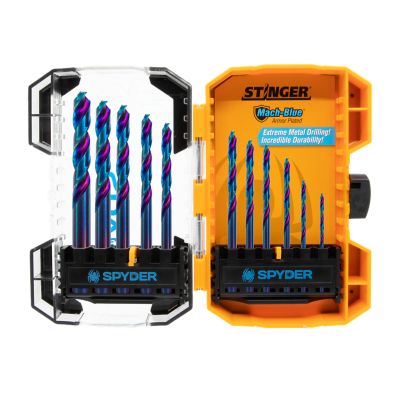
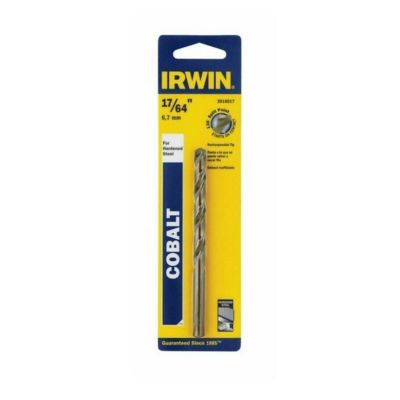
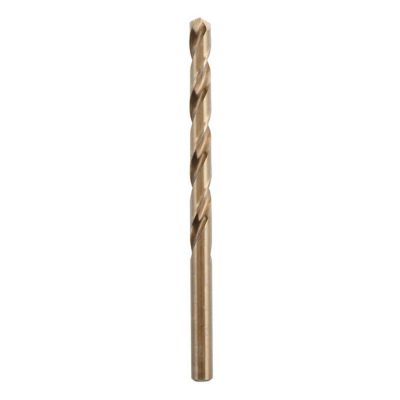
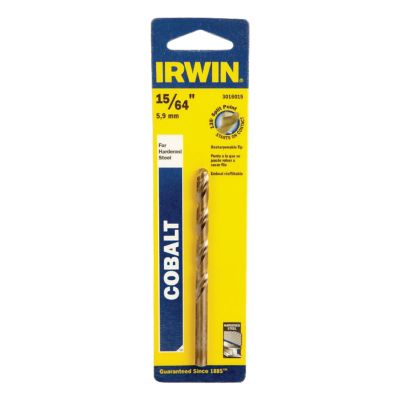
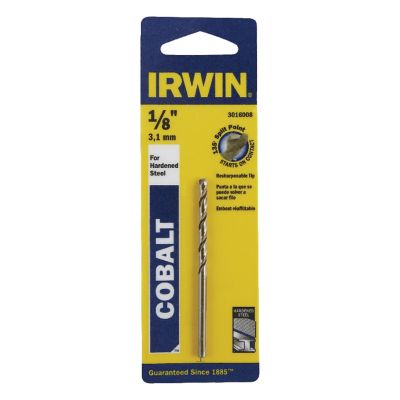
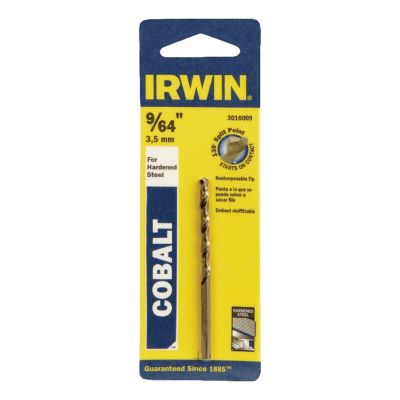
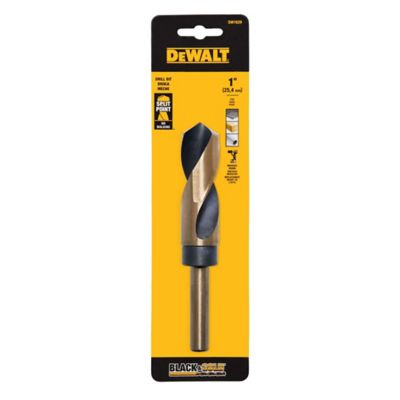
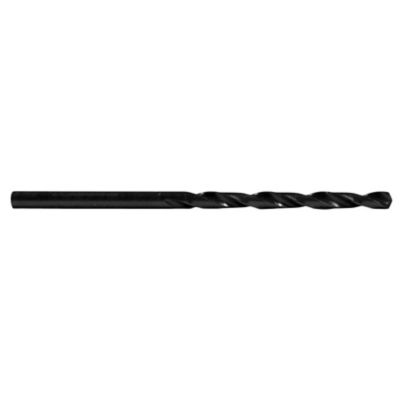
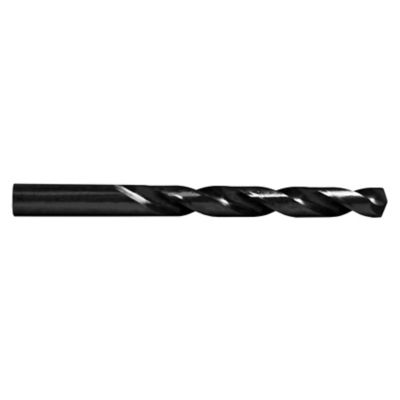
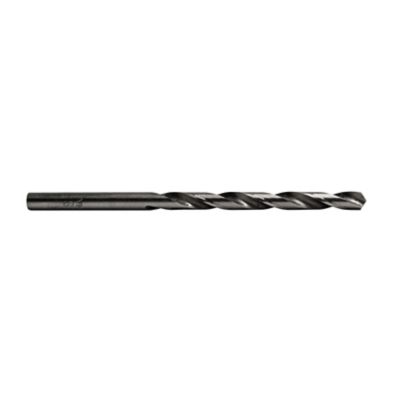
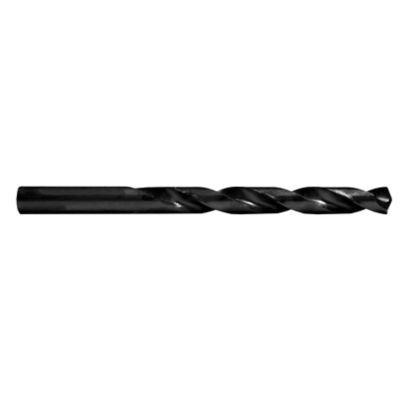
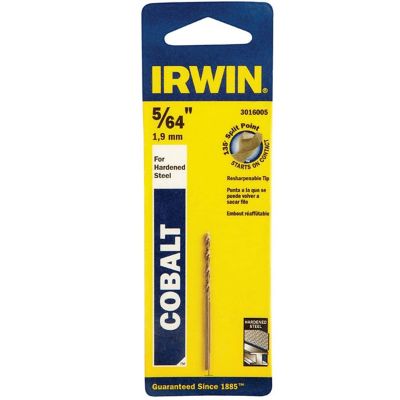
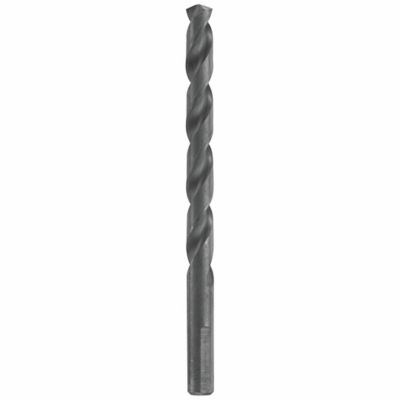
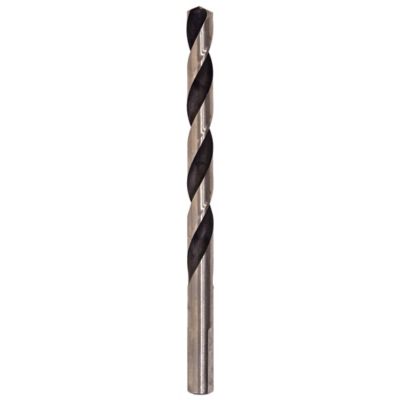
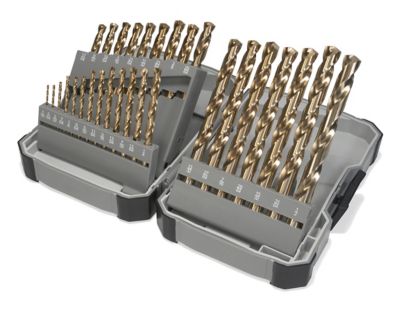
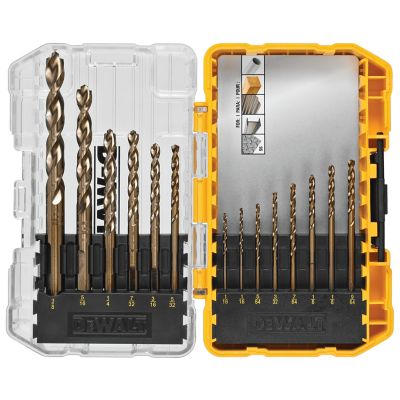
High-speed steel drill bits for metal bring everyday cutting versatility to the farm shop, garage, and fabrication bench. Often called HSS drill bits, these cutting tools are made from an alloy steel that holds its hardness under the heat generated by drilling better than ordinary carbon tool steel. That makes them a practical choice for holes in mild steel, aluminum, brass, and other machinable metals, provided the bit’s design suits the material. Whether the job involves mounting a bracket on a steel frame, adding a bolt hole to angle iron, or repairing a piece of farm equipment, the right bit helps keep the work moving without fighting the material. Standard HSS twist bits handle many general metalworking tasks, while different finishes and alloy blends offer benefits for particular jobs. Black oxide finishes can help retain cutting lubricant and provide some protection against corrosion. Titanium nitride coatings add a hard surface that can reduce cutting-edge wear, though a coated bit still depends on its underlying steel and proper operating conditions. Cobalt-alloy HSS contains cobalt throughout the metal rather than only at the surface, making it worth considering for stainless steel and other demanding materials when the manufacturer recommends that application. Not every metal calls for the same cutting edge, and not every gold-colored bit has the same coating. The stated material compatibility and finish description tell more than appearance alone. For a shop that handles steel brackets one day and aluminum panels the next, versatility matters; for repeated holes in tougher metal, heat resistance and edge retention take on more importance. HSS bits also have limits. Hardened steel, abrasive materials, and certain specialty alloys may call for a different cutting tool altogether. Matching the bit to the actual workpiece helps avoid an edge that dulls before the hole is finished and keeps a simple repair from turning into a drawn-out chore.
Size, point geometry, and drill compatibility help narrow the choices just as much as the bit material. Fractional-inch sizes cover many common hardware and repair tasks, while metric sizes suit equipment with metric fasteners. Number and letter sizes serve more specialized hole requirements, including certain tapping applications. A clearance hole for a bolt and a hole intended for threading are not necessarily the same diameter, so the fastener specification matters. For jobs that call for several diameters,
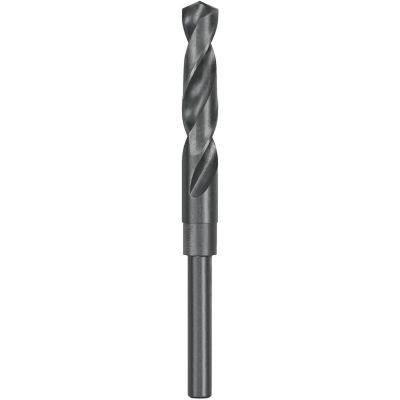
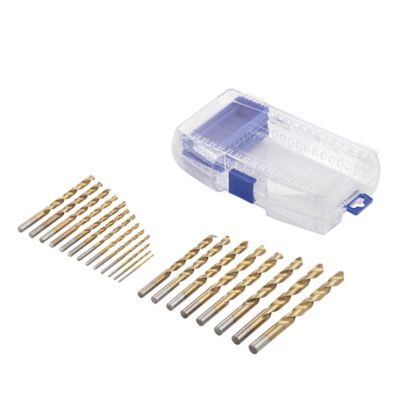
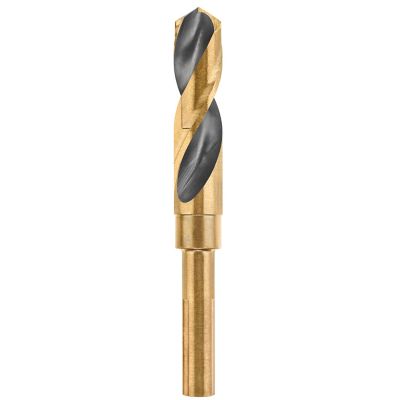
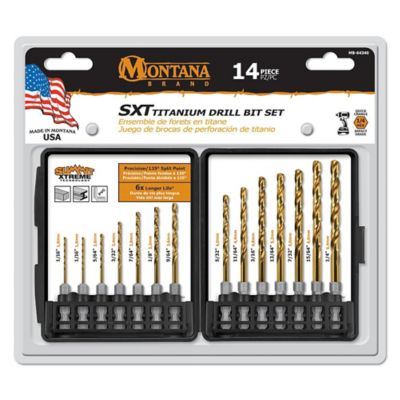
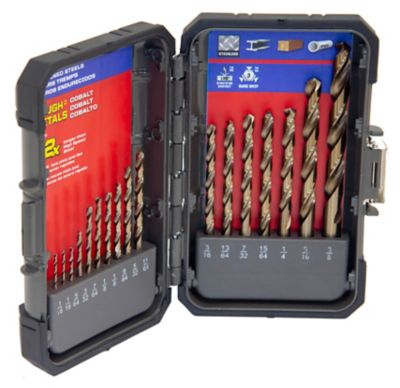
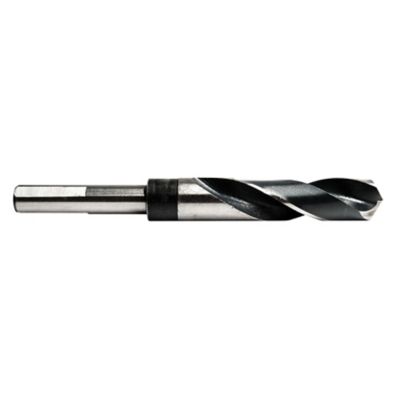
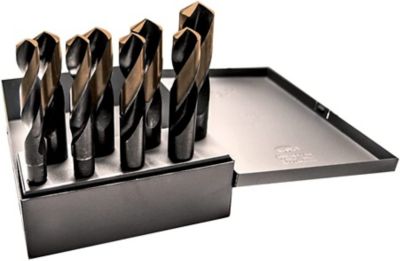
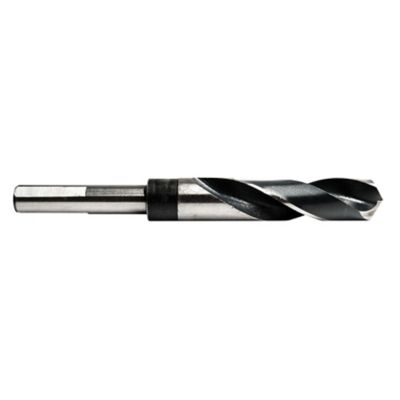
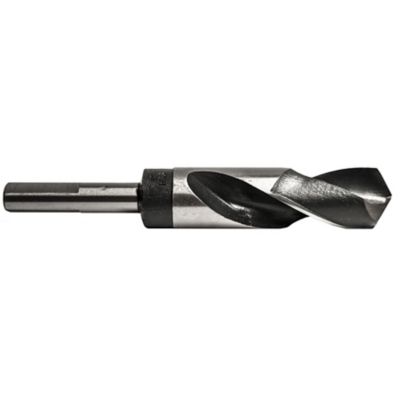
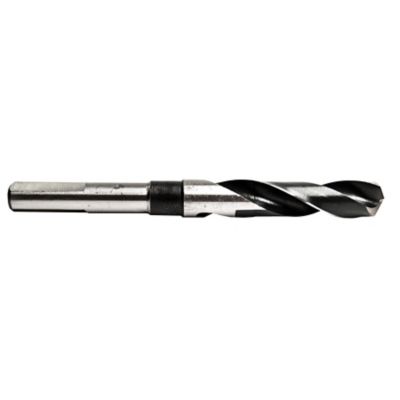
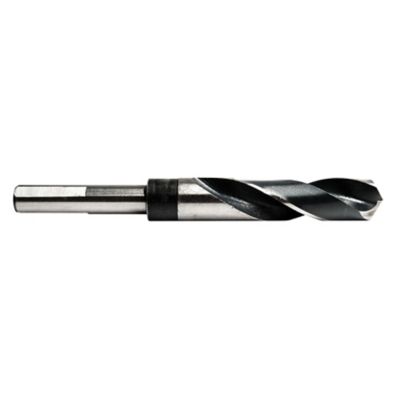
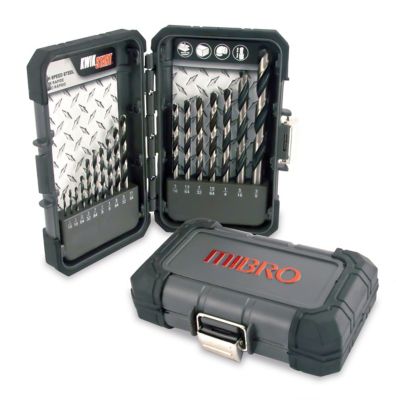
High Speed Steel Drill Bit Sets bring a range of sizes together and make it easier to keep the cutting tools organized between repairs. Individual replacement bits make sense when one diameter sees more work than the rest. Shank style also affects fit: round shanks suit compatible three-jaw chucks, reduced shanks allow certain larger cutting diameters to fit a smaller chuck, and hex shanks require a holder or chuck that accepts their shape. A hex shank by itself does not establish that a bit is rated for an impact driver. Cutting diameter, shank diameter, and the drill’s operating capacity all deserve attention before a bit goes into service. Length matters, too. General-purpose jobber-length bits provide reach for many shop tasks, while shorter bits can offer greater rigidity where access allows. Longer bits reach recessed locations but need more support against bending and deflection. Common point designs include 118-degree points and 135-degree split points, with split-point geometry helping reduce wandering at the start of a hole. The best match still depends on the metal and the application. For thin sheet metal, HSS step drill bits provide several hole sizes along a stepped profile and can enlarge openings for suitable fittings or hardware. Their usefulness depends on the sheet thickness and the depth of each step, rather than simply the largest diameter marked on the tool.
A drill bit’s service life depends on how the whole setup handles cutting force, chips, and heat. Despite the name, high-speed steel does not mean every metal should be drilled at the drill’s fastest setting. Larger diameters and tougher materials generally call for lower rotational speeds, with the bit manufacturer’s recommendations providing the starting point. A small hole in an aluminum panel behaves differently from a larger hole through a thick steel mounting plate. Steady feed pressure helps the edge cut rather than rub, while excessive pressure can overload the bit or cause trouble as it breaks through the far side. Suitable cutting fluid can reduce friction and help manage heat in many steel-drilling applications, although lubricant choice depends on the workpiece material and the task. Chip clearance matters especially in deeper holes, where packed flutes can increase friction and make cutting harder. Secure clamping, eye protection, and a stable drilling position belong with any metalworking setup; a thin panel or small bracket can catch and spin if it is not properly secured. These considerations make drill press compatibility valuable for repeated bench work, while a compatible handheld drill offers flexibility around equipment that cannot easily come to the bench. Between jobs, clean flutes and dry storage help protect the cutting surfaces. Separate slots or indexed cases keep sizes easy to find and help prevent cutting edges from knocking together in a toolbox. A chipped point, rounded edge, or bent shank calls for attention before the next repair. Some HSS twist bits can be resharpened with suitable equipment and the correct geometry, though sharpening a coated cutting edge removes coating from the ground surface. For farmers, mechanics, welders, and folks maintaining their own equipment, a well-matched selection of metal drill bits earns its place through everyday usefulness. The important details are straightforward: the right cutting material, the right diameter, a shank that fits, and a design suited to the metal on the bench.