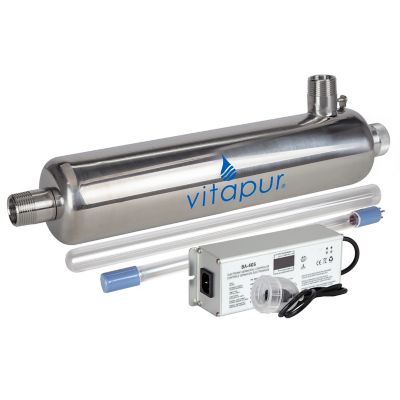
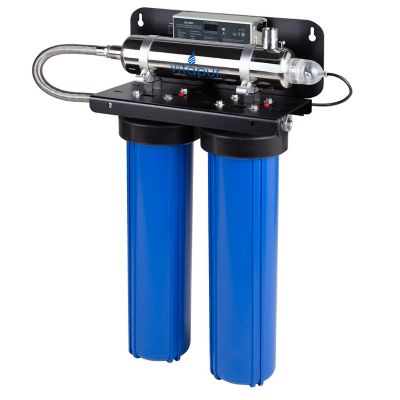
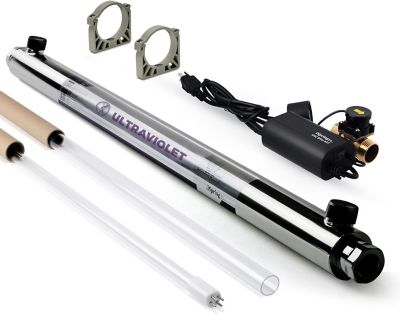
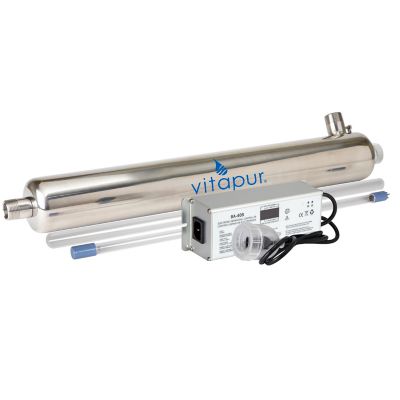
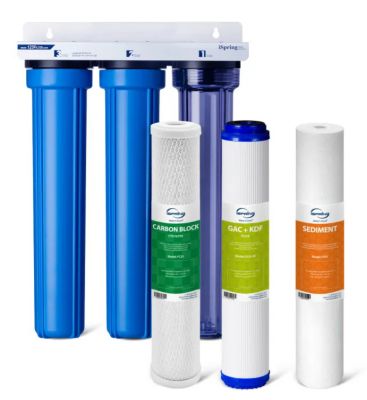
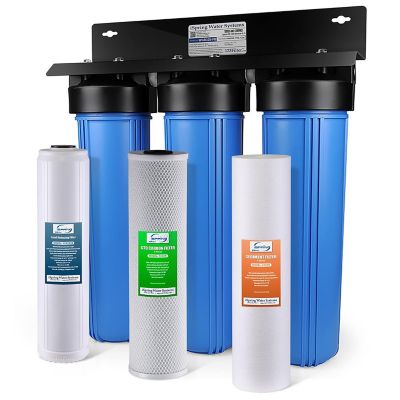
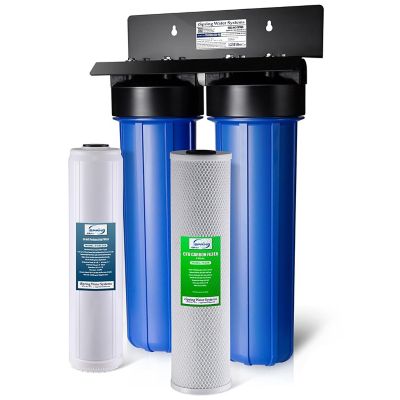
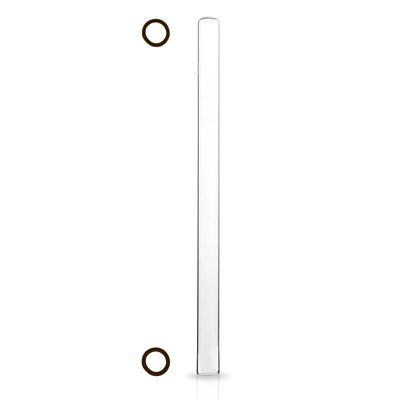
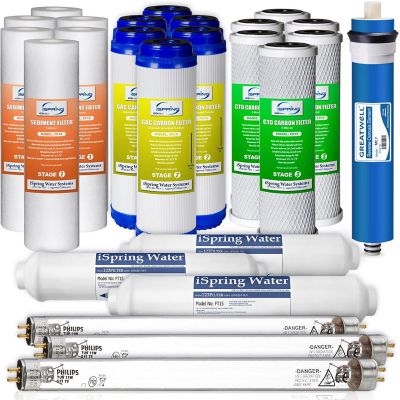
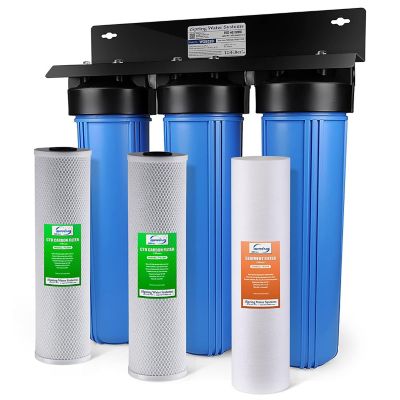
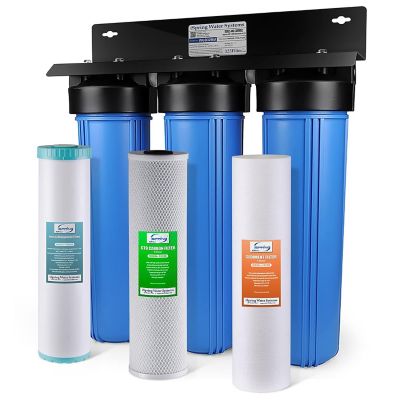
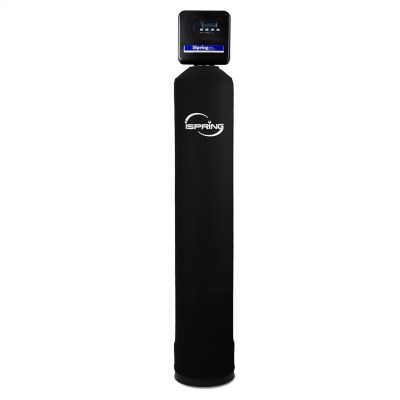
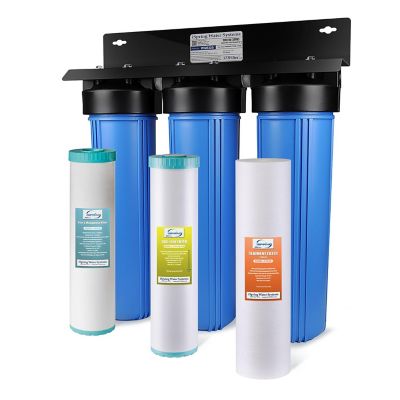
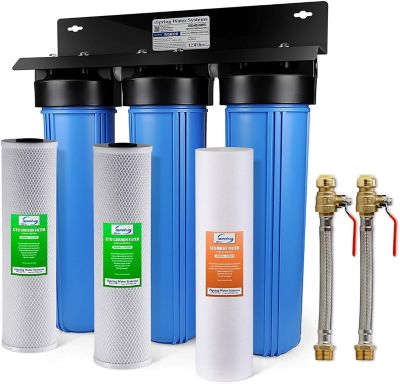
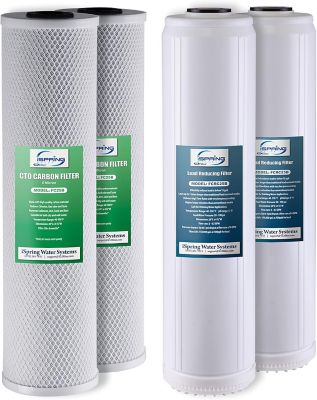
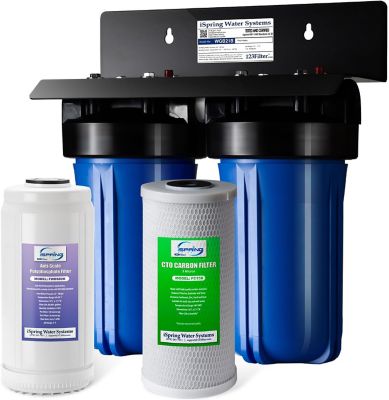
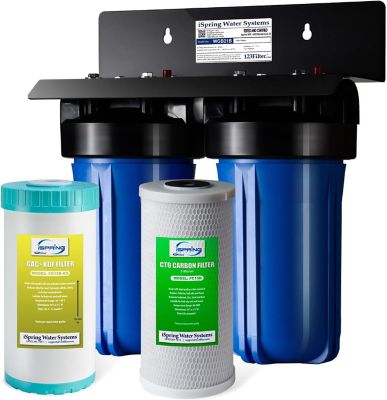
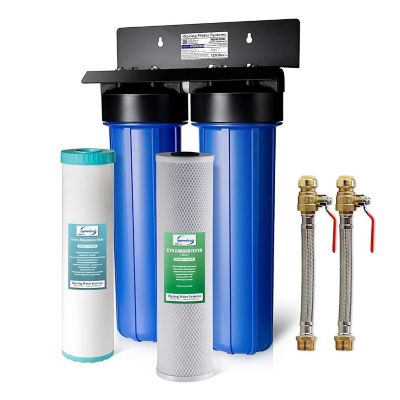
Whole house UV water filtration systems bring ultraviolet disinfection to the point where water enters a home, helping address certain bacteria, viruses and other microorganisms before water travels to household taps. Inside the treatment chamber, water passes a UV lamp protected by a clear quartz sleeve. The light damages the genetic material of susceptible microorganisms, preventing them from reproducing when the system delivers the required UV dose. That makes UV treatment different from a sediment filter, which physically catches particles, or a carbon filter, which addresses certain chemicals, tastes and odors. UV treatment itself adds no disinfecting chemicals and generally does not change how water tastes or smells. It also does not remove dirt, dissolved minerals, lead, nitrates or other chemical contaminants, so a whole house setup often combines several treatment stages. For a farmhouse on a private well, that might mean sediment filtration and iron treatment ahead of the UV chamber, depending on water test results. For a home supplied by municipal water, the reasons for adding treatment depend on the incoming water and the household’s needs. Point-of-entry placement allows properly treated water to reach the kitchen faucet, bathroom sinks, showers and appliances connected downstream of the system. An outdoor hydrant or barn line that branches off before treatment will not receive that same protection. Performance depends on much more than whether the lamp is lit: water clarity, flow rate, lamp condition and the system’s tested capabilities all matter. A stated microorganism reduction applies only under the conditions supporting that claim, not to every water source or installation. Independent certification, such as NSF/ANSI 55 where applicable, helps distinguish tested disinfection performance from broad marketing claims. Class A and Class B systems serve different purposes, so the certification class matters along with the name of the standard. These systems can be a practical part of household water treatment, but they do not turn an untested or chemically contaminated supply into safe drinking water by themselves.
The best fit for a whole house UV water treatment system starts with the water coming into the building and the demand placed on it. A laboratory water test can identify bacterial contamination and help establish whether hardness, iron, manganese or other conditions call for treatment before the UV stage. Cloudiness and suspended particles can interfere with UV light reaching microorganisms, while mineral deposits can collect on the quartz sleeve and reduce light transmission. Many residential installations call for a sediment prefilter rated at 5 microns or finer, but the required filtration and incoming water limits come from the UV system’s specifications. A carbon stage, softener or iron filter may also have a place in the setup when test results support it. For related filtration options,
Whole House Filters For Well Water covers the broader category of whole house treatment for private wells. Flow capacity deserves just as much attention as pretreatment. When someone is showering, the washer is filling and the kitchen tap is running, the combined demand can be much higher than a single faucet’s flow. UV equipment has a rated treatment flow, commonly expressed in gallons per minute, and exceeding that rating can leave too little exposure time for the intended disinfection. The rating should reflect the required dose and specified water conditions, rather than just the amount of water that can physically pass through the chamber. Pipe connection size, household peak demand and pressure loss across the full treatment setup all affect fit. Stainless steel chambers are common, and the chamber, seals and fittings need to suit the home’s water pressure, temperature and plumbing connections. The installation footprint includes more than the chamber itself: there must also be room to pull out the lamp and quartz sleeve for service. In a tight utility closet or crowded well-house corner, that clearance can make a real difference when maintenance day rolls around.
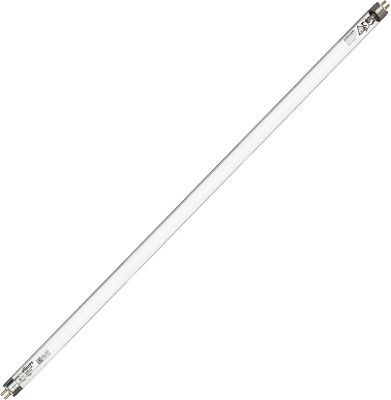
Day-to-day ownership of a whole house ultraviolet water system comes down to protecting the equipment and keeping its treatment components in working order. UV lamps gradually lose their disinfection output even when they still give off visible light, so replacement follows the manufacturer’s operating-hour or calendar schedule, often about once a year. The quartz sleeve needs inspection and cleaning at the recommended intervals, with harder or mineral-heavy water potentially calling for closer attention. Gaskets and O-rings also need inspection during service, since a small seal has an important job in a pressurized chamber. Replacement lamp type, sleeve dimensions and seal compatibility must match the equipment; parts that look similar are not necessarily interchangeable. A service reminder can help keep routine work from slipping past, while a UV intensity monitor, where included, provides information a simple lamp-on indicator cannot. Some configurations include an automatic shutoff valve that stops water flow during specified faults, an important distinction from an alarm that only sounds a warning. Because the lamp requires electricity, a power outage interrupts UV disinfection unless an appropriate backup power arrangement keeps the system operating. Water should not be assumed to have received UV treatment during an outage or equipment fault. A sheltered, frost-protected installation matters during the cooler months, especially where equipment sits near an exterior wall or in an outbuilding. Seasonal cabins also need winterization and restart procedures that match the manufacturer’s directions. Professional installation can help with plumbing layout, electrical requirements, service valves and initial sanitation of downstream piping, since UV treatment does not clean contamination already present elsewhere in the plumbing. Follow-up testing remains important for private wells, particularly after flooding, repairs or a change in water conditions. For households balancing chores, laundry and a busy kitchen, these practical details make a UV setup easier to maintain over the long haul. A well-matched system brings together tested disinfection capability, suitable pretreatment and service access that fits the property—not simply a lamp attached to the water line.