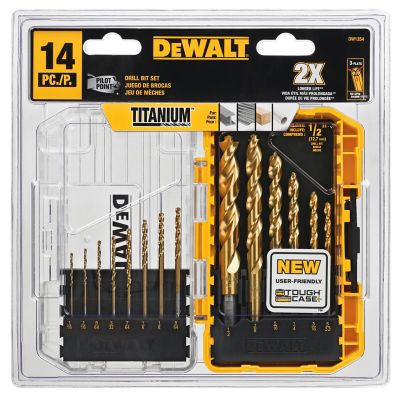
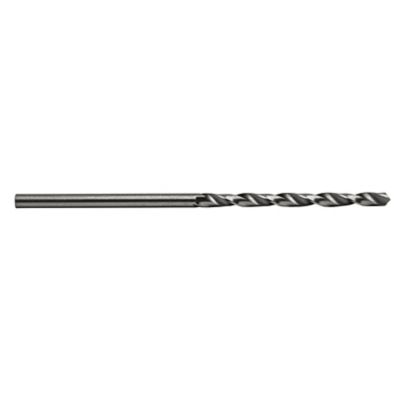
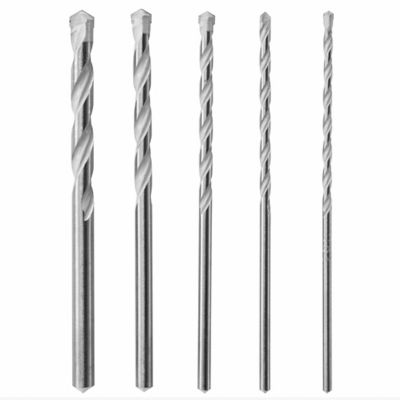
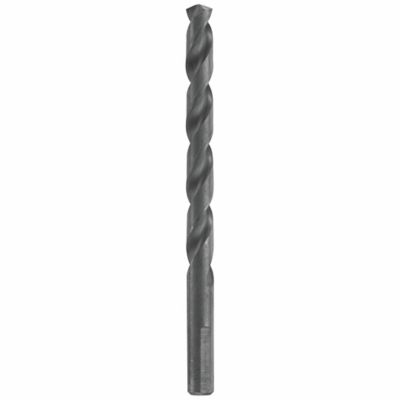
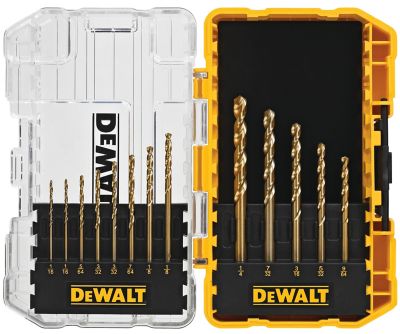
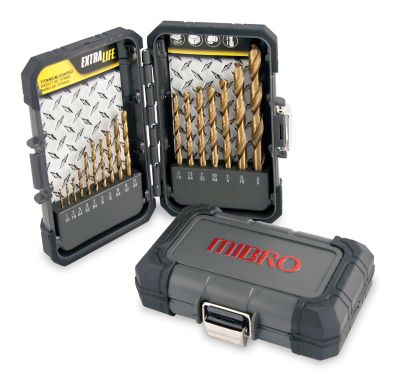
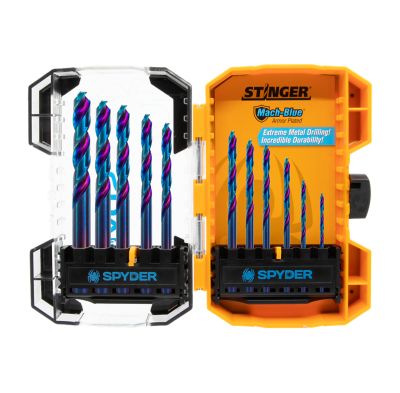
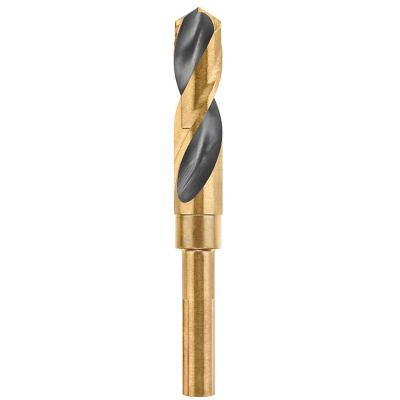
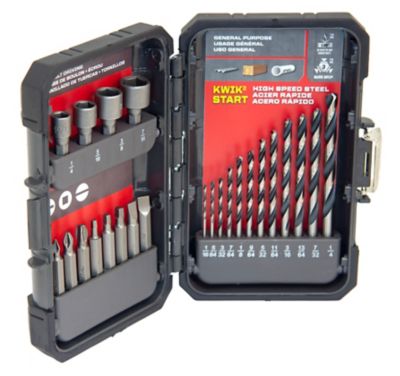
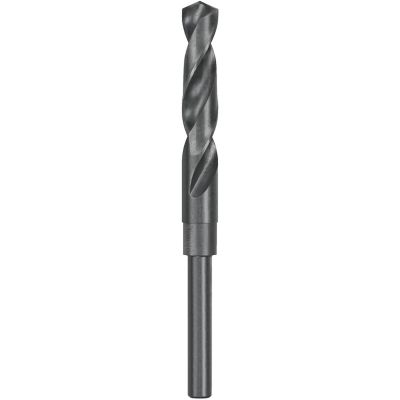
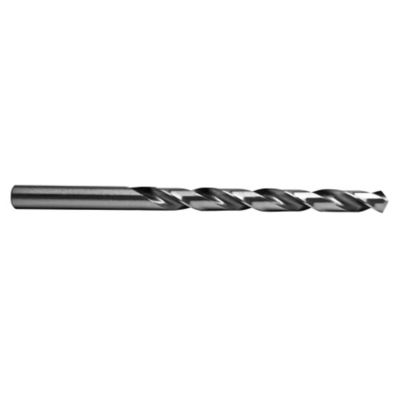
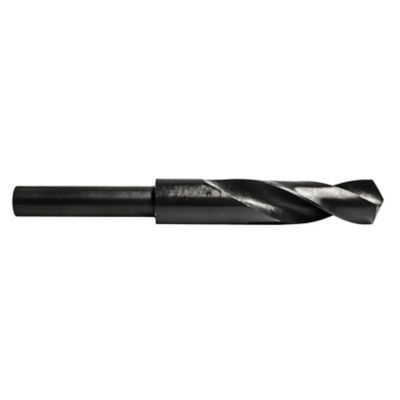
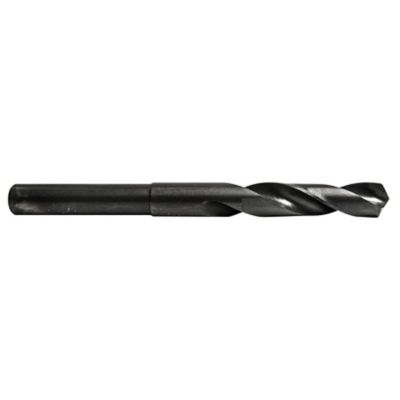
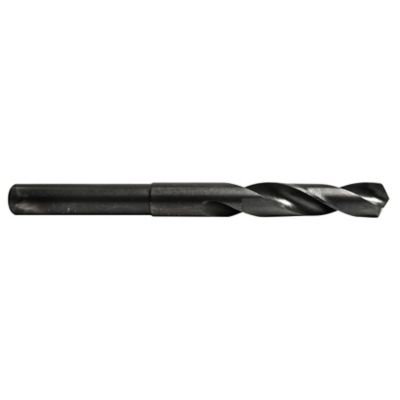
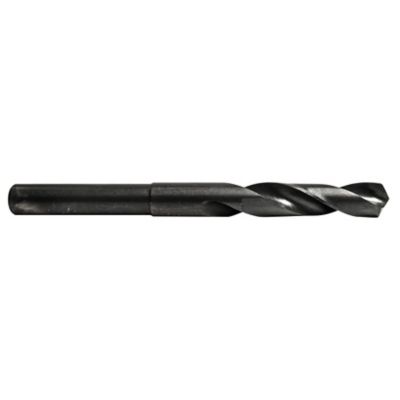
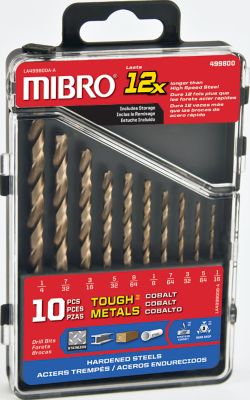
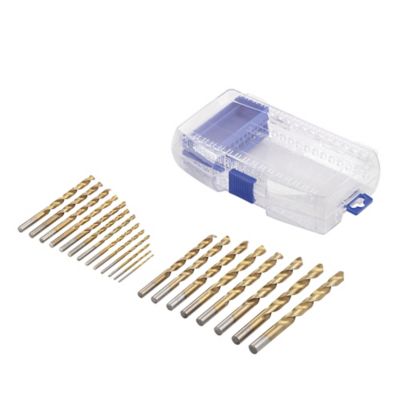
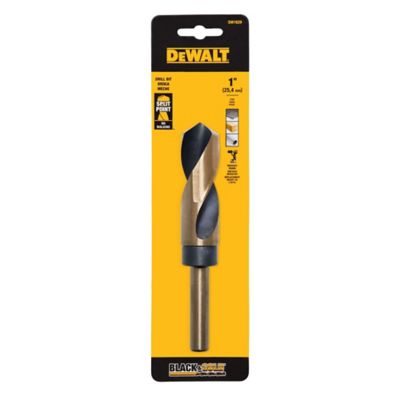
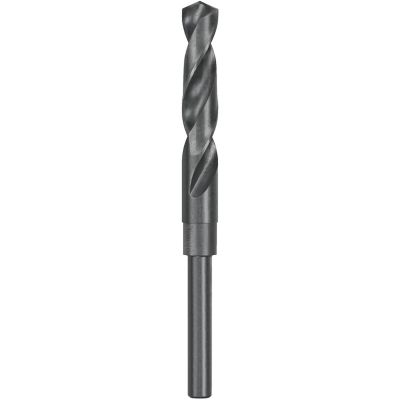
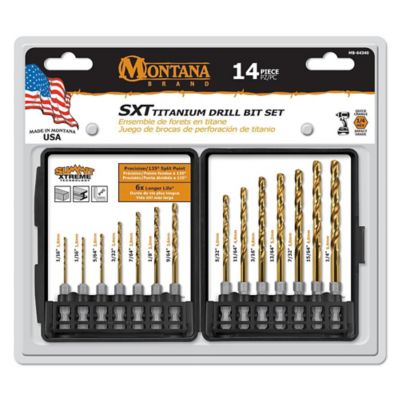
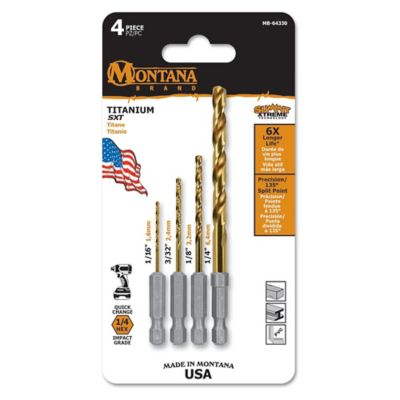
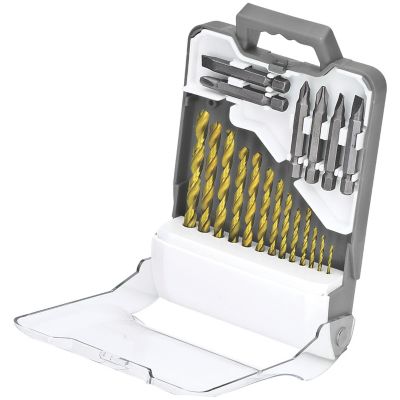
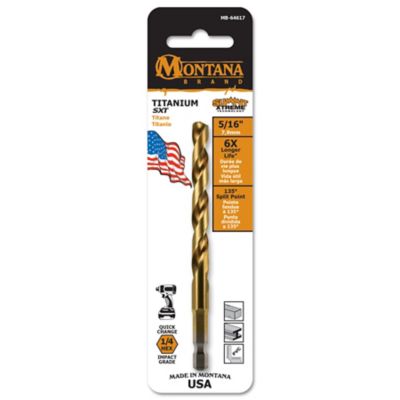
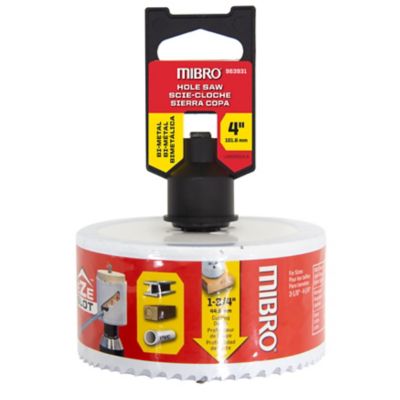
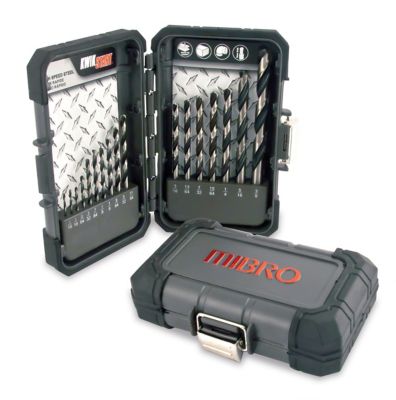
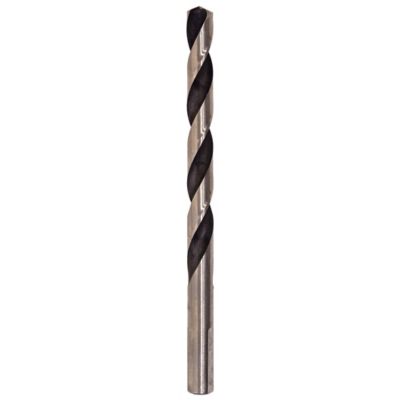
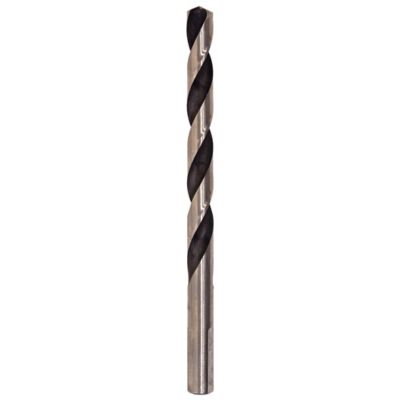
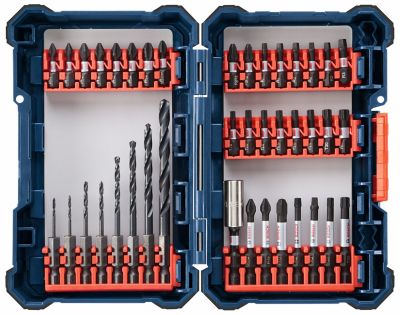
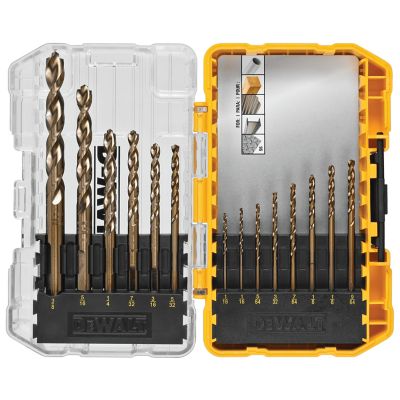
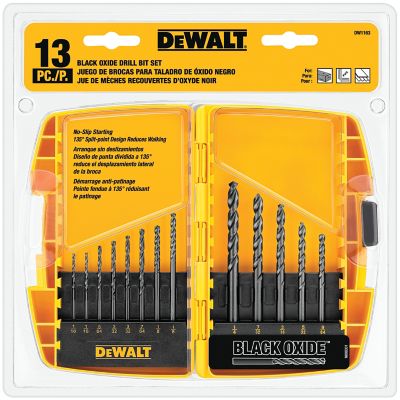
When you’re working on projects around the farm, in the shop, or out in the garage, having the right drill bits for metal and wood is just as important as picking the right drill. Folks who tackle everything from fixing up old barns to building new shelves in the mudroom know that a well-stocked drill bit set can make all the difference. Whether you’re a seasoned DIYer, a professional craftsman, or just someone who likes to keep things running smoothly at home, choosing the right bit for the job saves time, effort, and a whole lot of frustration. As the weather warms and projects start piling up—from repairing gates to building outdoor furniture or even crafting gifts for friends and family—a reliable selection of drill bits is a must-have in any toolbox. Drill bits for metal and wood come in a variety of shapes and sizes, each with their own strengths. Metal bits, often made from high-speed steel or coated with titanium or cobalt, are built to handle the heat and friction of cutting through tougher materials like steel, iron, or aluminum. You’ll notice these bits usually have a cone-shaped tip, and they’re designed to bite cleanly into metal without dulling too quickly. On the other hand, wood bits—like brad point, spade, and Forstner bits—are crafted to slice smoothly through softwoods and hardwoods, leaving tidy holes without splintering the grain. The brad point tip keeps the bit from wandering, while spade and paddle bits are perfect for quickly boring wide holes, say, for running wiring or plumbing through studs.
It’s worth thinking about what you’ll be drilling into most often, and what kind of projects you’re tackling, before picking out your next set. If you’re drilling into metal, you’ll want to look for bits that can handle high heat and won’t lose their edge after a few uses. Cobalt bits are a favorite among folks who work with stainless steel or cast iron, while titanium-coated bits last longer and glide through softer metals and plastics. For woodworkers, brad point bits are perfect for furniture making or cabinetry, and spade bits come in handy for rougher carpentry or outdoor projects. If you’re just starting out or want an all-purpose kit, there are multi-material sets that cover most common tasks, making them a great gift for new homeowners, recent graduates, or anyone who’s just getting into DIY. And don’t forget—using the right speed and a dab of cutting oil when drilling metal will keep your bits sharp and your holes clean. If you’re not sure what you need, or want to dig deeper into the world of metal drilling, check out our full range of
Metal Drill Bits for more details and tips to help you get the job done right.
No matter if you’re patching up equipment before harvest, building a new chicken coop as the days get longer, or tackling repairs during the cooler months, the right drill bits are essential for keeping your projects moving. They make a thoughtful addition to any toolbox—whether you’re shopping for yourself, a neighbor who’s always lending a hand, or a young person learning the ropes. With the right mix of metal and wood bits on hand, you’ll be ready for whatever comes your way, from quick fixes to big build-outs. Taking a little time to choose the right bits now means less hassle and better results down the road, so you can focus on what matters most—getting the job done and enjoying the satisfaction of a project well finished.