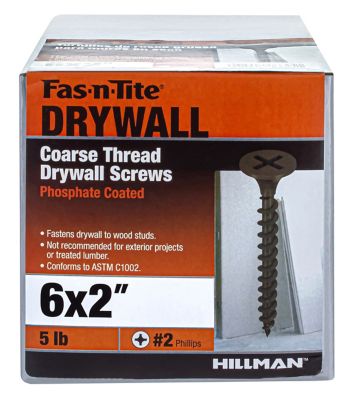
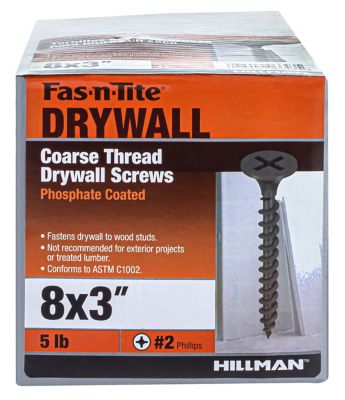
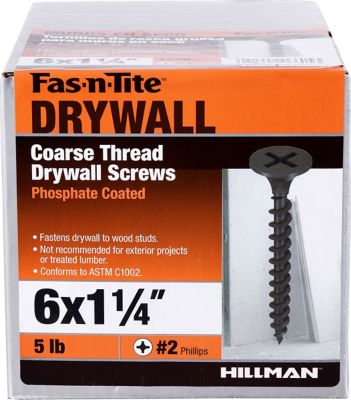
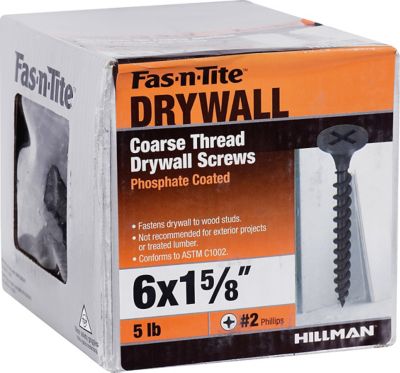
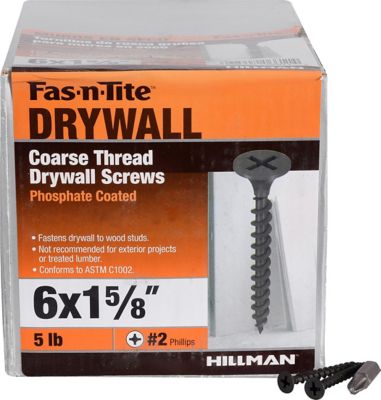
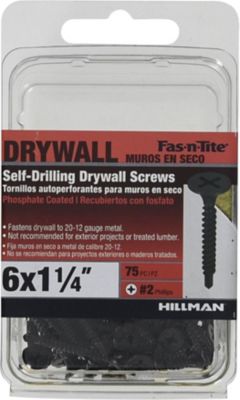
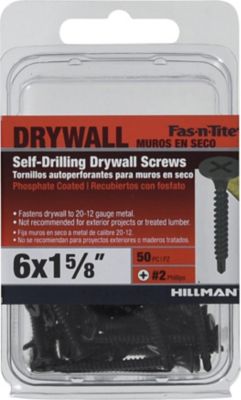
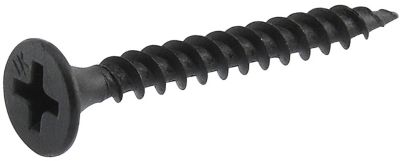
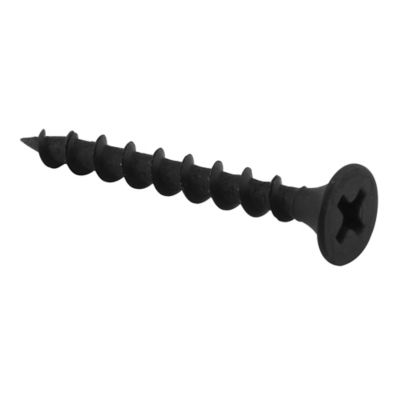
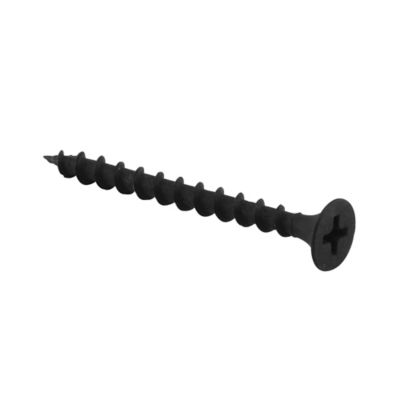
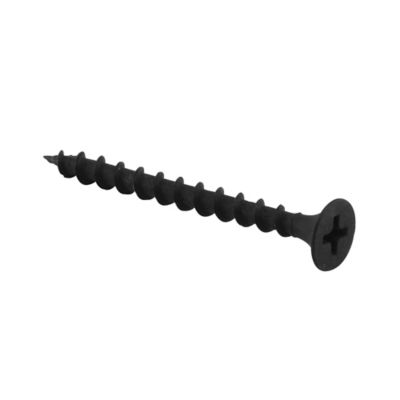
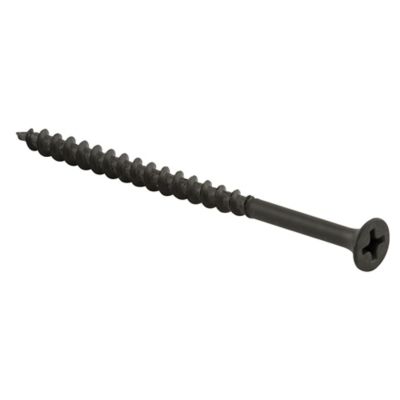
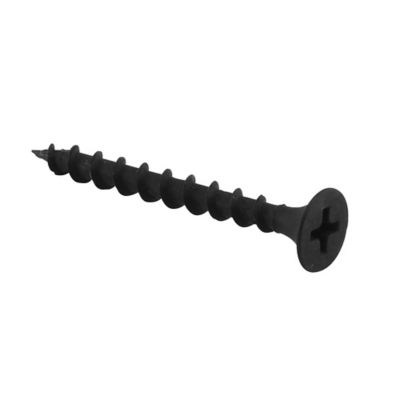
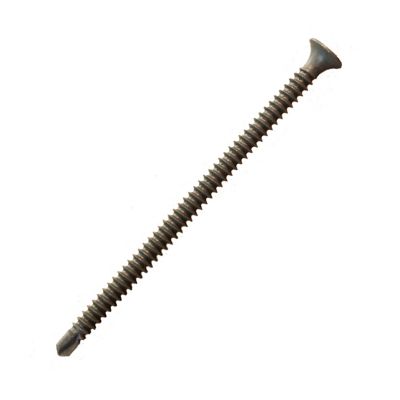
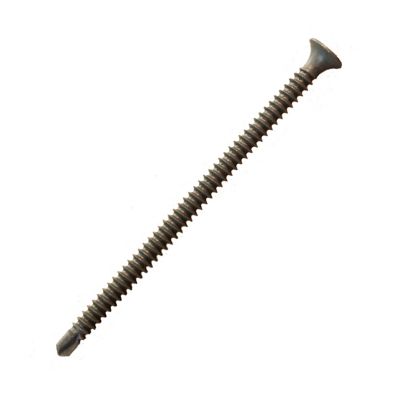
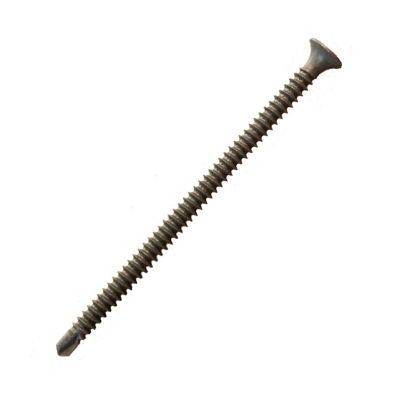
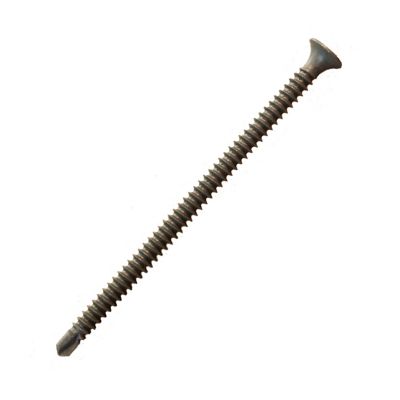
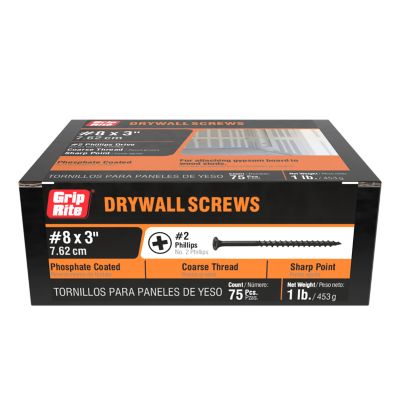
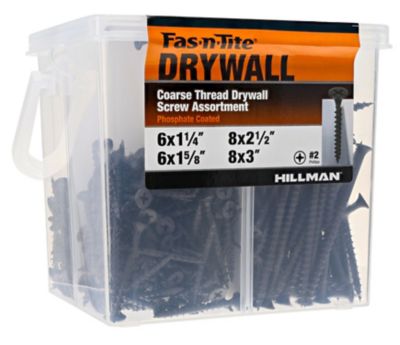
Screws for drywall to metal studs are made to fasten gypsum panels to steel framing, with thread patterns, points, and heads suited to that pairing. For standard 1/2-inch drywall over light-gauge steel studs, a common choice is a #6 fine-thread drywall screw measuring 1-1/4 inches long, with a sharp piercing point and a bugle head. That combination is a starting point, not a fit for every wall: the screw’s stated steel-thickness range and the requirements for the wall assembly still matter. Fine threads suit steel framing, while coarse-thread drywall screws are generally intended for wood studs. The difference matters when finishing a farm office, putting up a partition in a shop, or closing in a utility room with metal framing. A screw that catches the steel properly helps pull the panel snug against the stud without leaving the head standing proud of the surface. Sharp-point drywall screws are commonly specified for thin, nonstructural steel framing, including many studs described as 20 to 25 gauge. Gauge labels alone, though, do not tell the whole story, since steel framing can have different thickness designations. Matching the fastener’s listed drilling or piercing capacity to the actual steel thickness gives a clearer picture of fit. Heavier steel generally calls for a self-drilling drywall screw, whose drill-shaped tip makes its own opening before the threads engage. Both point styles belong in drywall work when matched to the right framing; neither is automatically the better choice for every job. Contractors, maintenance crews, property owners, and folks tackling a room renovation all have reason to pay attention to those distinctions. On a wall with a doorway, several panel seams, and narrow strips around an opening, consistent fastening makes a difference across plenty of small contact points. These screws serve a particular purpose: attaching drywall to steel, rather than joining structural framing, fastening deck boards, or anchoring shelving through a finished wall.
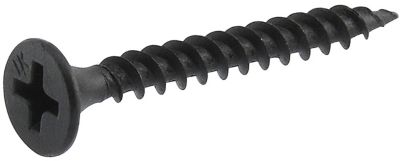
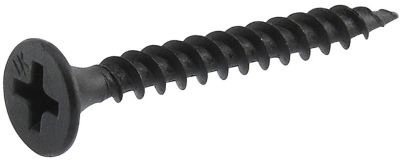
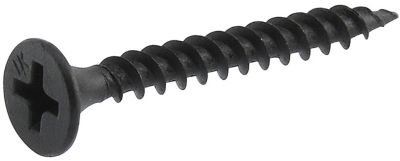
Length, head shape, and drive style round out the fit between a drywall screw and the assembly it holds together. Screw length needs to account for the full thickness of the gypsum board and any additional layers, while meeting the required penetration through the steel framing. A 1-1/4-inch screw is common for a single layer of 1/2-inch drywall, and a 1-5/8-inch screw may suit thicker board or another assembly when the specifications call for it. A ceiling does not automatically require a particular longer screw, and a second layer of drywall does not make 1-5/8 inches sufficient in every case. Total board thickness, framing thickness, and the wall or ceiling system’s requirements determine the right length. Too little reach can leave inadequate thread engagement; extra length is no substitute for the proper point and thread design. The bugle head is another defining feature of drywall fasteners. Its curved underside helps form a shallow recess in the panel face, leaving room for joint compound while limiting damage to the paper when driven correctly. The intended result is a head just below the surface with the facing paper intact, not a deep crater with torn edges. That paper contributes to the fastening connection, so a screw buried too far can weaken its hold on the panel. Phillips drives are common in this category, and a properly fitting bit helps maintain engagement as the screw enters the steel. A depth-setting drywall screw gun or compatible depth-control accessory can help produce consistent recesses across a panel. Those details matter on broad, open walls as well as tight corners where tool access is awkward. Screw spacing also belongs to the assembly rather than a one-size-fits-all rule. Board orientation, wall versus ceiling placement, framing spacing, and fire-rated construction can change the fastening pattern. Manufacturer instructions, approved assembly details, and applicable building requirements take priority over general spacing suggestions, especially for overhead panels and multilayer systems.
Most drywall screws are steel, often hardened to support piercing and driving, with a finish selected for their intended application. Black phosphate is a familiar finish for interior drywall screws, but it is not a waterproof barrier or a promise against rust. It provides limited corrosion protection and a surface suited to conventional drywall finishing; it does not make an ordinary interior screw suitable for prolonged dampness, exterior exposure, or every treated material. A galvanized steel stud does not remove the need to check the screw’s own coating and application rating. In a utility space with persistent moisture concerns, the board, framing, fasteners, and finish all need to suit that environment. Cement board and other specialty panels may require their own fasteners rather than standard drywall screws, even when the framing behind them is steel. The same distinction applies to other material pairings around a property.
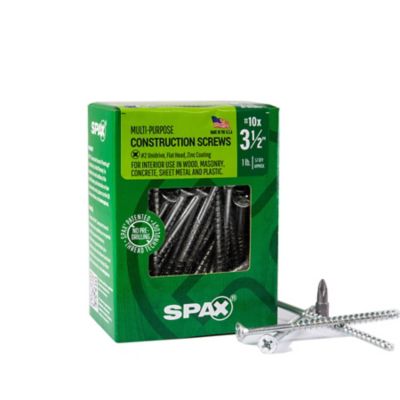
Metal To Wood Self Drilling Screws address a different fastening task, where the connection involves metal and a wood base rather than gypsum board over steel studs. Keeping those applications separate helps prevent a screw chosen for one project from ending up in another where its head, threads, or coating do not belong. For drywall work, packaging details such as diameter, length, point style, steel-thickness capacity, and intended substrate are more useful than appearance alone. Loose screws and collated screws also fit different workflows: loose fasteners suit conventional driving, while collated formats need an autofeed tool compatible with the strip and screw dimensions. Care is straightforward but worth a little attention. A dry, closed container keeps fasteners organized and helps protect their finish, while clearly separated lengths make it easier to keep the right screw with the right board thickness. Screws with damaged drive recesses, bent shanks, or visible corrosion are poor choices for a clean installation. From a small repair beside a shop doorway to full sheets across an office partition, matching the screw to the board and steel supports a firm attachment and a surface ready for taping and finishing.