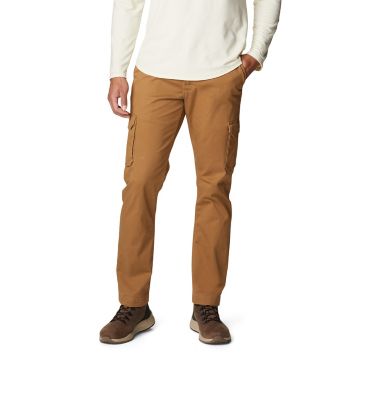
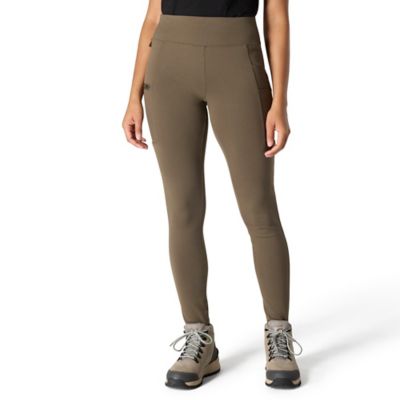
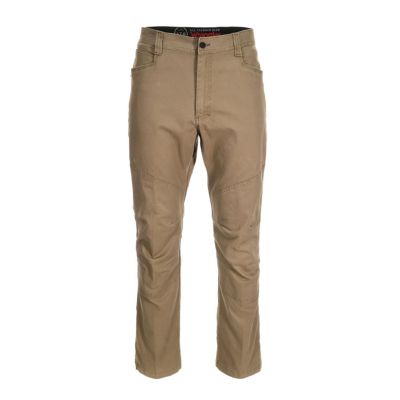
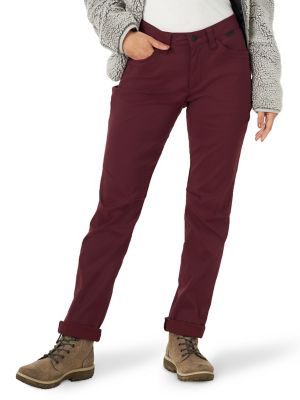
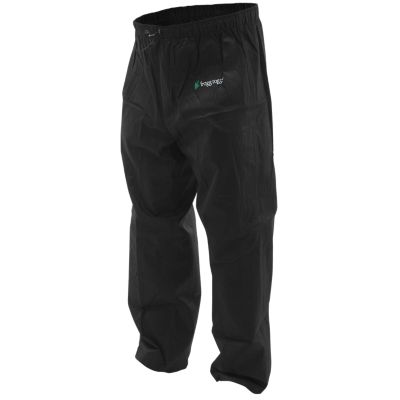
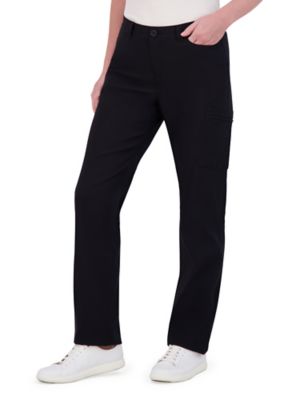
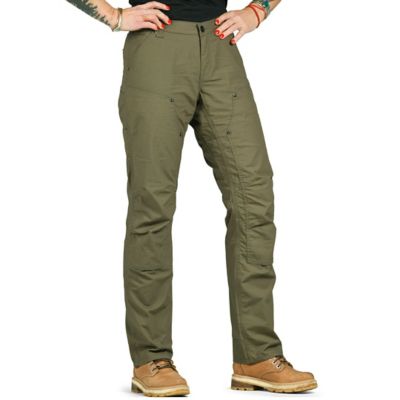
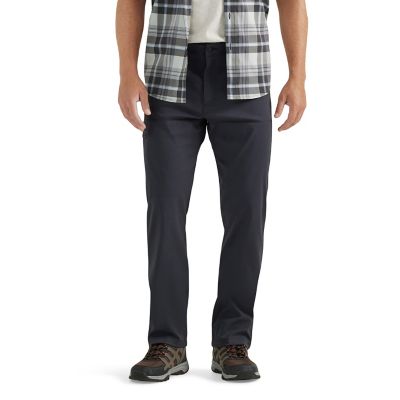
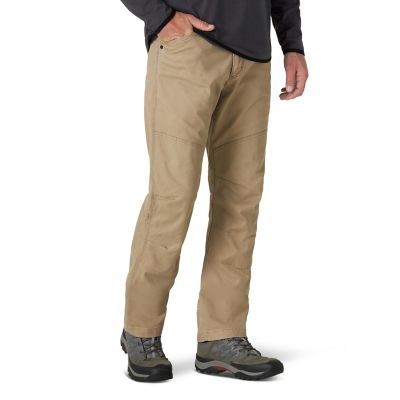
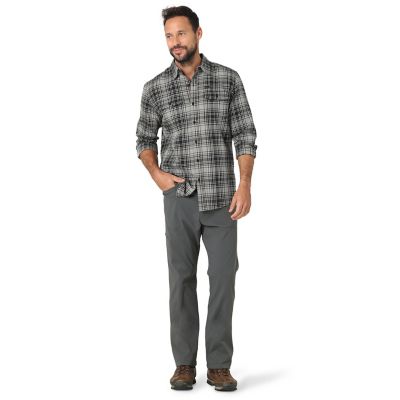
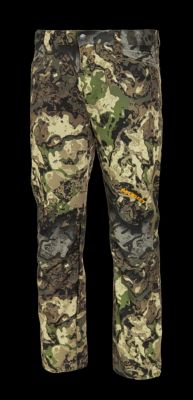
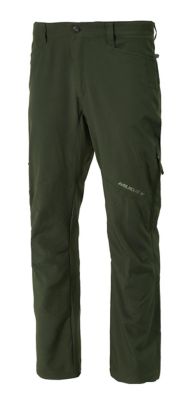
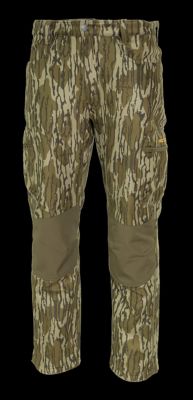
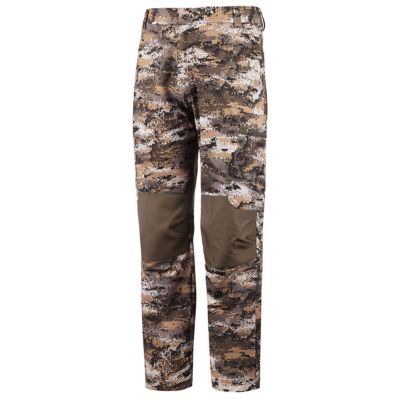
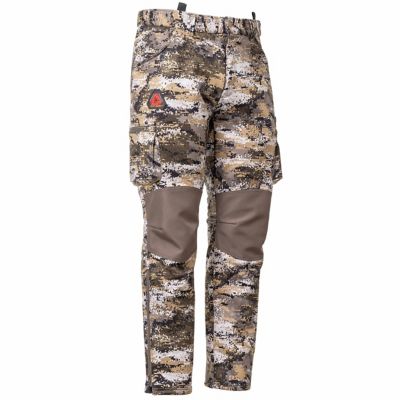
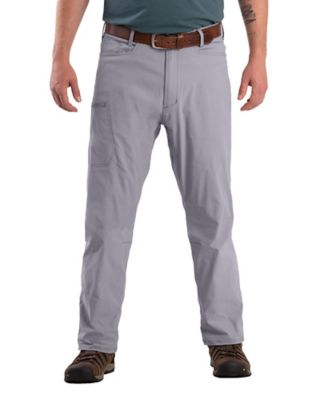
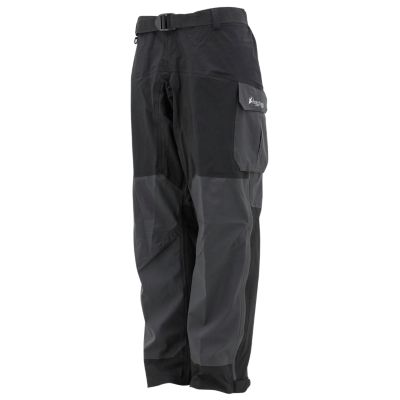
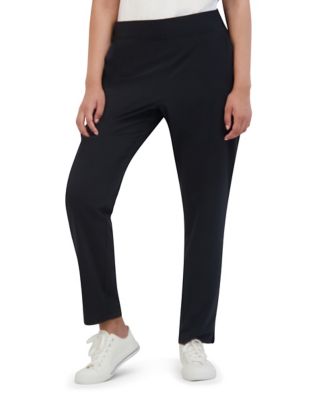
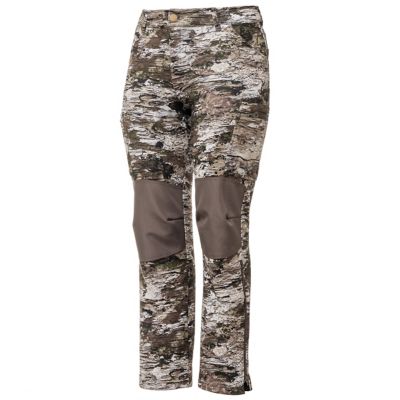
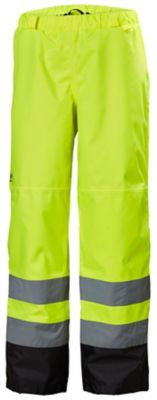
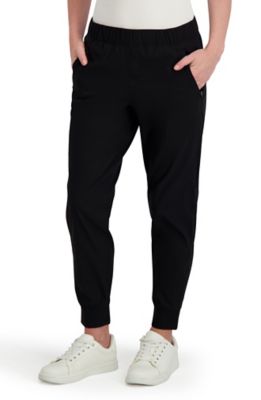
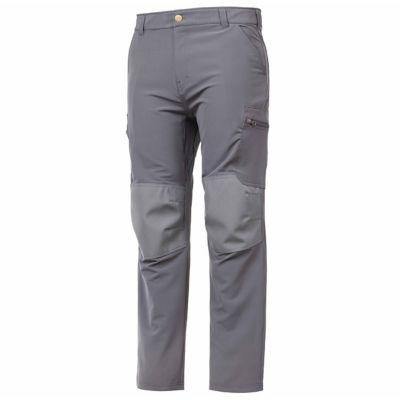
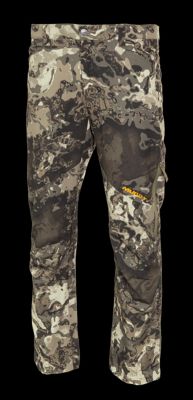
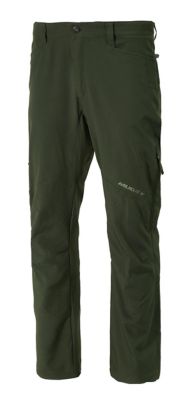
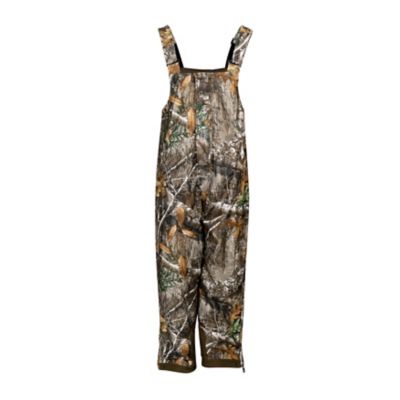
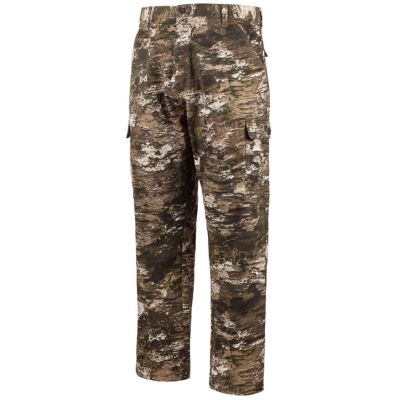
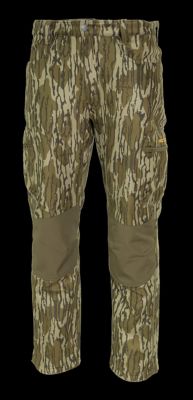
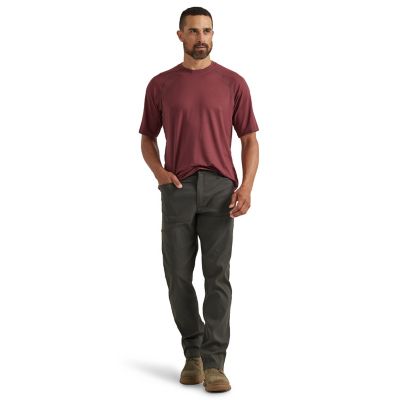
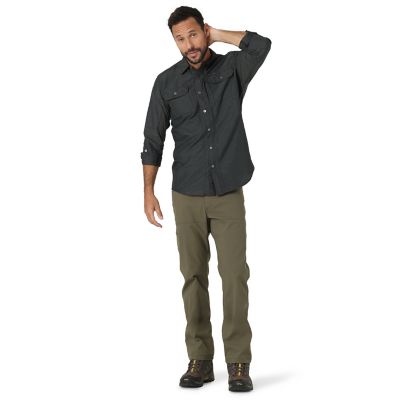
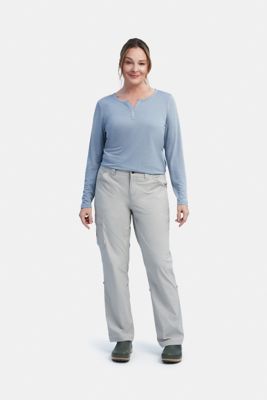
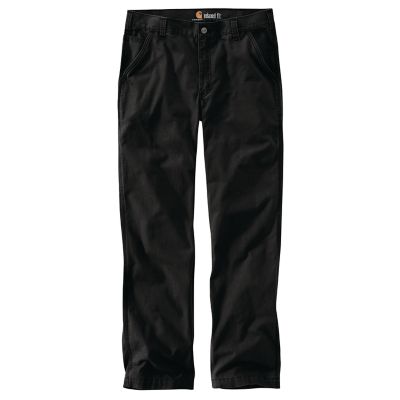
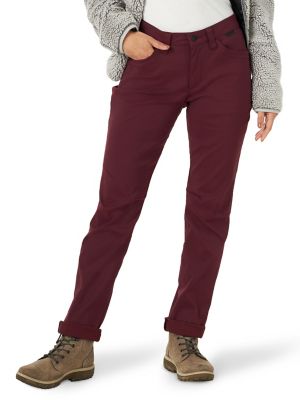
Synthetic hiking pants are a dependable choice for days spent on the trail, around the campsite, or working outside when jeans feel too heavy and shorts leave your legs exposed. Made from fast-drying fabrics such as nylon, polyester, or a blend of both, these pants are built to handle brush, rock, dust, and changing weather without holding on to moisture for long. Nylon is known for its toughness and abrasion resistance, making it a solid pick for scrambling over rough ground, pushing through overgrown paths, or kneeling beside a tent while setting up camp. Polyester tends to feel light and dries quickly after a sweaty climb or a quick rinse at camp. Many pairs also include a small amount of spandex or elastane, which gives the fabric enough stretch for stepping over logs, climbing into a truck, or bending down to adjust a pack. Look for a fit that gives you room to move without bunching around the knees or catching on branches. A regular or relaxed cut can feel more comfortable for long days and layered clothing, while a slimmer cut may suit smooth trails and everyday wear. Features such as articulated knees, a gusseted crotch, a comfortable waistband, belt loops, and secure pockets can make a noticeable difference once you have several miles behind you. Zippered pockets help keep a phone, keys, license, or pocketknife from bouncing out, while larger utility pockets give you a handy place for a trail map, gloves, or a small snack. Before choosing a pair, consider the kind of ground and weather you usually face, how much layering you prefer, and whether you want pants that can pull double duty for travel, yard work, fishing, or casual weekends.
Weather resistance is another useful feature to weigh when shopping for synthetic hiking pants. Some fabrics have a durable water-repellent, or DWR, finish that encourages light rain, morning dew, and wet grass to bead up and roll away instead of soaking straight through. This type of finish is helpful during a misty walk or a damp stretch of trail, but it is not the same as fully waterproof construction. For steady rain, saturated brush, or a forecast that calls for hours of wet weather, a dedicated shell layer or a pair of
Mens Waterproof Hiking Pants may offer better protection. Breathability matters, too. A pair that lets heat and sweat escape can feel much more comfortable on a steep climb, especially when the air is cool but your pace is working up a sweat. Some synthetic hiking pants offer UPF protection for sunny stretches, which can help reduce direct sun exposure on long walks or open fields. Venting options, roll-up legs, and convertible details may also be useful, though the best features depend on your routine. For cooler months, think about how the pants will work over a base layer without becoming tight at the waist or restrictive through the thighs. For warmer days, a lightweight weave and quick-drying fabric can help you stay comfortable from an early morning start through a warm afternoon. Durability is worth considering if you spend time around gravel, fencing, pets, or rough timber. Reinforced stitching and sturdy fabric can stand up to regular wear, while a little flexibility keeps those stronger materials from feeling stiff. Care is usually straightforward: follow the garment label, avoid products that can damage a water-repellent finish, and give the pants plenty of room to dry before storing them. A quick shake after a dusty hike and a regular wash can help keep grit from working into the fabric and wearing it down.
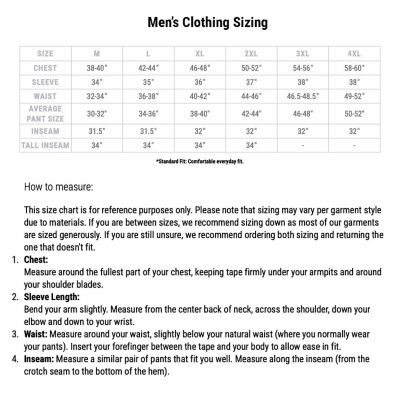
Synthetic hiking pants can serve a wide range of people, from experienced hikers and hunters to dog walkers, campers, gardeners, and anyone who spends a lot of time outdoors. They are a practical addition to a work-and-weekend wardrobe because the same pair can handle a trail in the morning, a stop at the feed store, and a chilly evening by the fire. They also make a thoughtful gift for someone who enjoys state parks, backroads, fishing trips, volunteer trail work, or family camping. If you are buying for someone else, pay close attention to waist and inseam measurements, preferred fit, and the type of pockets they find useful. A person who carries a folding map and multitool may value secure cargo storage, while a traveler may prefer a lighter, cleaner-looking style that packs small and dries overnight. For a regular hiker, neutral colors can blend easily with other outdoor layers, and a dependable pair in a familiar size can become a go-to choice for cooler walks and changing conditions. Prices can vary from budget-friendly everyday options to more technical designs with upgraded stretch, weather resistance, reinforced panels, and specialized construction, so it helps to compare the features you will actually use rather than paying for details that will sit unused. Whether you are heading down a wooded path with leaves underfoot, crossing a rocky ridge in a cool breeze, or doing chores on a damp morning, the right synthetic hiking pants should move naturally, dry without a fuss, and hold up to the kind of use that keeps you outside.