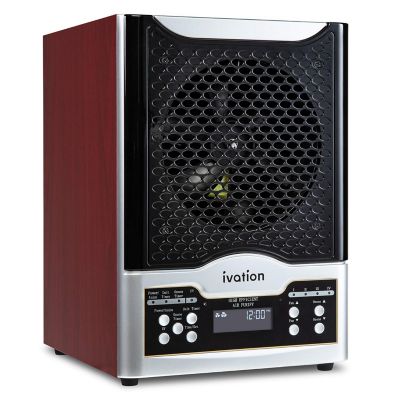
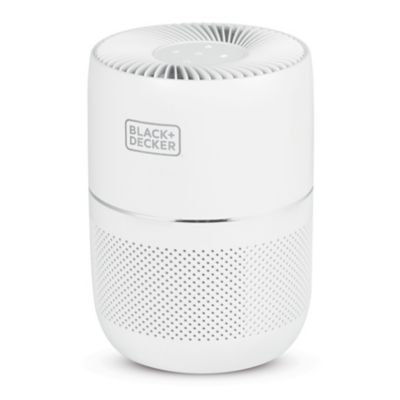
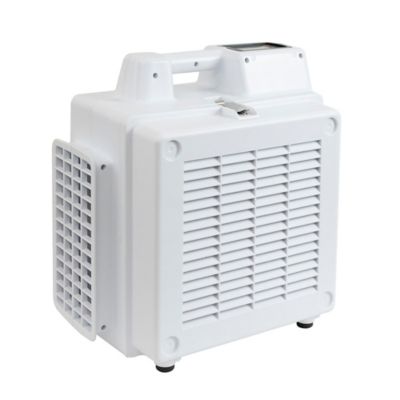
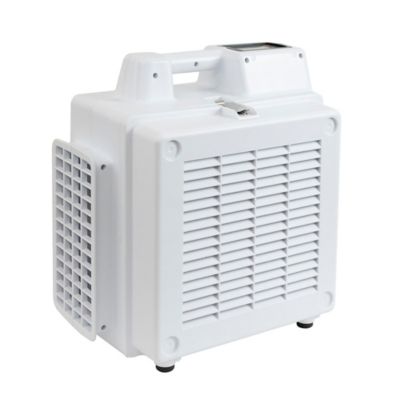
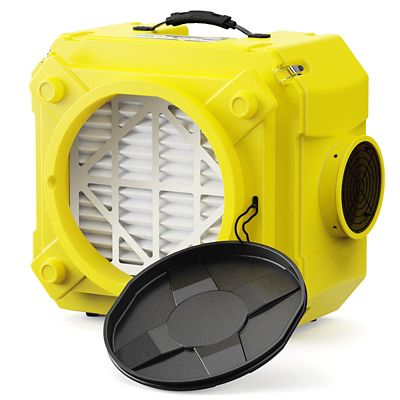
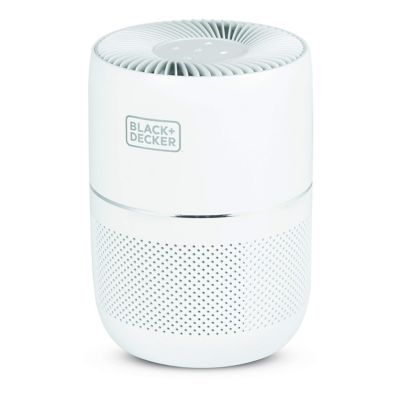
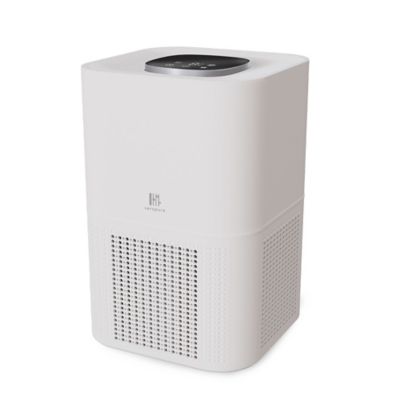
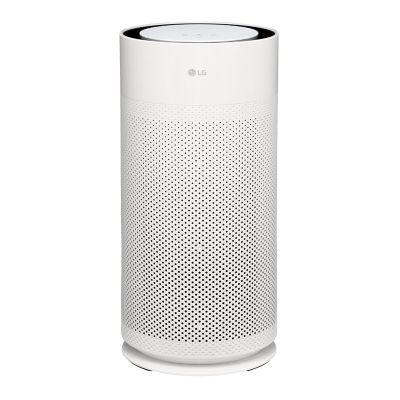
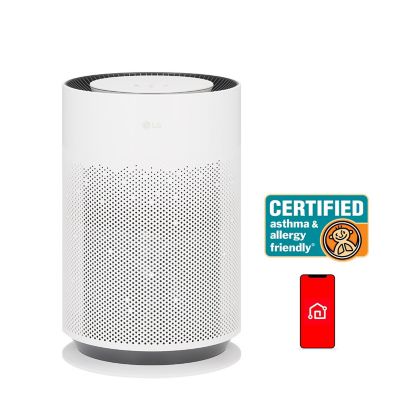
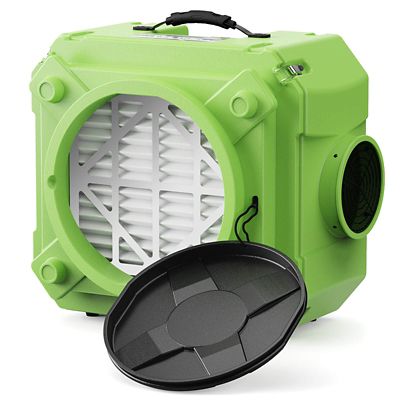
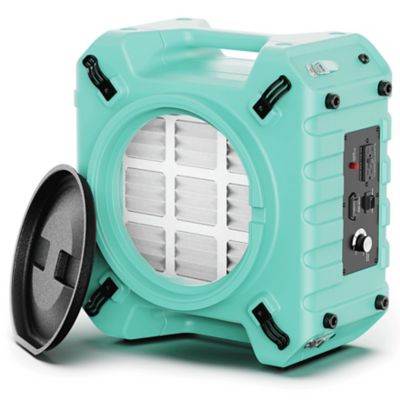
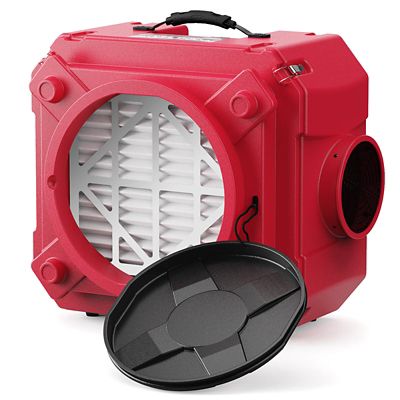
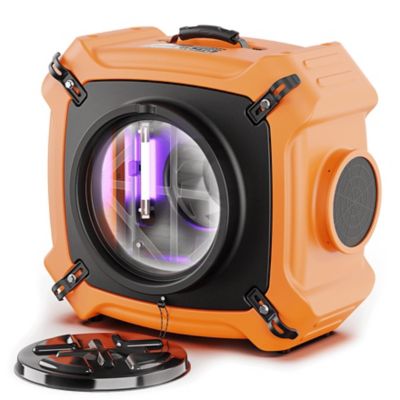
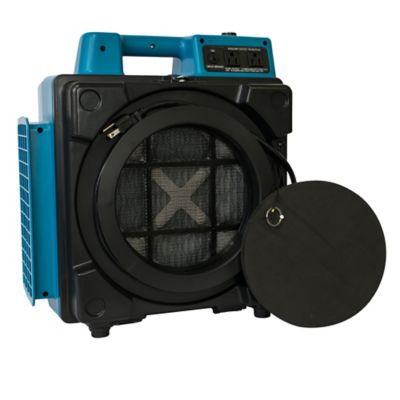
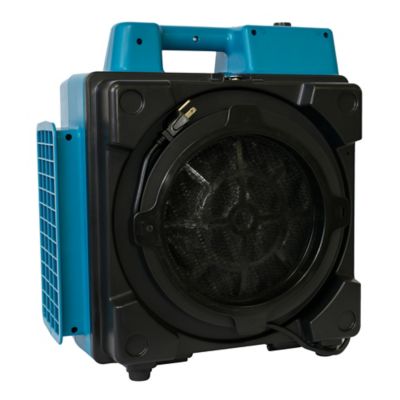
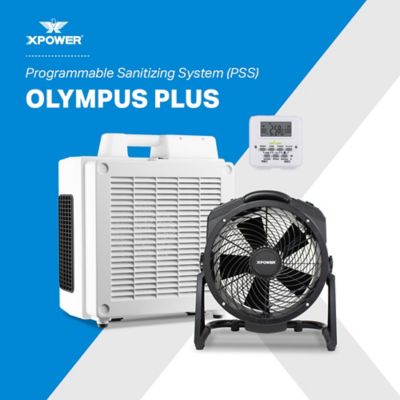
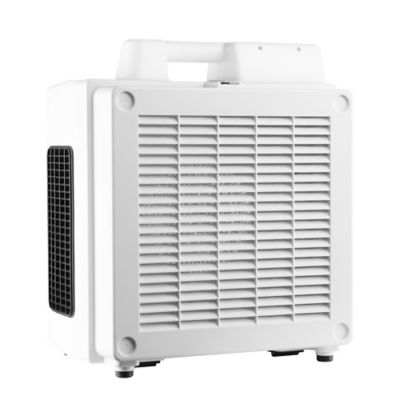
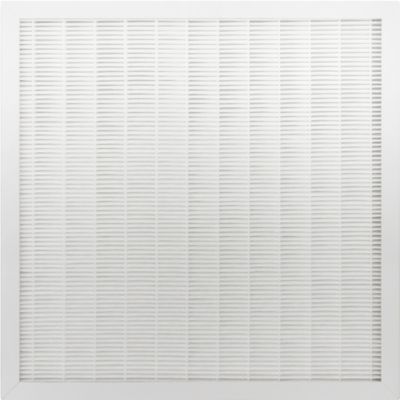
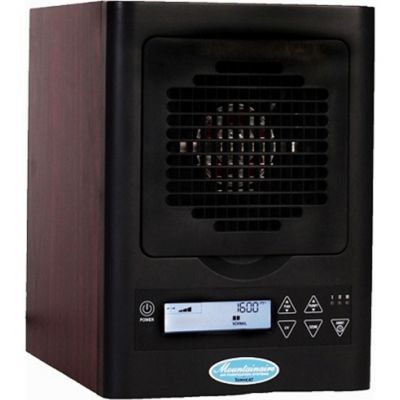
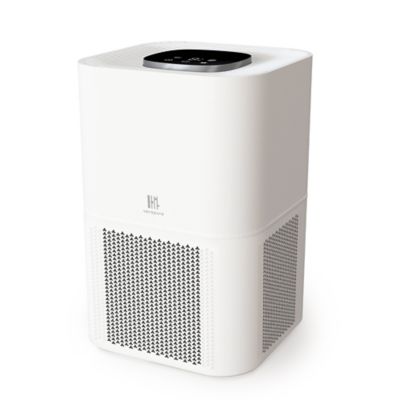
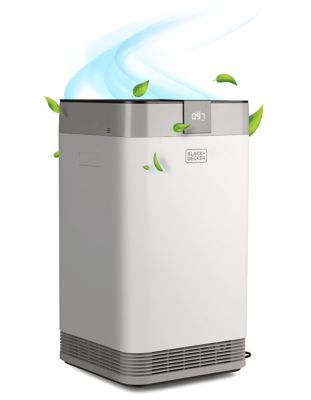
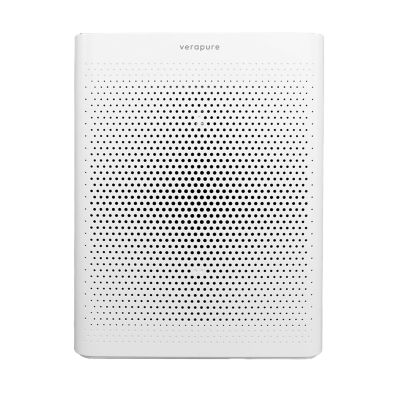
HEPA air cleaners are a practical way to help freshen the air inside bedrooms, living rooms, home offices, nurseries, workshops and other occupied spaces. A true HEPA filter is designed to capture at least 99.97% of particles measuring 0.3 microns, including many common airborne bits such as dust, pollen, pet dander and some smoke particles. A fan draws room air through the filter, where layered fibers catch small particles, then sends filtered air back into the room. This steady circulation can be especially helpful in homes with dogs, cats, livestock clothing, dusty floors, wood-burning stoves or seasonal pollen drifting in through open doors and windows. It may also suit people who are sensitive to airborne irritants or simply prefer a cleaner-feeling space, though an air cleaner is not a substitute for medical care, good ventilation or routine cleaning. As the weather warms, an air cleaner can help manage pollen and dust brought indoors on boots, work clothes and pets. During the cooler months, when windows often stay closed and the household spends more time inside, it can help keep indoor air moving through filtration instead of letting fine particles linger. Some models include an activated carbon layer in addition to HEPA filtration. Carbon is useful for absorbing certain household odors, cooking smells and gases, while the HEPA portion focuses on particles. Since these filters work in different ways, checking the listed filter type helps you choose an air cleaner that fits the job. An air cleaner placed near a pet bed may be a handy choice for dander and everyday dust, while one in a bedroom can quietly run through the night. In a mudroom, den or hunting cabin, it may help filter airborne dust and smells that come in from outside. Keeping the unit where air can move freely—rather than tucked behind furniture or pushed tight against a wall—helps the fan do its work.
Room size is one of the most important details to compare when looking through HEPA air cleaners. Coverage ratings are generally based on how much air a unit can filter in a given space, so match the recommended square footage to the room where it will run. A small tabletop unit may make sense for a bedroom, office or nursery, while a larger room with high ceilings, an open floor plan or frequent foot traffic may call for a higher-capacity model. If the space falls between two coverage ratings, choosing the unit with more capacity can provide added flexibility, particularly when doors are open or the air is especially dusty. Air changes per hour, fan speed and clean air delivery information can also help you compare performance, but the best choice still depends on how and where you plan to use it. Noise matters, too. A low setting or sleep mode can be more comfortable beside a bed, in a baby’s room or in a home office where a steady hum could become distracting. Higher settings may be useful after sweeping, cooking or bringing dusty gear inside, while a quieter setting can maintain airflow during the night. Look for practical features such as adjustable fan speeds, filter-change indicators, timers, handles and easy-to-use controls. Some air cleaners offer automatic settings that adjust fan speed when the built-in sensor detects changes in air quality, while others keep operation simple with a few clearly marked controls. Portability can be helpful in a farmhouse or other busy home where the unit may move from a bedroom to a living room, but remember to let the cleaner run long enough in each space to circulate the room’s air. These units are also worth considering as a useful gift for new homeowners, college students, grandparents, pet owners or anyone settling into a smaller apartment, guesthouse or workshop office. A compact air cleaner can be a thoughtful housewarming gift because it supports everyday comfort without taking up much room. For broader whole-home filtration, you can also compare
HEPA HVAC Filters, which are made to work with compatible heating and cooling systems rather than as stand-alone room units.
Filter care plays a big part in keeping a HEPA air cleaner working as intended. Check the manufacturer’s instructions before cleaning or replacing anything, since some prefilters can be vacuumed or washed while the main HEPA filter is designed for replacement. Many filters last roughly six months to a year, but actual service life depends on run time, fan speed, indoor dust, smoke, pet hair and local air conditions. A home with several pets, frequent remodeling or a dusty gravel driveway may need more frequent attention than a lightly used guest room. A filter that looks gray, feels clogged or causes noticeably weaker airflow may be ready for service even if the calendar has not reached the usual replacement interval. Keep the intake and exhaust areas clear, wipe the outside of the unit with a dry or slightly damp cloth, and avoid operating it in wet areas unless it is specifically rated for that use. Air cleaners work best as part of a simple indoor-care routine that includes vacuuming, laundering pet bedding, changing HVAC filters, controlling moisture and using kitchen or bathroom exhaust fans. They do not remove every kind of pollutant, and they will not pick up settled dust until it becomes airborne, so regular cleaning still matters. Place the unit in a room where people spend time, leave enough space around the vents, and close doors and windows when you want to concentrate filtration in that area. Used this way, a HEPA air cleaner can become an easy, low-fuss part of daily life—from clearing the stale feeling after a dusty chore to helping a bedroom feel more comfortable after a long day outside. Compare coverage, filter construction, noise, controls, maintenance needs and overall fit for your space before choosing the unit that best matches your household.