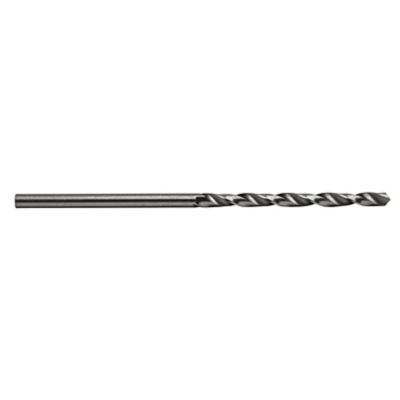
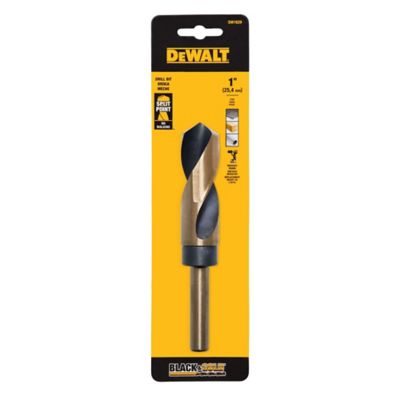
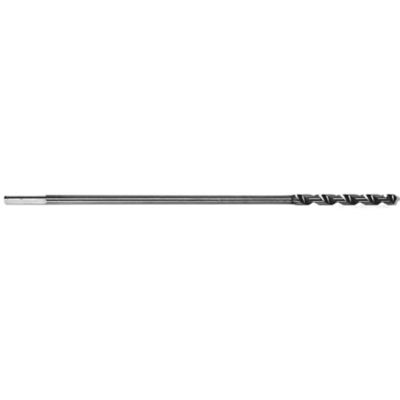
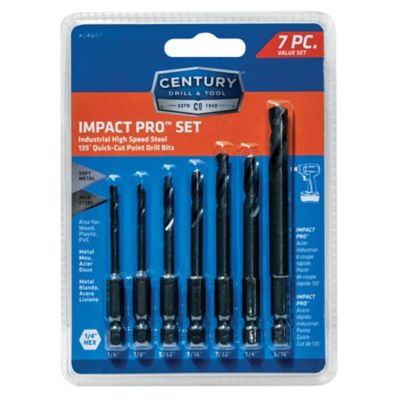
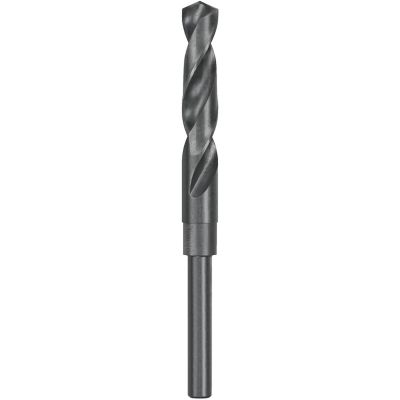
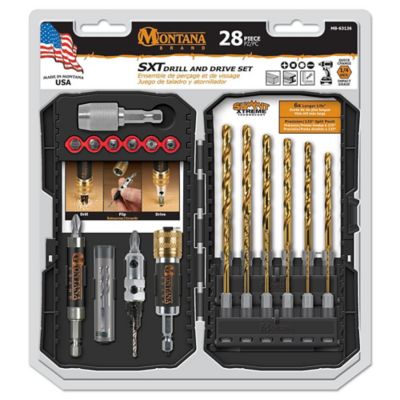
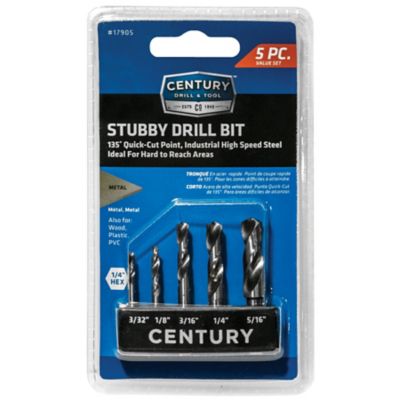
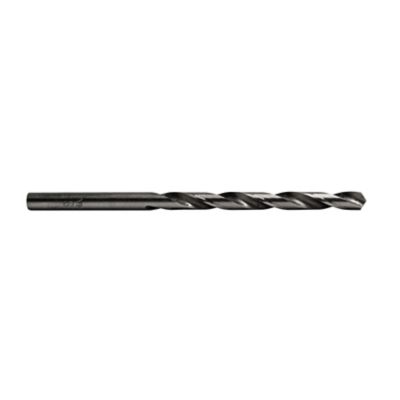
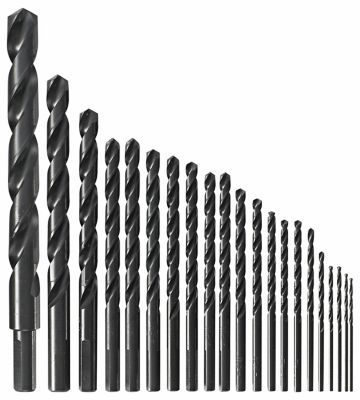
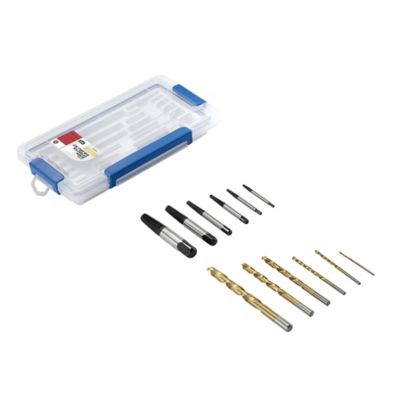
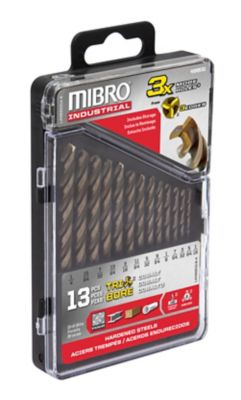
When you’re working as an electrician or tackling electrical projects around the farm, the right drill bit can make all the difference. Electricians need drill bits that can power through all sorts of materials—wooden studs, metal panels, even tough masonry—without slowing down or wearing out too fast. That’s why you’ll notice a wide variety of specialized bits in any pro’s toolbox. Step bits, for example, are a go-to for making clean, perfectly sized holes in metal electrical panels and junction boxes. With their cone-shaped design, they let you drill and widen holes without swapping out bits, which comes in handy when you’re running conduit or setting up new circuits. If you’re working with thick wood framing, auger bits are a must-have. They’ve got a screw-tip that pulls the bit through the wood with less effort, so you can bore deep, straight holes for running wire bundles or non-metallic cables. And for those jobs where you need to fish wires through finished walls with minimal patching, flexible installer bits—sometimes called bellhanger bits—let you snake a path for wiring without making a mess of your drywall.
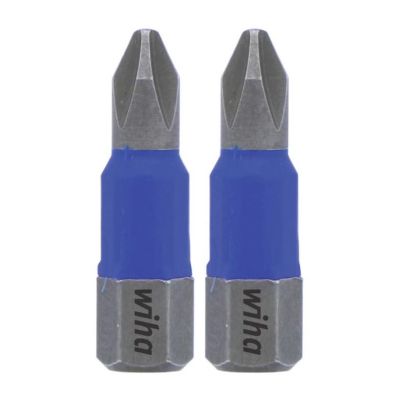
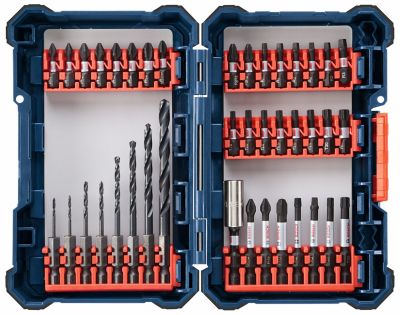
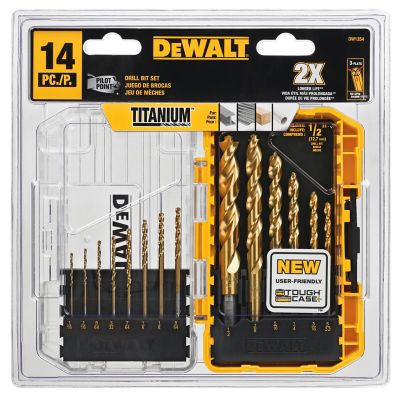
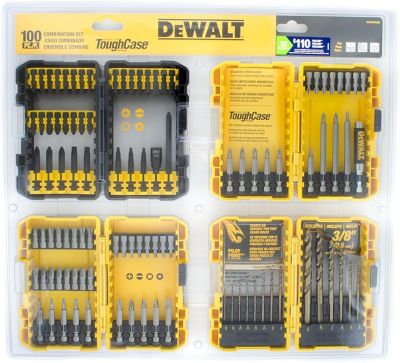
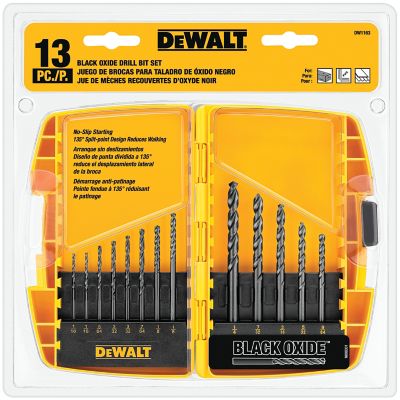
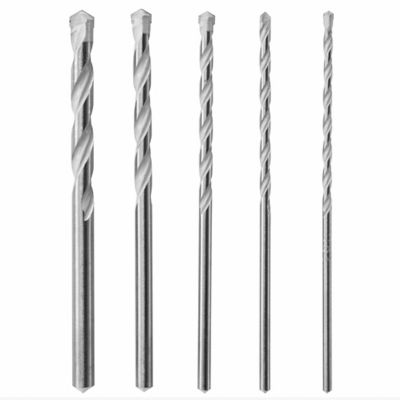
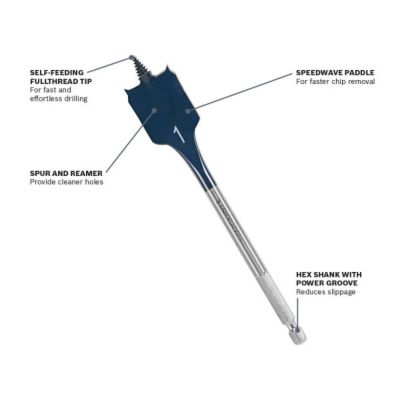
Summer and early fall are prime times for electrical upgrades, whether you’re wiring a new barn, adding outlets in the shop, or just sprucing up the homestead’s lighting. With the weather warming up, folks are more likely to take on those bigger projects that have been waiting all winter. If you’re shopping for someone who spends their days running wire, a set of specialty drill bits makes a practical gift—especially for new electricians or anyone setting up their own workspace. Masonry bits with carbide tips are essential for drilling into concrete, brick, or cinder block, while hole saws are perfect for those larger conduit runs through tough materials like stainless steel or fiberglass. Spade bits, also known as paddle bits, are a budget-friendly way to zip through wood studs, though they do take a little more elbow grease compared to auger bits. Don’t forget about nut drivers and impact-rated driver bits, either—they’re just as important for fastening conduit straps, tightening panel lugs, and mounting equipment. If you’re looking for something to use with your cordless drill, be sure to check out our selection of
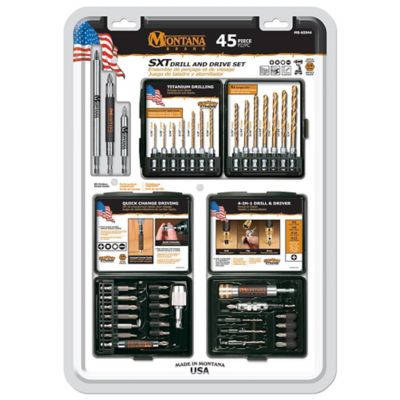
Drill Bits For Cordless Drills for even more options that’ll keep you working efficiently wherever the job takes you.
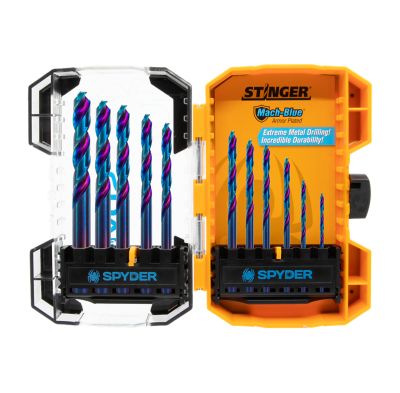
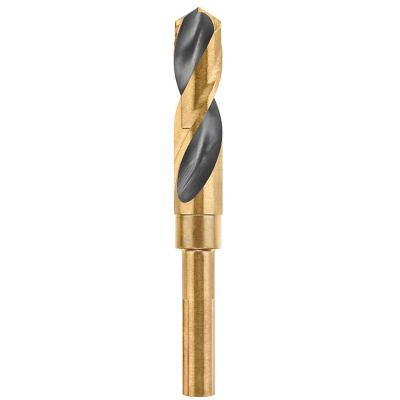
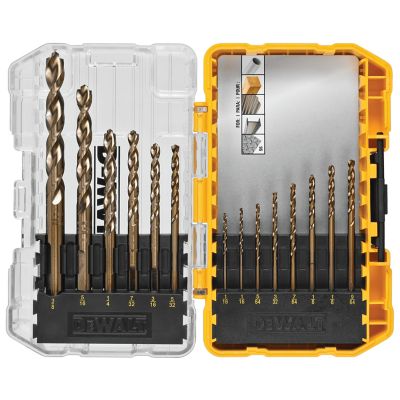
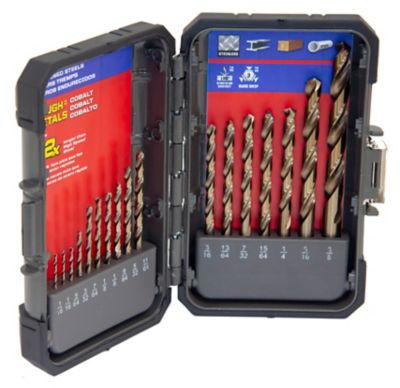
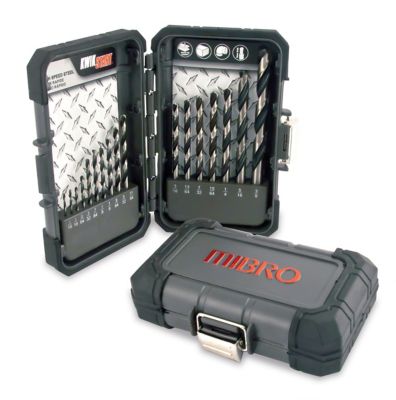
When choosing a drill bit for electrical wiring, think about the materials you’ll be working with and the kind of access you have. For tight spaces or long wire runs, longer installer bits can save you a lot of hassle. If you’re drilling multiple sizes of holes in metal, a step bit cuts down on tool changes and keeps your holes clean and burr-free. For heavy-duty applications, look for bits made from high-speed steel or with carbide tips—they’ll last longer and stand up to repeated use. And no matter what, always match your bit to your drill and the job at hand. Whether you’re a seasoned electrician, a DIYer fixing up your place, or someone just starting out in the trades, having the right electrical drill bit for wiring is key to getting the job done safely and efficiently. With the right tools, you’ll be ready to tackle anything from routine repairs to major upgrades, all while keeping your work neat, professional, and up to code.