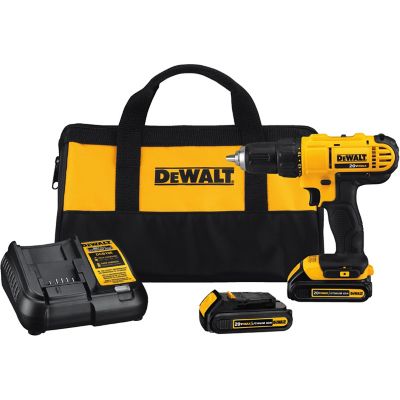
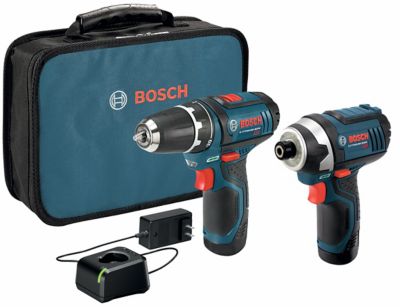
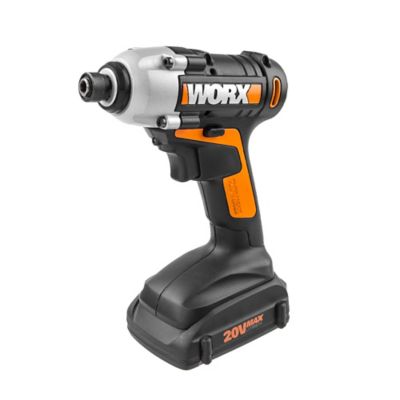
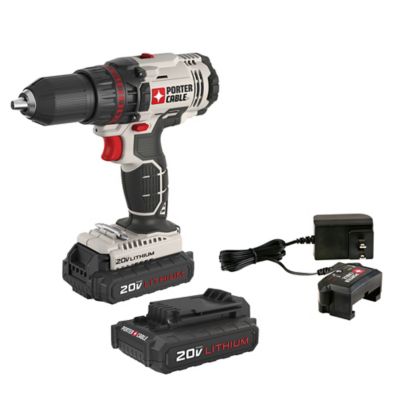
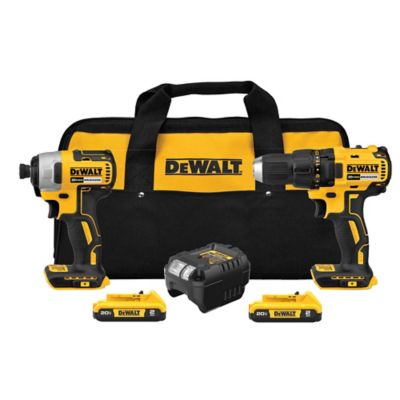
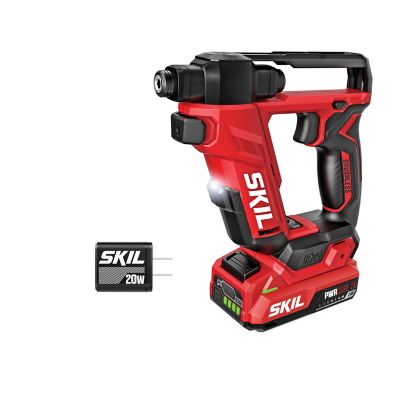
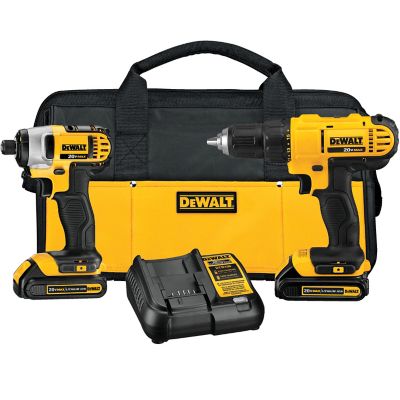
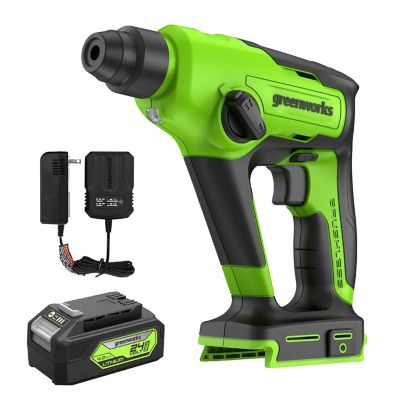
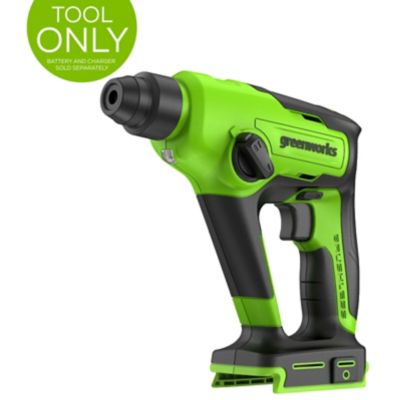
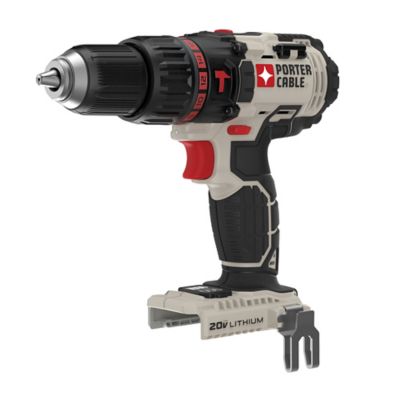
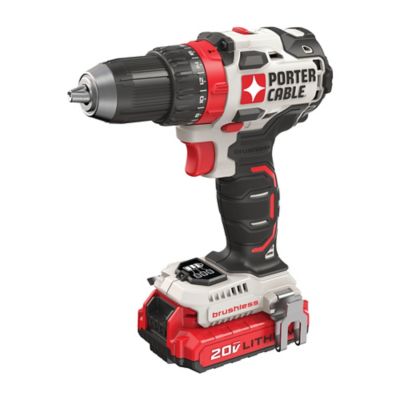
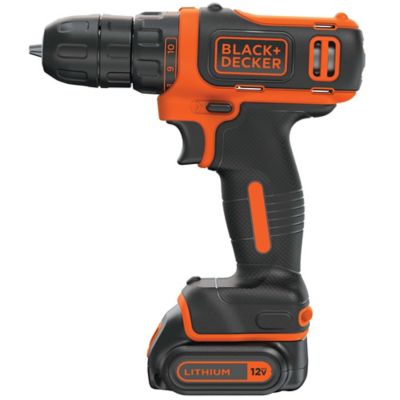
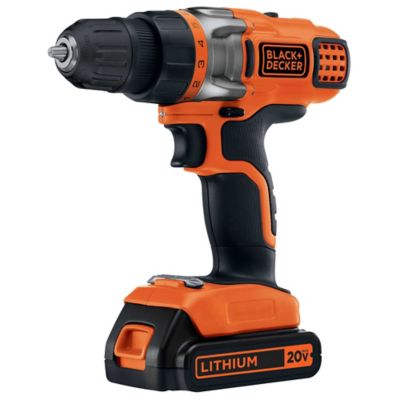
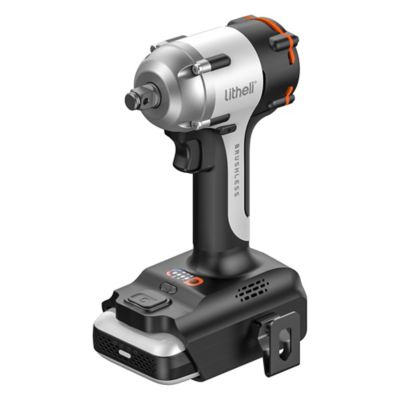
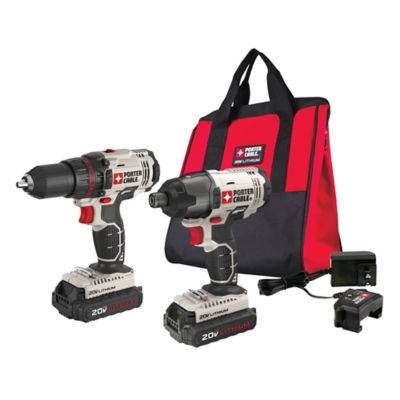
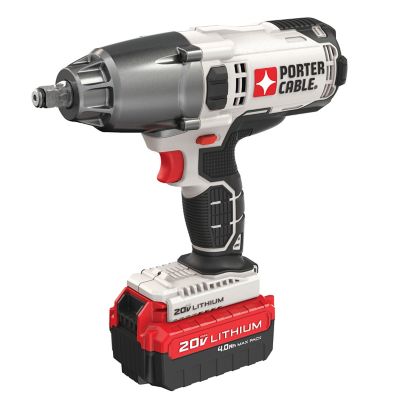
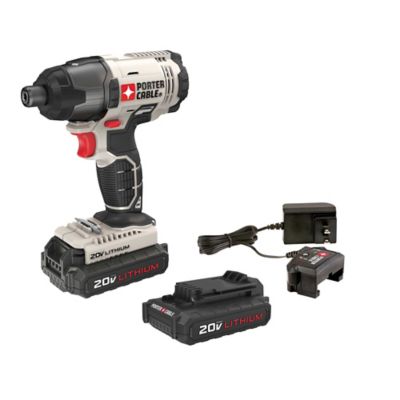
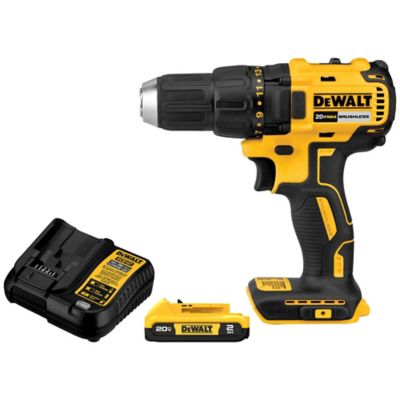
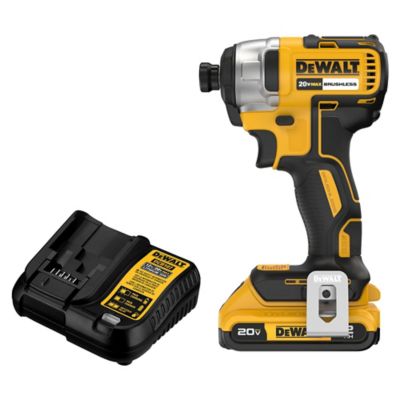
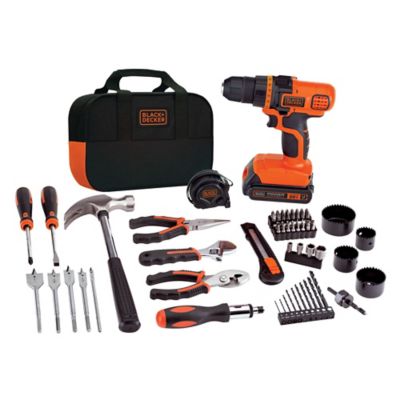
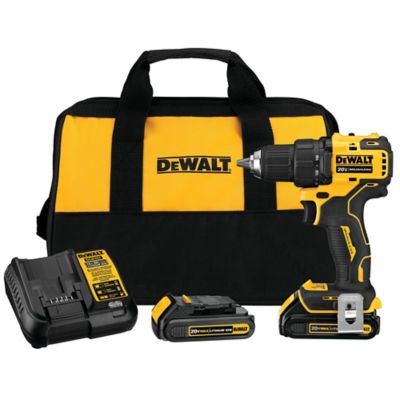
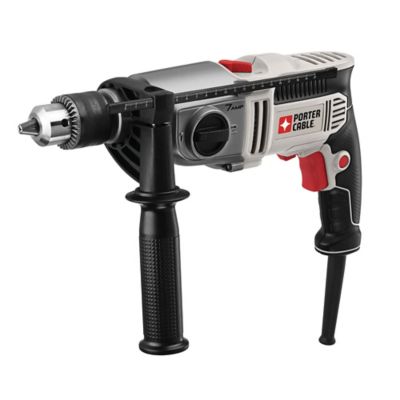
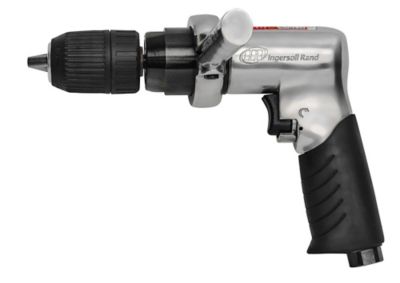
Cordless drills are handy, hardworking tools for making holes and driving screws without dragging an extension cord across the shop, barn, or living room. They are useful for everyday repairs, weekend projects, fence work, furniture assembly, and all the little jobs that pop up around a home or property. A compact 12V drill is light in the hand and easy to maneuver in tight spots, making it a good fit for hanging pictures, putting together cabinets, installing hardware, or tightening screws overhead. Higher-voltage models in the 18V to 20V range generally offer more muscle for larger fasteners, thick lumber, repeated drilling, and demanding work around outbuildings. Power ratings are only part of the story, though. Pay attention to the drill’s speed settings, torque range, chuck size, battery capacity, and overall balance. A tool that feels comfortable in your hand is easier to control when you are standing on a ladder, reaching into a corner, or working through a long row of holes. Two speed ranges are useful for switching between slower, controlled drilling and faster work, while a variable-speed trigger helps you ease into a hole without sending the bit skittering across the surface. A keyless chuck lets you change bits by hand, and a built-in work light can make a big difference in a dim tack room, closet, or garage corner.
The clutch is another feature worth considering, especially for driving screws. It lets you set the amount of torque the drill applies, helping prevent stripped screw heads, cracked boards, and screws driven too far below the surface. Lower clutch settings are helpful for delicate hardware and soft materials, while higher settings provide the extra turning force needed for longer screws and tougher lumber. For drilling, check the chuck capacity and choose bits suited to the material at hand. Standard twist bits work well for many metal and wood tasks, while brad-point bits make cleaner holes in wood and masonry bits are made for brick, block, and concrete. A regular drill can handle light-duty work in some masonry, but projects involving harder materials may call for a model with a hammer-drill setting and the proper bit. Brushless motors are designed to run cooler and use battery power efficiently, which can be helpful when a drill sees frequent use or long stretches of work. Brushed motors can still be a practical choice for occasional repairs and general household jobs. Battery size affects both runtime and weight, so a larger battery may keep you working longer but can make the tool feel heavier. It also pays to consider the battery platform. If you already use cordless tools that share a battery system, staying within that system can make it easier to keep charged batteries on hand and add another tool without buying a completely separate charger and battery setup. For someone building a tool collection from the ground up, a kit with a charger, battery, and a useful selection of bits may be a sensible starting point. Keep batteries out of extreme heat and damp areas, store them in a dry place, and give them time to warm to room temperature before charging if they have been sitting in a cold shed or vehicle.
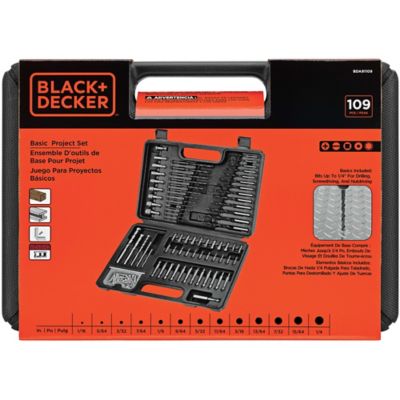
A cordless drill can make a practical gift for a new homeowner, a do-it-yourselfer, a renter who likes to handle small repairs, or anyone setting up a workshop, homestead, or hunting cabin. It is also a thoughtful choice for a young adult moving into a first place, since the need for a drill tends to show up quickly when shelves, curtain rods, furniture, and wall hooks need to be installed. Around a farm or rural property, a cordless drill earns its keep on jobs such as repairing gates, replacing hinges, mounting signs, attaching brackets, fixing stall hardware, and building simple storage. During the cooler months, it can help with indoor projects when outdoor work slows down, from assembling shop benches to preparing a mudroom for wet boots and coats. As the weather shifts and chores move between the house, garage, and barn, cordless convenience means less time hunting for an outlet and more time getting the job done. Keep a basic assortment of bits nearby, including several Phillips and slotted driver bits, nut drivers, wood bits, metal bits, and a bit sized for the fasteners you use most often. Let the drill do the work rather than forcing it, keep the bit straight, and back the tool out occasionally when drilling deep holes to clear dust and shavings. Eye protection is a smart habit, and hearing protection may be useful during extended work. For heavy outdoor maintenance, a cordless drill can also be part of a larger battery-powered setup alongside equipment such as a
Cordless Lawn Mower. With the right power level, a comfortable grip, dependable battery, and useful clutch and speed settings, a cordless drill is the kind of tool that stays busy from small household fixes to steady work around the property.