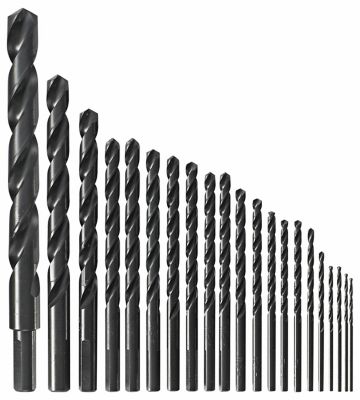
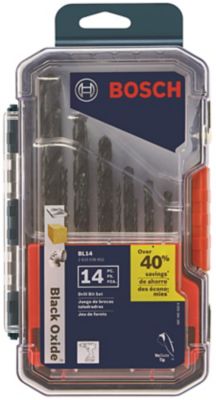
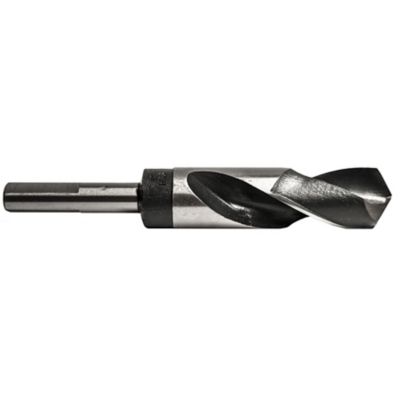
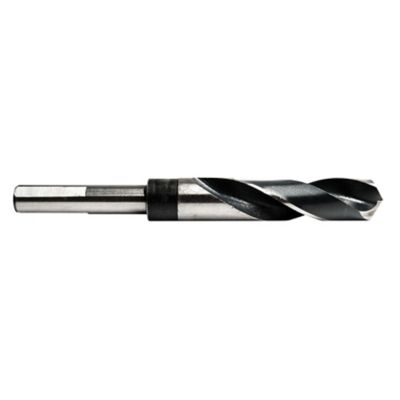
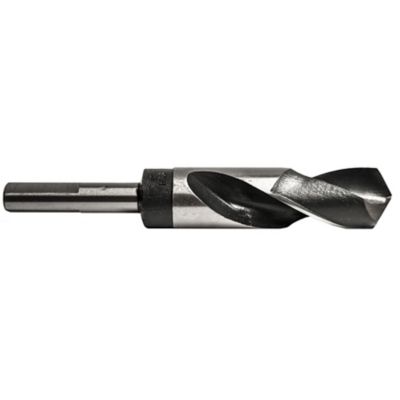
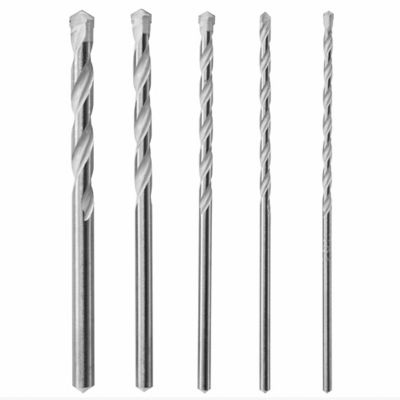
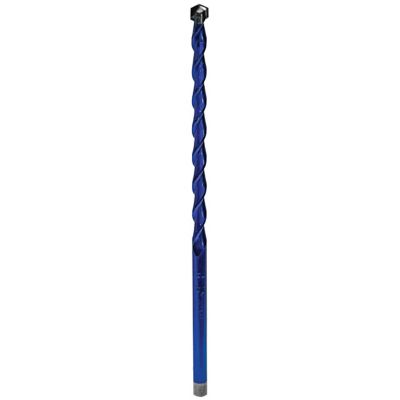
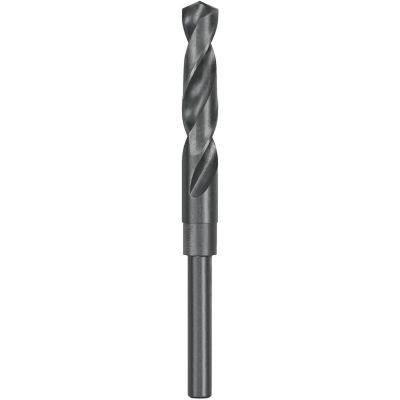
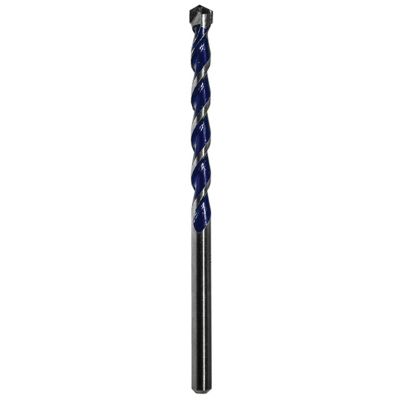
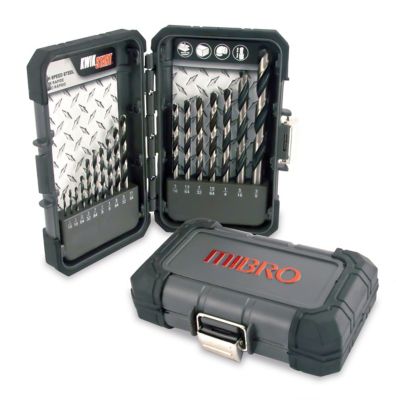
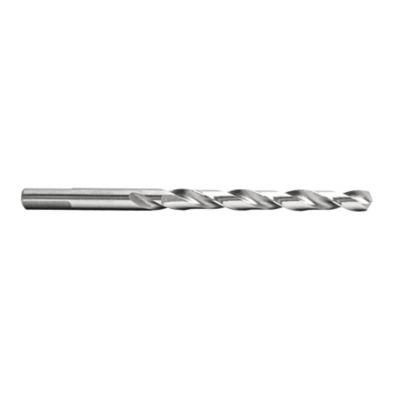
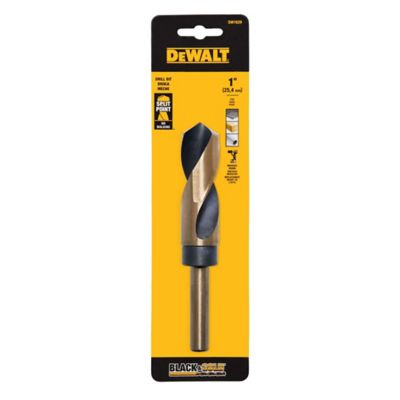
Universal drill bits generally fit standard drill chucks when the shank shape and size match the chuck’s capacity, but “universal” does not mean every bit fits every drill or cuts every material. Most standard round-shank bits and many hex-shank bits work with a conventional three-jaw chuck, whether it tightens with a key or by hand. The shank is the end that goes into the drill; its dimensions determine fit, while the cutting end determines the hole size and suitable materials. A 1/2-inch chuck has a larger maximum gripping capacity than a 3/8-inch chuck, though chuck size alone does not establish how large a hole the drill can handle. Reduced-shank designs can have a cutting diameter larger than the shank, making the drill’s power and rated drilling capacity important considerations, too. Quick-release hex holders require a matching hex shank, and a hex shape by itself does not mean a bit is rated for an impact driver. SDS-plus and SDS-max shanks belong with their matching rotary-hammer holders rather than an ordinary drill chuck. Those distinctions matter whether the job is hanging a gate latch, fitting a shelf in the shop or making mounting holes for a repair around the farm. The word “universal” can also describe multi-material cutting capability, which is separate from drill compatibility. A bit may fit the drill perfectly yet be unsuitable for the surface in front of it. Material ratings, shank dimensions and operating requirements give a clearer picture than the category name alone. For a homeowner keeping one drill near the workbench or a maintenance hand moving between buildings, broad compatibility can make everyday jobs simpler. The right match still starts with the drill, the material and the hole the job calls for, not just a familiar-looking shank.
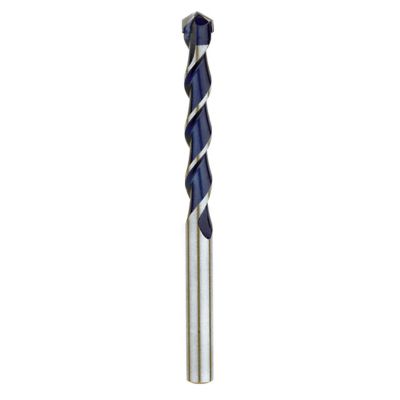
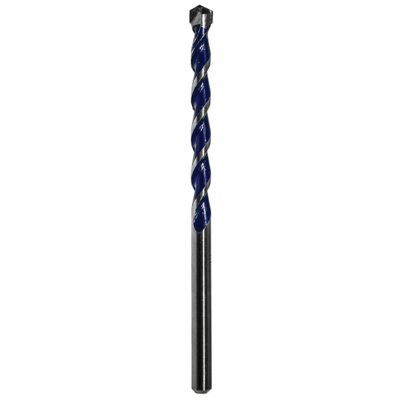
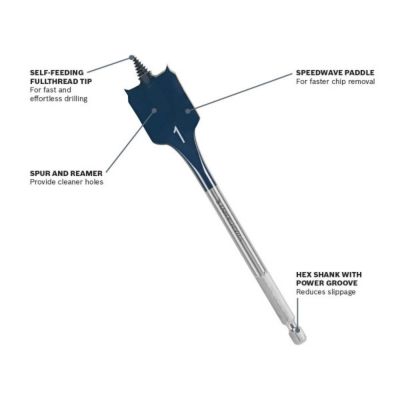
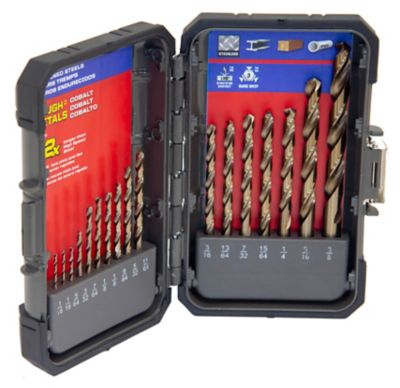
The materials and cutting geometry behind universal drill bits help explain where they earn their place in a toolbox. High-speed steel is common in general-purpose bits for wood, plastics and suitable metals, while cobalt-bearing high-speed steel formulations can offer greater resistance to drilling heat in demanding metal applications. Carbide tips appear on many masonry and multi-material designs because they resist wear against abrasive surfaces. These constructions are not interchangeable promises: a carbide-tipped bit intended for brick does not automatically suit hardened steel, glass or tile. The tip shape, cutting edges and manufacturer’s material ratings all matter. Coatings can help manage friction and wear, but a coating does not turn the wrong cutting design into the right one. Around a barn or workshop, a project might involve a wooden mounting board, a thin steel bracket and a masonry wall, sometimes within the same afternoon. A multi-material bit rated for those surfaces can reduce the need to switch between different cutting types, while a dedicated wood, metal or masonry design may make more sense for repeated holes in one material. Wood benefits from cutting edges that limit tearing around the opening; metal calls for controlled cutting and effective chip removal; masonry requires a tip suited to its abrasive structure. Hammer action is appropriate only when both the bit and the material support it. Diameter and working length deserve just as much attention as construction. A clearance hole for a bolt, a pilot hole for a screw and a hole specified for a masonry anchor can require different dimensions even when the surrounding work looks similar. Longer bits provide reach through thicker assemblies, but extra length can bring more flex and make steady alignment harder. A shorter bit may be easier to control where reach is not an issue. Clear size markings and a useful spread of diameters make it easier to match the hole to the fastener without guessing at the workbench.
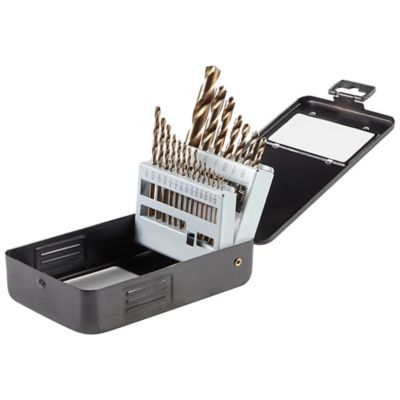
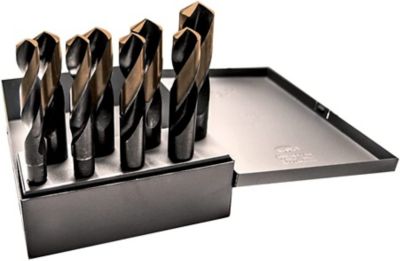
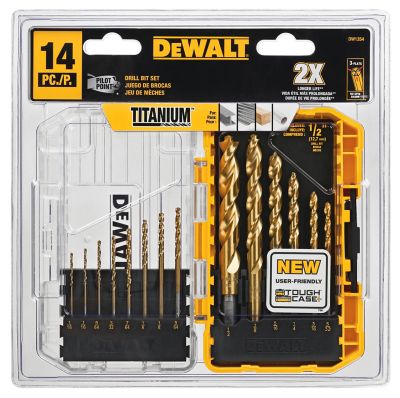
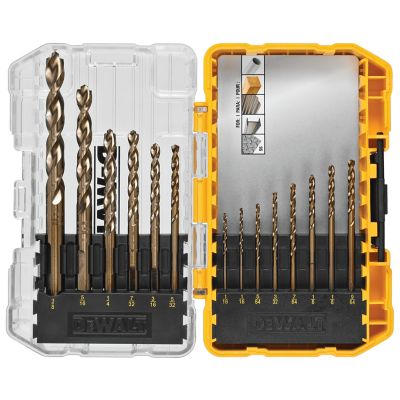
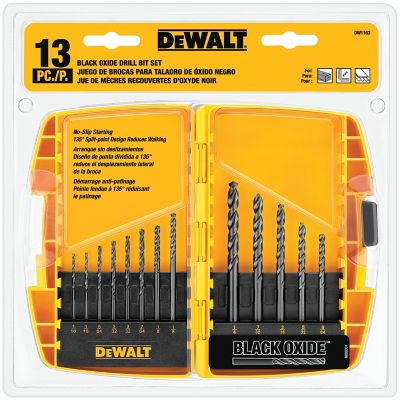
Care and organization make a noticeable difference in how universal drill bits perform over time. Sharp cutting edges tend to cut with less pushing, while rounded edges can create extra friction, rough openings and more strain on the drill. Chips packed into the flutes interfere with material removal, especially in deeper holes, so flute shape and usable cutting length are worth considering alongside overall length. Drilling speed, pressure and any cutting lubricant need to suit the material and the bit maker’s recommendations; more speed or more force is not always the answer. A firm grip on the workpiece helps keep a bit from catching and turning loose material, and eye protection matters around flying chips and masonry dust. On an assembled wall or panel, knowing what sits behind the drilling surface is part of matching the tool to the task. Between jobs, clean, dry storage helps limit rust on exposed steel, and a fitted case keeps cutting edges from knocking together in a drawer full of hardware. Readable size positions also make a missing diameter easier to spot before the next repair starts. A bent shank, chipped tip or cutting edge that no longer performs well can make replacement more practical than continuing to push through a job.
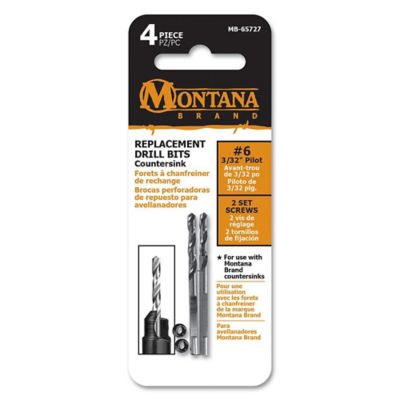
Replacement Drill Bits can help fill those gaps without changing the whole assortment. For farmers, homeowners, maintenance crews and anyone who handles repairs in the shop, a useful selection reflects the work that comes up most often. Common fastener sizes, the materials around the property and the drill already on hand are practical starting points. A well-matched assortment earns its space through ordinary tasks: fastening a hinge, mounting a bracket, adding a pilot hole or getting a piece of equipment back together with a clean opening in the right place.