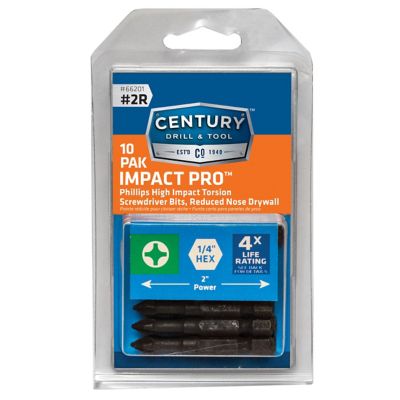
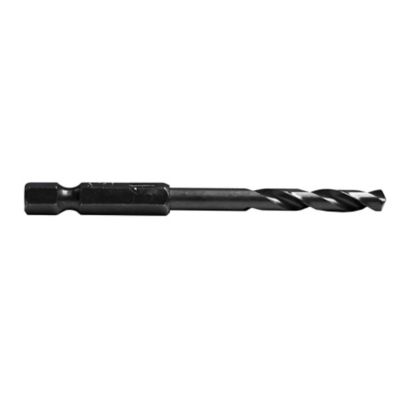
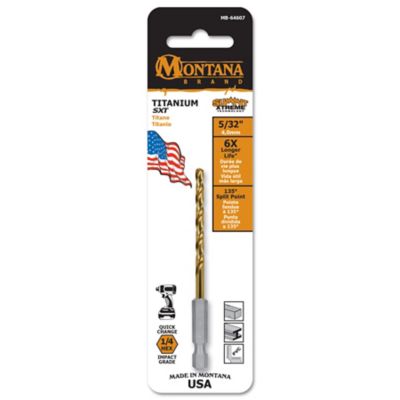
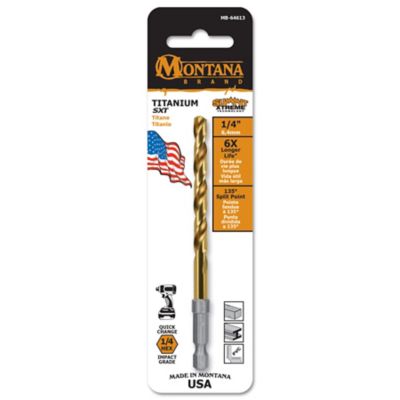
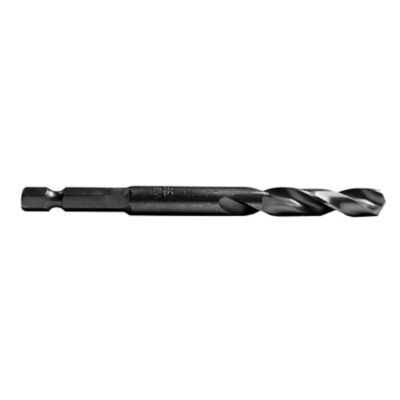
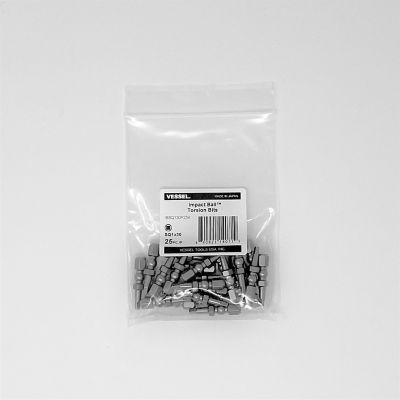
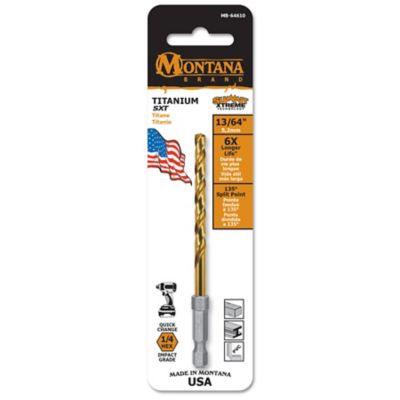
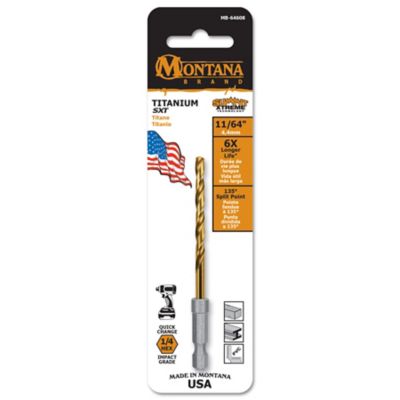
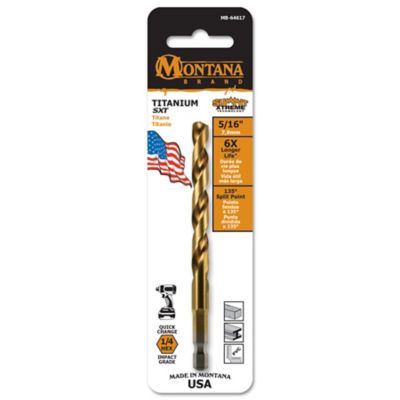
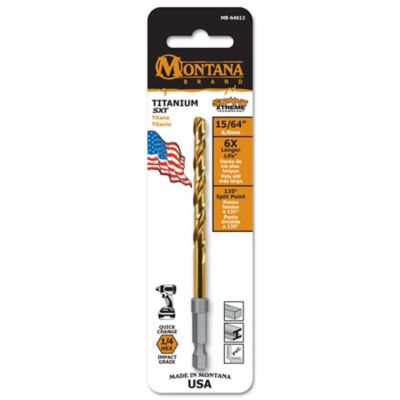
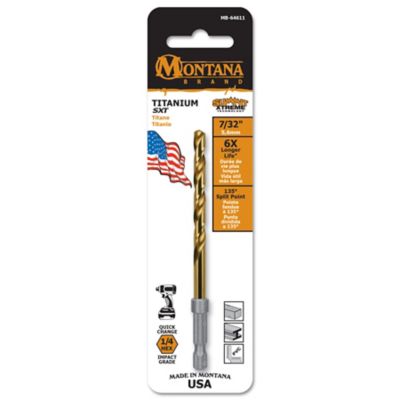
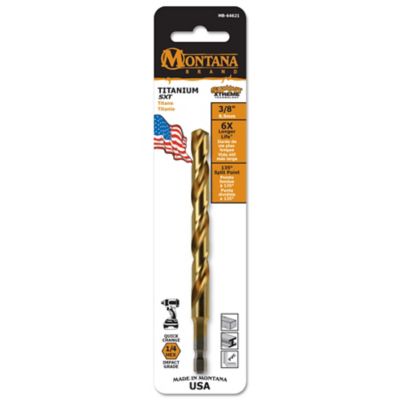
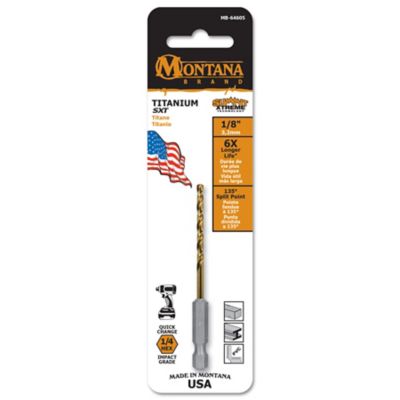
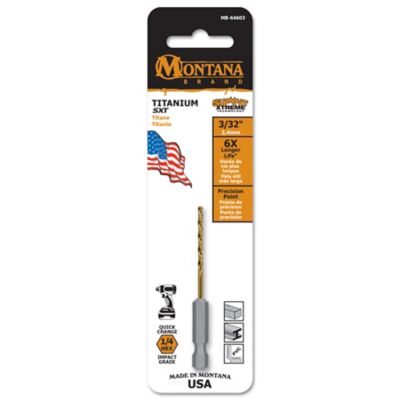
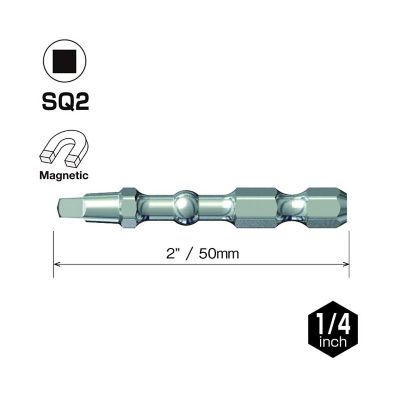
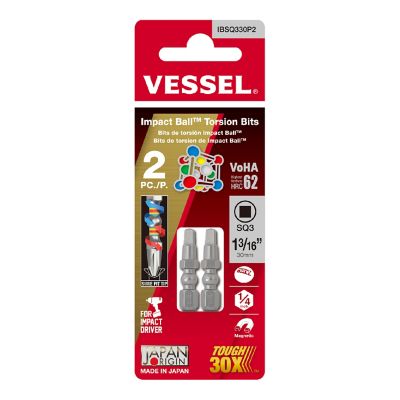
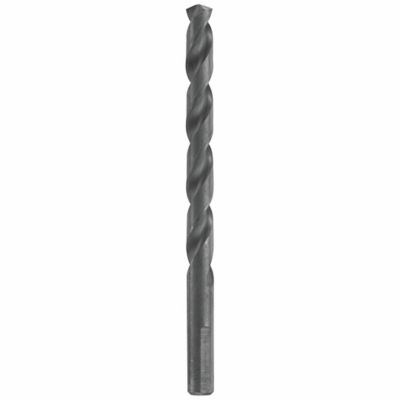
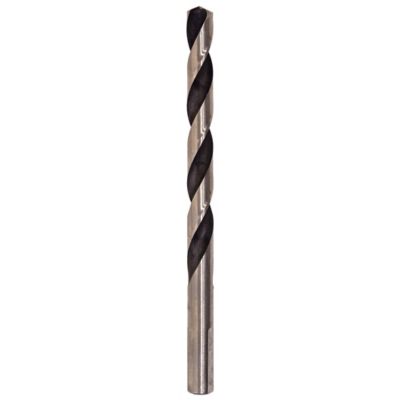
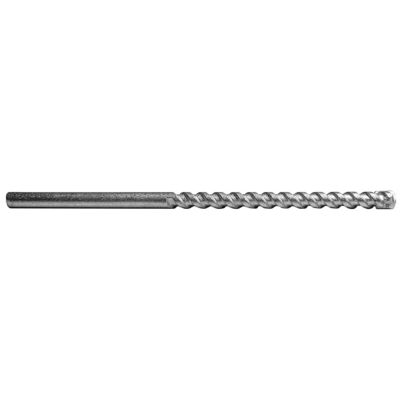
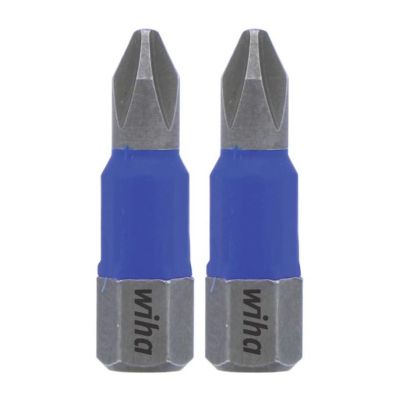
Drill bits for impact drivers need to be rated for rotational impact and have a shank that fits the tool’s chuck, commonly a 1/4-inch hex shank. A hex shape alone does not make a bit impact-rated. The repeated twisting blows from an impact driver put different stresses on a cutting bit than the steady rotation of a conventional drill, and an unsuitable bit can break under that load. Impact-rated construction helps a compatible bit handle those stresses, while the cutting edge still needs to match the material being drilled. Some impact-rated accessories have torsion zones that flex under peak twisting loads, but designs vary, so the maker’s stated tool compatibility matters more than appearance. It also helps to keep drilling bits separate from driving bits: a drill bit cuts a hole, while a screwdriver bit engages a screw head to turn a fastener. Both can belong in the same tool bag, but they do different jobs. Around a farm shop, garage or property, impact-compatible drill bits can be handy for making pilot holes for a gate latch, mounting shelving brackets or preparing lumber for screws. They let a compatible impact driver handle certain drilling tasks without a chuck adapter, although a conventional drill may offer better speed control and a cleaner finish for some work. An impact driver’s blows act around the direction of rotation; they are not the forward hammering action of a hammer drill. Masonry drilling therefore calls for a closer look at both the bit rating and the tool requirements rather than an assumption that any tool with “impact” in its name will do the job. The most useful match starts with three things working together: the tool’s chuck, the bit’s impact rating and the material at the cutting edge. Voltage alone does not establish compatibility, and a shank adapter does not turn an ordinary drill bit into an impact-rated one. Those distinctions matter whether the task is one small mounting hole or a string of repairs around the place.
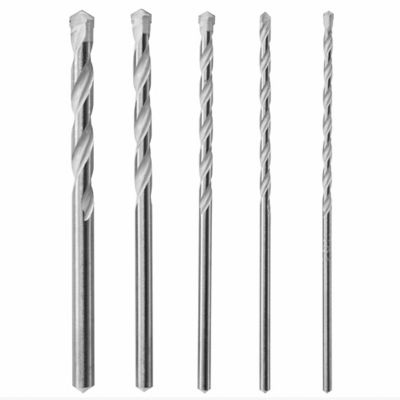
Material and cutting geometry make a real difference once the bit meets the work. High-speed steel is common in twist drill bits intended for materials such as wood, plastic and certain metals, with the stated application determining the right match. Cobalt-alloy high-speed steel offers greater heat resistance for demanding metal-drilling applications, but the bit still needs an impact rating before it belongs in an impact driver. Surface treatments and coatings may help reduce friction or wear in their intended applications; they do not make every bit suitable for every material. For woodwork, a sharp cutting edge helps form a clean pilot hole without tearing up the face of a board. That matters when fastening a stall divider, fitting a latch to a wooden gate or attaching a bracket where the hole will remain visible. Hardwoods, softwoods and sheet materials can call for different hole sizes and cutting approaches, particularly near an edge where splitting is a concern. In metal, the bit’s material rating, diameter and recommended operating speed deserve attention. A small hole through thin sheet metal presents a different job from a larger hole through a thick steel bracket. Cutting lubricant can help in applications where the bit and workpiece manufacturer recommend it, while excessive speed and pressure can shorten cutting-edge life. Plastics bring another concern: friction can soften the material and leave a rough opening. These differences explain why intended use matters as much as the size stamped on the shank. Bit diameter should suit the fastener, pilot hole or clearance hole required by the task, rather than simply looking close enough alongside a screw. Overall length and cutting length matter, too. A longer bit can reach past an obstruction or through thicker material, but extra reach can also make straight alignment harder to maintain. Shorter bits can feel steadier in tight spaces, provided they have enough cutting length and room for chip removal. No single shape or material covers every repair, and an impact rating does not replace application-specific limits.
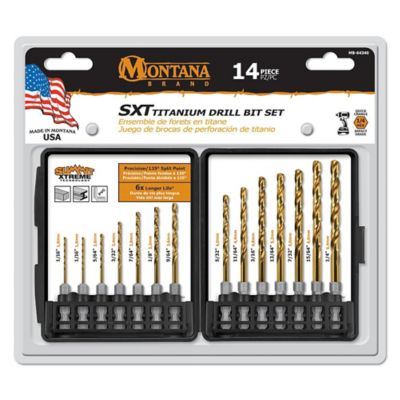
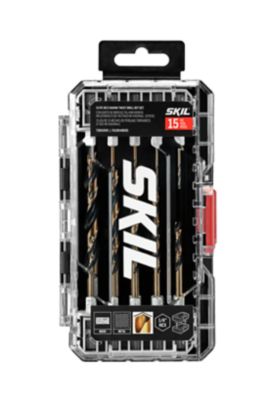
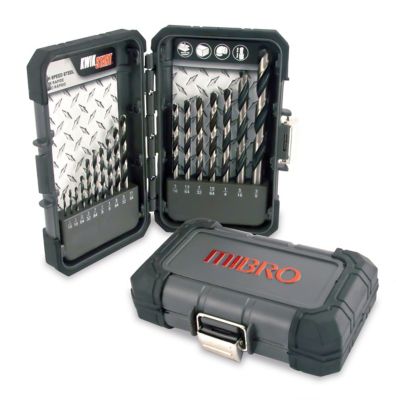
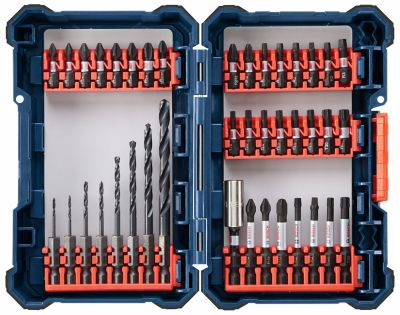
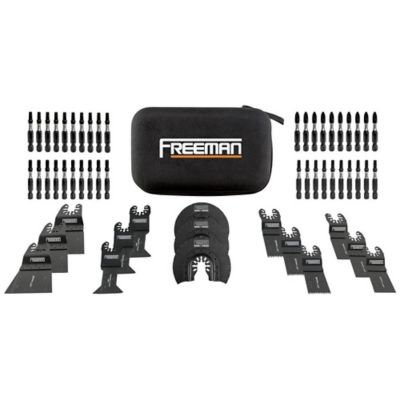
A practical assortment reflects the work that regularly lands on the bench. Someone hanging hardware on fence boards may need a different range of diameters from someone fitting metal brackets in a repair shop. Farmers, ranchers, maintenance crews and home woodworkers can all benefit from keeping frequently needed sizes together, especially when a job moves between the shop and an outbuilding. For a grouped selection,
Impact Driver Drill Bit Sets can help keep related sizes organized in one place. The useful details go beyond the number of pieces: readable size markings, a case that holds each bit securely and a size range that matches regular tasks can make an assortment easier to work with. Duplicate sizes may also be practical when the same pilot hole comes up again and again. Proper fit remains important every time a bit goes into the tool. A compatible shank should seat fully and lock into the chuck as directed by the tool manufacturer, without an adapter being mistaken for proof of impact compatibility. At the workpiece, firm support and clamping help keep the material from spinning or shifting as the cutting edge breaks through. Eye protection matters because chips and broken cutting fragments can travel beyond the hole. Everyday care is straightforward: clear chips from the flutes after the bit stops, wipe away residue and let everything dry before closing the case. Dry storage helps limit corrosion on exposed steel, while separate holders keep cutting edges from knocking together loose in a toolbox. A bit that is bent, chipped or visibly worn deserves attention before another task; pressing harder will not restore a damaged edge. Even a well-matched bit has limits, and repeated binding or stalling can signal that the setup, hole size or tool choice needs another look. Keeping those basics in mind helps protect both the cutting edge and the workpiece, whether the next job is a tidy bracket installation or another gate that needs its hardware set straight.