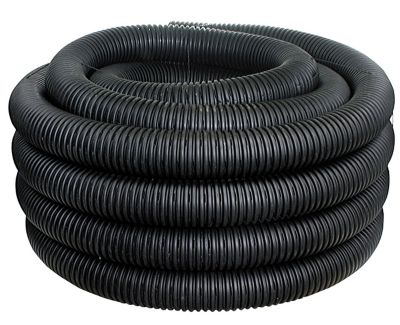
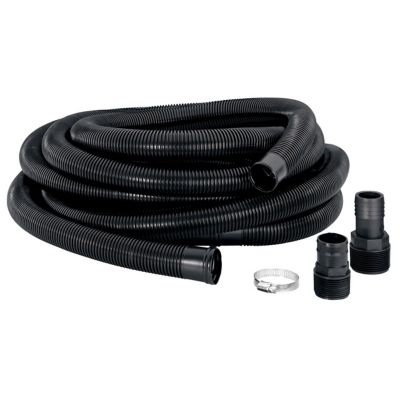
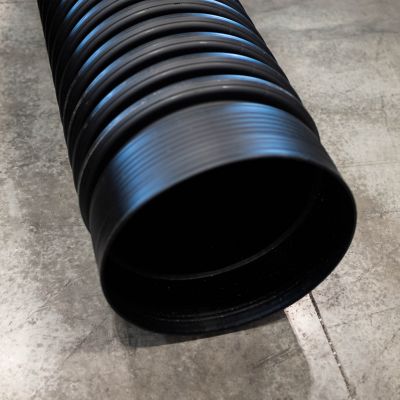
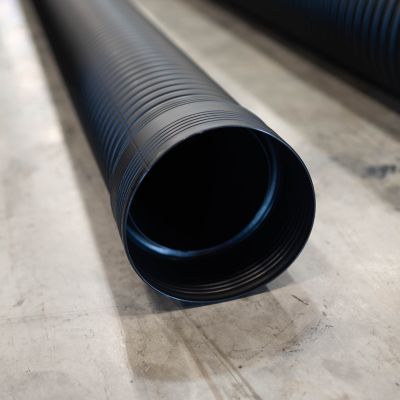
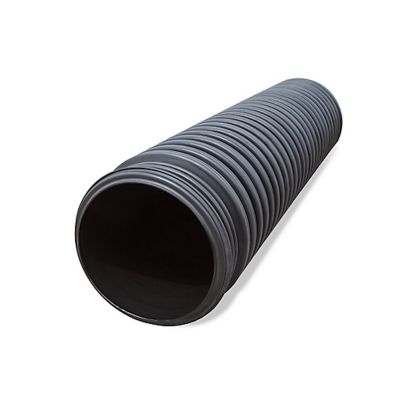
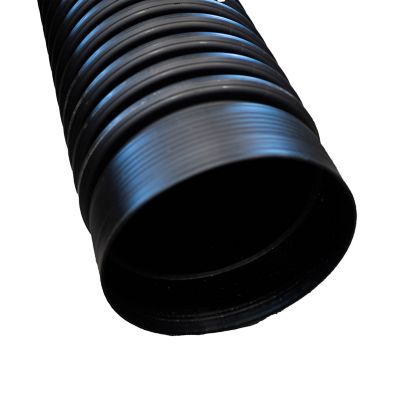
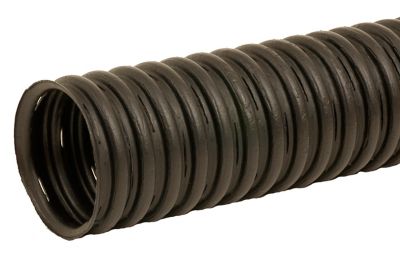
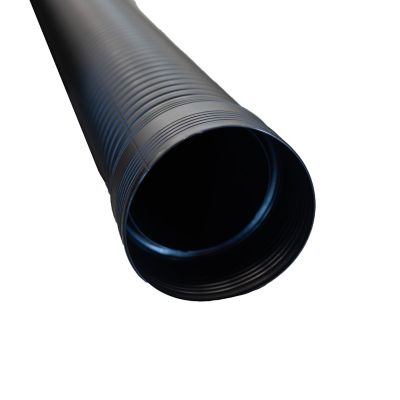
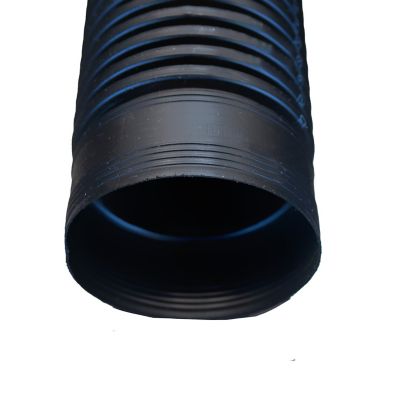
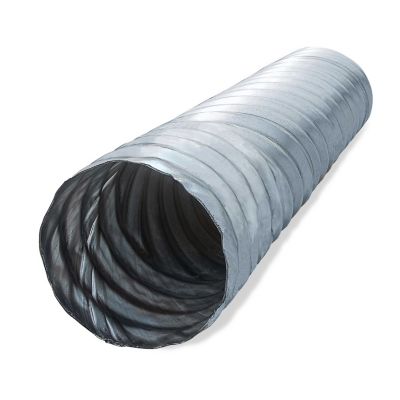
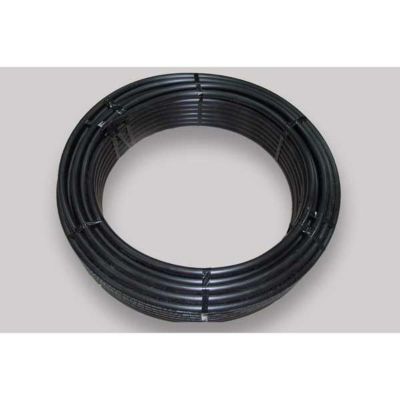
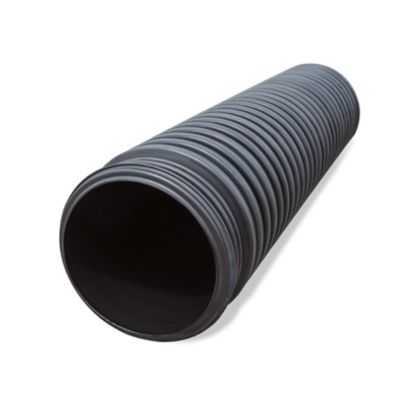
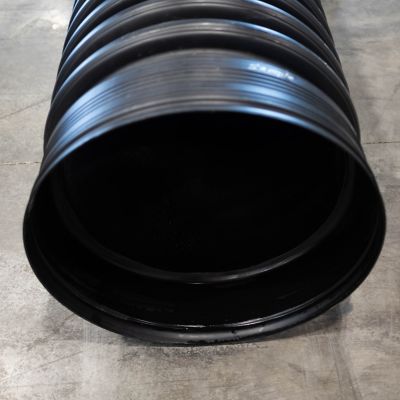
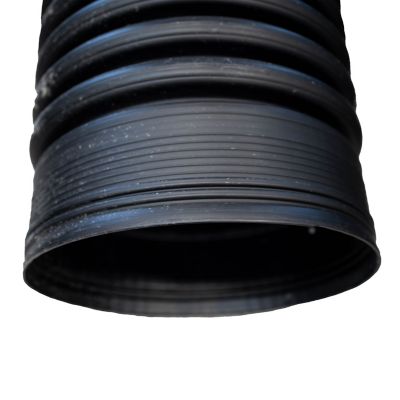
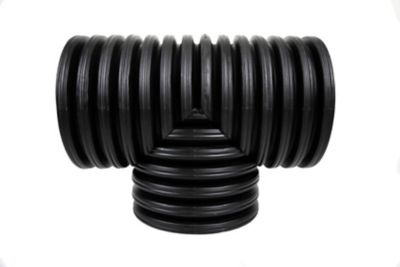
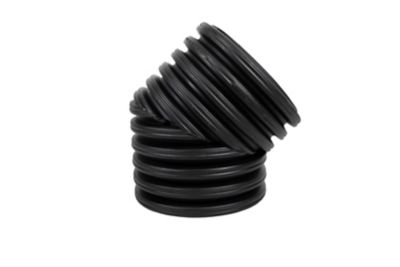
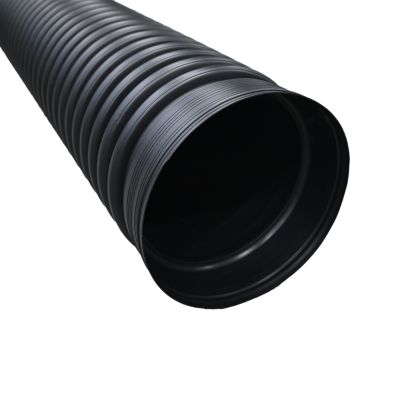
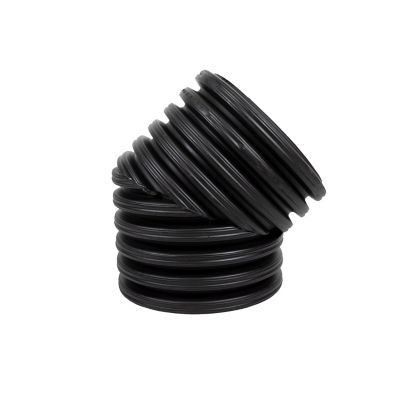
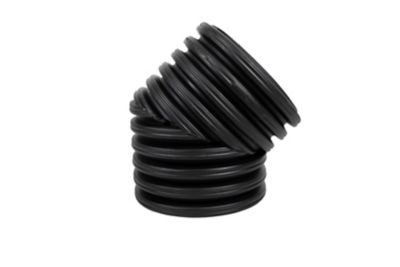
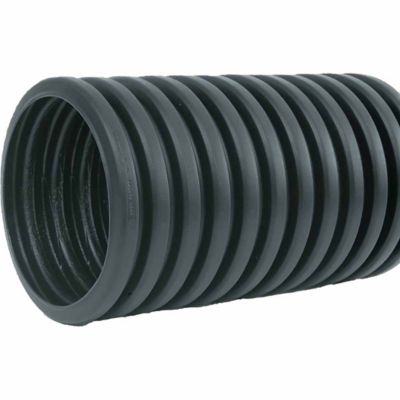
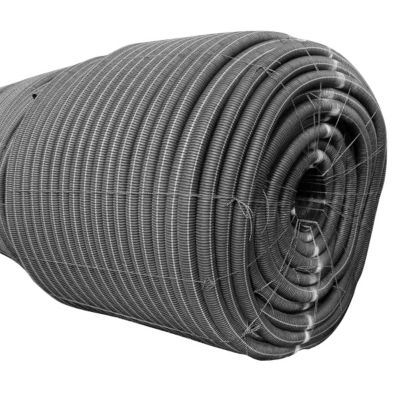
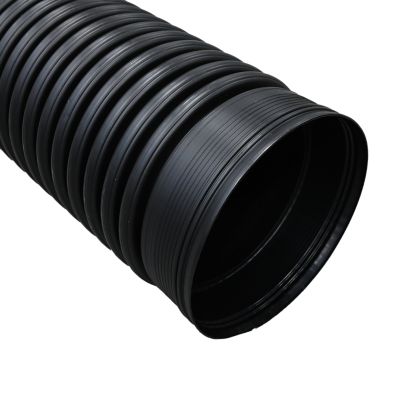
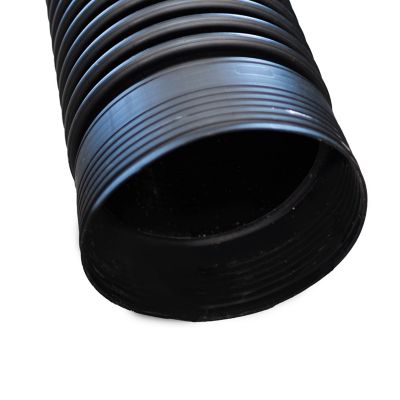
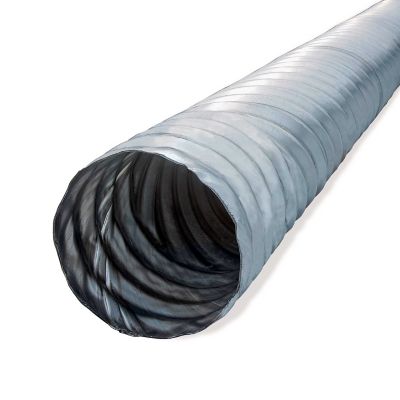
When it comes to keeping your retaining wall standing strong season after season, the right drainage setup is just as important as the wall itself. Whether you’re a seasoned landowner, a DIY enthusiast, or someone helping out a neighbor with a backyard project, understanding how water moves around your property can save you a lot of headaches down the road. As the weather warms and those summer storms roll in, heavy rainfall can put a lot of pressure behind your retaining wall. Without a proper retaining wall drainage pipe system, that water builds up, leading to soggy soil, shifting walls, and sometimes even a total collapse. That’s why you’ll see folks around here laying down a 4-inch perforated drainage pipe along the base of their walls, usually wrapped in a filter sock and tucked into a bed of clean, crushed gravel. This setup helps collect and move water away from the wall, letting everything dry out just like it should. Corrugated HDPE pipes—like the nuflo 12 in. x 9.75 ft. corrugated hdpe drainage pipe—are a popular choice for their flexibility, making them easy to snake around curves or tight spots. On the other hand, rigid PVC pipes are often picked for their smooth insides, which keep water flowing fast and cut down on sediment buildup. Adding a catch basin at low points or where water tends to pool can make a big difference, especially during those sudden downpours that seem to come out of nowhere in late summer.
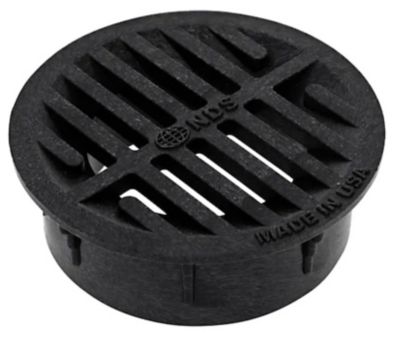
Choosing the right retaining wall pipe isn’t just about what fits your budget—it’s about matching the pipe to your soil, your wall height, and the lay of your land. Folks with heavy clay soils know how stubborn water can be, so they often go for extra drainage support, maybe even doubling up on pipes or adding extra outlets. If you’re building a new wall or fixing up an old one, make sure the drainage pipe slopes gently downward (at least 1-2%) so gravity can do its thing. For those who like to keep things neat, adding
Plastic Drainage Grates at the pipe exits helps keep critters and debris out while letting water escape. And if you’re shopping for a handy gift for a friend or family member who loves tackling outdoor projects, a good quality drainage pipe or catch basin is a practical pick that’ll get plenty of use, especially as folks gear up for fall rains. Whether you’re managing a small garden wall or a big hillside, investing in the right drainage pipe from Tractor Supply sets you up for years of peace of mind. With a little planning and the right materials, you’ll keep your retaining walls—and your property—looking sharp and standing tall through every season.