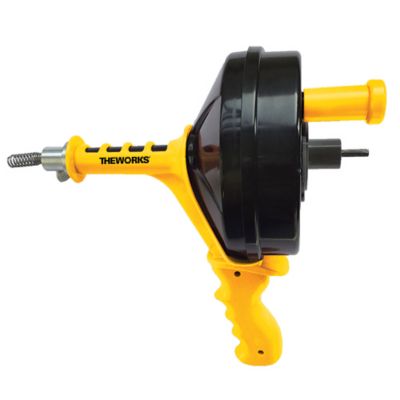
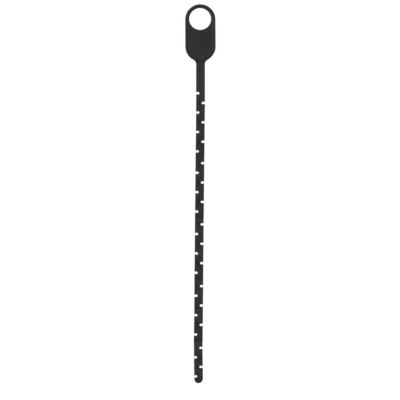
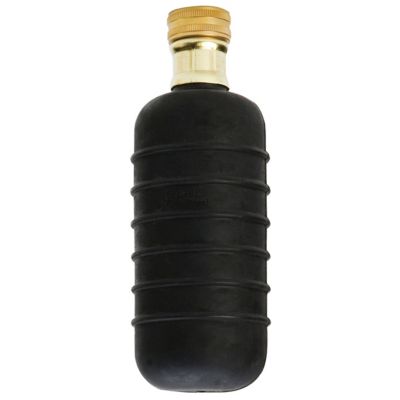
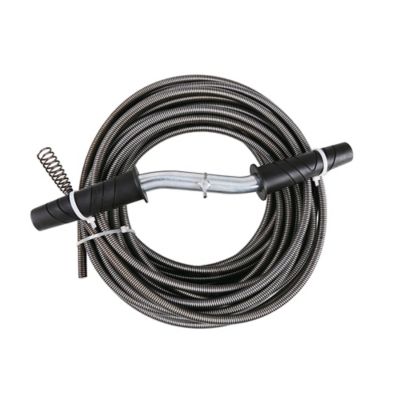
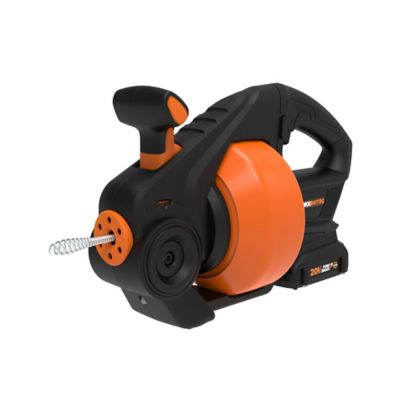
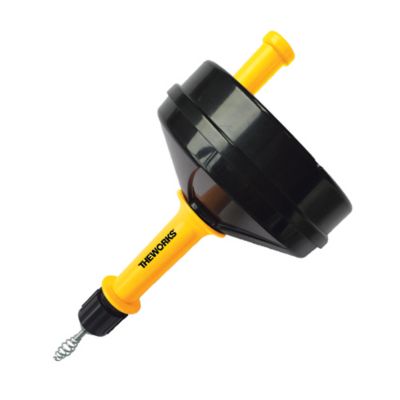
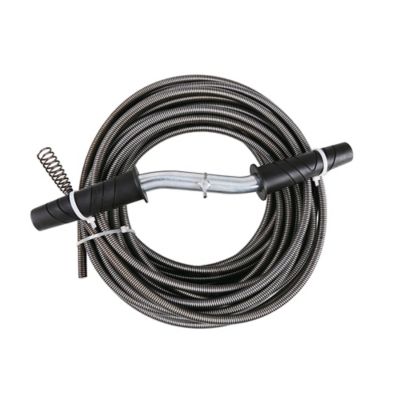
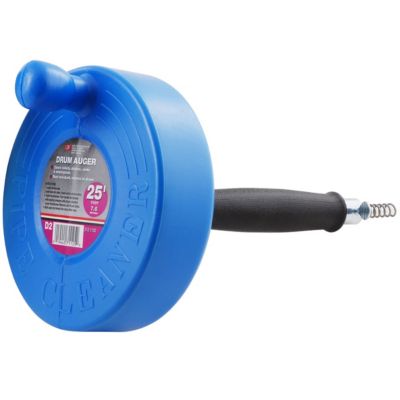
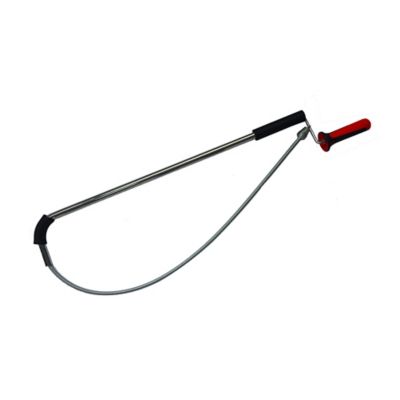
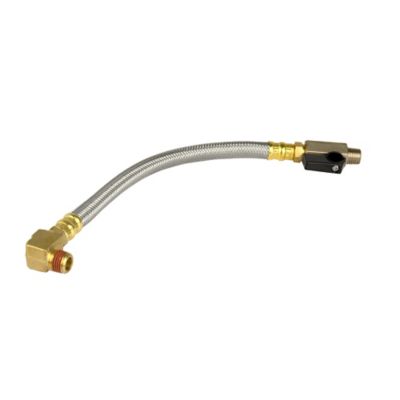
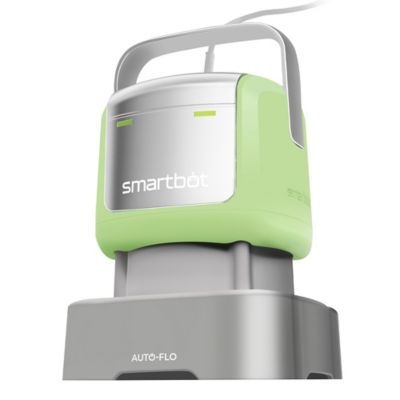
Drainage tools help keep water moving where it belongs, whether you are dealing with a slow kitchen sink, a backed-up shower, a stubborn toilet clog, or a larger line that serves a shop, barn, rental property, or home. The right tool depends on where the blockage is located and what may be causing it. A plunger is often the first choice for a sink, tub, or toilet because it uses suction and pressure to loosen a soft obstruction without taking the drain apart. For the best seal, choose a style that matches the fixture, add enough water to cover the cup, and work the handle with steady, controlled strokes. A slim hair-clog tool can reach into bathroom drains and pull out hair and soap buildup before it settles farther down the pipe. These simple hand tools are handy to keep in a utility drawer, camper, hunting cabin, or workshop, especially when a slow drain shows up after the hardware store has closed. A toilet auger, sometimes called a closet auger, is made for the curved trap inside a toilet and has a protective guide that helps keep the porcelain from getting scratched. For blockages farther into a line, a hand-crank drum auger feeds a flexible cable into the pipe to break up or retrieve the material causing trouble. Cable length, cable diameter, drum construction, and the size of the drain opening all matter when comparing options. Smaller cables are easier to handle in bathroom and kitchen lines, while heavier cable systems are better suited for larger household or utility drains. Some augers can be turned by hand or powered with a compatible cordless drill, giving you extra spinning force while still allowing more control than a large motorized machine. If you are buying drainage tools for a new homeowner, a college student moving into a first apartment, or someone setting up a rural workshop, a plunger and a basic manual auger make a practical gift that earns its keep. They take up little room, do not rely on harsh chemicals, and can help handle everyday clogs before a small nuisance turns into standing water or an expensive service call.
For tougher jobs, heavy-duty drainage tools are designed to reach farther and work through denser buildup. Motorized drain cleaning machines use long rotating cables and interchangeable cutting heads to work through grease, sludge, scale, and, in some cases, roots that have entered a main line. These machines can be useful for experienced property owners, maintenance crews, landlords, farm managers, and skilled do-it-yourselfers who regularly care for older homes or multiple buildings. They also require a careful hand. Read the instructions before use, wear work gloves and eye protection, keep loose clothing and hair away from rotating parts, and know where the cable is positioned before starting the motor. A hydro jetter takes a different approach by sending high-pressure water through the pipe to scour the inside walls and carry away buildup. It can clean along more of the pipe than a basic snake, but the pressure and equipment involved mean it is not a casual substitute for a plunger. Drain inspection cameras are another useful option when a clog keeps returning or the source is hidden underground, behind a wall, or beneath a slab. A waterproof camera on a flexible push cable can help locate cracks, separated joints, root growth, collapsed sections, or heavy deposits before digging or choosing a cleaning method. When shopping, consider the pipe material, drain size, distance to the blockage, available power source, cable reach, cleaning-head compatibility, and whether the tool can be stored and maintained easily. A manual tool may be all you need for occasional sink and tub clogs, while a larger property with long runs, mature trees, or recurring backups may call for professional inspection and service. Avoid forcing a cable around sharp bends, and do not use a powered auger in a line that may contain fragile or damaged piping without understanding the risk. Chemical drain cleaners can create dangerous fumes, damage plumbing, and leave caustic residue behind, particularly when mechanical tools are used afterward, so follow the tool and plumbing manufacturer’s guidance and never mix cleaning chemicals. If wastewater is backing up from more than one fixture, bubbling out of floor drains, or showing signs of a septic or main-line problem, stop using the affected fixtures and contact a qualified professional.
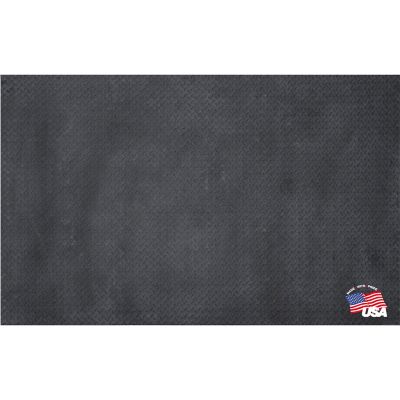
Good drainage care also starts outside the pipe. Gutters, downspouts, yards, driveways, livestock areas, and low spots around outbuildings can all send too much water toward a foundation or leave soggy ground where mud quickly becomes a daily headache. Tools for clearing drains and pipes can help remove the blockage, while products such as
Drainage Mats can help manage water and foot traffic in areas that stay wet or muddy. Around the place, look for leaves, gravel, bedding, hair, grease, and dirt that may be finding their way into drains, and clean strainers or screens before debris travels farther into the system. During the warmer part of the year, outdoor projects, washing equipment, and heavy storms can put extra demand on drainage lines. As the weather cools, fallen leaves and sediment may collect around grates, downspouts, and low-lying areas, making routine cleanup worthwhile before water has a chance to freeze or back up. Keep a small maintenance kit together with gloves, eye protection, a bucket, towels, a flashlight, and the hand tools most suited to your plumbing. Mark cleanouts and shutoff points so they are easy to find when a storm rolls in or a sink starts draining slowly after supper. Store cables clean and dry, inspect them for kinks or rust, and rinse and dry tools after use, particularly when they have been through dirty wastewater or outdoor muck. With the right drainage tools on hand, many ordinary clogs can be handled promptly and with less mess, while persistent or structural problems can be identified sooner and turned over to someone with the equipment and experience to fix them safely.