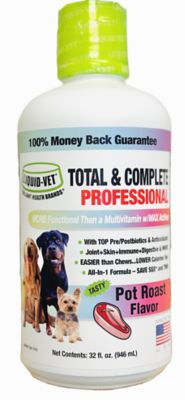
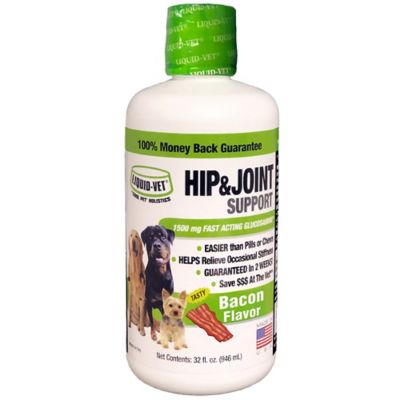
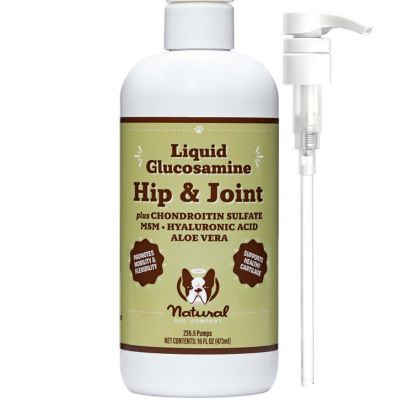
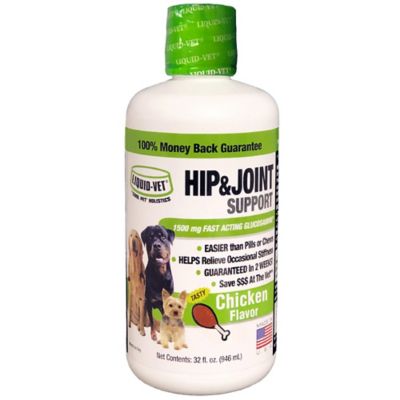
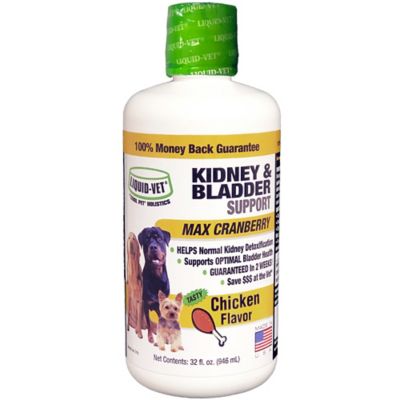
Dog liquid supplements are nutritional formulas that provide vitamins, minerals, fatty acids or other ingredients to support a dog’s diet and particular wellness needs. Depending on the formula, they may support skin and coat condition, joint function, digestive health or general nutrition. Their pourable format gives pet owners an alternative to tablets and chews, especially for dogs that leave a pill at the bottom of the bowl. A liquid that can be mixed into food may fit neatly into feeding time, whether that means breakfast before chores or supper after a long walk around the property. Some formulas also allow direct administration, but the label should explain whether that method is appropriate. Liquid does not automatically mean faster absorption or better results; the ingredients, formulation and dog’s individual needs matter more than the format alone. Taste and texture count, too. A strong fish flavor might suit one dog and send another backing away from the bowl, while an unflavored formula may still have a noticeable smell. Dogs with sensitive stomachs or food allergies need a closer look at the full ingredient list, including flavorings and animal protein sources. For a senior dog that no longer enjoys firm chews, liquid supplements can offer another option, although trouble chewing or swallowing calls for a veterinarian’s attention rather than just a change in supplement format. Puppies, adult dogs and seniors have different nutritional needs, so life-stage labeling deserves just as much attention as flavor. Size matters as well: the serving intended for a large farm dog can differ considerably from the amount intended for a small house companion. The right choice fits the dog’s usual food, health history and feeding routine without turning every meal into a wrestling match. A supplement should add targeted support where appropriate, not replace a complete and balanced diet or veterinary care.
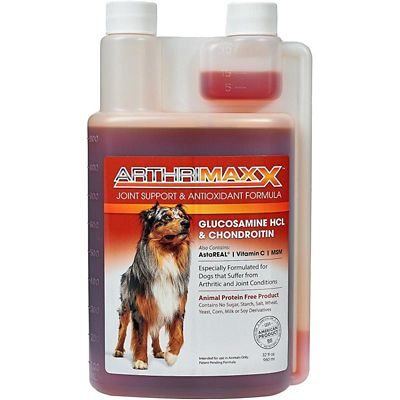
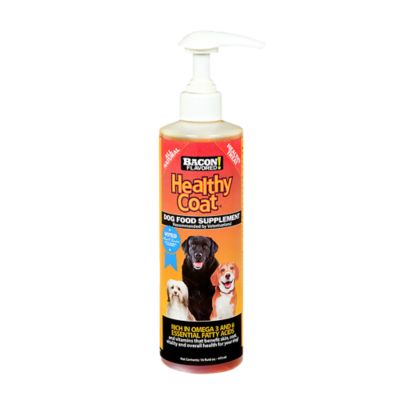
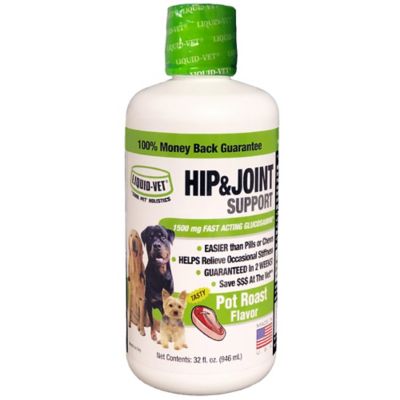
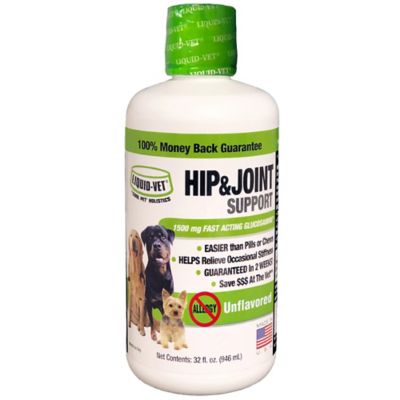
The ingredients in a liquid dog supplement help explain its intended purpose. Fish oil formulas commonly supply the omega-3 fatty acids EPA and DHA, which may support skin health, coat condition and joint function. When comparing these formulas, the amount of EPA and DHA per serving is more informative than the total amount of fish oil alone. An oil’s plant or animal source also matters for dogs with dietary restrictions. Liquid joint supplements may contain ingredients such as glucosamine or chondroitin, although evidence and suitability vary by ingredient and formulation. A dog that hesitates at the porch steps or struggles to stand needs a veterinary assessment, not an assumption that a joint supplement will solve the problem. Digestive formulas may include probiotics, prebiotics or a combination of both. Probiotics contain live microorganisms, while prebiotics are substances that help nourish certain gut microbes; they are not interchangeable terms. For a probiotic formula, strain identification, storage directions and information about viable organisms through the stated shelf life are useful details to check. Liquid multivitamins can supply a broader mix of nutrients, but more is not always better. A dog eating a complete and balanced food may not need extra vitamins or minerals, and adding several supplements can create overlapping amounts. That is especially important with nutrients that can build up in the body, including vitamins A and D. Dogs with a veterinarian-identified need for additional protein may have a different nutritional goal than dogs needing a fatty acid supplement. For that separate need,
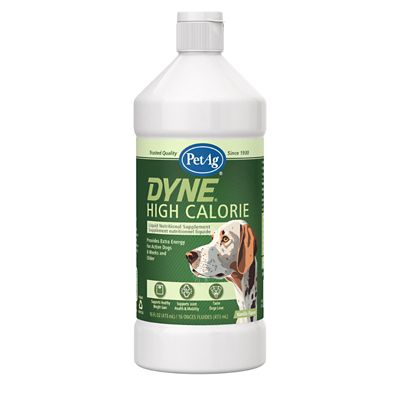
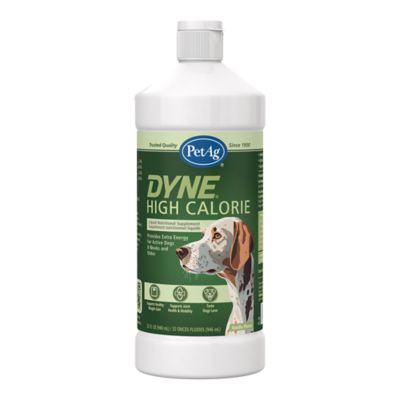
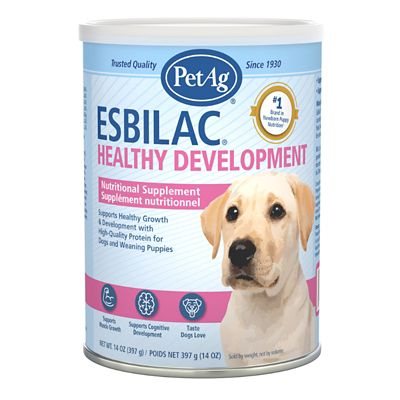
Dog Protein Supplements are another category to consider alongside the dog’s overall diet and veterinary recommendations. Working dogs, nursing dogs and dogs recovering from illness can have changing nutritional requirements, but activity level or life stage alone does not establish which supplement is appropriate. A clear purpose makes comparison easier than choosing a bottle with the longest ingredient list.
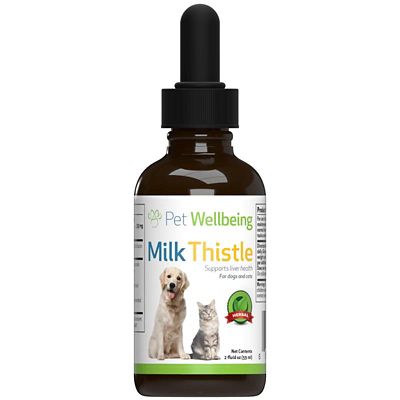
Bottle design and everyday handling can make a real difference once a liquid supplement becomes part of the feeding routine. Pump tops, droppers and measuring caps offer different ways to portion a serving, and the most practical choice depends on the amount needed and how steadily the liquid pours. A large bottle is not necessarily the best fit for a small dog if the contents cannot be finished within the labeled period after opening. Check whether serving directions refer to milliliters, teaspoons or full pump strokes, since those measurements are not interchangeable without the stated conversion. A marked oral syringe can help measure small amounts when appropriate for the formula; a kitchen spoon is a poor substitute for a measuring tool. Concentrations vary, so the same volume from two bottles may deliver very different amounts of an ingredient. Some liquids need shaking because ingredients settle, and some need refrigeration after opening, while others have different storage requirements. Following the bottle’s directions helps protect the formula from unnecessary exposure to heat, light or moisture. A snug cap and a clean bottle neck also help keep feeding supplies tidy, particularly with oils that leave slippery drips on the counter. When mixing a permitted supplement into food, a small portion of the meal can make it easier to see whether the dog finishes the intended serving before the rest of dinner goes down. In a household with several dogs, separate bowls and supervised feeding help keep one eager eater from getting another dog’s portion. Any change in appetite, stool consistency or comfort after starting a supplement deserves attention, and vomiting, diarrhea or other concerning signs warrant veterinary advice. A veterinarian should also review supplements for dogs taking medication, preparing for surgery or living with an ongoing health condition. Keep bottles out of reach of curious noses, retain the original label and check expiration dates. Clear serving information, suitable ingredients and manageable storage needs help a liquid supplement fit into ordinary dog care without adding guesswork to the food bowl.