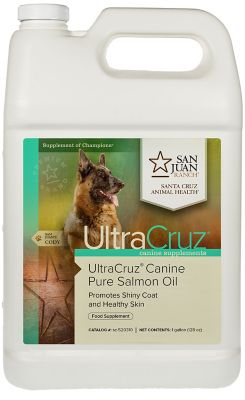
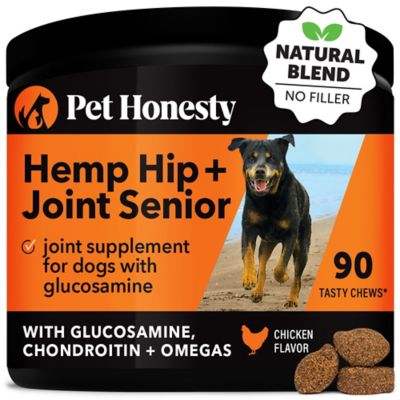
Fish oil for dogs supplies the omega-3 fatty acids EPA and DHA, which help support skin and coat condition, joint mobility, heart health and brain function. EPA stands for eicosapentaenoic acid, and DHA stands for docosahexaenoic acid. These fats play different but complementary roles in a dog’s body: EPA helps support a normal inflammatory response, while DHA contributes to brain and eye development and ongoing nervous system function. For a dog that tags along for chores, heads out on long walks or settles beside the couch, fish oil can be one part of a veterinarian-approved nutrition plan. It is a supplement, not a replacement for complete and balanced dog food, regular exercise or veterinary care. Dogs at different life stages have different needs, so a growing puppy, an active adult and an older dog should not automatically get the same amount. A veterinarian can help determine whether extra omega-3s make sense based on a dog’s diet, weight and health history. Skin and coat support is a common reason to consider fish oil, since appropriate fatty acid intake helps maintain the skin’s natural barrier and a healthy-looking coat. Still, persistent scratching, bald patches, redness or an unpleasant skin odor deserve a closer look rather than simply another supplement. Fleas, allergies and infections can cause similar signs and need different care. The
Skin and Coat Supplements for Dogs category offers another place to explore nutritional support for skin and coat needs. Fish oil also differs from plant oils such as flaxseed oil, which mainly supply an omega-3 called ALA. Dogs convert ALA into EPA and DHA only to a limited extent, so the oils are not interchangeable when a veterinarian recommends a particular EPA and DHA intake. Understanding that distinction makes it easier to compare labels without assuming every omega-3 supplement delivers the same thing.
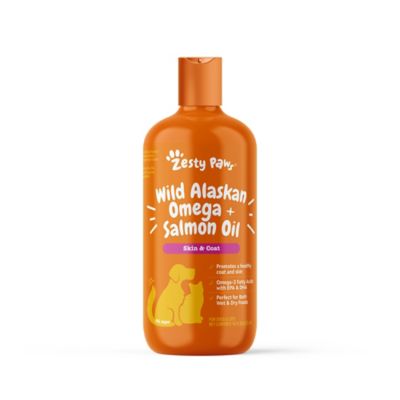
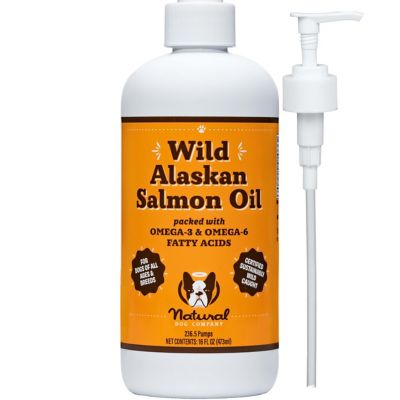
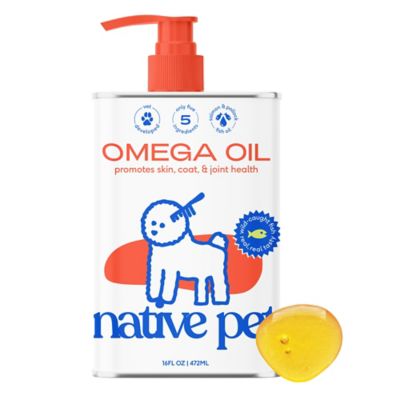
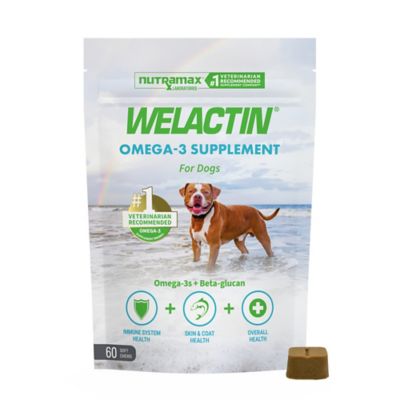
The best format for a household often comes down to the dog’s eating habits and the person handling the daily feeding. Liquid fish oil can mix into a meal, making it a practical option for dogs that readily finish their food. A pump or marked measuring device can help with portioning, though the amount delivered per pump or measure depends on the package directions. Capsules offer a contained serving and less contact with the oil, but capsule size matters for a small dog or a reluctant pill taker. Soft chews may fit a treat-based routine, with extra attention to their full ingredient list and calorie content. No format is automatically better for every dog. A picky eater may notice a change in food aroma, while a dog that gulps treats may need closer supervision with a capsule or chew. Beyond format, compare the listed amounts of EPA and DHA per serving, not just the total milligrams of fish oil. A larger amount of oil does not necessarily mean a larger amount of those two omega-3s. Serving sizes can also differ, so comparisons should account for whether the label describes one capsule, several chews or a measured amount of liquid. Fish sources may include salmon, anchovies, sardines or other marine fish, and clear labeling helps explain what is inside. Information about testing for contaminants and oxidation can offer useful context, especially when the company explains what was tested and provides supporting details. Added flavors, carrier oils and other ingredients matter for dogs with food sensitivities or restricted diets. Fish liver oils also deserve separate consideration because they can supply vitamins A and D along with omega-3s; they are not a straight substitute for other fish oils. Packaging matters, too. A secure closure, readable directions and a dispenser that is easy to handle can make the feeding routine less messy, particularly when several animals are waiting at the feed station.
Fitting fish oil into everyday feeding takes more than picking a bottle size. The amount a dog needs depends on the intended nutritional purpose, the concentration of EPA and DHA and the rest of the diet. Some dog foods and other supplements already contain these fats, so the full feeding plan matters. Following package directions and a veterinarian’s recommendation helps avoid stacking several sources without realizing it. Fish oil adds calories, which should count toward the daily total, especially for a dog working toward a healthier weight. Too much can cause digestive trouble, including loose stools or vomiting, and a veterinarian may recommend introducing it gradually to check tolerance. Dogs with a history of pancreatitis, bleeding concerns or ongoing medical conditions need individual advice before starting. The same goes for dogs taking medication or preparing for surgery, since supplements can affect a treatment plan. At mealtime, mixing liquid into a portion the dog will finish helps keep the serving from being left at the bottom of the bowl. In a home with more than one dog, separate bowls and measured portions keep a larger dog’s serving from becoming a smaller dog’s extra snack. Storage deserves equal attention because fish oil can oxidize after exposure to air, light and heat. Keep the container tightly closed, follow any refrigeration directions and pay attention to the expiration date and any stated period for finishing it after opening. A noticeably changed smell or appearance is a reason to stop and check with the manufacturer before feeding more. Keep bottles and chew containers out of reach of pets and children rather than beside an open feed bin. Changes in coat condition or comfort are not necessarily immediate, and results vary with the dog and the reason for supplementation. Steady feeding, sensible storage and regular check-ins with a veterinarian make fish oil easier to manage as part of a dog’s everyday care.