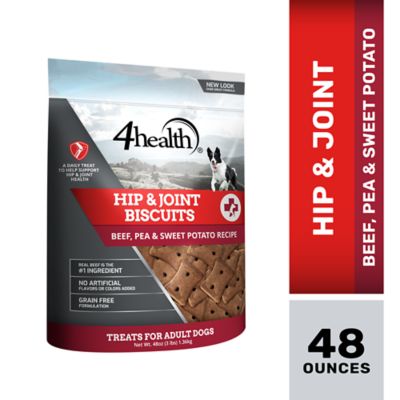
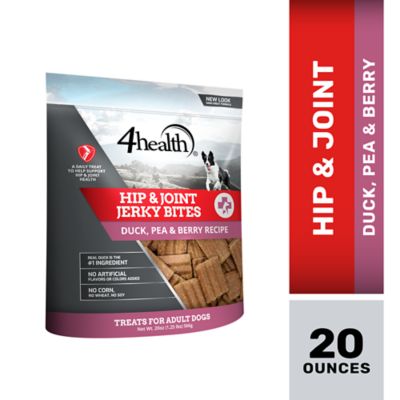
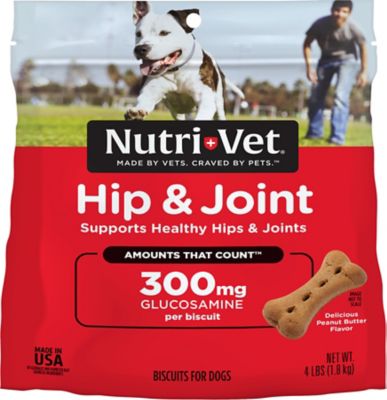
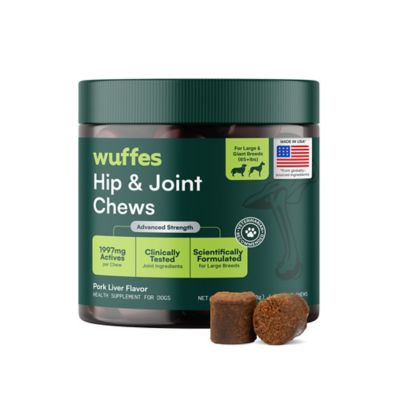
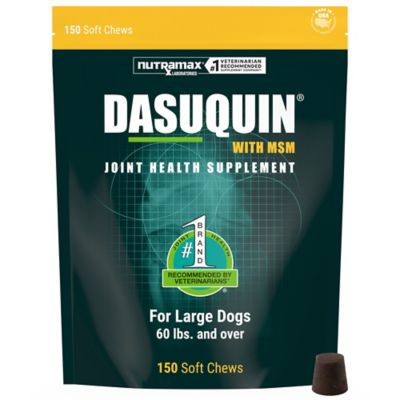
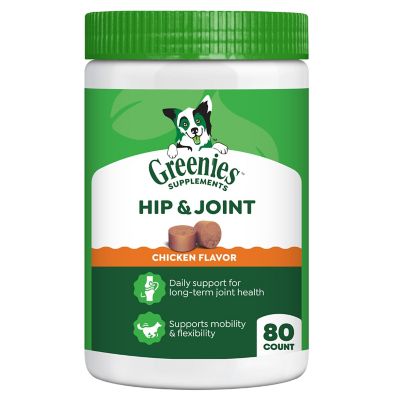
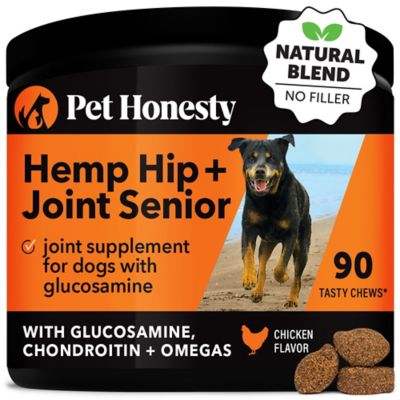
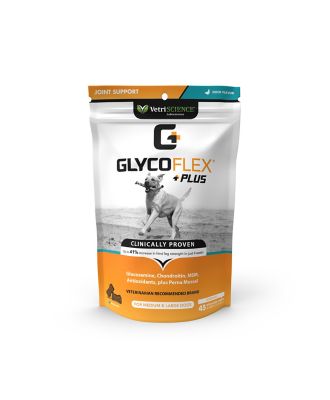
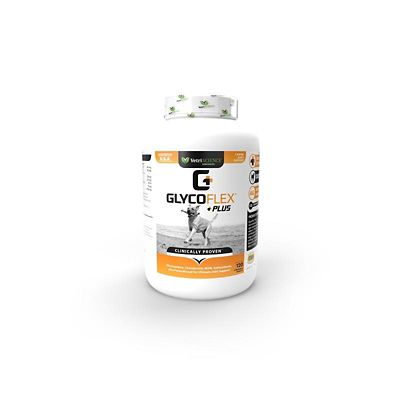
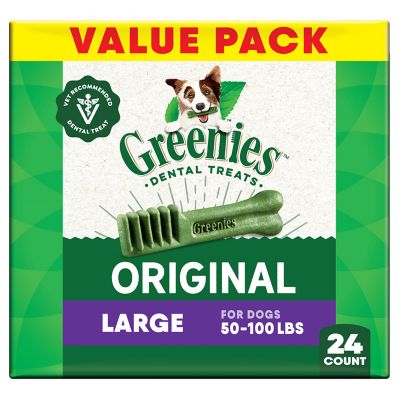
Joint health dog treats combine a reward dogs enjoy with ingredients intended to support normal joint function and everyday mobility. Depending on the formula, they may contain glucosamine, chondroitin, collagen, omega-3 fatty acids, or other ingredients associated with joint support. These treats are meant to complement a balanced diet and an appropriate activity routine, not replace meals, veterinary care, or prescribed treatment. They can fit into daily life for an older companion who takes a little longer getting up from a nap, a large-breed dog carrying more weight across its joints, or an active dog that spends plenty of time walking the property with its people. Age and activity alone do not determine which formula fits, though. A dog’s body weight, health history, diet, and existing supplements all matter. Glucosamine and chondroitin are components of cartilage, the tissue that cushions the ends of bones within joints. Some joint-support formulas include these ingredients to help maintain healthy cartilage, while others include omega-3s to support a normal inflammatory response. Research and results vary by ingredient and formulation, so a long ingredient list does not automatically mean a better match. The amount of each active ingredient in a daily serving matters more than a bold claim on the front of a package. Joint health treats also differ from ordinary snacks that simply feature meat, vegetables, or a favorite flavor. Their intended role is nutritional support, which makes serving directions especially important. For a dog that waits beside the gate for a walk or follows along from the barn to the house, a treat can become a familiar part of the daily routine. It should not become a reason to push through limping, reluctance to move, or trouble climbing steps. Those changes call for a veterinarian’s attention, since joint-support treats cannot identify the cause of discomfort or repair an injury. A suitable formula supports the dog’s broader care plan rather than standing in for one.
Texture, size, and flavor make a practical difference when choosing joint support treats for dogs. Soft chews may be easier for some dogs to manage than firm biscuits, particularly when chewing comfort is a concern, but softness does not eliminate choking risk or make every chew suitable for a dog with dental trouble. Crunchy treats offer a different eating experience, and larger formats may take longer to finish. The right fit depends on the individual dog’s mouth size, chewing habits, and ability to handle the treat safely. A small dog should not have to wrestle with an oversized piece, and a dog that gulps food needs close supervision even with a bite-sized reward. Treats with a supplement-style serving schedule also need a different approach from casual rewards handed out throughout the day. Breaking a chew into smaller pieces can help with serving only when the label allows it; it does not change the total daily amount a dog should receive. Ingredient preferences deserve the same attention as texture. Meat proteins, fish ingredients, dairy ingredients, and other components may matter for dogs with food sensitivities or a veterinarian-directed diet. Flavor names alone do not tell the whole story, so the full ingredient list is worth checking. For shoppers comparing related options,
Collagen Dog Treats include treats featuring a protein found naturally in connective tissues. Collagen content by itself does not establish a joint benefit, and collagen-focused treats are not automatically interchangeable with a joint supplement. Calories count, too, whether a treat is given after a fence-line walk or tucked into a quiet evening routine. Treats generally should provide no more than about 10 percent of a dog’s daily calories unless a veterinarian recommends otherwise. That allowance includes training rewards, dental chews, table scraps, and functional treats together. Keeping the full picture in mind helps prevent a helpful daily habit from adding unnecessary body weight, which can place more strain on joints.
Clear labeling helps make joint health dog treats easier to compare and fit into everyday care. Useful details include the intended life stage, weight-based serving directions, calorie content, active ingredient amounts, and any cautions about other supplements or medications. Some formulas list an initial serving period followed by a different maintenance amount; others keep the same schedule throughout. Following the specific package directions matters more than assuming all joint chews work alike. Puppy needs, pregnancy, ongoing medical conditions, and prescription diets can change what is appropriate, so veterinary input is especially helpful in those situations. Combining several joint products can also repeat ingredients without adding a clear benefit. A veterinarian can review the total intake and explain whether a particular formula belongs alongside the dog’s food and medications. Expectations should stay grounded: these treats are not fast-acting pain medicine, and any benefit may take time or may be difficult to notice. Changes in willingness to walk, ease of getting up, or comfort with normal household movement are worth discussing at checkups rather than treating as proof that a chew has solved a problem. Sensible storage protects the treats between servings. Keeping them in their original packaging preserves directions, lot information, and expiration details, while a tightly closed container or properly sealed bag helps limit exposure to moisture and air. Follow the storage instructions on the label, and keep the package where a determined nose cannot reach it. Eating a whole bag can cause trouble well beyond an upset stomach, especially when the treats contain concentrated supplement ingredients. Daily joint care also reaches beyond the treat jar. Appropriate exercise, healthy body weight, comfortable resting areas, and secure footing all play a part in helping a dog move through its day. Joint support treats fit best as one manageable part of that routine: a familiar reward with a defined serving, selected for the dog’s needs and backed by a realistic understanding of what nutritional support can do.