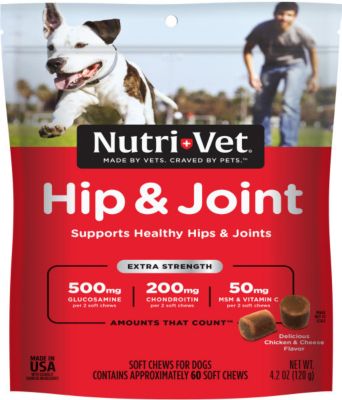
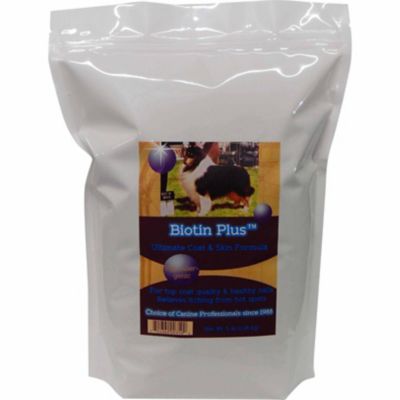
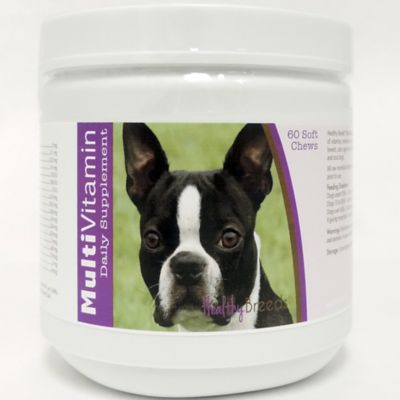
Dog supplements provide targeted nutritional support for needs such as joint function, digestion, skin health and coat condition. They complement a dog’s regular food rather than replace a complete and balanced diet, and the right fit depends on age, size, daily activity and health history. A cattle dog that spends the day alongside chores may have different nutritional needs than a small companion that mostly keeps watch from the porch. Even dogs in the same household can need different approaches, so a shared food bowl does not mean a shared supplement routine makes sense. Common categories include hip and joint supplements, probiotics, fish oils, multivitamins and calming supplements, each with its own purpose and ingredient profile. Joint formulas often contain glucosamine, chondroitin or methylsulfonylmethane, commonly called MSM, to support joint health, though evidence and results vary by ingredient and formula. These supplements are not a substitute for checking out a limp, stiffness or trouble getting up. Omega-3 supplements, including fish oils that supply EPA and DHA, can support skin and coat health and may serve other needs under veterinary direction. Probiotics contain live microorganisms intended to support digestive health, while prebiotics provide nourishment for certain beneficial gut bacteria. Some digestive formulas combine both. Multivitamins supply a broader mix of nutrients, but a healthy dog eating a complete and balanced food appropriate for its life stage often does not need extra vitamins or minerals. More is not necessarily better, especially with nutrients that can build up in the body. A veterinarian can help identify whether a supplement has a useful role and check for overlap with the dog’s food, treats and medications. That matters just as much for a growing pup as it does for an older dog that takes a little longer to settle into its bed after a walk. Matching the supplement to an actual need keeps the focus on the dog, not simply on how many ingredients appear on the label.
The ingredients and amounts in dog supplements deserve as much attention as the benefit named on the package. For joint support, a familiar ingredient name alone does not tell the whole story; the amount per serving and the serving size for the dog’s weight both matter. A chew intended for a large dog may not suit a small dog, and some formulas call for several chews to reach the labeled daily serving. Fish oil labels can list the total oil content separately from EPA and DHA, so those numbers should not be treated as interchangeable. Added oils also contribute calories, which count toward the daily intake of a dog working toward a healthier weight. With probiotics for dogs, the organisms, strains and viable counts help describe the formula, and benefits can be strain-specific. Storage directions and expiration dates are particularly important for products containing live cultures. Fiber supplements may help support normal stool consistency in some dogs, but recurring diarrhea, straining or a sudden change in bathroom habits calls for veterinary attention rather than repeated changes to the bowl. Skin and coat supplements often pair fatty acids with other nutrients, yet persistent scratching, bald patches or irritated ears can have causes that supplements alone will not address. Calming supplements are another category, with ingredients intended to support relaxation during situations such as travel or separation. Their effects vary, and they work best as part of a plan that considers exercise, training, the dog’s surroundings and any underlying distress. Ingredient lists also matter for dogs with food sensitivities. Flavorings, animal proteins and other supporting ingredients can be present even when they are not the main ingredient highlighted on the front. For a dog following a veterinarian-directed elimination diet, even a flavored supplement can interfere with that plan. Clear labels that identify active ingredients, amounts, directions and cautions make comparisons more meaningful. Independent testing can offer added information about contents and contaminants, but it does not by itself prove that a supplement will deliver a particular health benefit. Straightforward information is more useful than sweeping promises, especially when a dog already takes daily medication or follows a prescription diet.
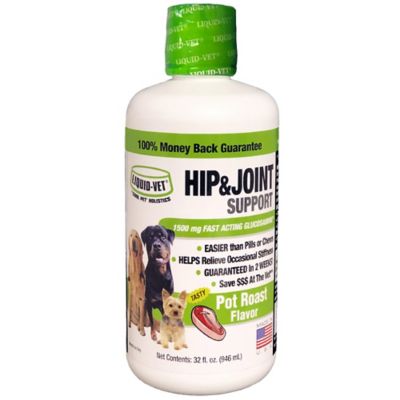
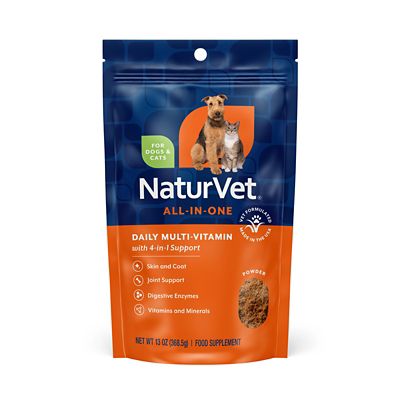
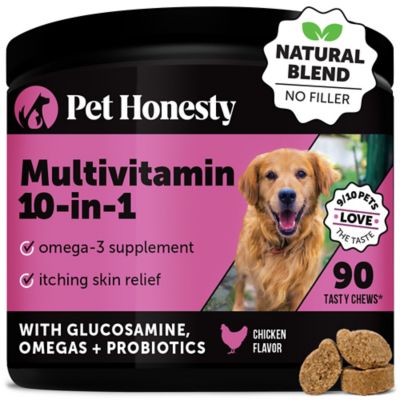
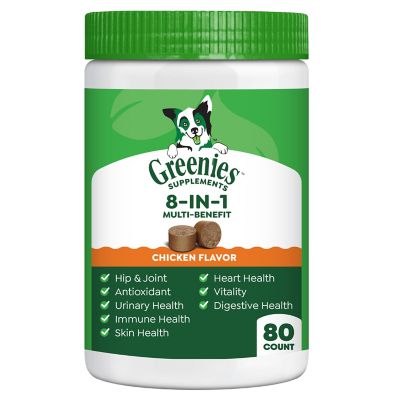
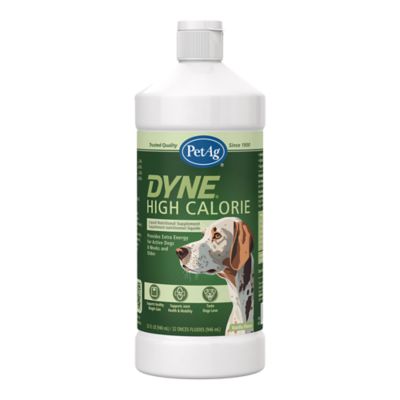
Supplement form can make a real difference in how smoothly a routine goes at feeding time. Soft chews can be convenient for dogs that readily take a treat, while tablets and capsules may suit dogs comfortable taking them as directed. Powders can blend into food, although a picky eater may leave part of the meal behind and miss part of the serving. For shoppers comparing pourable formats,
dog liquid supplements offer another way to add measured servings to a feeding routine when the label permits mixing with food. A pump, dropper or measuring device should be checked against the labeled directions rather than assuming every squeeze delivers the same amount. Liquids are not automatically stronger or easier to absorb than chews or powders; the ingredient, formulation and intended purpose matter more than the format alone. In a household with several dogs, separate bowls and supervised feeding help keep each serving with the right dog instead of the fastest eater. Package care matters, too. Follow directions for refrigeration, room-temperature storage or shaking before serving, keep lids tightly closed and protect contents from moisture and direct sunlight. Supplements that smell or taste like treats should stay well out of reach, since a dog may eat the whole container if given the chance. Human vitamins and supplements are not interchangeable with canine formulas. Some contain xylitol, which is toxic to dogs, and excessive amounts of nutrients such as vitamin D or iron can cause serious harm. Before starting a supplement, veterinary input is especially important for puppies, pregnant or nursing dogs, and dogs with chronic conditions or planned surgery. Any serving change should follow the label and the veterinarian’s advice, not an estimate based on another dog’s routine. Keeping track of appetite, stool, skin condition and everyday movement can help make follow-up conversations more useful. A sensible supplement routine fits alongside balanced meals, appropriate activity and regular veterinary care, supporting the dog’s day without turning every feeding into a handful of unnecessary extras.