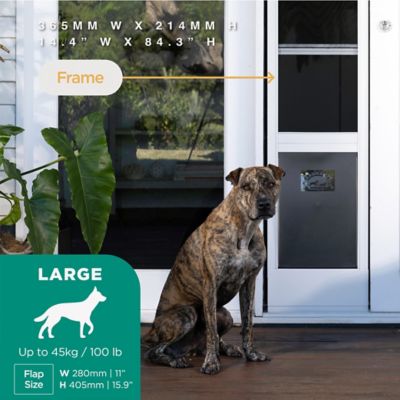
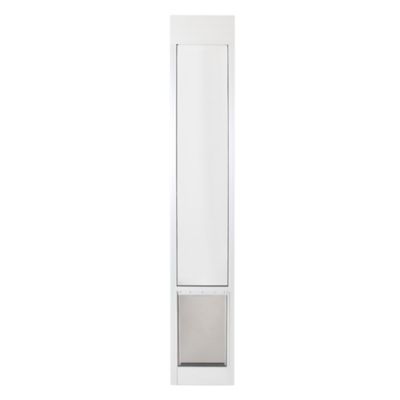
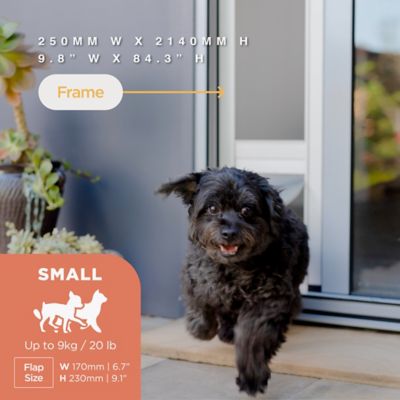
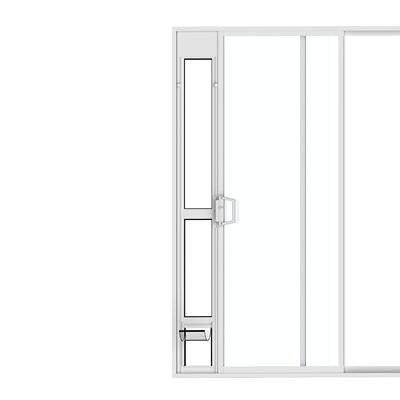
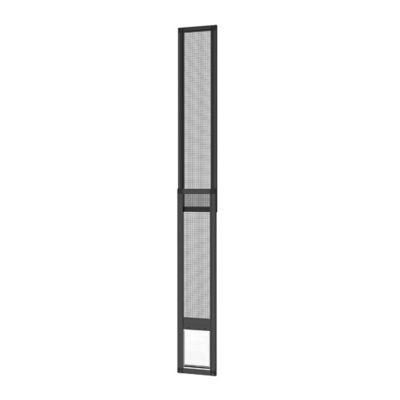
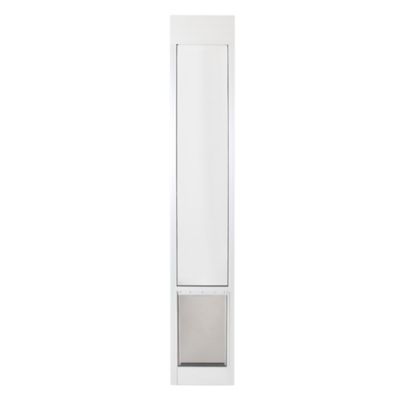
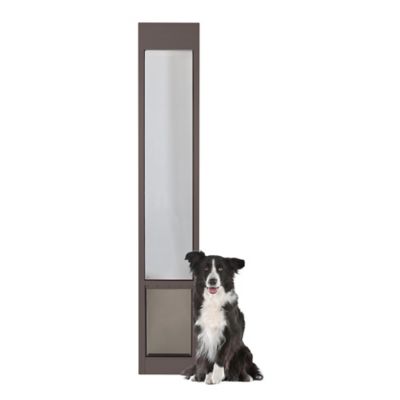
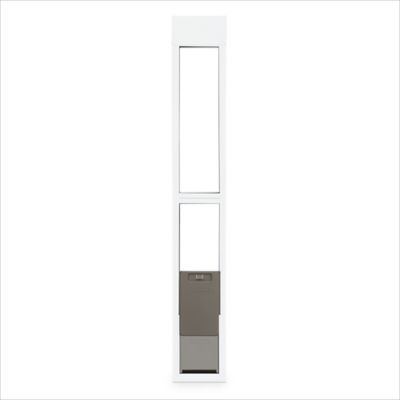
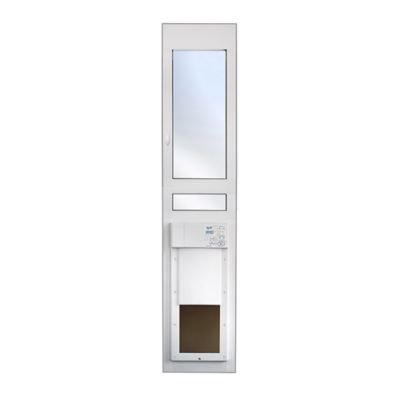
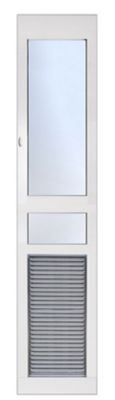
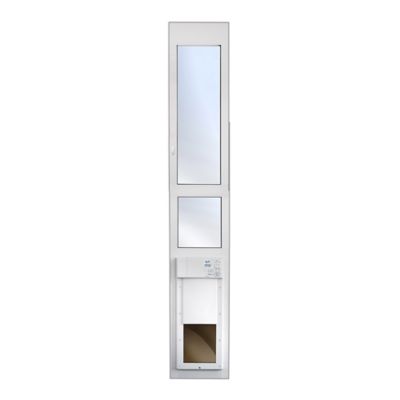
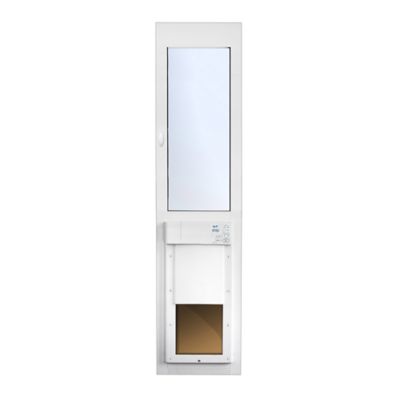
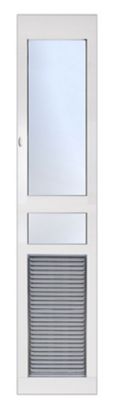
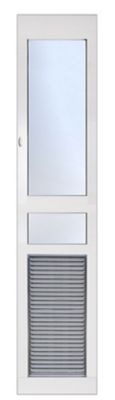
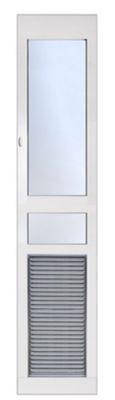
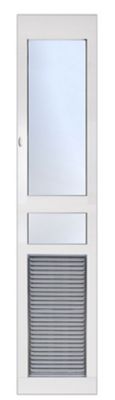
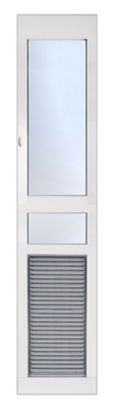
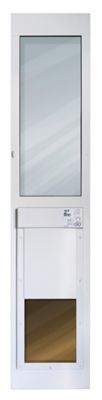
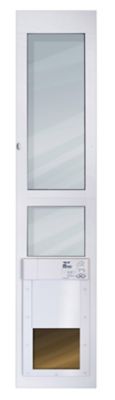
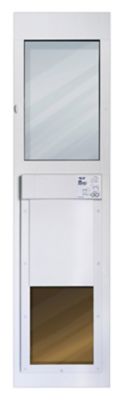
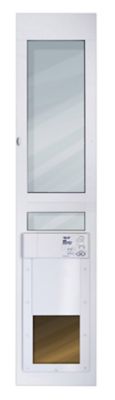
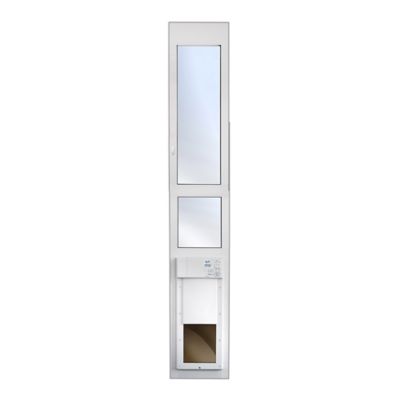
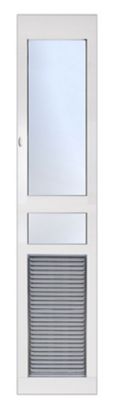
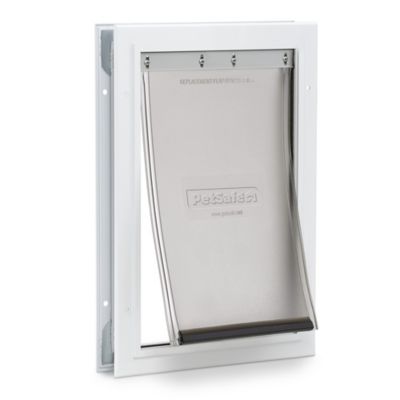
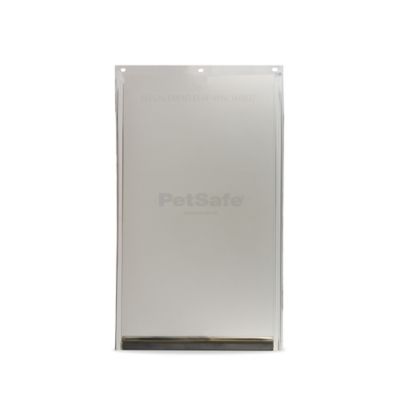
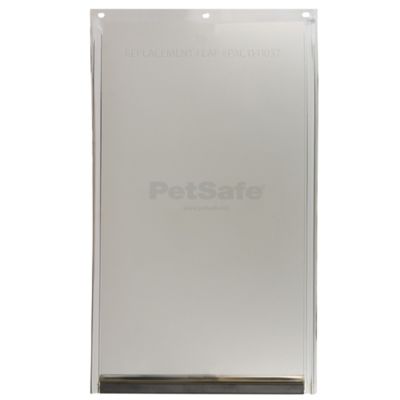
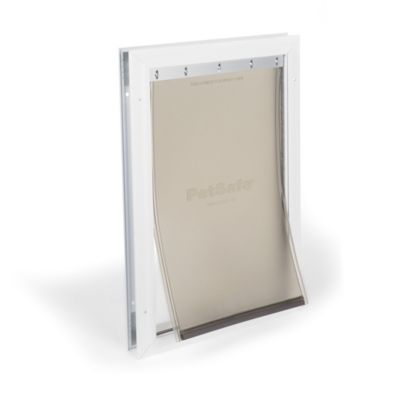
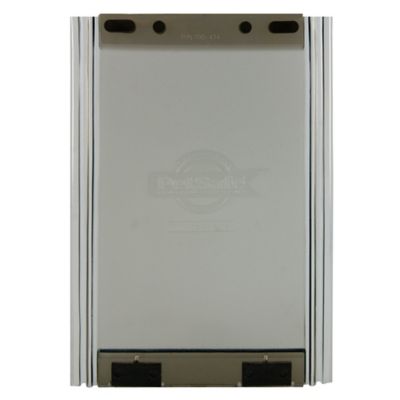
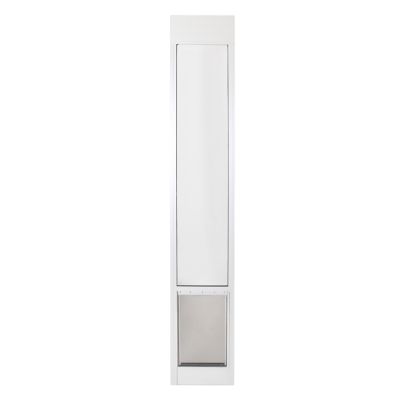
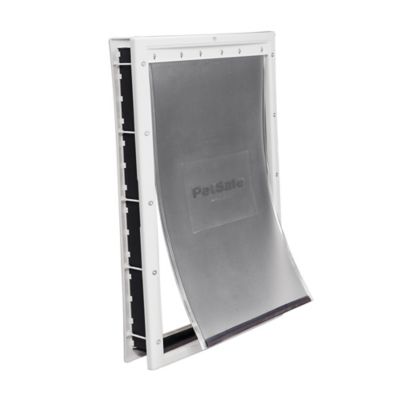
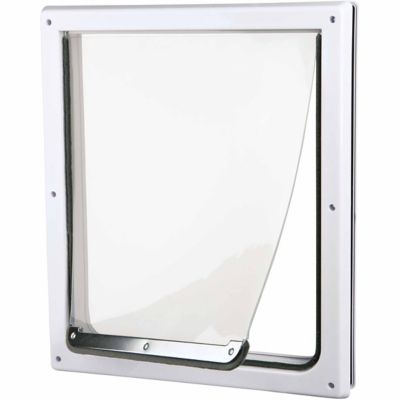
Dog doors for sliding patio doors give dogs a handy way to move between the house and a fenced yard, porch, kennel run or covered outdoor area without waiting for someone to open the door. They can be especially useful for busy households, older dogs that need more frequent bathroom breaks and energetic dogs that enjoy checking the yard throughout the day. A dog door can also make life easier during the warmer season, when muddy paws, wet grass and a dog scratching at the patio door quickly become part of the daily routine. As the weather turns cooler, a properly sized and well-sealed door helps pets come and go while the family keeps the main living space more comfortable. These products generally fit into two broad categories. A patio panel insert sits in the existing sliding door track and includes a glass or solid panel with a pet flap near the bottom. Many are designed to adjust to common patio door heights and install without cutting into the wall or removing the original glass, which makes them a practical choice for renters, seasonal use or homeowners who want a less permanent setup. A custom in-glass conversion replaces the existing sliding glass pane with a fitted glass unit that has a built-in pet door. This option may provide a cleaner, more permanent appearance and can allow the original human door to keep its usual operation, but it typically requires accurate measurements and professional installation by a qualified glass service. Automatic and smart-access options are another choice for households that want added control. Depending on the design, these systems may use a collar tag, motion sensor, timer or app to control access, which can help keep unfamiliar animals out and allow you to manage when your dog can use the door.
Accurate measuring is the best place to start when choosing dog doors for sliding patio doors. Measure the overall height of the opening from the bottom of the track to the top channel, and check the usable width of the track where the insert will sit. Patio doors may look similar from one home to the next, but frame materials, track depth, sill height and adjustment range can vary, especially between aluminum and vinyl doors. Measure more than once, and take note of whether the door has a raised threshold or an uneven track. For the dog, measure from the floor to the highest point of the shoulders, then measure the widest part of the body, including the chest and any thick coat. The flap opening should give the dog enough room to walk through without crouching, squeezing or rubbing along the sides. A growing puppy may need a little room to mature, but choosing an opening that is too large for a small dog can make it harder to retain warmth and may leave more space for drafts or unwanted animals. Older dogs and dogs with stiff hips may benefit from a low step-over height, while a sturdy frame and flexible flap can be helpful in homes with several dogs. Consider how the door will be used every day, too. If the opening leads to a grassy yard, a wipe-clean flap and durable frame can stand up better to dirt and damp paws. If the patio opens toward a gravel drive or open acreage, a lockable flap and a secure outdoor boundary are especially important. For related replacement latches, handles and other parts that help keep the patio door working smoothly, browse
Hardware for Sliding Patio Doors.
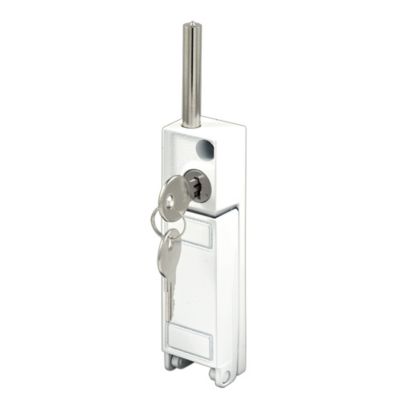
Weather protection and security deserve just as much attention as the opening size. A basic single-panel design may work well in a mild climate or for short-term use, while a dual-pane panel, insulated frame or multi-flap design can help reduce the exchange of outdoor and indoor air during hotter or colder stretches. Look for brush seals, weather stripping and a flap that closes fully rather than hanging open after the dog passes through. Even a small gap can let in wind, dust, insects or rain, particularly on an exposed patio. Since a panel insert occupies part of the sliding door track, the original latch may no longer line up as it did before installation. A secondary pin lock, latch kit, security bar or similar hardware can hold the human door firmly against the insert and help prevent the door from being forced open. Follow the installation instructions closely, test the lock from inside the home and check that the panel cannot shift when pushed. A simple training routine can make the change easier for a nervous dog: prop the flap open at first, use a treat or favorite toy to guide the dog through, and let the dog set the pace. Keep the area outside clear of sharp tools, standing water and loose fencing, and make sure the pet can return indoors safely. These doors can be a thoughtful gift for a new homeowner, a family adopting a dog or someone caring for an aging pet, especially when paired with a secure yard and a comfortable place to rest. With the right fit, dependable weather sealing and a solid access plan, a dog door for a sliding patio door can turn a busy threshold into an easy, everyday path for the whole household.