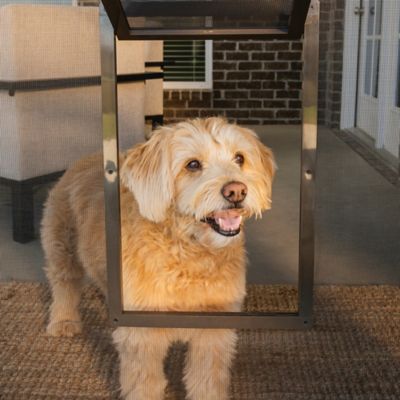
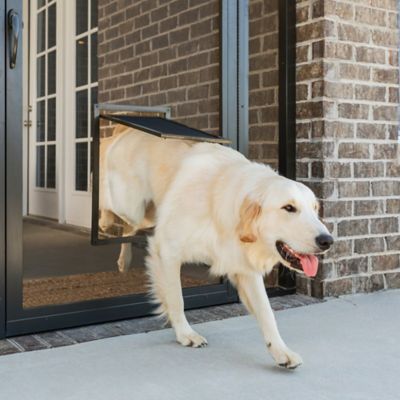
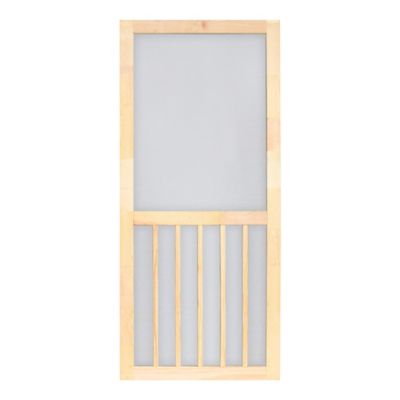
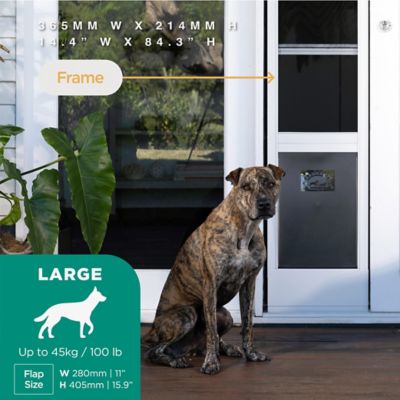
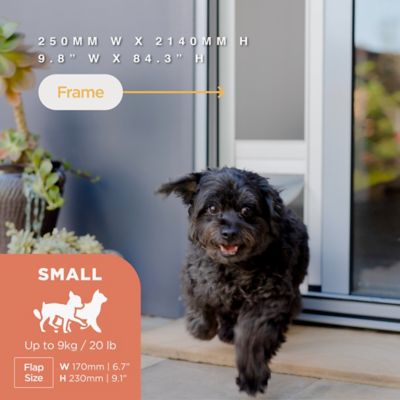
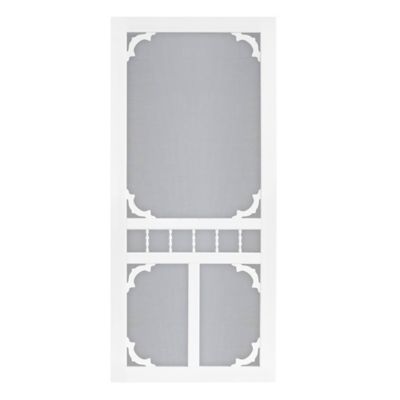
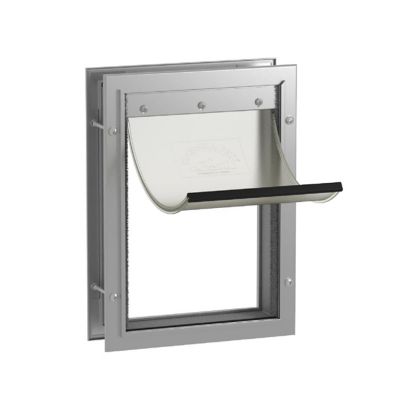
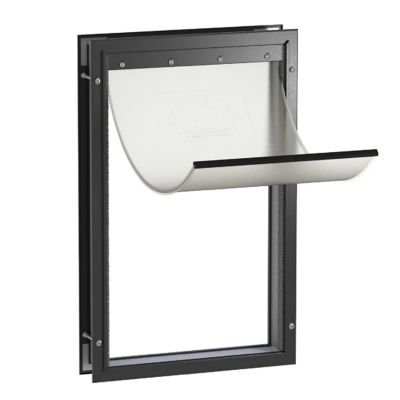
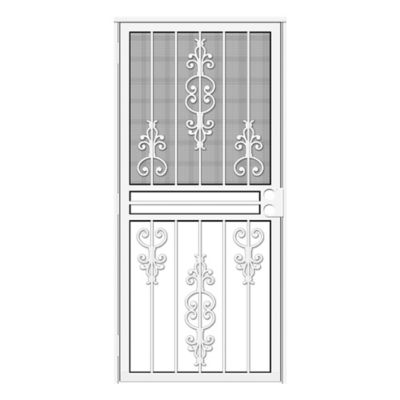
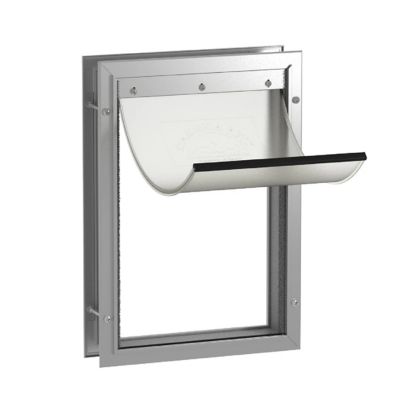
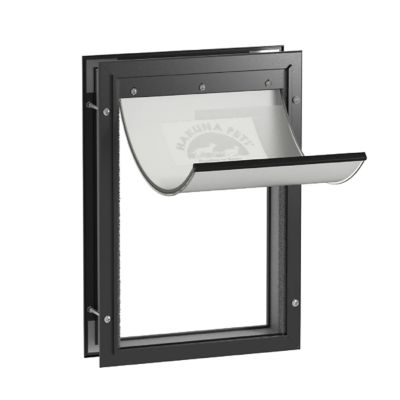
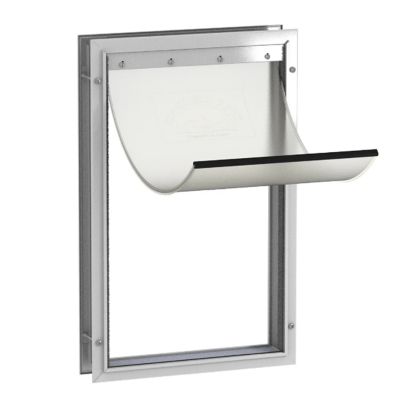
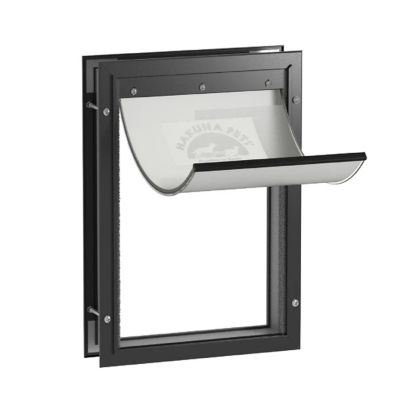
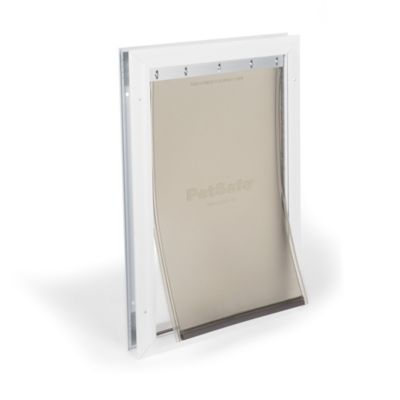
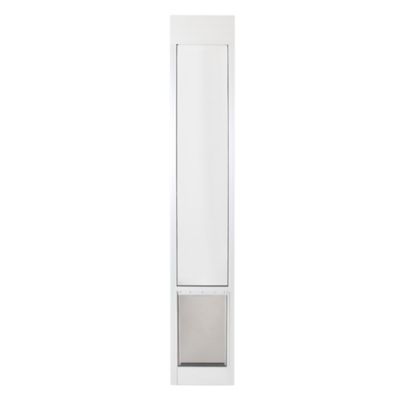
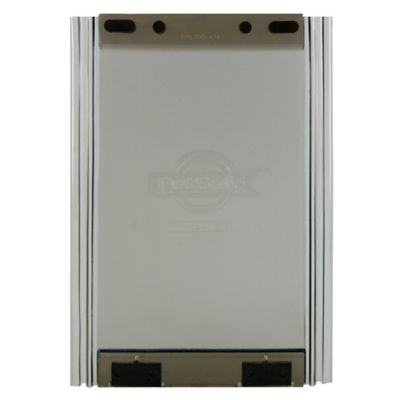
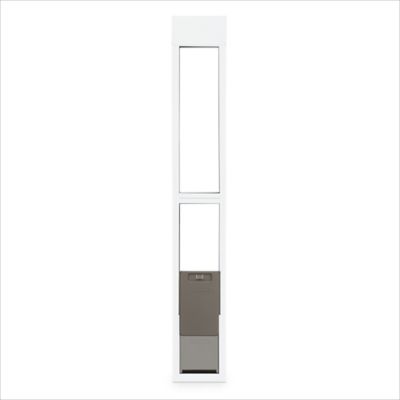
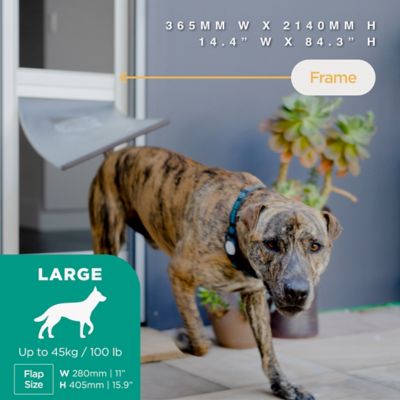
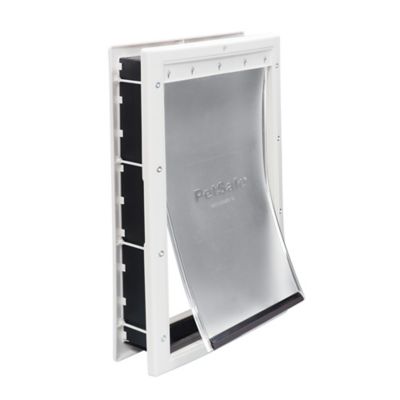
Screen doors for pets give dogs and cats a passage through a screened doorway without leaving the whole door standing open. Most insert-style pet doors fit into an opening cut in the existing mesh, with a frame that holds the screen edges around a swinging flap. Other designs combine a full-size screen door with a built-in pet opening. Both types can connect a living space with a screened porch, patio or enclosed yard while letting air pass through the surrounding mesh. For a dog that likes to stretch out on the porch while someone handles chores nearby, that little opening can mean fewer trips to the back door. For a cat with access to an enclosed catio, it can provide a familiar route between a favorite indoor perch and an outdoor lounging spot. The right setup depends on both the animal and the doorway, not just the size printed on a package. A pet’s shoulder width, chest depth and standing height help determine whether an opening offers enough room to pass comfortably. Weight recommendations can help narrow the choices, but two dogs of the same weight may have very different builds. The height of the opening above the floor matters, too, especially for a short-legged dog or an older pet that has trouble stepping over a raised edge. In a home with several animals, the largest pet needs room to pass, while the smallest still needs a flap it can move without a struggle. Screen pet doors are intended for access through a screened barrier; they do not turn a porch into an escape-proof enclosure or replace a solid exterior door. They make the most sense where the space on the other side is appropriate for that animal, whether that means a fenced yard, a secured porch or a fully enclosed cat area. A pet door also cannot distinguish between household animals unless its design specifically includes controlled entry.
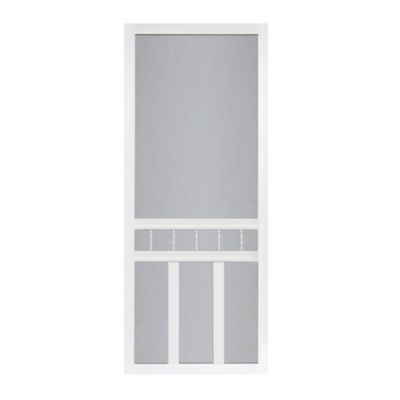
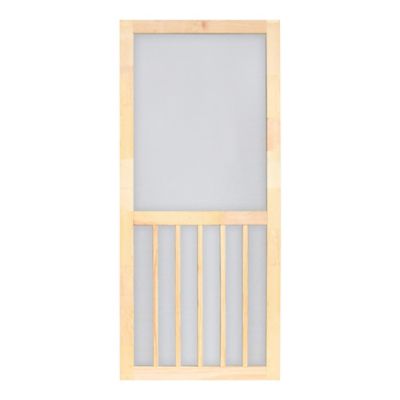
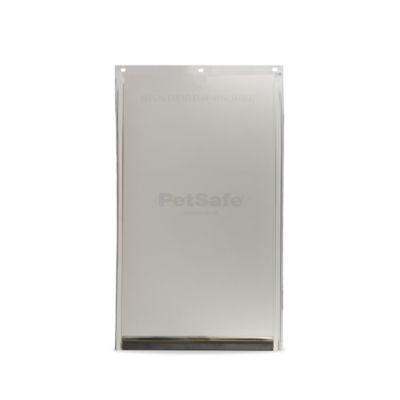
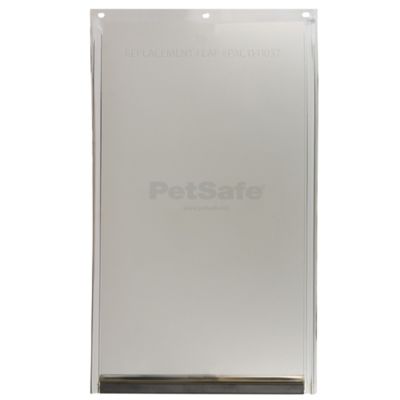
Materials and construction affect how a pet screen door feels in daily use and how well it holds up to repeated trips. Frames may be made from rigid plastic or metal, with differences in thickness, reinforcement and mounting hardware. A lightweight frame can suit a smaller opening, while a larger pet or a busy multi-pet household may call for more support around the cutout. The existing screen is part of that support system. Fiberglass mesh, metal mesh and heavier pet-resistant screening do not all accept the same fasteners or frame designs, so compatibility matters as much as the flap dimensions. Pet-resistant mesh can stand up better to claws than standard screening, but it is not claw-proof and does not make the opening a restraint. A dog that paws at a closed flap or pushes through sideways can strain both the frame and the surrounding mesh. Flap construction also changes the experience for the animal. Some openings have a rigid swinging panel, while others have a more flexible flap; hinges, pivots and magnetic catches influence how easily the panel moves and returns to place. A magnetic catch can help bring a flap back to its resting position, though proper alignment and an unobstructed opening still matter. Sliding tabs or other manual locks can restrict passage when needed, with the available settings varying by design. For an insert, the usable screen area needs enough room for the frame without crowding the door rail, handle or lower support. On a sliding screen door, frame thickness and placement must also allow the panel to travel without catching on the adjacent door. A full replacement screen door brings additional fit considerations, including the doorway measurements, hinge placement, swing direction and clearance at the threshold. Installation methods vary, and an insert that requires cutting the mesh leaves an opening that will need repair or rescreening if the pet door is later removed.
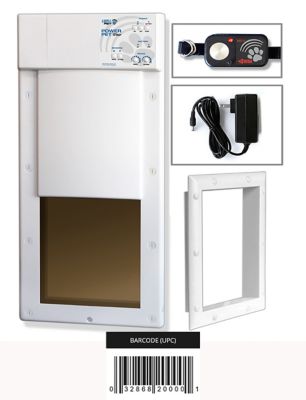
Everyday care centers on keeping the flap moving freely and the surrounding screen firmly attached. Hair, grit and bits of yard debris can collect along the bottom edge or around a magnetic catch, leaving the flap sitting crooked instead of closing fully. Gentle cleaning suited to the frame and flap materials helps clear that buildup without harming the surface. Hinges, fasteners, locking tabs and mesh edges deserve a look during routine cleaning, especially when several pets share the same doorway. A loose corner or a small tear is easier to address before repeated pushing makes it larger. Replaceable flaps, mounting parts or screen panels can also matter over the life of the installation, since those components may show wear at different rates. How the pet approaches the opening is another part of a workable setup. A clear landing area on both sides gives a dog room to move straight through rather than twist around a flowerpot or step onto a loose mat. Cats and cautious dogs may need time to get comfortable with the movement and sound of a swinging flap, particularly one with a firmer magnetic closure. Short, supervised introductions and a calm pace are a better fit than pushing an animal through. For households that need access tied to a compatible collar device or microchip rather than a basic swinging opening,
Automatic Pet Doors offer another category to consider, with installation requirements that depend on the design. A manual screen-door lock can help manage a pet’s routine, but it is not a substitute for home security, child supervision or checking the yard for hazards. With a suitable opening, sound screen attachment and room to come and go comfortably, a pet screen door can make everyday porch and yard access simpler while keeping the main screened doorway in place.