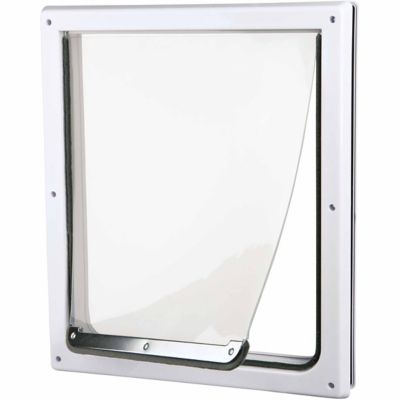
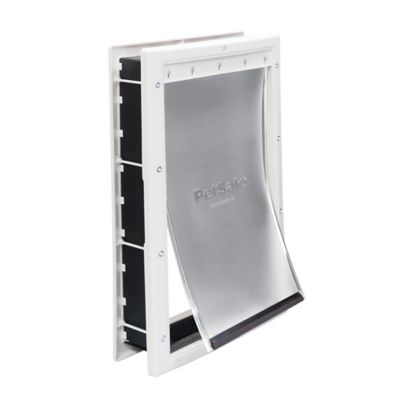
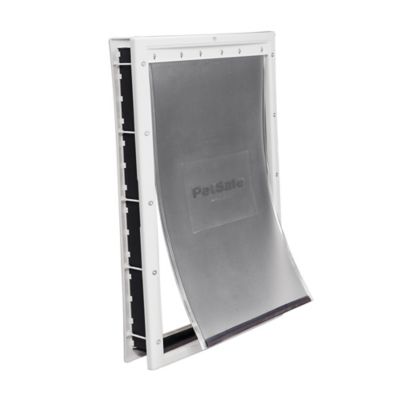
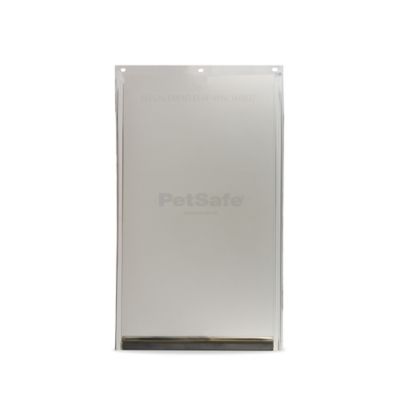
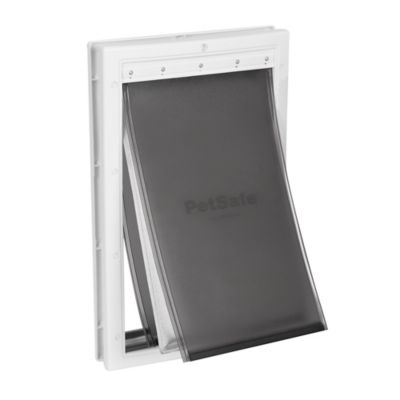
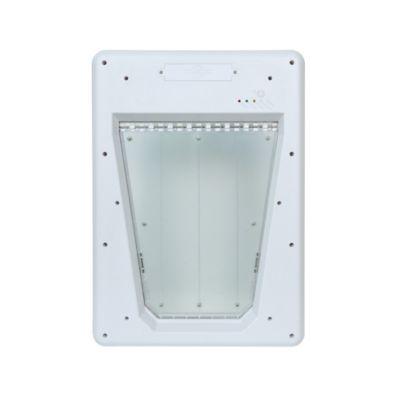
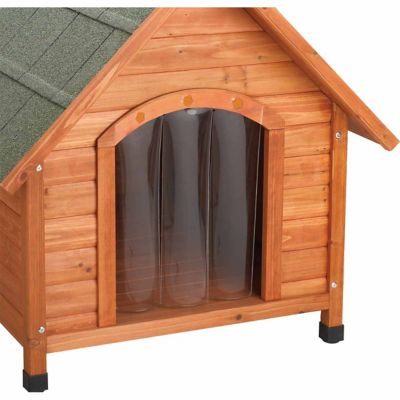
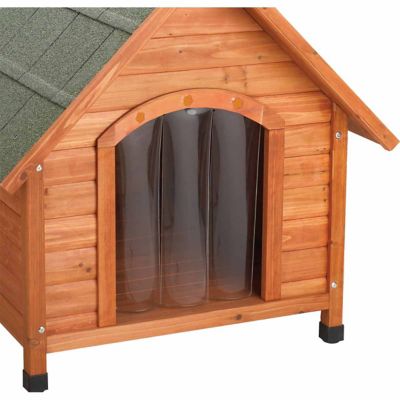
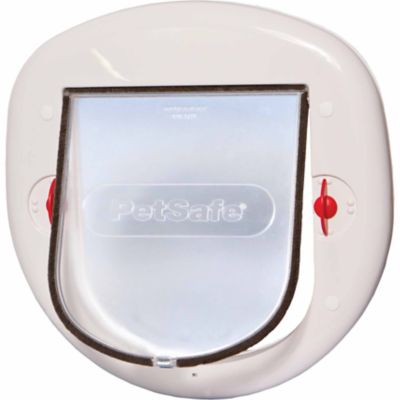
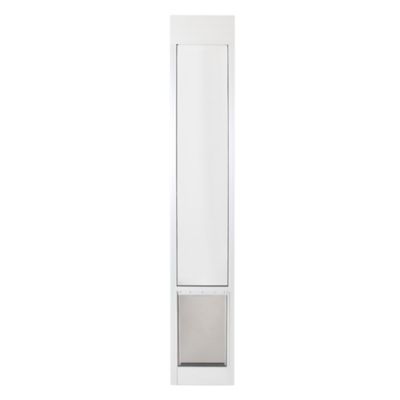
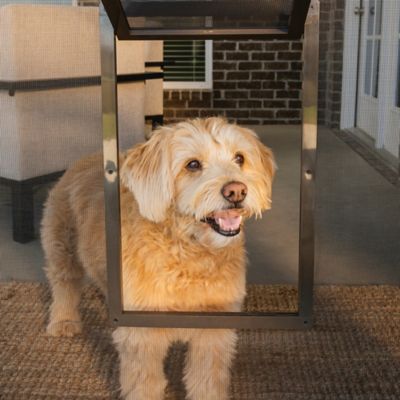
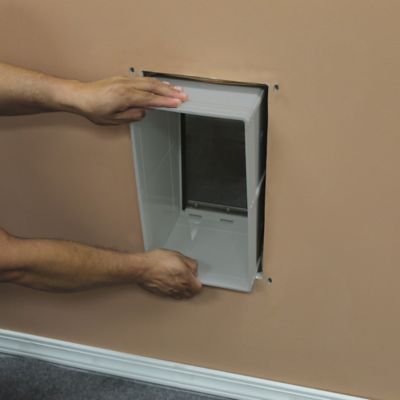
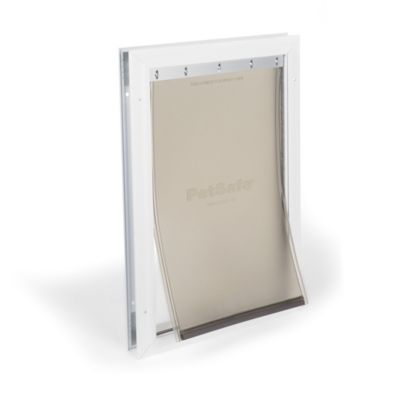
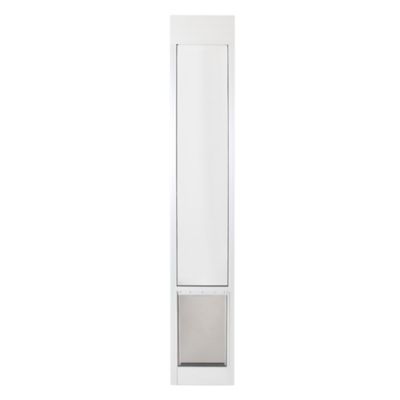
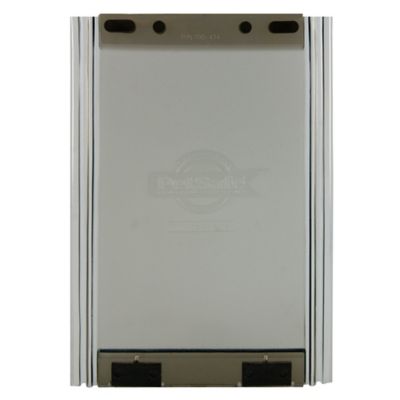
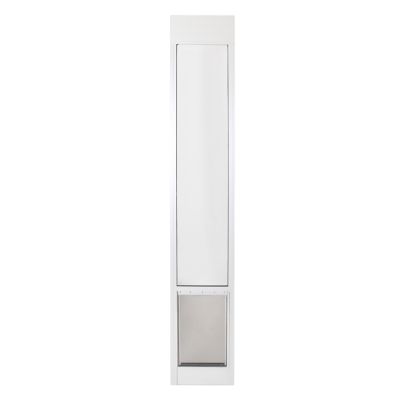
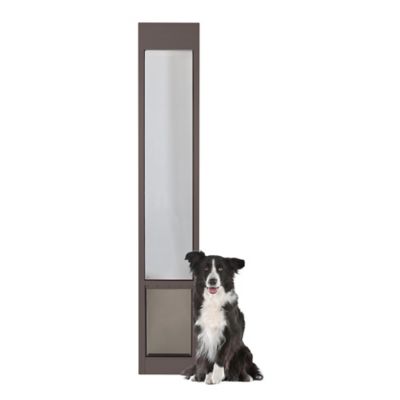
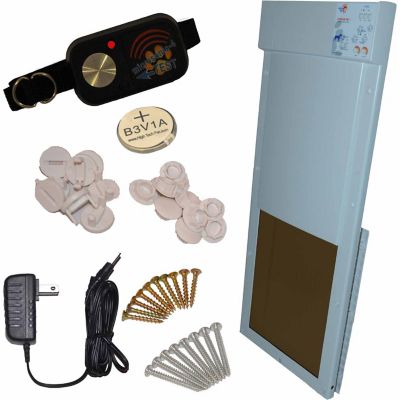
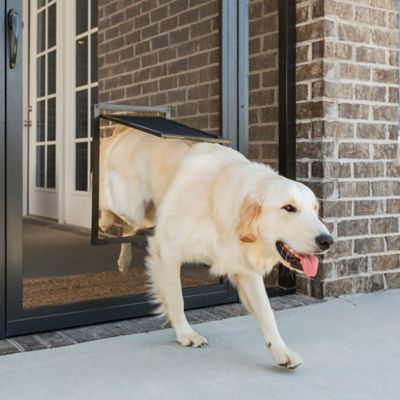
A dog door for a door can make everyday life easier for both you and your dog, especially when your home opens onto a fenced yard, kennel area, porch, or working space. Instead of stopping what you are doing to let your dog in and out, a properly fitted pet door gives your four-legged helper a little more freedom to stretch, sniff around, take a bathroom break, or settle back inside on their own. This can be handy during long days of chores, muddy weather, and those early mornings when the dog is ready to head out before the rest of the household. Pet doors are useful for many kinds of homes, from country properties with a busy yard to suburban houses with a small fenced run. They may also be a thoughtful gift for a new homeowner, someone who has recently adopted a dog, or a family setting up a safe outdoor area for an older pet. Before choosing one, take a close look at the door where it will be installed. Exterior wood doors, metal doors, storm doors, and other entry doors can have different construction, thickness, and installation requirements. The best fit depends on the opening, the available space, and how the door is used each day. A back door near a fenced yard may call for a different setup than a door leading to a garage, mudroom, or enclosed porch. If the doorway is exposed to wind, rain, dust, or blowing leaves, consider how the flap or entry panel will help limit drafts while still opening easily for your dog.
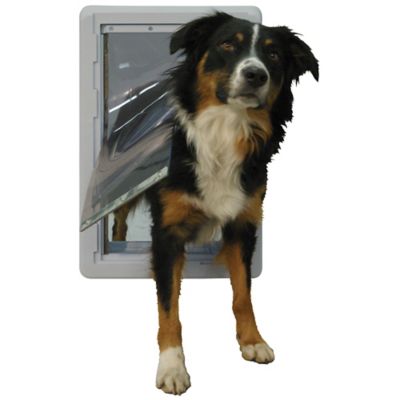
Getting the size right is one of the most important parts of choosing a dog door for a door. Measure your dog from the floor to the top of the shoulders, then check the width of the chest or the broadest part of the body. The opening should be roomy enough for your dog to pass through without rubbing shoulders or crouching awkwardly, but it should not be so large that a smaller pet struggles to use it or the home loses more conditioned air than necessary. Puppies and young dogs may still be growing, so allow for their expected adult size if the door will be installed for the long haul. At the same time, take your dog’s age and mobility into account. A senior dog may need a lower step-over height, while a short-legged dog may do better with an opening placed closer to the floor. Watch how your dog moves through tight spaces before installation; a dog that hesitates at a narrow crate door may also need a little extra room and a calm introduction. Installation location matters just as much as the opening size. Keep the inside and outside paths clear of furniture, flowerpots, fencing, hoses, and other obstacles. On the outdoor side, a level patch of ground or a stable landing area can make the transition safer, particularly when the grass is wet or the ground is slick during cooler months. If the door leads to a fenced area, check the fence and gate carefully as well. A dog door works best when it connects to a secure space where your pet cannot wander into traffic, livestock areas, unfriendly encounters, or plants and materials that may be unsafe.
A quality dog door for a door should fit the way your household lives. Look for construction that can stand up to paws, nose nudges, and repeated use, along with a flap or panel that swings freely and returns to place after your dog passes through. Weather-resistant materials can help the entry hold up through warm afternoons, dusty yard work, heavy rain, and the cooler conditions that arrive later in the season. A secure closing feature is also worth considering, especially for homes where you want to limit access overnight, keep wildlife out, or give the dog outdoor time only when someone is home. Some families use the closure when guests arrive, during storms, or while treating the yard. Others prefer a simple, always-open arrangement for a dog that spends much of the day moving between the house and a fenced run. Think about cleanup, too. Dogs bring in plenty of life from the yard, including wet grass, sand, and a little bit of barnyard mud. Installing the door near a washable mat, towel station, or mudroom can help keep those tracks from spreading across the house. When introducing a new door, leave the flap secured open at first and use a familiar treat or toy to encourage your dog through it. A few relaxed trips back and forth are usually better than pushing or pulling a nervous pet. Cats, small dogs, and larger breeds may share a home but need different entry sizes and access arrangements, so choose with every animal in mind. For households that want a way to improve airflow or give pets a screened transition area, explore
Screen Doors for Pets as another option. With careful measuring, a safe outdoor path, and a location that suits your routine, a pet door can become one of those simple home upgrades that quietly earns its keep every day.