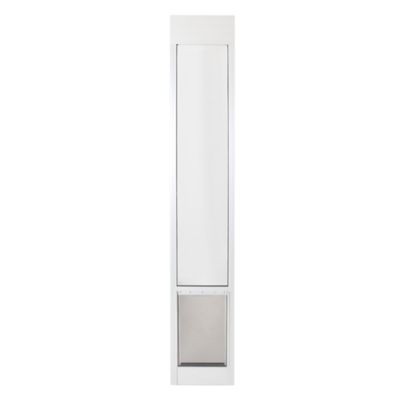
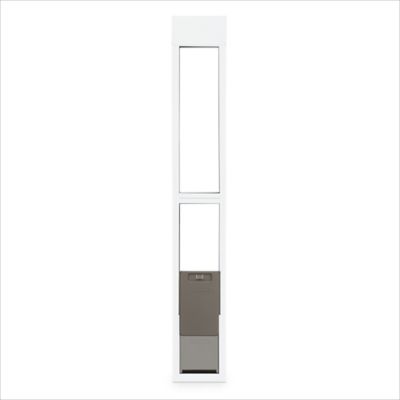
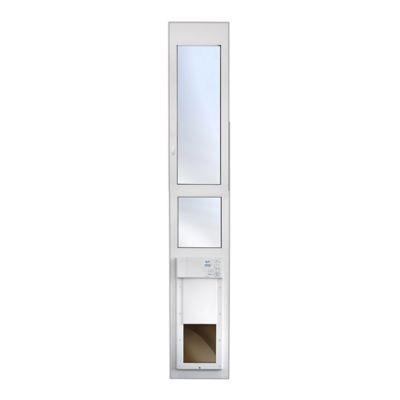
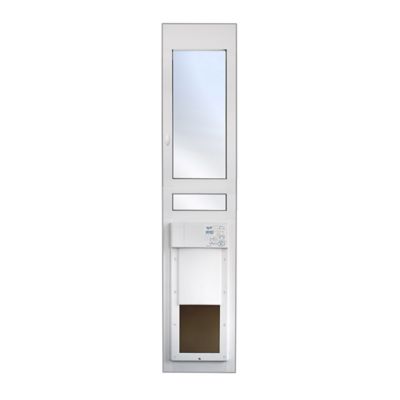
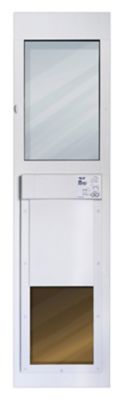
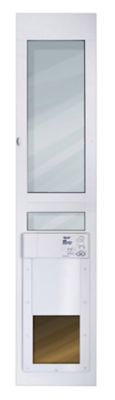
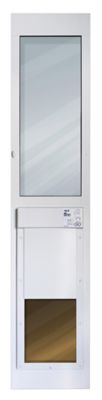
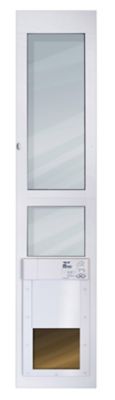
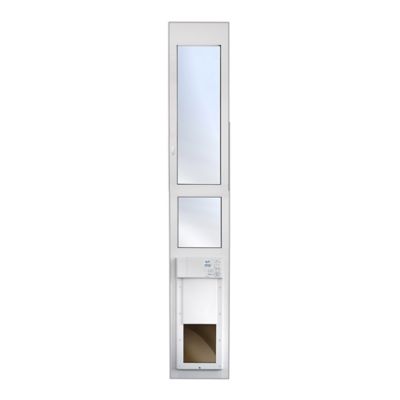
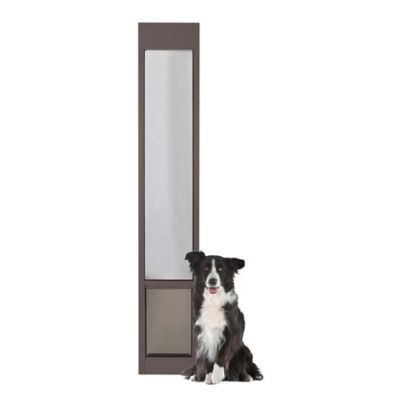
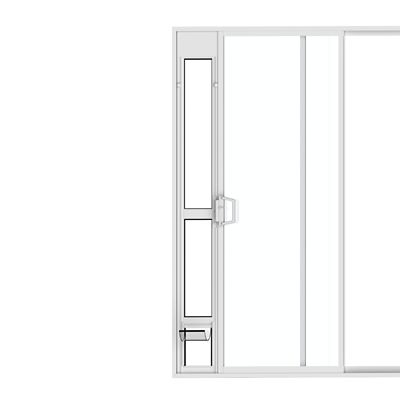
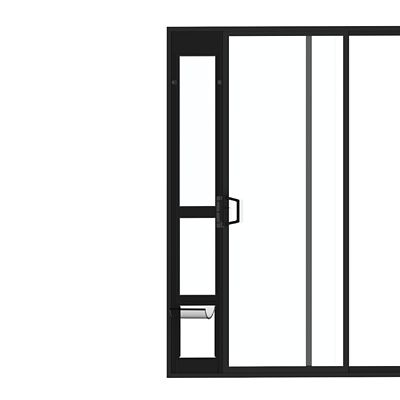
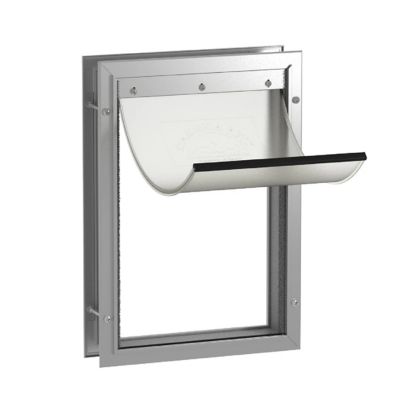
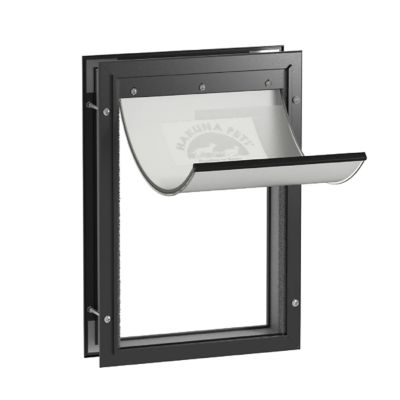
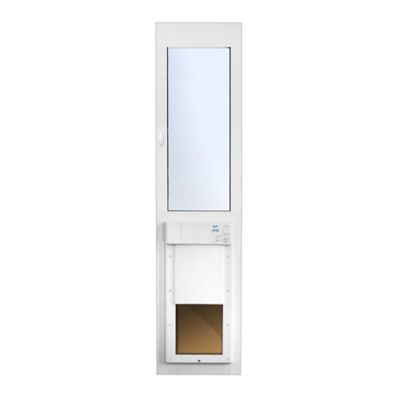
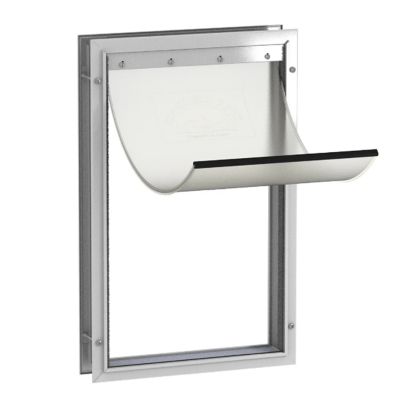
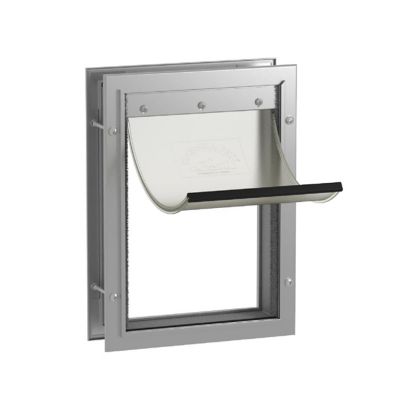
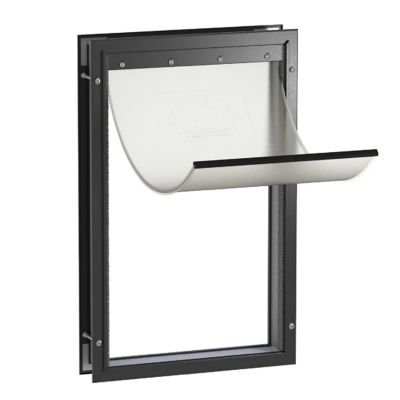
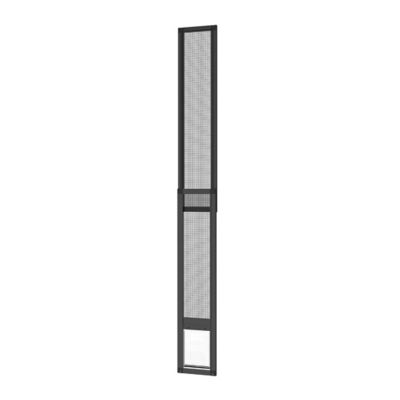
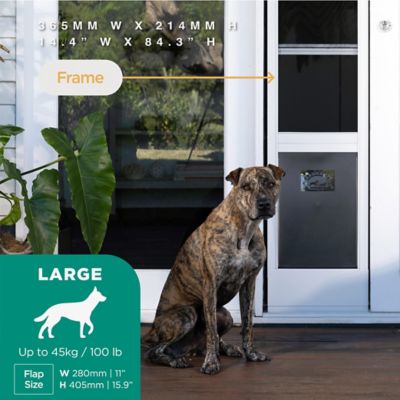
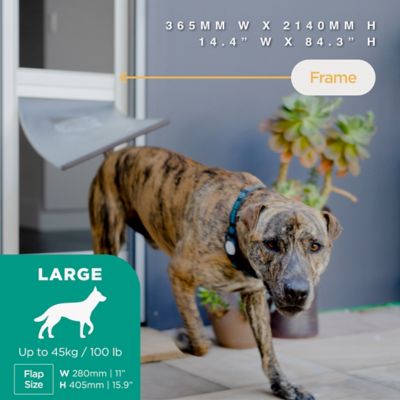
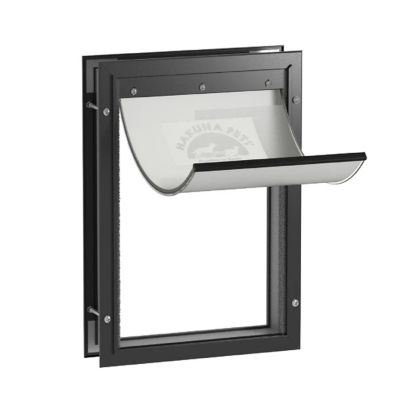
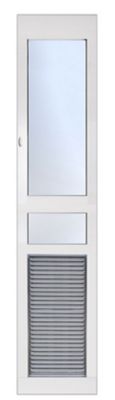
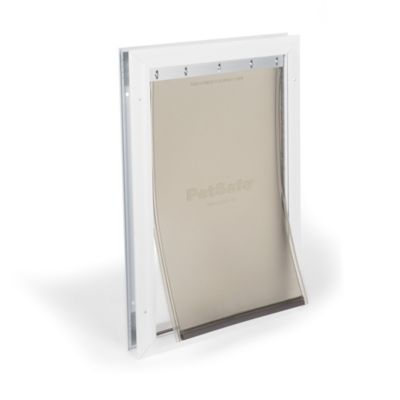
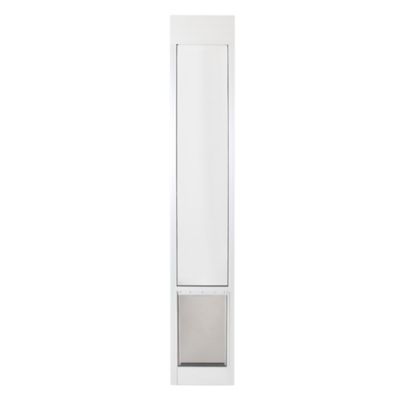
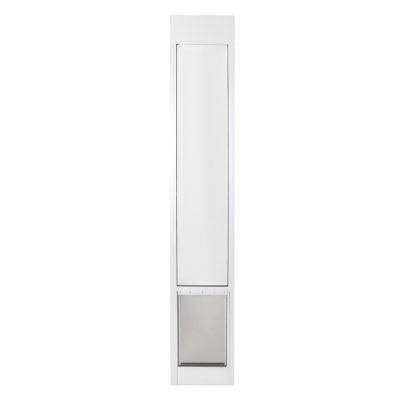
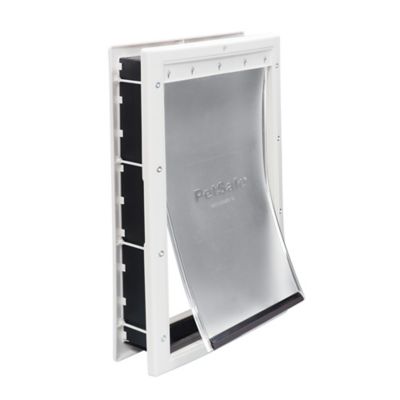
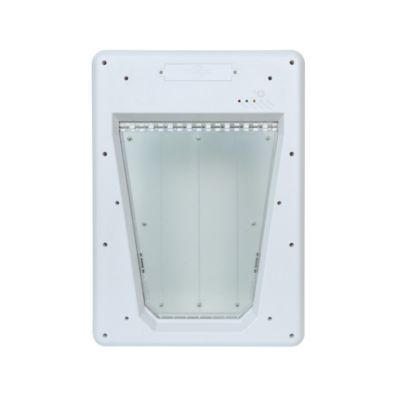
Pet doors for glass sliding doors give dogs and cats a passage through a patio doorway without someone having to slide the whole door open for every trip outside. A common design is a patio panel insert: a tall, narrow frame with glass above and a pet opening near the bottom. The panel sits in the existing sliding door track, and the sliding door closes against it. Many panel inserts can be installed without cutting the existing glass, making them worth considering for households that want a removable setup. Permission still matters in a rental, especially when mounting hardware or changes to the door latch are involved. These doors can make everyday routines simpler, whether a dog needs access to a fenced backyard while chores get done or a cat has an enclosed outdoor run beside the house. The outdoor space should be suitable for the animal before free access becomes part of the routine; a pet opening does not replace a fence, supervision, or a secure enclosure. Panel construction commonly combines an aluminum or vinyl frame, a glass section, and a flexible or rigid pet flap. Frame material affects weight, cleaning, and compatibility with the existing doorway, while the glass section helps preserve a view through the opening. Tempered glass is a common feature, but it is not unbreakable, and an existing tempered pane should never be cut to add a pet opening. A pet door built directly into a glass pane is a different installation from a track-mounted insert and generally calls for a suitable replacement pane and professional glass work. For many households, the appeal of a panel insert is that the original glass can stay intact. The trade-off is space: the insert takes up part of the doorway, leaving a narrower opening for people, laundry baskets, feed bags, and anything else that needs to pass through. That balance between pet access and everyday household traffic is just as important as the size of the flap.
Fit comes down to two separate measurements: the pet opening and the sliding door frame. A dog’s weight alone does not tell the whole story. A broad-chested dog and a slender dog can weigh about the same yet need different opening widths, so the clear flap opening should accommodate the animal’s widest point without squeezing. Height matters, too, including how the pet carries its head and shoulders while stepping through. The rise from the floor to the bottom of the opening, often called the step-over height, deserves particular attention for short-legged dogs, older pets, and animals with limited mobility. A roomy flap can still be awkward if the bottom edge sits too high. In a household with more than one pet, the largest animal needs enough clearance while the smallest still needs a manageable step and flap weight. Sliding door measurements are equally specific. Patio panels have stated height ranges, and an adjustable top only works within that range; it does not make every panel fit every doorway. Track height, track width, sill shape, and the panel’s seating position all affect the match. Aluminum and vinyl sliding door frames can have different profiles, and a panel intended for one should not be assumed to fit the other. Recessed tracks, raised thresholds, and unusual frame layouts may require compatible hardware or a different panel configuration. The existing screen track is also separate from the glass door track. A good fit lets the panel sit straight and the sliding door meet its edge without binding or leaving open gaps. Locking arrangements need their own attention because the original latch may no longer line up once the insert is in place. Depending on the design, compatible brackets, latch hardware, or a security bar may be needed. The pet opening’s closing cover controls animal passage; it should not be mistaken for the lock that secures the sliding door itself. Handle clearance and the remaining walk-through width matter in a busy household, too.
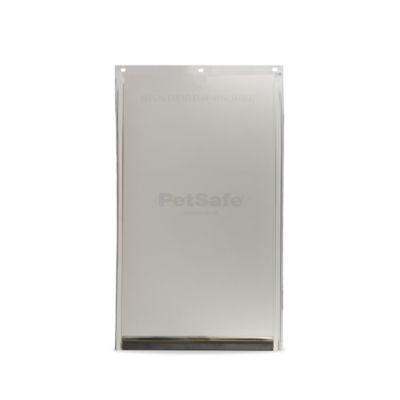
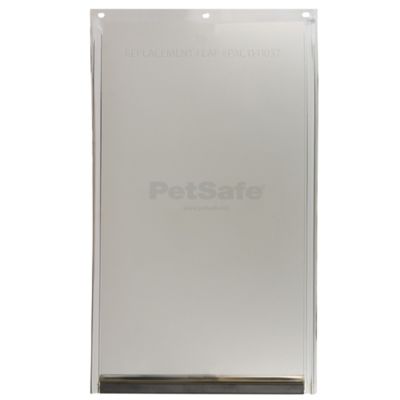
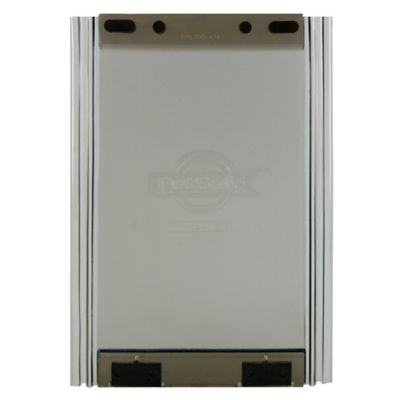
Flap design shapes how a pet door feels in daily life. Flexible flaps are common, while some designs have firmer panels, multiple flap layers, or magnetic edges that help the opening settle closed after a pet passes through. The closing action should be manageable for the animal, particularly a small cat or a dog that is hesitant about pushing through a new opening. A flap that swings easily for a large dog may behave differently for a much smaller companion. Clear or lightly tinted flaps can help pets see the space ahead, although comfort with the movement still varies. A removable closing cover or built-in access control is useful when the pet needs to stay indoors, such as during yard work, a delivery, or a visit from guests who might leave a gate unlatched. Electronic access features, where offered, need closer attention to power requirements, compatible pet identification, and how the door behaves when power is interrupted. No opening should be assumed to keep every unwanted animal out, particularly around feed storage, barns, or areas where wildlife passes through. Everyday care is mostly about keeping moving parts and contact surfaces clear. Paw prints collect on glass, fur can gather around flap edges, and grit in the lower track can keep a panel from seating properly. Cleaning methods should match the materials: glass, coated metal, vinyl, and flexible flap surfaces do not all tolerate the same cleaners. Harsh solvents or abrasive scrubbers can damage finishes and cloud some flap materials. Periodic checks of fasteners, seals, hinges, and closing covers help catch loose hardware or wear before the opening becomes troublesome. Replacement flap and seal compatibility is worth checking, since these parts take repeated contact from noses, shoulders, and muddy paws. For a doorway where the pet passage belongs in the screen rather than beside the sliding glass panel,
Dog Doors for Sliding Screen Doors are a separate category with different mounting needs. Matching the door style, animal’s build, and household routine helps make pet access practical without overlooking the doorway’s other jobs.