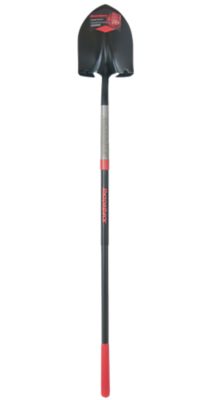
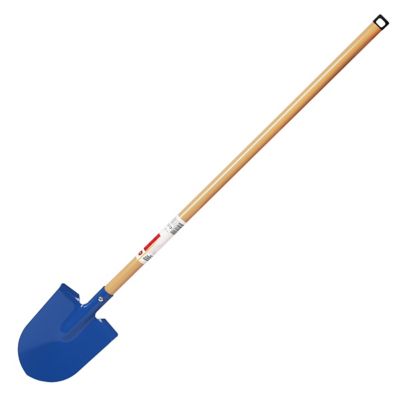
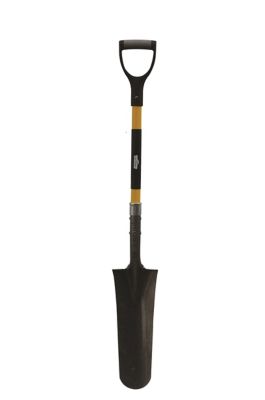
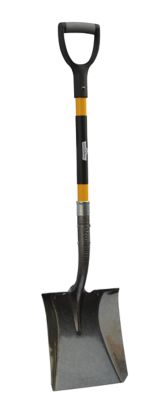
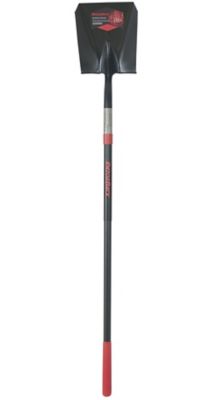
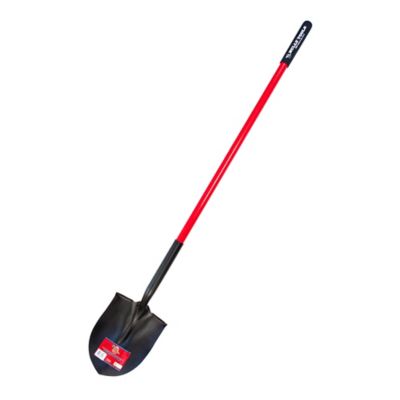
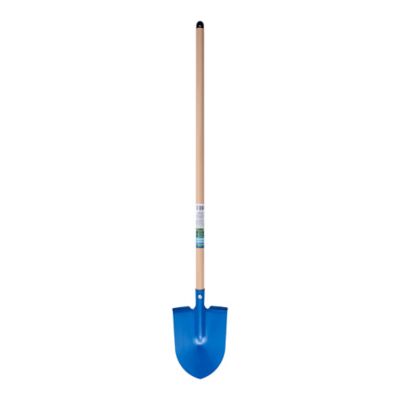
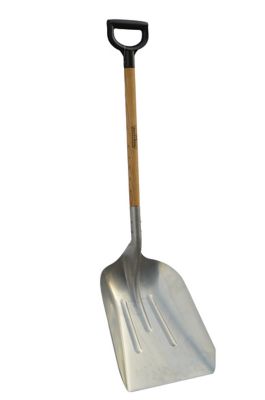
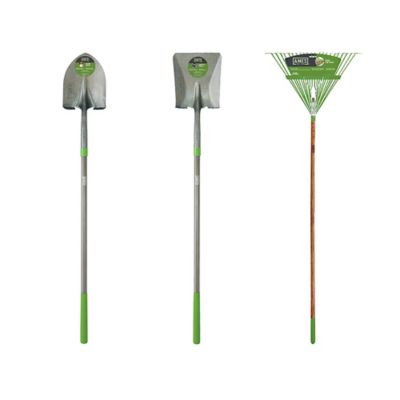
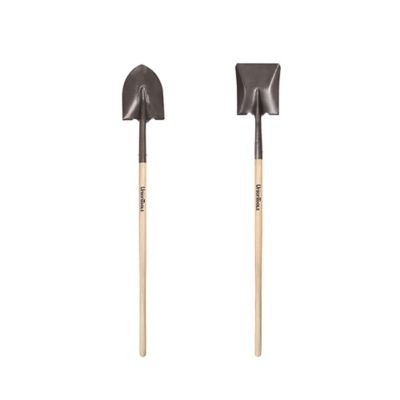
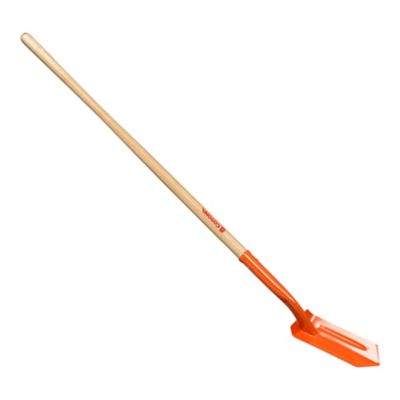
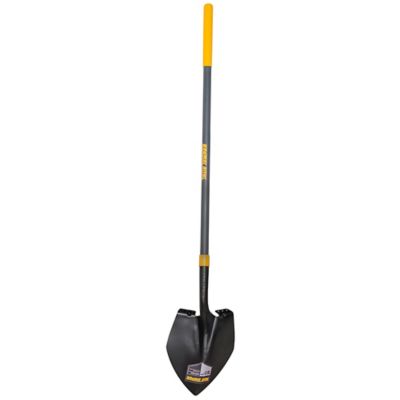
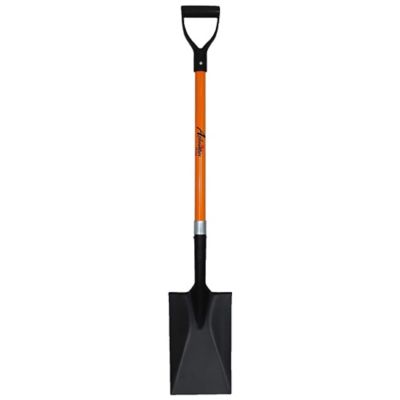
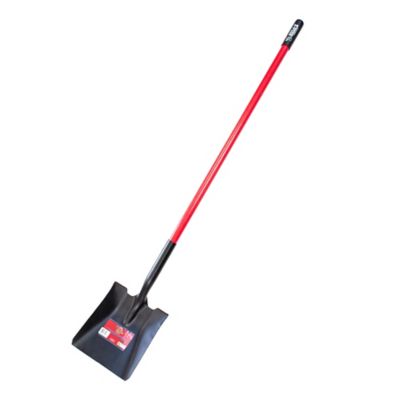
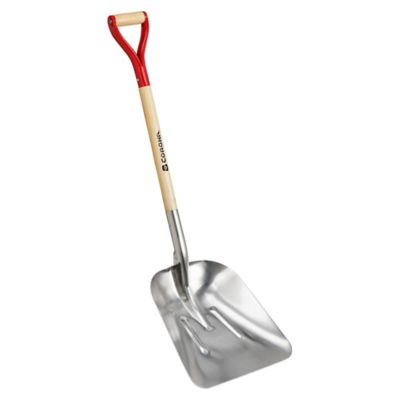
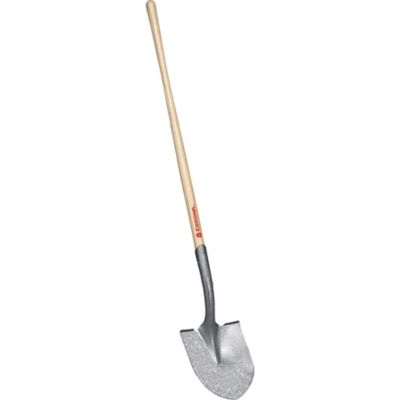
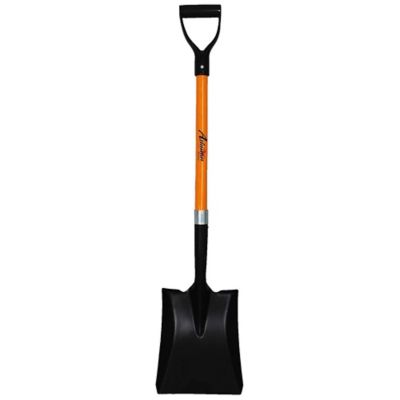
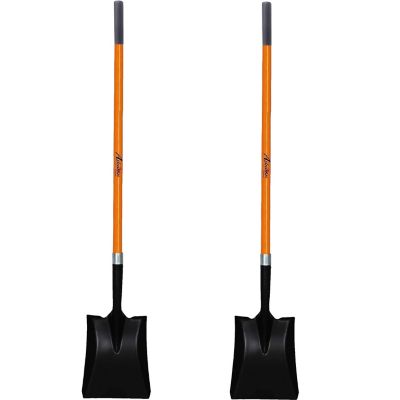
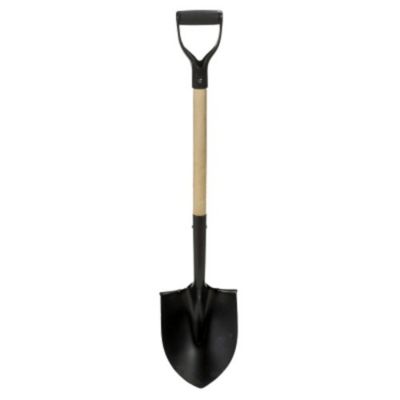
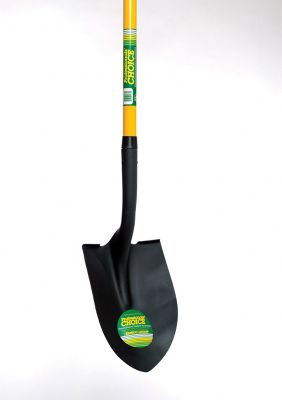
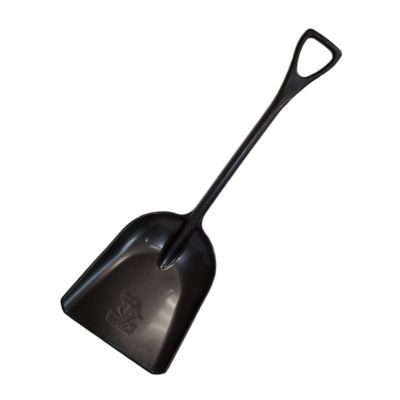
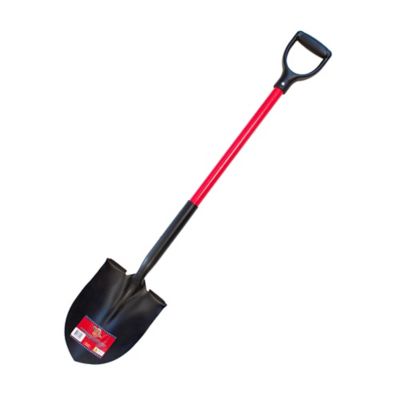
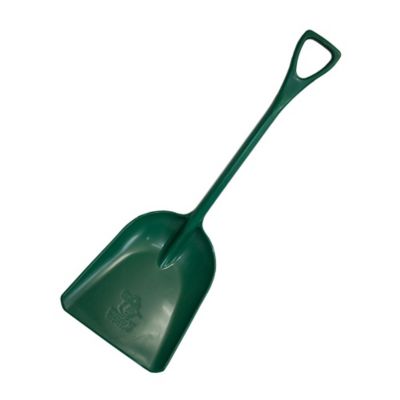
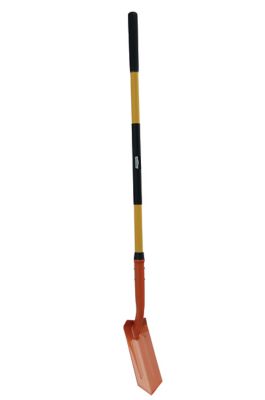
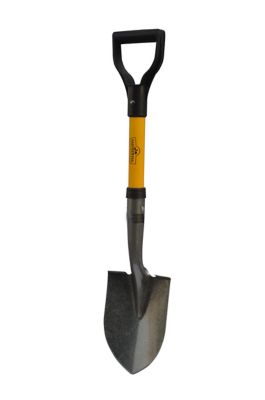
Dirt shovels are everyday workhorses for gardens, fence lines, flower beds, driveways and all the small jobs that keep a piece of property in good shape. A round-point digging shovel is the familiar choice for breaking ground. Its curved, pointed steel blade can pierce compacted soil, work through clay, cut small roots and open planting holes with a firm step on the blade. This style is useful when the ground is packed hard from foot traffic, dry weather or a long season of use. For moving loose dirt, sand, compost, gravel or mulch, a square-point shovel may be the better fit. The squared blade gathers material neatly and works well for scooping, leveling and cleaning up piles along a garden edge, barn entrance or work area. A trenching shovel has a narrower, longer blade made for cutting clean channels in the soil, which can help when setting irrigation, running cable or preparing a narrow drainage path. Keeping these basic differences in mind makes it easier to choose a dirt shovel that matches the work instead of asking one tool to handle every task. For a broader look at digging, scooping and landscaping tools, browse
Yard Shovels as you compare options for the job ahead.
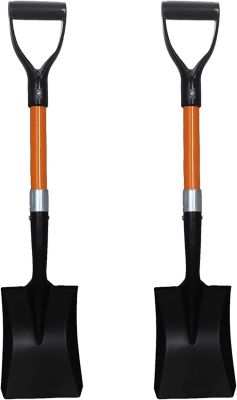
Handle design matters just as much as blade shape. A long handle, commonly around 48 to 59 inches, gives many users more leverage and helps reduce bending while digging or lifting. That extra length can be especially welcome when opening a row of post holes, turning over a new bed or clearing soil from a deep hole. Long-handled shovels also give you room to place both hands where they feel comfortable, making it easier to use your legs and body weight instead of relying only on your back. A D-handle shovel has a shorter shaft and a grip at the top for closer control. It can be handy in tight garden spaces, around shrubs and fence posts, or anywhere a long handle is awkward. The compact shape can also make heavy lifting feel more balanced, though the right choice depends on your height, reach and the space available. Look for a handle that feels solid in your hands without excessive flex, and consider the overall weight if the shovel will be used for long stretches. A steel blade is a dependable choice for tough ground, while a coated or treated finish may help resist rust when the tool is stored properly. Pay attention to the blade size, too. A larger blade can move more material with each scoop, but a smaller blade may be easier to control in dense soil or when digging around established plants. A comfortable grip, a secure connection between the blade and handle, and a foot step with a useful edge can make a noticeable difference after an afternoon of work.
Dirt shovels are useful for homeowners, gardeners, livestock keepers, landscapers, property managers and anyone who spends time working outdoors. They can help plant trees and shrubs, mix or move soil, repair washouts, clean up around a shed, refill low spots and prepare ground for fence posts or small construction projects. During the warmer part of the year, a sturdy shovel may spend its days opening planting holes and spreading mulch; during the cooler months, it can be just as useful for moving compost, correcting drainage or handling soil before the ground firms up. A dependable shovel also makes a practical gift for a new homeowner, a gardener setting up a first raised bed, or someone taking on a rural property where there is always another patch of ground to improve. Before choosing one, think about the soil where it will be used, the depth and width of the holes, how much material needs to be moved, and whether the work calls for power, precision or both. Rocky soil and hard clay favor a pointed digging blade, while loose mulch and sandy fill are easier to handle with a square edge. Use steady pressure rather than swinging the shovel, keep your feet planted, and lift with bent knees and a straight back when moving a loaded blade. After use, knock off stuck dirt, rinse away corrosive residue when needed, dry the blade and store the shovel under cover. A light coat of protective oil on clean steel and occasional attention to a worn edge can help keep a favorite tool ready for the next fence repair, planting project or pile of dirt that needs moving.