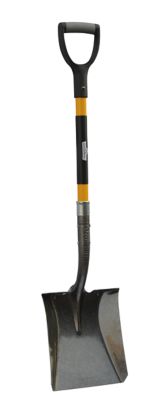
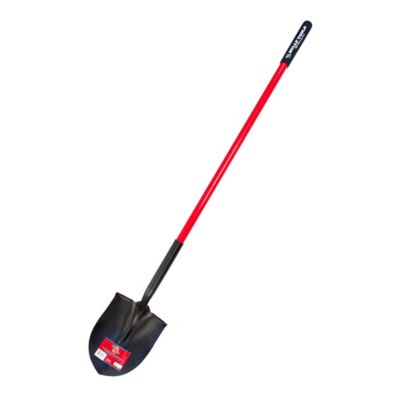
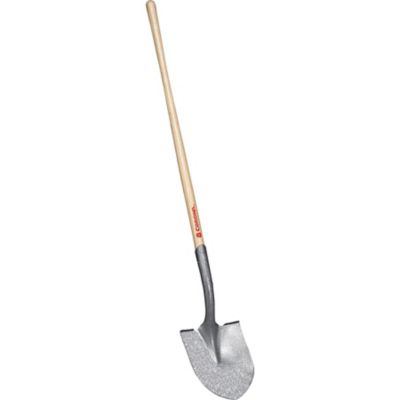
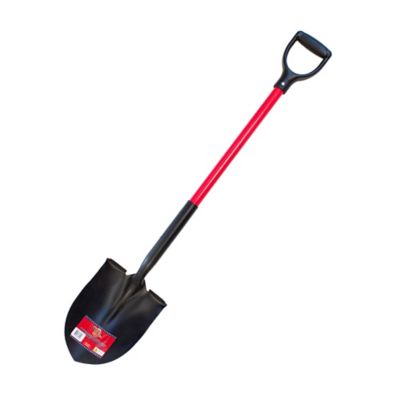
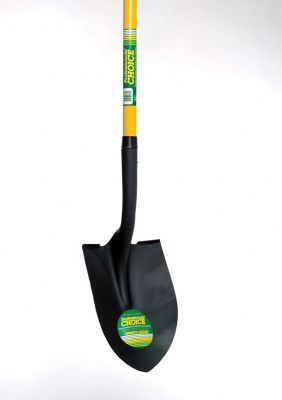
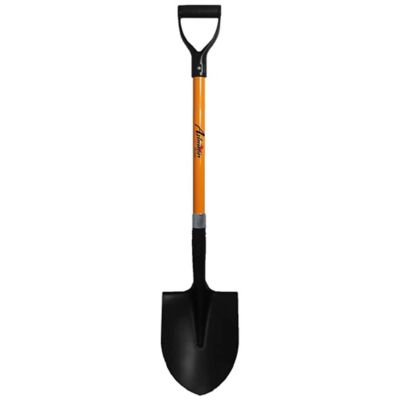
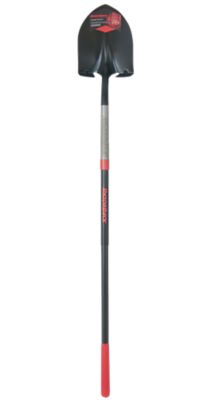
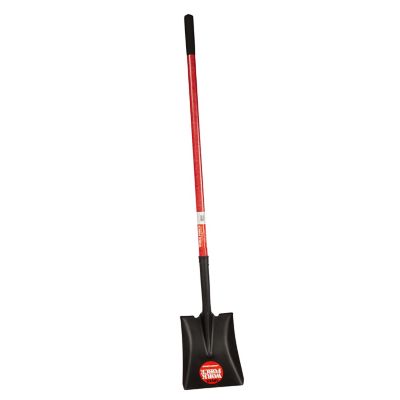
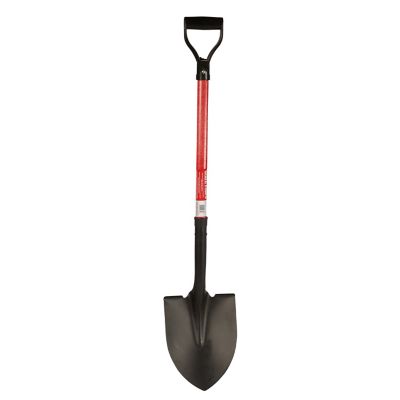
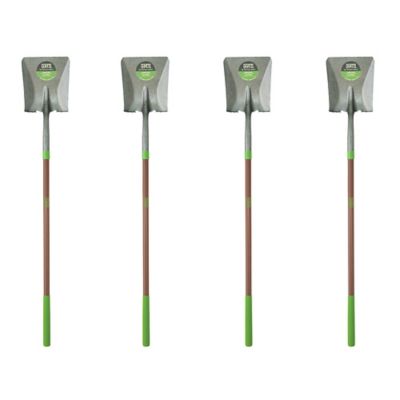
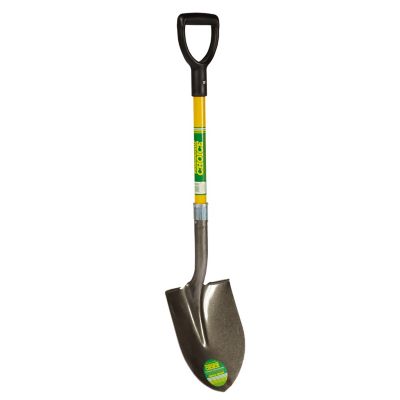
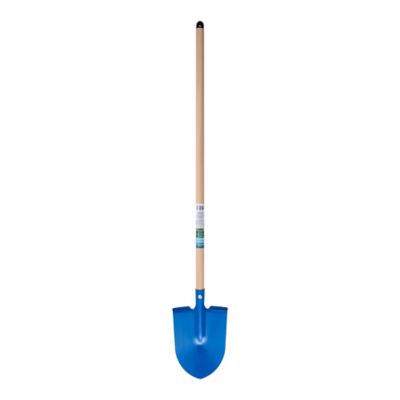
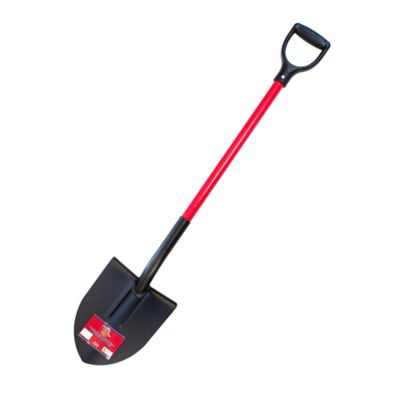
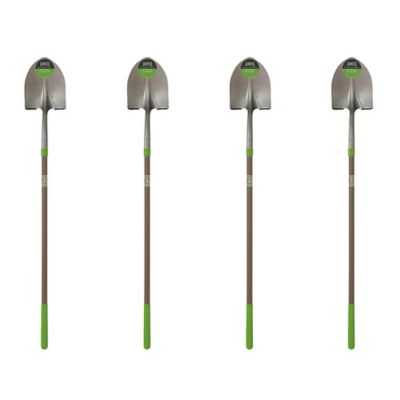
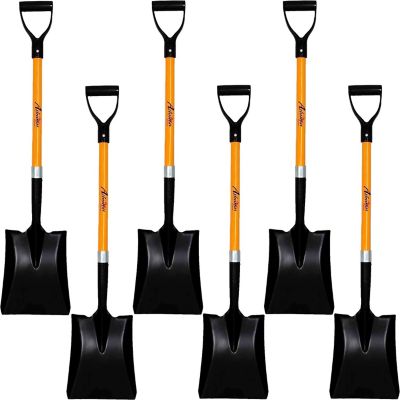
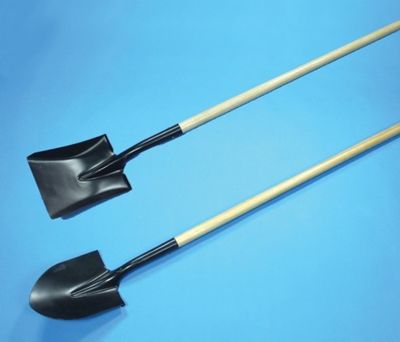
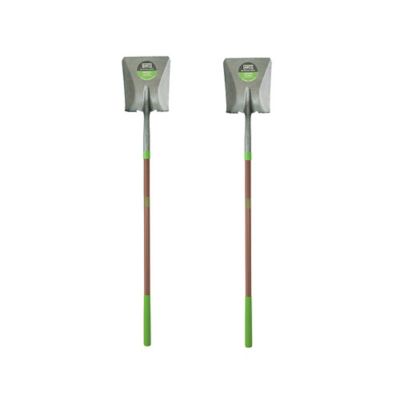
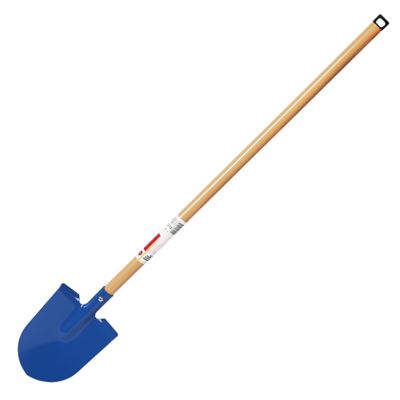
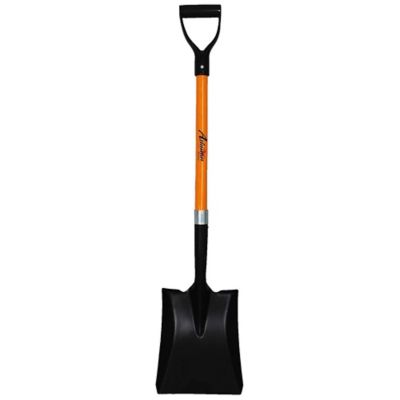
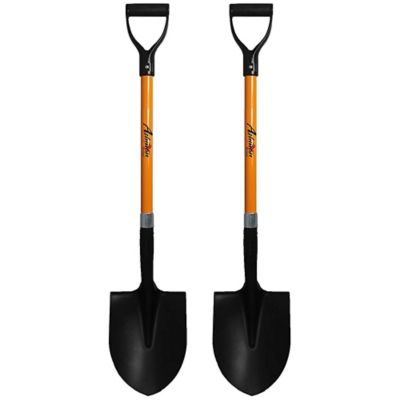
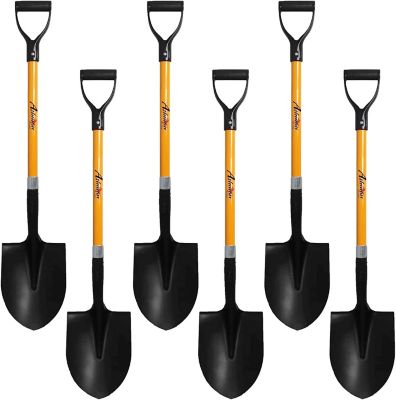
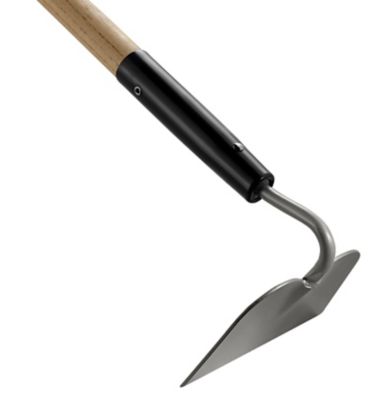
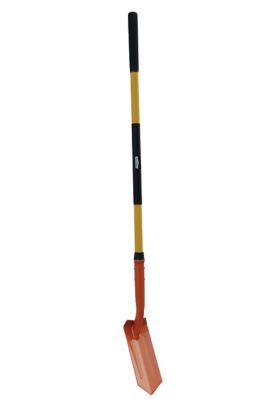
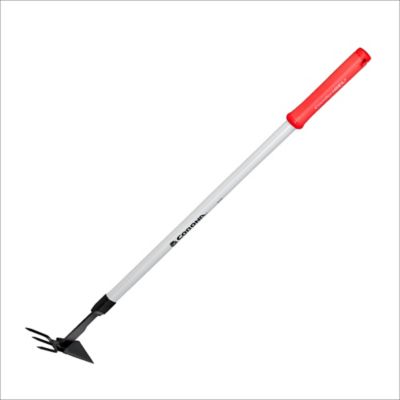
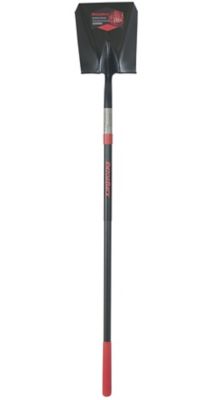
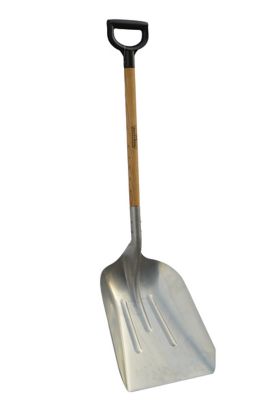
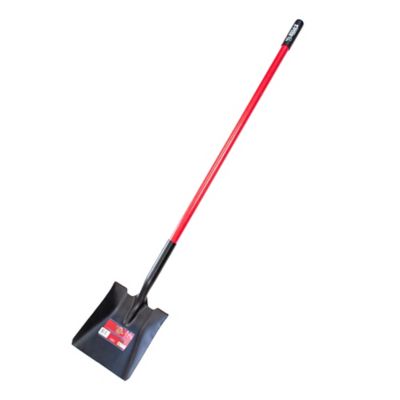
Yard shovels handle the ground work behind a tidy yard, a productive garden, and a well-kept property, from opening planting holes beside the porch to moving compost out by the vegetable patch. The best fit comes down to what the blade needs to do: break into soil, carry loose material, or leave a clean, level surface. A round-point shovel has a tapered tip and a curved blade that concentrate pressure for digging into soil and lifting it out. That shape makes it a practical choice for starting garden beds, planting shrubs, and tackling general digging around the yard. A square-point shovel has a straight cutting edge suited to gathering loose dirt, spreading gravel, and scraping material from firm surfaces. It works well when the job calls for scooping along the bottom of a pile rather than punching into undisturbed ground. Scoop shovels have broader, deeper blades that carry generous loads of lighter material, such as mulch or finished compost. Their size helps with transferring material into a wheelbarrow, though a full scoop of dense soil can be more than a person wants to lift. A drain spade has a long, narrow blade for making slim openings, digging small planting holes, and working where a wider shovel would disturb more ground than necessary. These differences matter on everyday jobs: filling a low spot beside a walkway calls for a different blade than opening a hole for a fence-line shrub. Shovels and spades also overlap in name, so blade shape and intended task tell more than the label alone. For planting beds, path work, and other outdoor projects,
Landscaping Shovels cover closely related digging and material-moving needs. A homeowner tending a small garden may get plenty done with one versatile digging shovel, while someone maintaining acreage often benefits from separate tools for digging, transferring, and narrow work.
Blade construction plays a big part in how a yard shovel feels when it meets packed earth, tangled grass roots, or a load of crushed stone. Steel blades are common on digging shovels because they balance strength, edge retention, and the weight needed to enter soil. Carbon steel can take a working edge but needs attention to keep rust from taking hold. Forged construction can provide strength through the blade and neck, although thickness, shape, and the handle connection also affect how well the whole tool stands up to repeated work. Aluminum blades weigh less and suit moving lighter, loose materials; they generally are not the first choice for breaking compacted ground or levering against rocks. Molded plastic scoops can also serve lighter material-handling jobs, with blade design and the maker’s intended applications setting their limits. A broad blade carries more per trip, but a narrower one may be easier to manage in heavy soil or between established plants. Turned foot steps along the top of a digging blade give a boot a place to press, and wider steps can feel steadier than a thin blade edge. Handle choice deserves just as much attention. Wood offers a familiar feel and some flex, while fiberglass resists moisture absorption and often comes with a textured gripping area. Neither material makes a shovel a pry bar, and stubborn rocks or thick roots call for tools built for those jobs. Long handles provide reach and leverage and can reduce how far a person bends during some digging tasks. Shorter shafts with D-shaped grips offer close control when lifting, turning, or working in a confined bed. Overall length should suit the person holding the tool, not just the size of the property. A balanced shovel that feels manageable through repeated lifts is more useful than an oversized one that becomes tiring halfway through the job. Grip thickness, room for gloves, and a secure blade-to-handle joint all contribute to comfortable handling.
The details that seem small at the shed door often make the biggest difference after a few wheelbarrow loads. A smooth handle without rough spots, a grip that stays firm in the hand, and a blade sized for a manageable load help keep work steady. For someone spreading compost around a kitchen garden, a lighter shovel may make frequent transfers easier. For a property owner digging in compacted soil near an outbuilding, a sturdy steel digging blade and a sound socket connection matter more than scoop capacity. Narrow blades can help limit disturbance around established planting areas, but roots still need care, and a shovel should not be driven blindly beside buried lines. Any digging project that might reach underground utilities calls for contacting 811 before breaking ground. Matching the tool to the task also helps protect it: cutting substantial roots with an appropriate cutting tool and loosening difficult ground with a digging fork or mattock can spare a shovel from sideways strain. Good care starts with keeping soil from building up on the blade and around the socket. After cleaning, drying metal surfaces and applying a light protective oil where recommended can help prevent rust. Wood handles benefit from occasional inspection for splinters and cracks, along with a suitable handle treatment according to the maker’s directions. Fiberglass handles need inspection, too, especially for cracks, exposed fibers, or damage near the head. Loose fasteners, a shifting blade, or a split shaft are reasons to stop and address the problem before another load. Storage off the ground in a sheltered spot keeps the edge out of the way and makes the shovel easier to find when a quick yard chore turns up. A yard shovel can also make a practical gift for a new homeowner, a gardener expanding a planting patch, or someone setting up a tool shed on a small farm. The thoughtful part is choosing a blade, handle length, and working weight that suit the recipient’s space and chores, so the tool earns its place beside the wheelbarrow rather than sitting untouched in a corner.