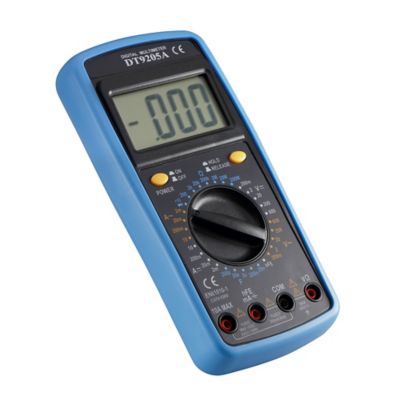
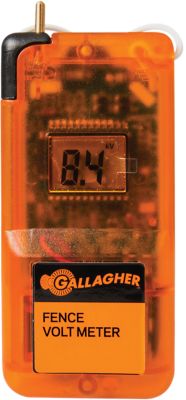
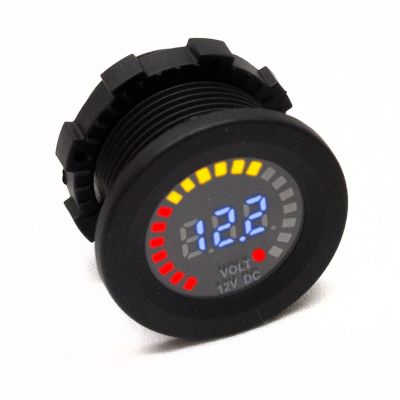
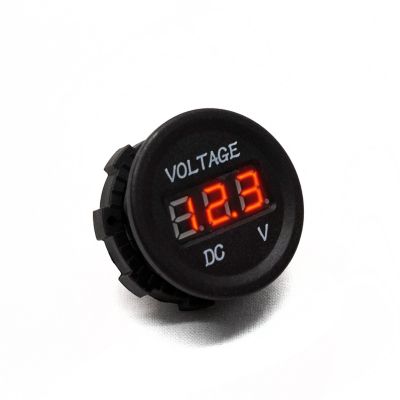
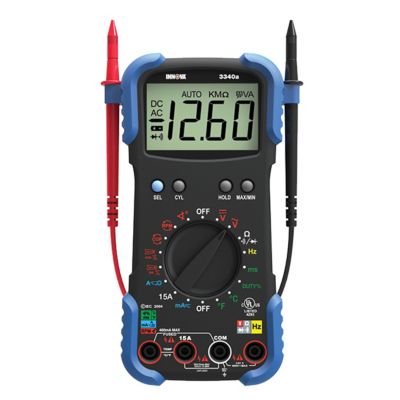
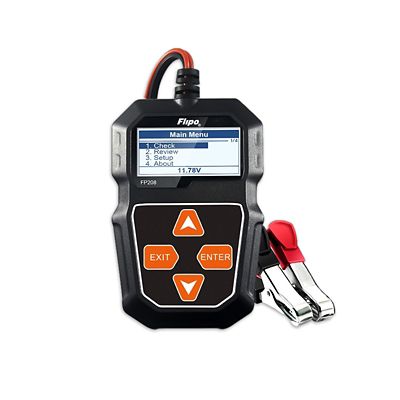
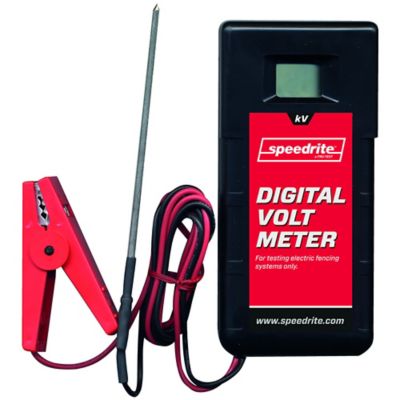
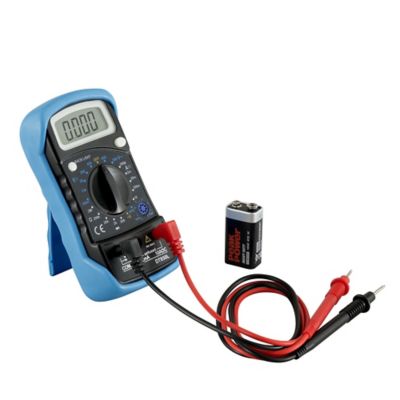
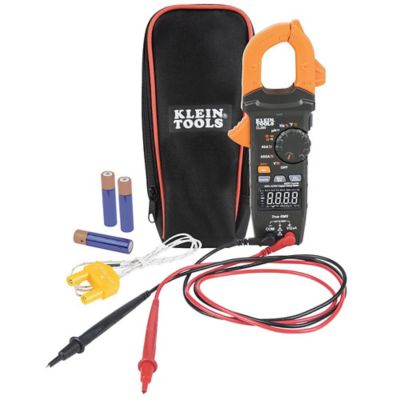
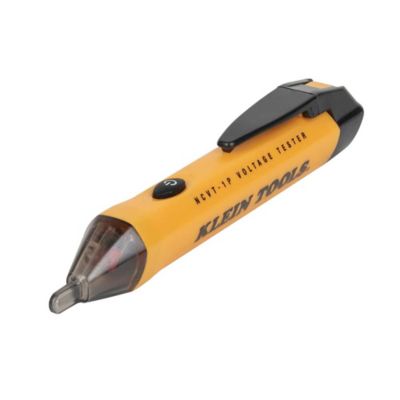
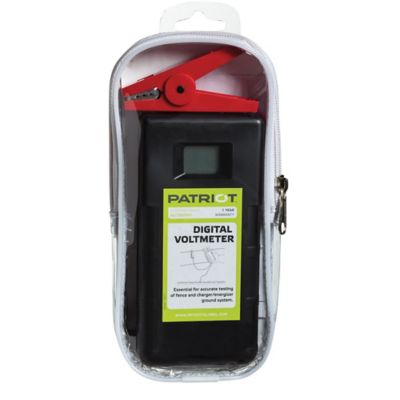
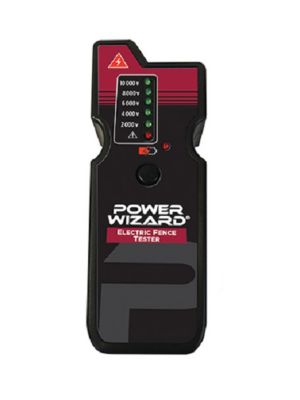
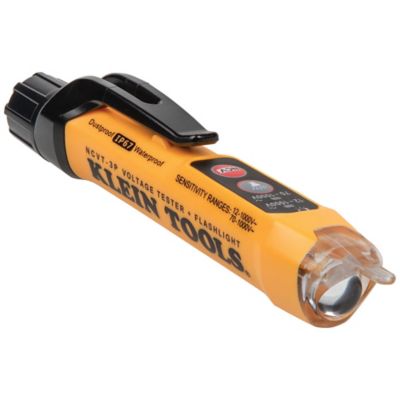
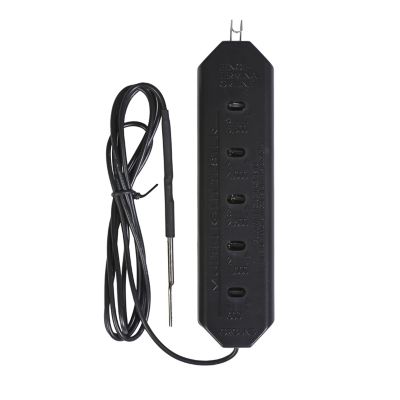
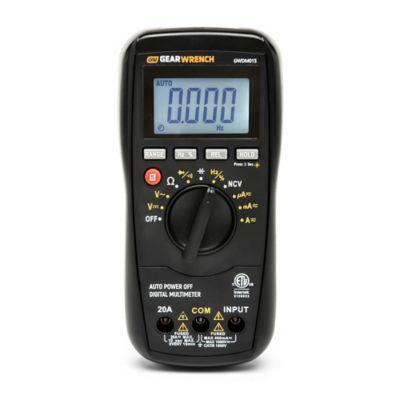
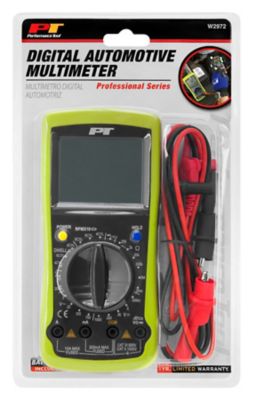
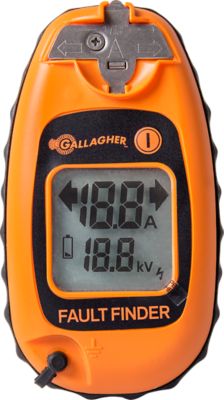
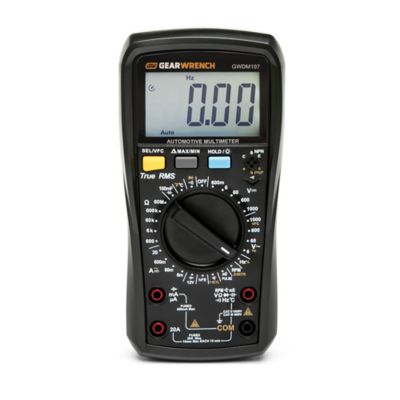
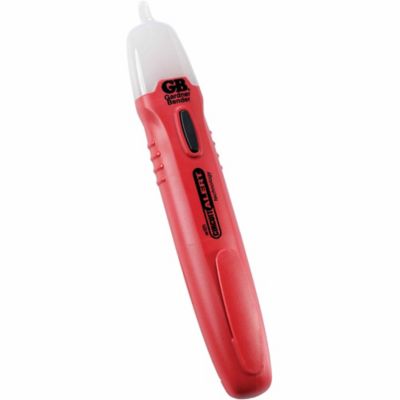
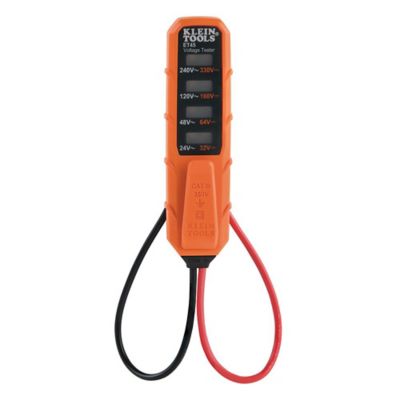
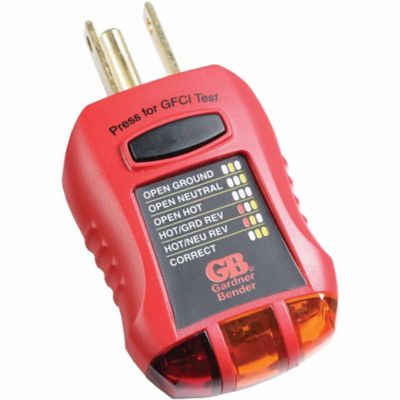
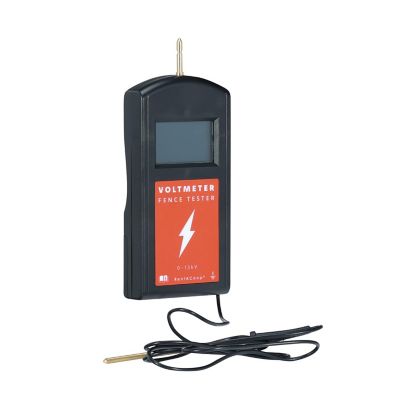
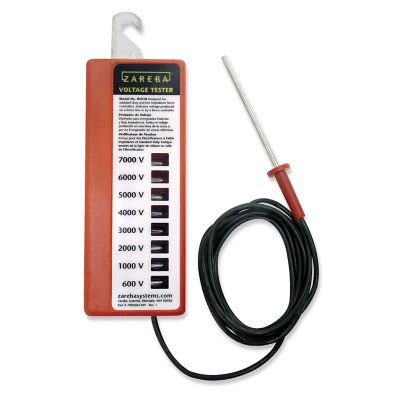
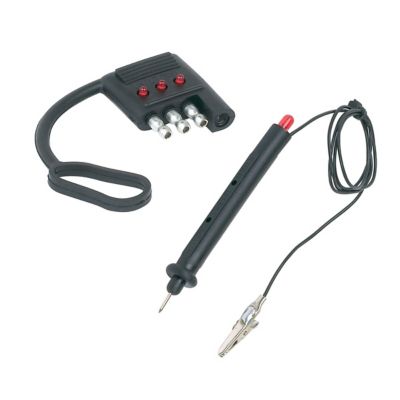
Digital voltage testers are handy tools for checking whether electricity is present and, with the right type of tester, measuring how much voltage is moving through a circuit. A digital voltage tester may be a non-contact test pen that senses an electrical field near an energized wire, or it may be a digital multimeter with probes that touch terminals, conductors, batteries, and other test points. Non-contact voltage testers are useful for a quick check around switches, outlets, light fixtures, extension cords, and wiring because they can often detect AC voltage without touching bare metal. A light, beep, or digital signal lets you know that a live circuit may be nearby, which can be especially helpful when tracing a wire in a dim utility room or checking an outlet before starting a repair. Digital multimeters provide more information by showing a numerical reading on an LCD screen. Depending on the model, they can test AC voltage used in homes and shops, DC voltage from batteries and low-voltage equipment, continuity, resistance, and other electrical values. This makes them useful for checking a car or tractor battery, troubleshooting a trailer connection, testing doorbell wiring, inspecting a fence charger circuit, or finding a loose connection in a small appliance. When choosing a digital voltage tester, start with the work you expect to do. A non-contact model is a convenient choice for quick live-wire checks, while a multimeter is better suited to someone who needs exact readings and broader testing functions. Look for a clear display that is easy to read in a barn, garage, crawl space, or sunny driveway, along with a comfortable grip, sturdy leads, probe covers, and controls that are simple to understand. Auto-ranging models can make routine testing easier by selecting a suitable measurement range, while manual-ranging testers may appeal to experienced users who prefer more control. Also check the tester’s AC and DC voltage ranges, maximum rating, continuity function, included accessories, and storage options. A compact tool that stays in a toolbox or glove compartment is more likely to be there when a battery goes flat or a light stops working.
Digital voltage testers can serve homeowners, farmers, ranchers, maintenance workers, mechanics, DIYers, and anyone who regularly works around electrical equipment. On a small farm, one may help confirm whether a fence line has power, check a battery before bringing equipment out for a long day, or narrow down a problem with lights on a trailer. Around the house, it can help with basic troubleshooting for outlets, switches, ceiling fixtures, thermostats, doorbells, and low-voltage landscape lighting. In a workshop, a multimeter can be useful for checking batteries in cordless tools, testing continuity through a switch, or investigating why a charger, fan, or work light is not operating as expected. During the cooler months, many people spend more time indoors maintaining equipment and tackling projects in the garage, making a reliable tester a practical addition to a toolbox. It can also be a thoughtful gift for a new homeowner, apprentice, college student in a hands-on program, weekend mechanic, or family member who enjoys restoring old equipment. A digital voltage tester takes up little room but can help replace guesswork with a clear reading when a machine will not start or a circuit behaves unexpectedly. For someone building a basic home maintenance kit, pairing a tester with quality hand tools can cover many everyday jobs.
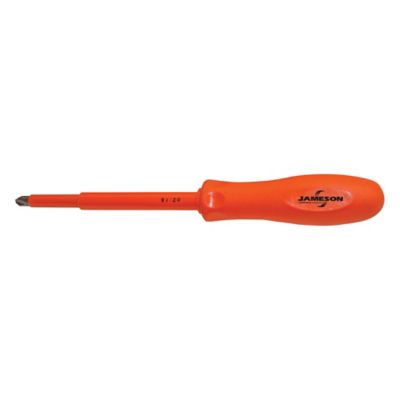
Insulated Screwdrivers can complement electrical hand-tool storage, though insulated tools and voltage testers serve different purposes and should be used according to their markings and instructions. Before purchasing, consider whether the tool will be used mostly indoors, outdoors, around vehicles, or in agricultural settings. A bright display, audible alert, backlight, rugged case, and lead storage can make a real difference when your hands are cold, the work area is dusty, or you are standing beside a piece of equipment at the edge of a field. Battery type and replacement availability are worth checking as well, since a tester with a dead battery is no help when the weather turns rough and a repair cannot wait.
Safety remains the most important part of using any digital voltage tester. Read the instructions from the manufacturer and make sure the tester is rated for the voltage and category of the circuit being checked. Inspect the housing, test leads, probe tips, and insulation before each use, and do not use a tool with cracked casing, damaged leads, loose parts, or signs of moisture inside the display. A non-contact tester should be checked on a known live source before and after testing when the manufacturer recommends that practice; a signal by itself should not be treated as proof that a circuit is safe to touch. For contact testing, select the correct function and range, connect the leads as directed, and keep fingers behind the probe guards. Never assume a circuit is de-energized based on a single test, especially when working with household wiring, service panels, generators, electric fences, or equipment with stored energy. Turn off power at the proper disconnect, follow local electrical requirements, and use a qualified electrician for work beyond your training or comfort level. Keep testers dry, store them away from heat and chemicals, and remove batteries for long-term storage when appropriate. The right digital voltage tester can be a dependable helper for routine checks, but it is not a substitute for safe work practices, proper protective equipment, or professional electrical service. With the right features and a little care, it can bring useful information to everyday jobs, from a weak battery in the driveway to an uncooperative outlet in the kitchen or a fence line that needs attention before livestock are turned out.