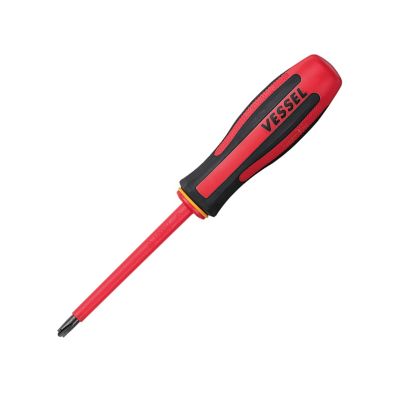
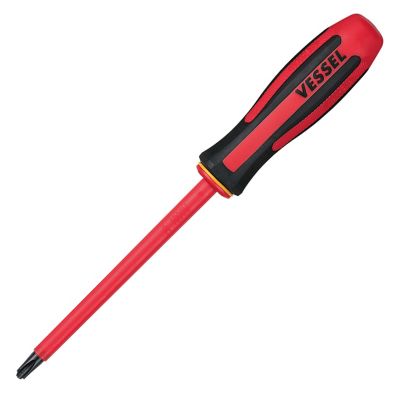
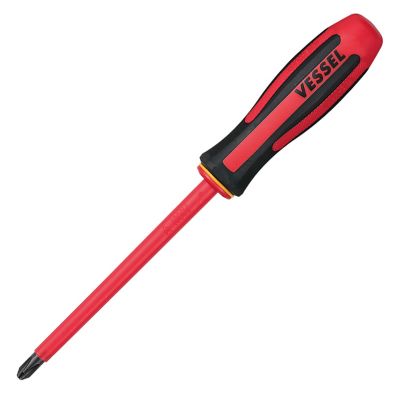
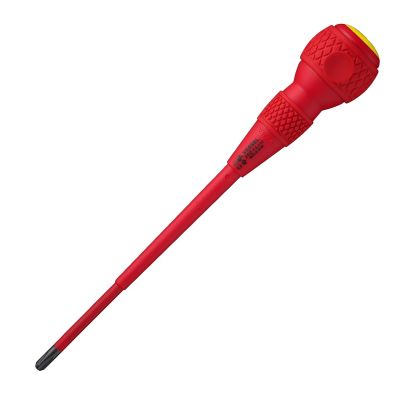
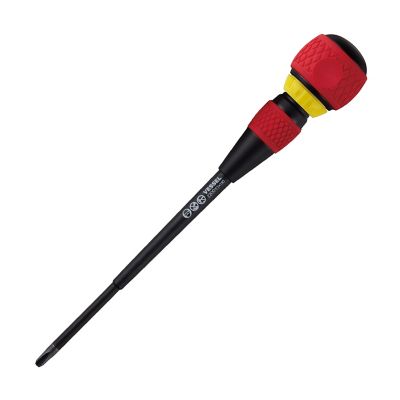
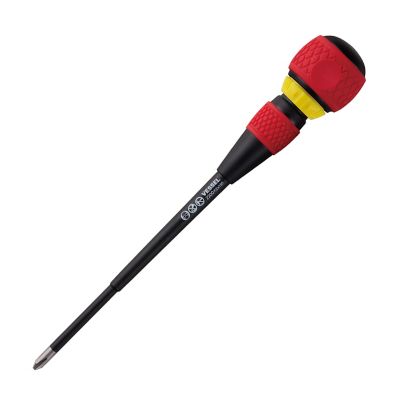
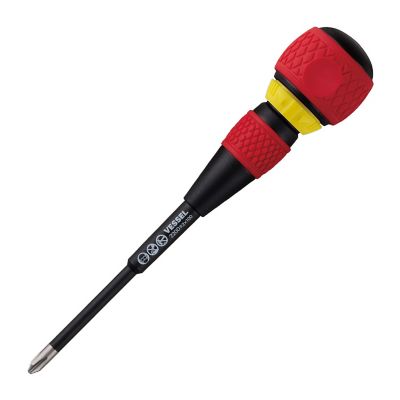
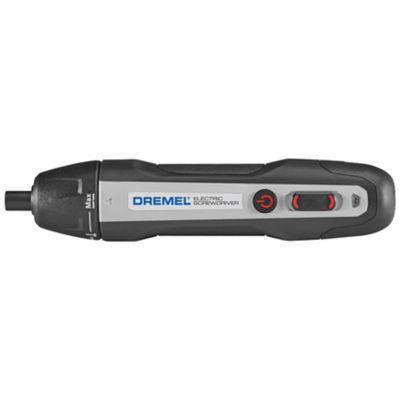
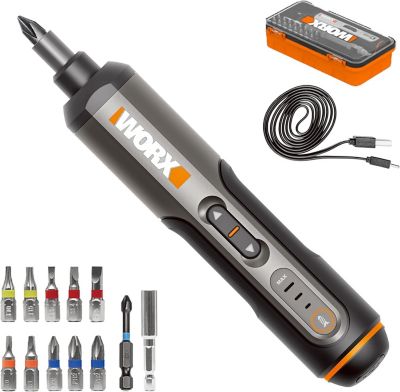
Electrical screwdrivers are handy powered tools for driving and removing screws without the wrist strain that can come with turning a manual screwdriver all afternoon. They are especially useful for furniture assembly, hanging hardware, replacing cabinet pulls, tightening loose fixtures, installing outlet covers, and handling the steady stream of small repairs that comes with a home, workshop, barn office, or rental property. A compact electric screwdriver is lighter and easier to control than many full-size drills, making it a good fit for jobs where you need a gentle touch instead of maximum power. It can help with putting together shelves in a mudroom, fastening brackets in a tack room, or assembling a workbench when the weather keeps you indoors during the cooler months. Many models run on rechargeable lithium-ion batteries, with charging handled through a USB cable, a charging dock, or a removable battery system. A rechargeable tool saves the trouble of keeping disposable batteries on hand and can be topped off between projects. Before choosing one, consider how often you expect to use it, how far the work area is from an outlet, and whether you prefer a built-in battery for a simple grab-and-go setup or a removable battery for longer jobs. Battery life matters most when you are working through a large assembly project or moving from room to room, while a compact size may matter more for quick repairs and tight spaces. Electrical screwdrivers also make thoughtful gifts for new homeowners, college students setting up a first apartment, do-it-yourselfers, and anyone who enjoys keeping a place in good working order. They are approachable enough for beginners but useful enough to earn a regular spot in an experienced handy person’s tool bag.
Power and control are two of the biggest differences between electrical screwdrivers. A tool with adjustable speed settings lets you start slowly, line up the bit, and increase speed once the screw is tracking straight. Adjustable torque, sometimes called a clutch setting, helps keep the tool from driving a screw too deep, stripping the head, or damaging softer materials such as pine, drywall, plastic, or particleboard. Lower settings are helpful for delicate hardware and small fasteners, while higher settings can handle longer screws and tougher materials when the tool is designed for that work. An electric screwdriver is generally intended for screws rather than drilling large holes, so check the tool’s capabilities before treating it like a heavy-duty drill. The bit holder should accept common hex-shank bits, and a useful selection may include Phillips, slotted, square, star, and hex styles for the fasteners found around the house, shop, and farm. Keeping the correct bit on hand prevents a rounded screw head and saves a trip back to the hardware aisle. A built-in LED work light can make a real difference beneath a sink, behind a cabinet, inside a utility closet, or in the shadowed corner of a shed. An angled or multi-position handle may improve access around hinges and brackets, while a slim body can fit between shelves or along the edge of a cabinet. Look for a comfortable grip, an easy-to-reach forward and reverse switch, and a trigger or button that does not require a hard squeeze. Weight balance matters, too; a tool that feels steady in your hand is easier to guide accurately when you are fastening a row of hinges or working overhead.
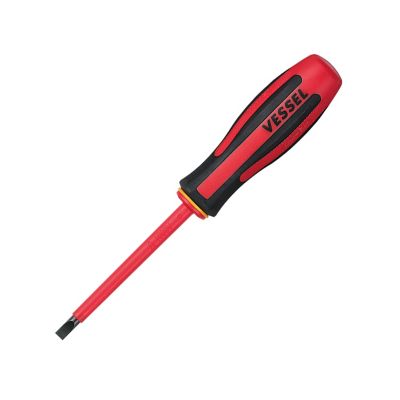
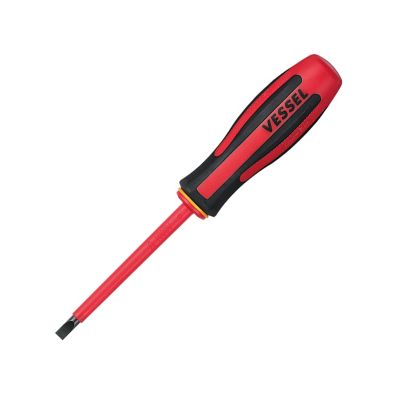
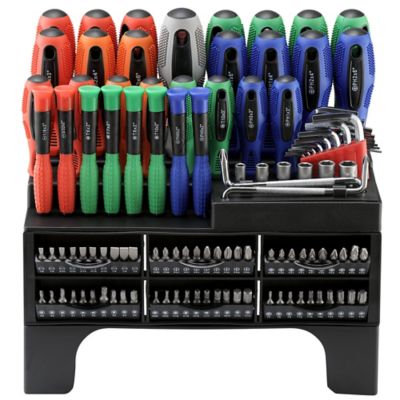
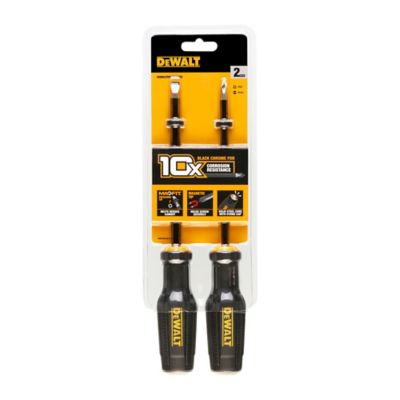
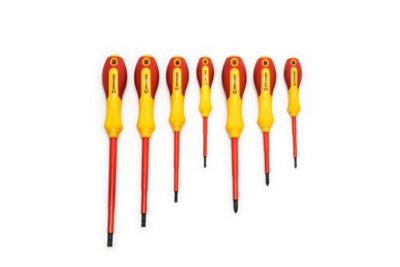
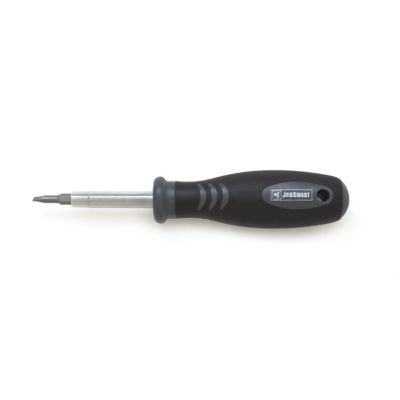
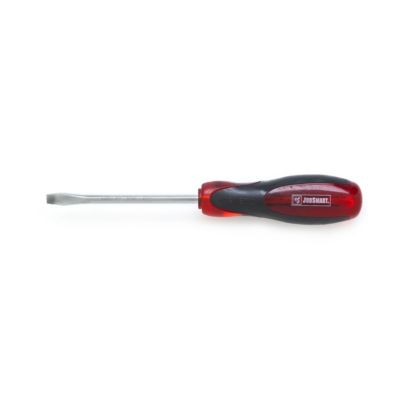
Use an electrical screwdriver with the right bit seated firmly in the screw head, and keep the tool aligned with the fastener as you work. Pressing too hard or holding the tool at an angle can cause slipping, stripped heads, or scratches around the work surface. For delicate repairs, begin at a low speed and light torque, then make small adjustments instead of jumping straight to the highest setting. Pre-drilling may be helpful in hardwood or near the edge of a board, but follow the tool’s intended use and select a drill when the project calls for substantial hole-making or heavier fastening. Small screws and close quarters may call for a compact hand tool, and a set of
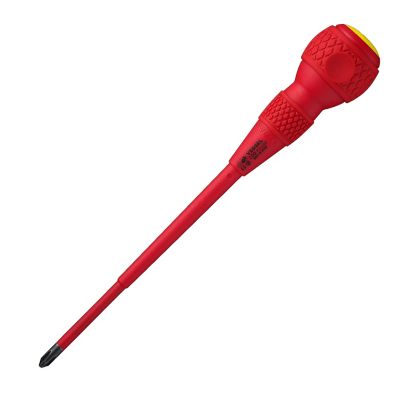
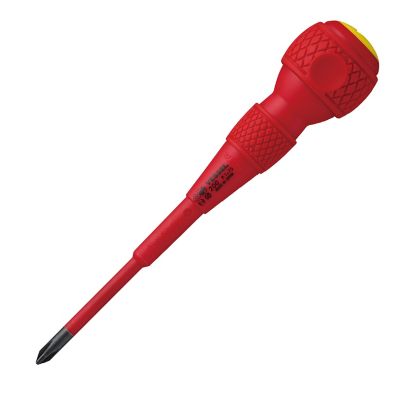
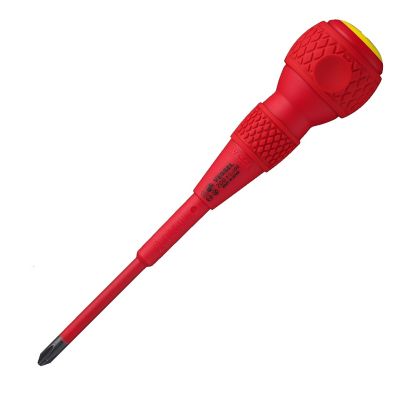
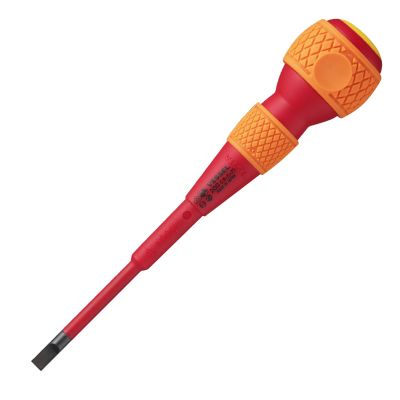
Small Screwdrivers can complement an electric model for electronics, battery compartments, precision hardware, and final hand-tightening. Keep bits clean and replace worn or damaged ones, since a sharp, well-fitting bit gives better control than one with rounded edges. Let the motor do the work rather than forcing it, and pause if the tool becomes hot or the fastener stops moving. Store the screwdriver, bits, charger, and spare battery together so they are easy to find when a gate latch loosens, a drawer pull needs tightening, or a new piece of furniture arrives. During the warmer seasons, a powered screwdriver can speed up outdoor upkeep and small building projects; as temperatures drop, it is just as useful for indoor repairs, craft-room projects, and getting the house ready for more time spent inside. With the right combination of battery life, torque control, bits, lighting, and comfortable handling, an electrical screwdriver is a practical addition to everyday tools and a dependable helper for jobs both big and small.