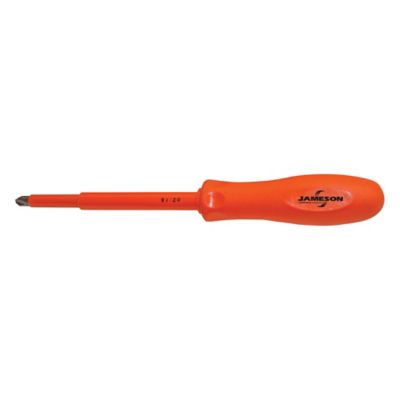
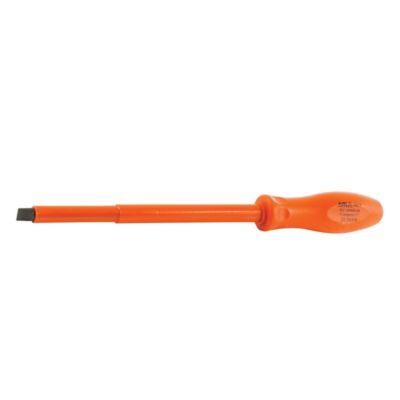
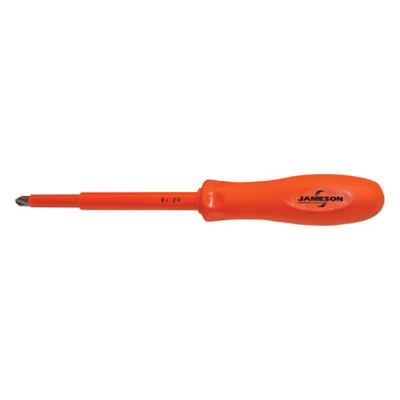
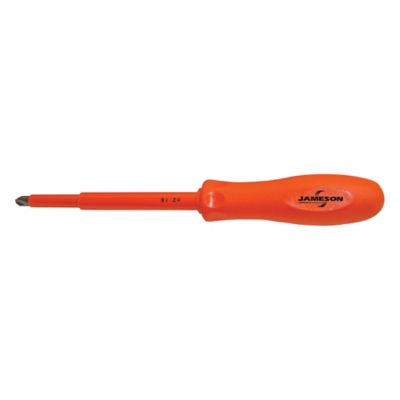
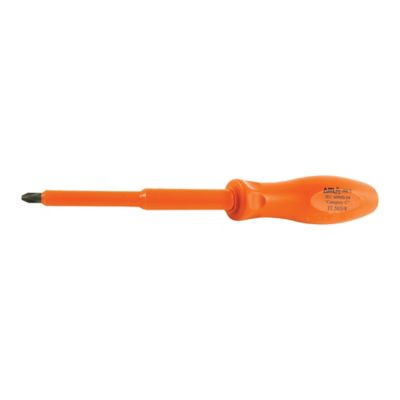
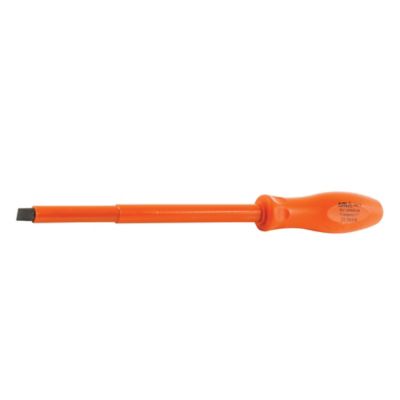
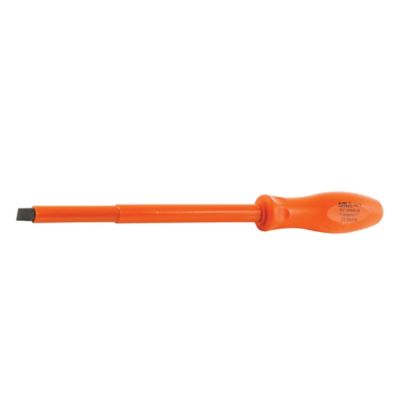
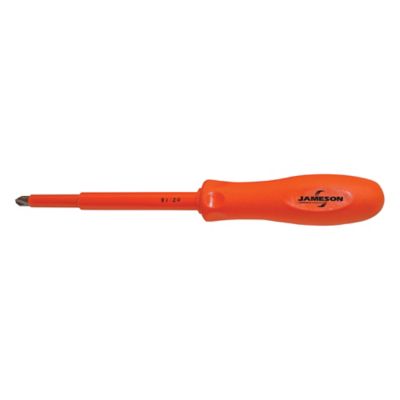
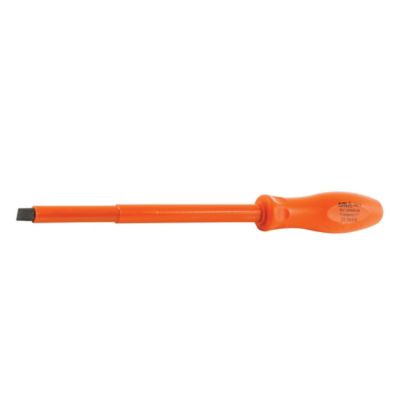
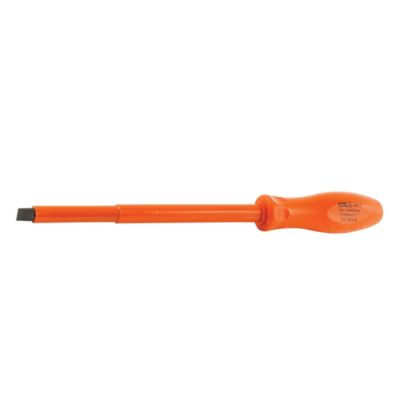
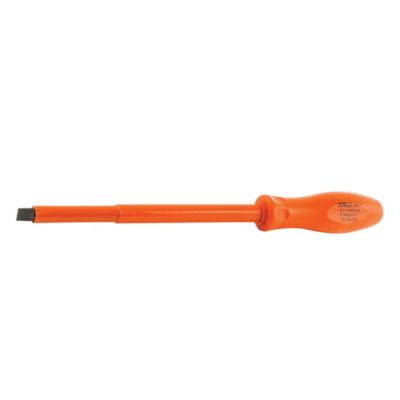
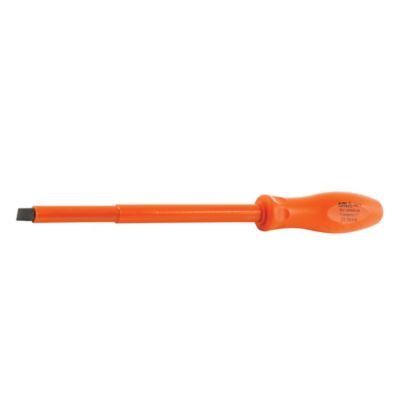
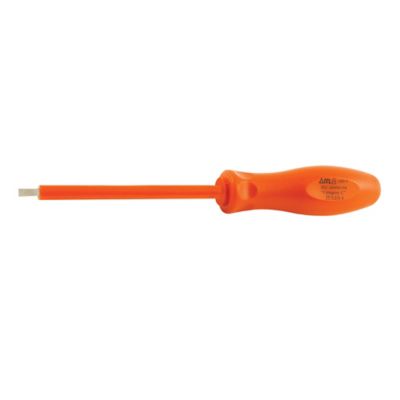
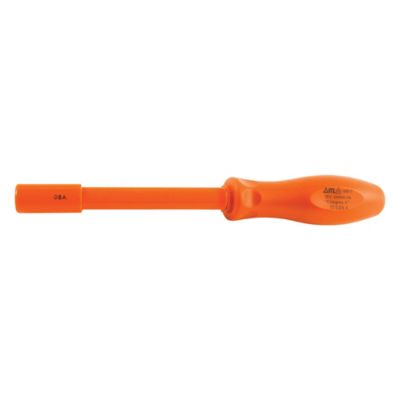
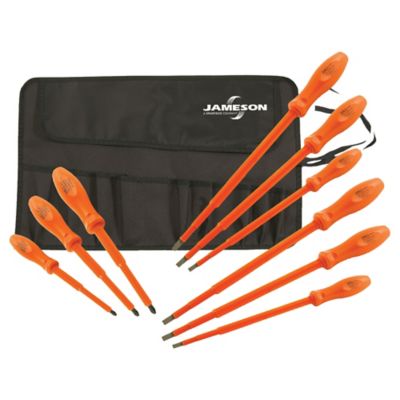
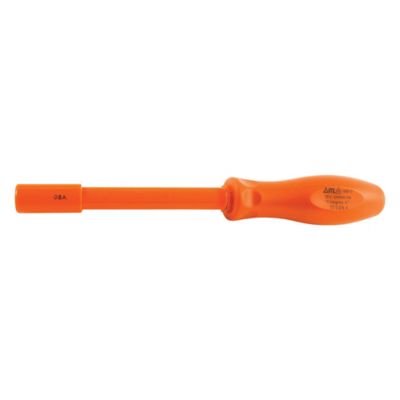
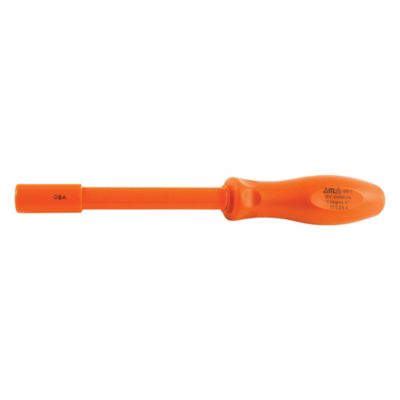
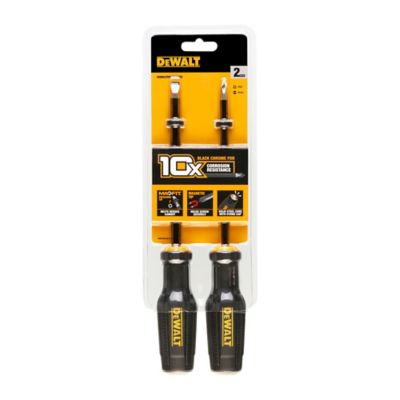
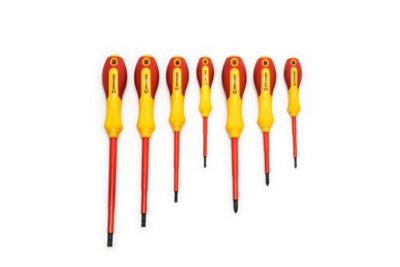
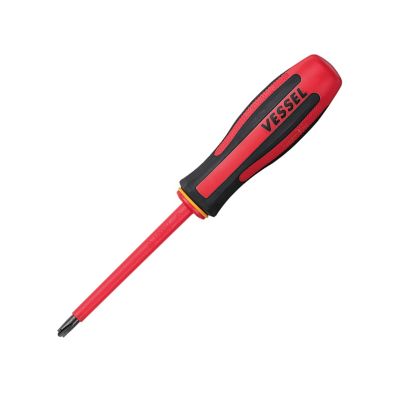
Insulated screwdrivers bring an added layer of electrical protection to a familiar hand tool, with purpose-built insulation around the handle and shaft and an exposed working tip that engages the fastener. They belong in the tool selection of electricians, qualified maintenance crews, and other trained workers handling electrical service tasks around homes, shops, barns, and farm buildings. Unlike an ordinary screwdriver with a plastic or rubber grip, an insulated screwdriver carries a stated electrical rating and insulation intended for that work. Many professional models carry ratings of up to 1,000 volts AC and 1,500 volts DC, though the markings and documentation for the particular tool determine its limits. That rating is a protection limit, not permission to work on energized equipment. Electrical circuits should be disconnected, secured against unexpected reenergizing, and verified deenergized with suitable test equipment before work begins; insulated hand tools do not replace those precautions, appropriate protective equipment, or training. When comparing screwdrivers, look for documented compliance with applicable standards such as IEC 60900 or ASTM F1505. A VDE certification mark, when present, indicates testing and certification through that organization; it is not something to assume from a bright handle or a product photo. Some designs feature two bonded insulation layers in contrasting colors, making certain cuts or worn spots easier to notice. Other construction details, including flame resistance and impact resistance, depend on the tool’s specifications. Those distinctions matter when your work takes you from a well-lit shop bench to a cramped service area where visibility and elbow room are limited. For shoppers comparing a broader electrical hand-tool selection,
Insulated Tools offers a place to explore related options. The main buying consideration stays straightforward: choose a tool with the right tip, a clearly stated rating, and documented construction suited to the work, rather than judging electrical protection by grip material, color, or appearance alone. A familiar-looking handle can feel right in your palm without offering the electrical protection you need.
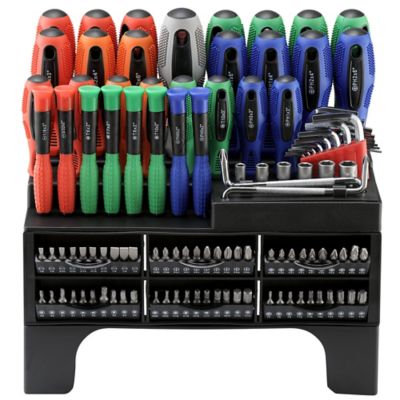
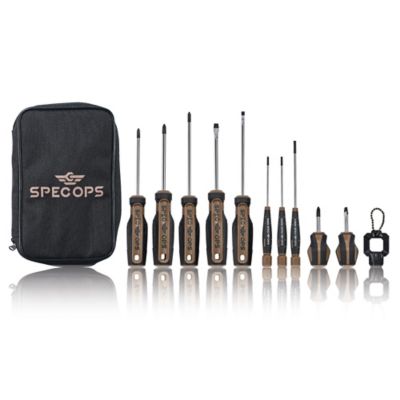
The best-fitting insulated screwdriver starts with the screw itself. Phillips, slotted, square, and other tip styles serve different fastener patterns, and having the correct style and size helps the tip seat fully instead of slipping or chewing up the screw head. That matters with small terminal screws as much as it does with larger mounting hardware. A slotted blade that is too narrow concentrates force on a small portion of the slot, while an oversized blade may not enter the recess properly. Shaft length and insulation thickness deserve just as much attention. A longer shaft can reach a recessed fastener, but extra length may feel awkward inside a shallow enclosure. A shorter tool can offer better clearance in tight quarters, while a purpose-designed slim insulated shaft may reach terminals that a thicker insulated shaft cannot. Never trim or peel back insulation to make a screwdriver fit; select a design with the clearance the job calls for. Handle shape also changes how a tool feels over a full workday. A broad, rounded grip can make turning larger fasteners more comfortable, while a narrower profile may suit smaller hardware and close work. Textured surfaces, defined finger positions, and a shape that resists rolling across the bench are worth comparing, especially when tools share space with loose hardware and a pair of work gloves. For electrical terminals with a specified tightening torque, an ordinary insulated screwdriver is not a substitute for an appropriately rated torque tool. Follow the equipment manufacturer’s torque requirements rather than tightening by feel. Individual screwdrivers make sense when you are filling a missing size or replacing a worn tool. Sets can cover several common fastener patterns and help keep matching tools together. Interchangeable-bit designs can save space, but their electrical rating depends on the approved handle-and-bit combination and proper assembly. Standard bits should not be assumed to preserve that protection. Clear size markings and organized storage can also save time when several screwdrivers look nearly alike in the bottom of a tool bag.
Around a working property, insulated screwdrivers may be part of a trained professional’s kit for servicing deenergized lighting circuits, switches, receptacles, control cabinets, and other electrical equipment. The setting might be a livestock building with a stubborn light fixture, a workshop where machinery controls need attention, or an outbuilding getting electrical repairs before the colder weather settles in. Each setting brings its own demands, and the screwdriver is only one part of the job. Dust, dampness, temperature extremes, and exposure to oils or chemicals can affect tool condition, so storage and inspection belong in the purchase decision alongside tip selection. During the cooler months, a tool bag may travel between a cold truck and a heated shop; manufacturer guidance on operating temperatures, moisture, and storage helps determine what conditions the tool can handle. Before each use, inspect the insulation for cuts, cracks, burn marks, separation, or other damage, and check the working tip for wear. A contrasting inner layer showing through the outer coating is a warning, but the absence of visible color change does not prove the insulation is sound. Remove damaged tools from electrical service rather than covering the problem with tape. Keep screwdrivers clean and dry according to their care instructions, and give insulated shafts a protected place away from loose blades and other sharp tools. A fitted case or separate storage slots can make that easier while keeping sizes within reach. These tools can also make a practical gift for an electrician, an electrical apprentice, or a qualified farm maintenance worker, particularly when you know which tip sizes and handle styles they prefer. A gift does not replace the training needed for electrical work, and property owners without that background should leave electrical repairs to a qualified professional. Whether you are rounding out a service bag or replacing a frequently reached-for screwdriver, focus on documented protection, comfortable handling, proper fastener fit, and storage that protects the insulation between jobs. Those details matter long after the packaging is gone and the tool has a regular spot on the shop shelf.