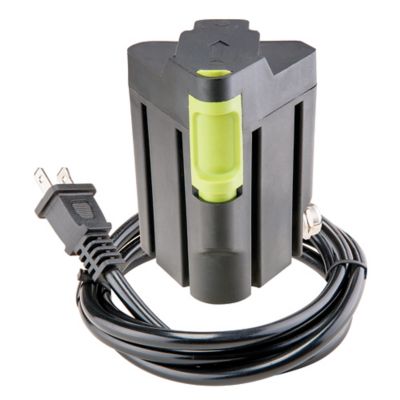
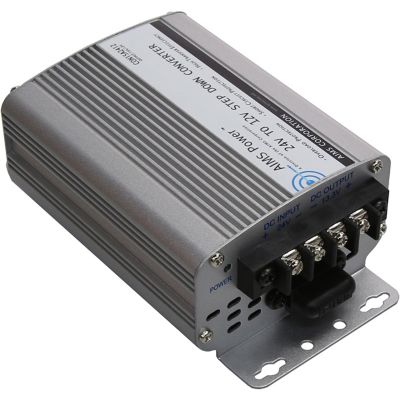
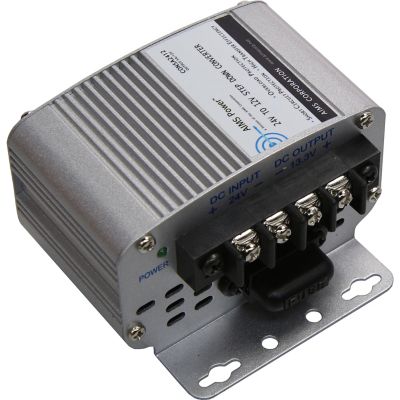
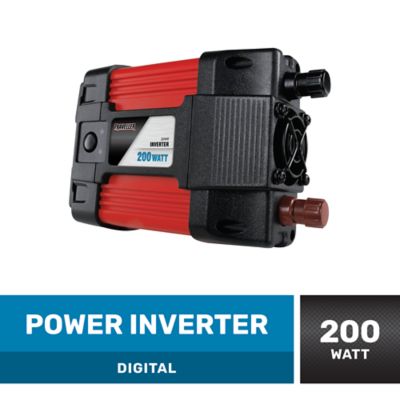
Voltage converters change electrical voltage from one level to another so compatible equipment can run on a power source with a different voltage. A step-down voltage converter lowers the incoming voltage, such as converting a suitable 220–240-volt supply to the 110–120-volt range. A step-up voltage converter raises it, such as converting a suitable 110–120-volt supply to the 220–240-volt range. That distinction matters when an imported appliance comes home to the kitchen, a piece of overseas equipment lands on a workshop bench, or a single-voltage device travels abroad. Most standard household outlets in the United States supply nominal 120-volt AC power, while certain dedicated circuits supply 240 volts. Matching the source, converter and connected equipment takes more than finding a socket that accepts the plug. A plug adapter changes the physical connection; it does not change voltage. A voltage converter changes voltage, but it does not necessarily provide the plug configuration, grounding arrangement or electrical frequency an appliance requires. Equipment labeled for an input range of 100–240 volts often needs only a suitable plug adapter when traveling, provided the listed frequency and other requirements also match. Some dual-voltage appliances have a manual selector rather than automatic switching, so the nameplate and manufacturer’s directions settle the question. For homeowners, travelers and folks keeping a farm office or workshop running, these details help separate a straightforward connection issue from a true voltage mismatch. Voltage converters belong in setups where the appliance manufacturer permits their operation and the electrical ratings line up. They are not a cure for damaged wiring, an undersized circuit or equipment with incompatible power requirements. Whether the job involves a small electronic device or a larger appliance, the right match starts with the input rating printed on the equipment, not its country of origin or the shape of its cord.
Capacity and load compatibility make a big difference in how a voltage converter fits the job. The connected appliance’s running wattage is only part of the picture: motors, compressors and some electronic power supplies can draw substantially more power at startup. A converter needs a rating that covers the intended load, including any starting surge, according to both manufacturers’ specifications. There is no single extra-capacity percentage that works for every appliance. Ratings expressed in volt-amperes, or VA, also are not always interchangeable with watts, particularly for motor-driven equipment and other loads with a power factor below one. A compact travel converter intended for brief operation with a heating appliance may be unsuitable for electronics, motor loads or all-day operation. Transformer-based voltage converters can serve different applications, but their load limits, operating time and grounding provisions still matter. Where several devices share a converter, their combined demand counts toward its capacity, and startup demand may add another constraint. Stepping voltage up does not create extra power; higher-output loads still place demand on the incoming circuit, with additional power going toward conversion losses. Frequency deserves equal attention. A conventional voltage transformer changes voltage but generally leaves frequency unchanged, so a 50-hertz appliance does not automatically become compatible with a 60-hertz supply. Motor speed, timers and other functions may depend on that distinction. Equipment on a workbench can look ready to plug in while still having an electrical mismatch that a transformer cannot solve. AC and DC ratings also describe different kinds of power. An AC step-up or step-down transformer is not interchangeable with a DC-to-DC converter, an AC-to-DC power supply or an inverter that changes DC power to AC. Clear input and output markings help identify the intended function. For hardwired machinery, high-demand appliances or any uncertain circuit arrangement, an electrician can evaluate the complete setup before power is connected. That is especially important around a shop, where equipment may require a particular phase configuration as well as a particular voltage.
Construction, placement and connection details round out the fit of a voltage converter for everyday work or travel. Transformer-based designs commonly contain metal windings and a magnetic core, which can add considerable weight compared with compact electronic designs. An enclosure may be metal or an insulating material, but the housing alone does not establish electrical safety or suitability for a damp, dusty or outdoor location. The manufacturer’s location rating and a recognized safety certification relevant to the application carry more weight than a rugged-looking case. On a crowded bench, footprint, cord reach and access to switches all affect convenience. Ventilation openings need the clearance specified by the manufacturer, and the unit belongs on a stable surface where tools, shop rags and loose packaging will not cover it. Carrying handles can help with heavier units, while readable voltage markings and a clearly labeled selector make setup less confusing. Any input-voltage selector must be set as directed before connection to power. Grounded appliances need a compatible grounding path throughout the connection; a different plug shape is no reason to remove a grounding pin. Matching
Power Connectors are another part of a sound electrical setup, with voltage, current, grounding and application ratings that must suit the equipment. Protective features such as overload protection, thermal shutdown or replaceable fuses may help address certain faults, but they do not make an incorrectly matched load acceptable. Care is generally straightforward: disconnect power before inspection or cleaning, follow the manufacturer’s directions and keep the housing and ventilation openings free of buildup. Frayed insulation, loose sockets, scorching or an unusual smell call for taking the unit out of service rather than trying another outlet. For travel, manageable weight and compatibility with the destination’s electrical supply may take priority. For a stationary workspace, continuous-operation ratings, secure placement and convenient connections may matter more. A well-matched voltage converter fills a specific role: bringing the supply voltage into the range approved for the connected equipment while respecting the limits of the entire electrical setup.