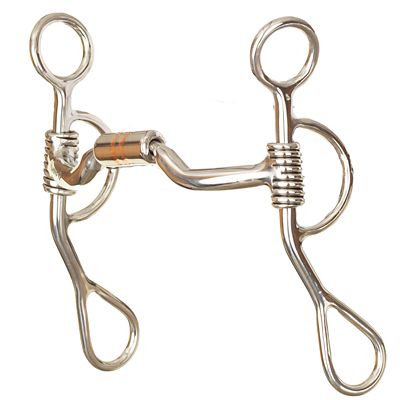
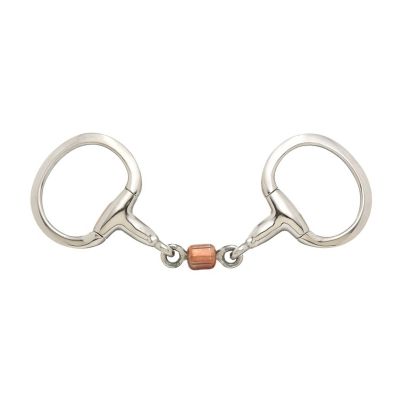
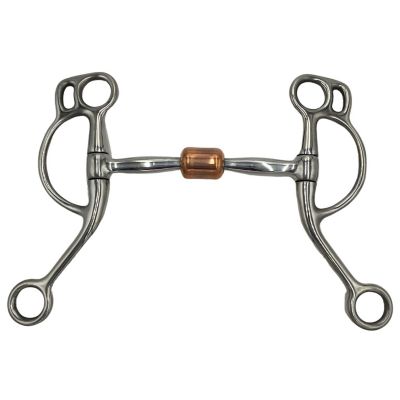
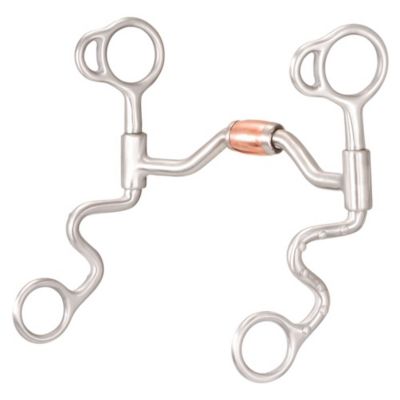
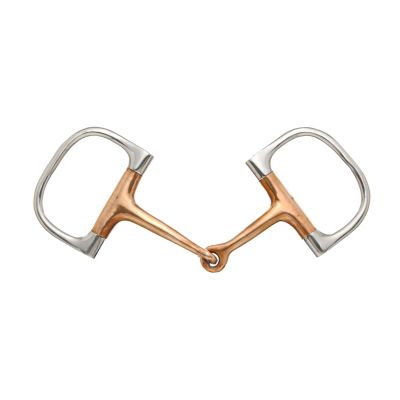
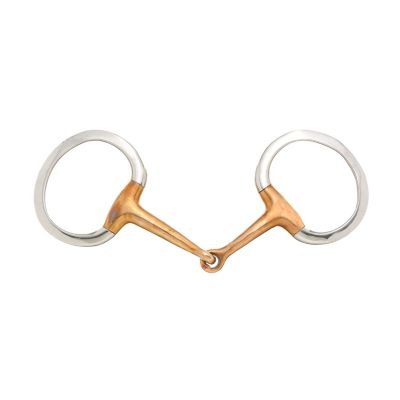
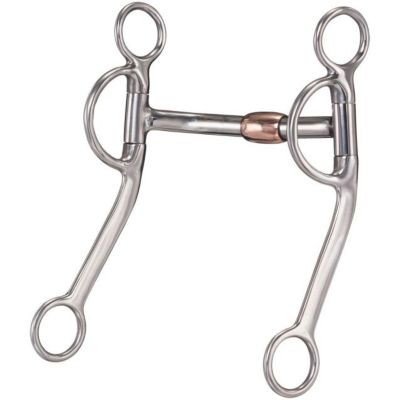
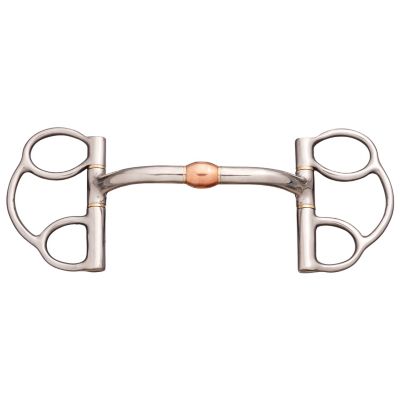
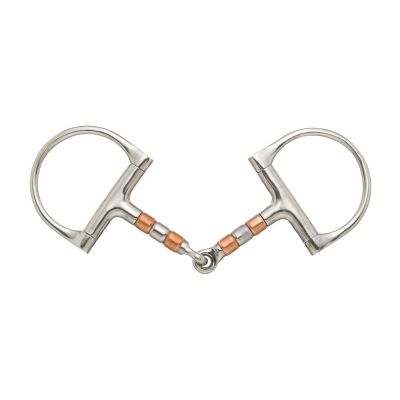
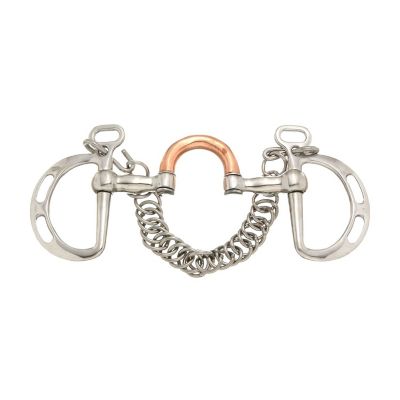
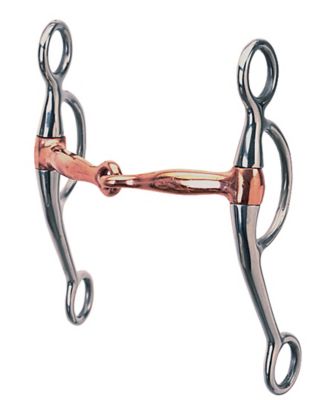
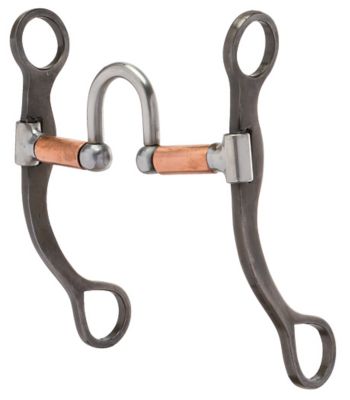
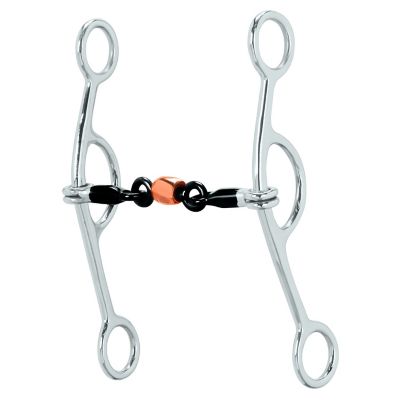
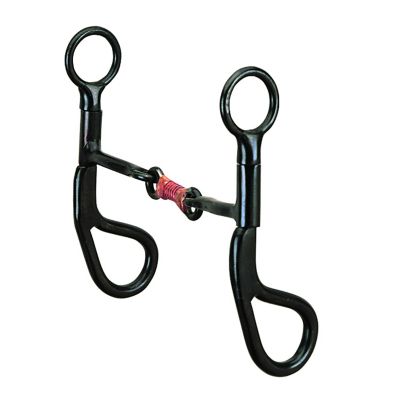
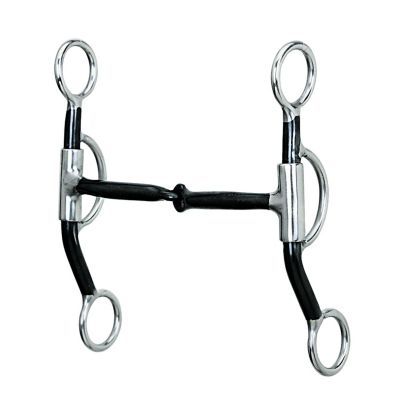
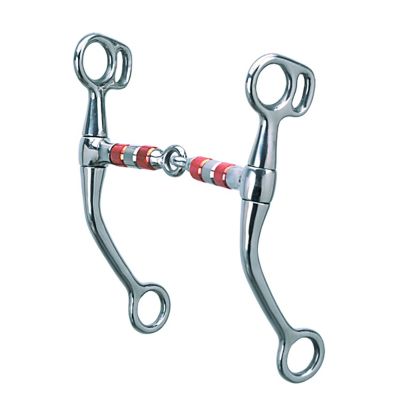
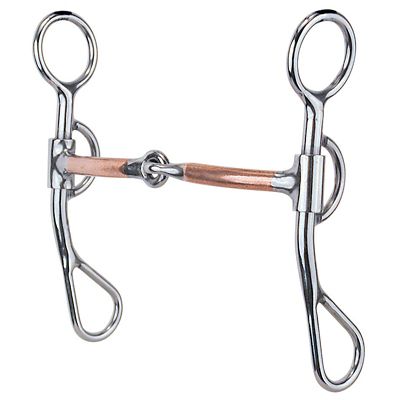
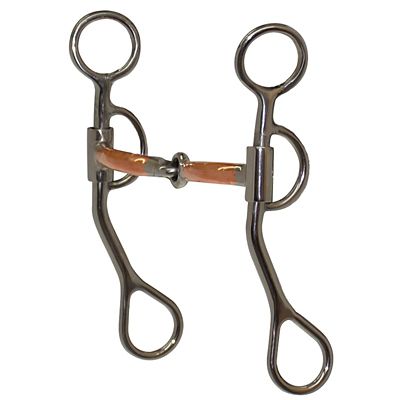
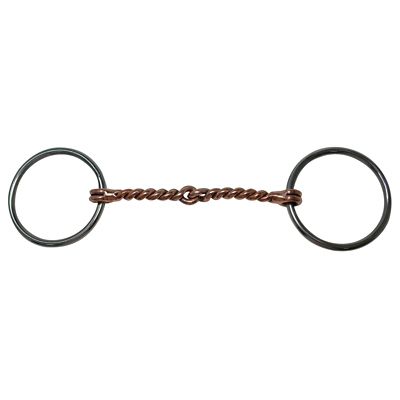
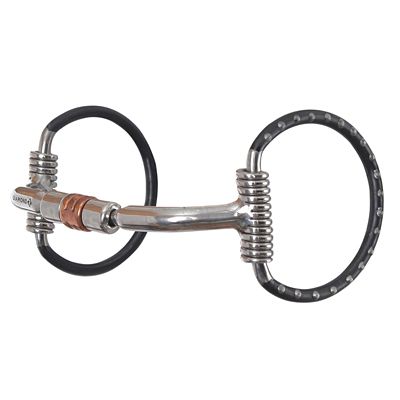
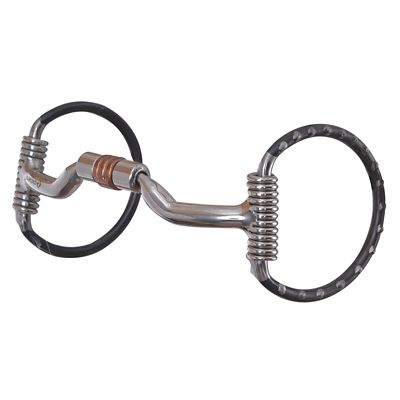
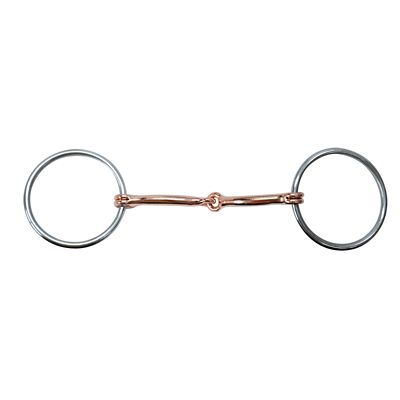
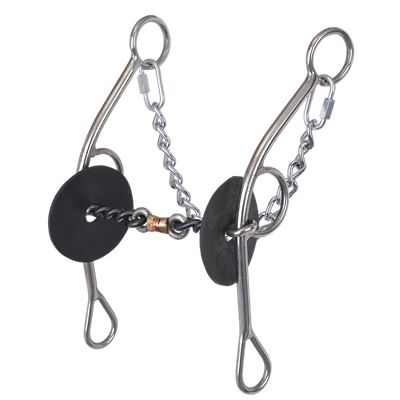
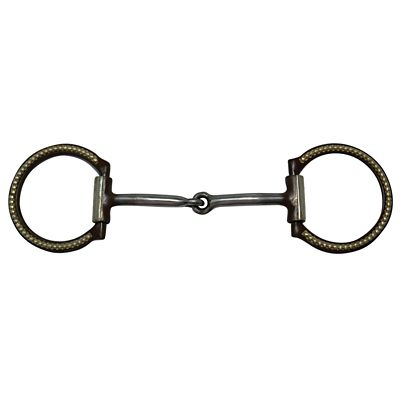
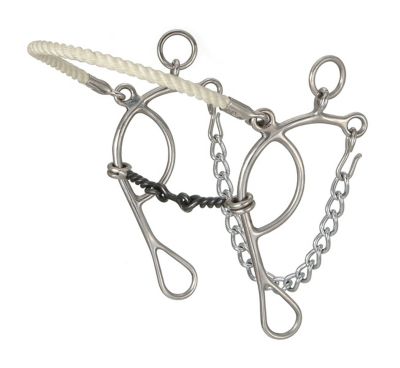
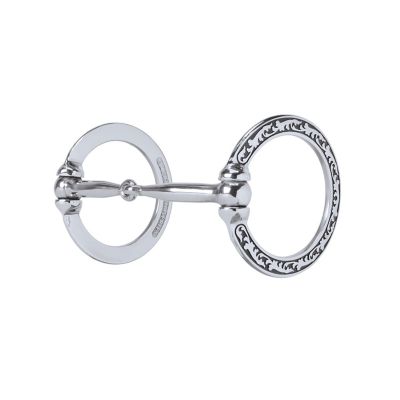
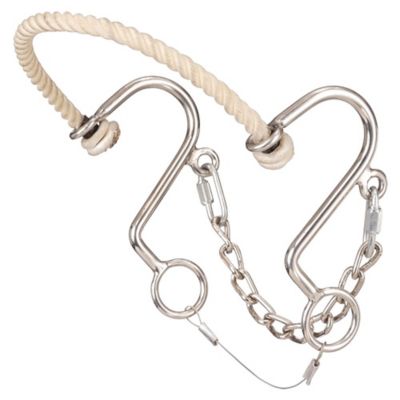
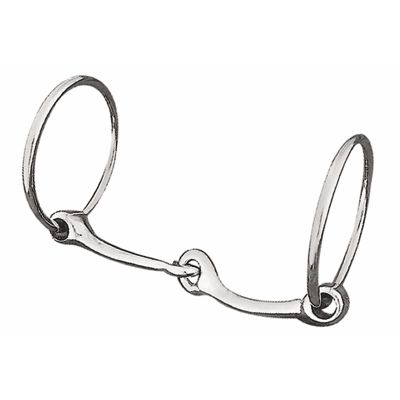
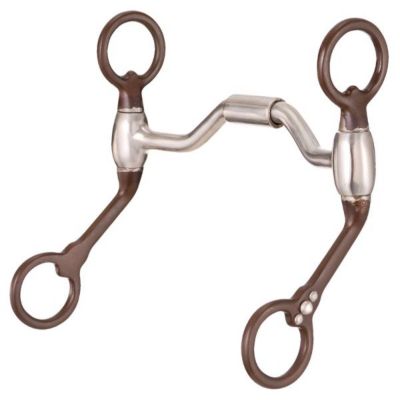
A copper roller horse bit has one or more rotating copper pieces built into its mouthpiece, giving the horse a movable surface to explore with its tongue. Copper can encourage salivation, which helps keep the mouth moist, while the roller may help some horses settle and accept contact. That response varies from horse to horse; a roller is not a fix for head tossing, bracing, or discomfort. The whole bit matters, including its shape, thickness, joints, and cheek design. Copper rollers appear on both snaffle and curb bits, so the presence of a roller alone does not tell how a bit applies pressure. A true snaffle works through direct rein pressure without leverage, while a curb design adds leverage through its shanks and works with a properly fitted curb strap or chain. Those differences matter whether the day involves riding fence lines, schooling circles in the arena, or heading down a familiar trail. D-ring and eggbutt cheeks generally keep the mouthpiece steadier than loose rings, while loose-ring designs allow more movement between the mouthpiece and cheeks. Mouthpieces may have a single joint, multiple joints, or a solid shape, each with a different feel and pressure pattern. A copper roller can sit at the center or appear in several places along the mouthpiece, and its placement changes what the horse feels against its tongue. Stainless steel is a common companion material because it resists rust and is straightforward to clean. Sweet iron develops surface oxidation, while copper is softer than steel and can show wear from teeth and repeated movement. For riders comparing copper roller bits, those material differences are worth considering alongside the horse’s training and response to contact. The goal is a mouthpiece that suits the horse and supports clear communication, not simply the design with the most moving parts.
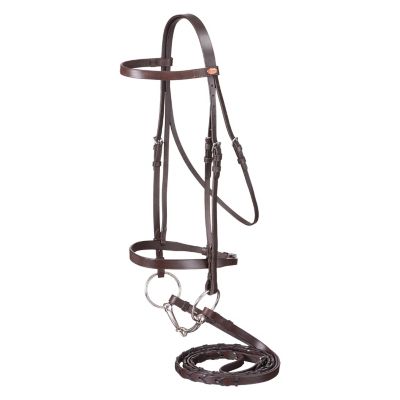
Fit starts with the horse’s mouth rather than its height, breed, or saddle style. Two horses wearing the same size halter can need different bit widths and mouthpiece shapes. A bit that is too narrow can crowd the lips, while one that is too wide may slide from side to side and interfere with clear signals. The measurement that matters is the usable mouthpiece width between the cheeks, checked against the manufacturer’s sizing information and the horse’s needs. Thickness deserves just as much attention. A thicker mouthpiece is not automatically gentler, especially for a horse with a fleshy tongue or limited space beneath the palate. Likewise, a jointed mouthpiece is not automatically more comfortable than a solid one. Tongue room, palate clearance, joint placement, and the rider’s hands all affect the experience. Some shaped mouthpieces can create additional tongue space, but a copper roller by itself does not guarantee tongue relief or prevent pinching. Bridle adjustment also affects where the mouthpiece rests and how steadily it sits. Compatible
Horse Bridles help bring the setup together, with cheekpieces that adjust to the right length and attachments suited to the bit’s rings or shanks. A familiar bit provides a useful starting point when comparing dimensions, though the horse’s comfort still needs checking rather than relying on size markings alone. For a young horse learning to follow a light feel, steady handling and a suitable direct-pressure design matter more than the roller feature. For an experienced horse ridden in a curb, shank length, mouthpiece shape, rein attachment, and curb adjustment all contribute to the signal. Trail riders, ranch riders, and arena riders may all consider copper rollers, but the riding job does not replace an individual fit assessment. Competition riders also need to check the rules for their discipline and class, since permitted mouthpieces and cheek designs vary. Persistent mouth opening, tongue movement, or resistance calls for a closer look at dental health, tack fit, and riding technique with a veterinarian or qualified trainer rather than a stronger bit.
Everyday care keeps a copper roller mouthpiece comfortable to handle and makes developing wear easier to spot. Saliva and bits of feed can collect around the roller, especially at the small gaps where it turns on its support. Rinsing after each ride with clean water and gently brushing away residue helps keep those spaces clear. The roller should move as its design intends without sticking, catching, or exposing a sharp edge. Any cleaner needs to be suitable for tack that goes in a horse’s mouth, and thorough rinsing matters so no residue remains. Drying the bit before putting it away helps limit moisture buildup around joints, cheek attachments, and the roller itself. Copper often changes color with exposure and handling, and sweet iron may develop a brown surface patina; those changes differ from rough corrosion, flaking metal, or green deposits that need attention before the bit goes back in the horse’s mouth. Inspection is especially important because soft copper can develop tooth marks, grooves, or uneven edges. A quick check while unbridling can reveal a cracked joint, a bent cheek, or a roller that has become excessively loose. Deep wear and damaged parts are reasons to take the bit out of service, not cover the problem with polish. Storage matters, too: a clean, dry tack space keeps the mouthpiece away from damp leather and unnecessary knocks against other hardware. For a rider who spends plenty of time saddling up, easy access to the roller and uncomplicated cleaning can make routine care less of a chore. A copper roller bit can also be a thoughtful gift for a horse owner when the exact dimensions and preferred design are already known, though choosing by appearance alone leaves too much to chance. The most useful match brings together appropriate materials, sound construction, a comfortable fit, and a pressure pattern the horse understands. Those details give the roller its proper place as one part of a well-matched bridle setup, with the horse’s comfort and the rider’s communication at the center.