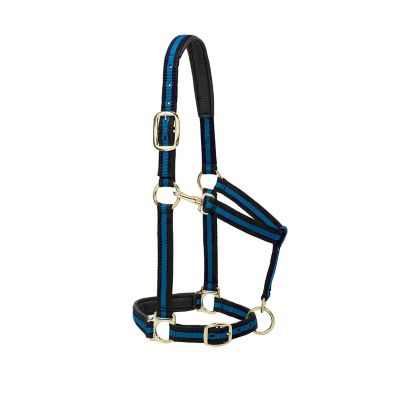
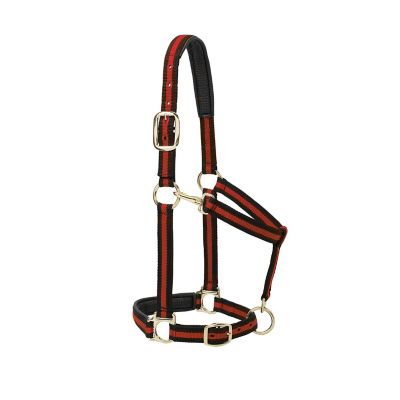
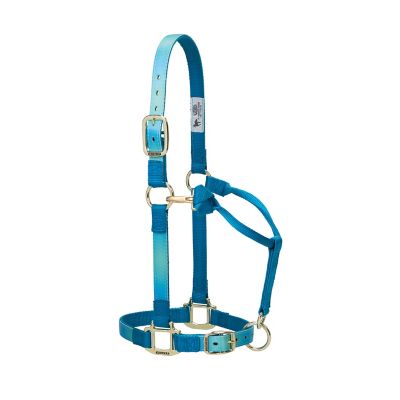
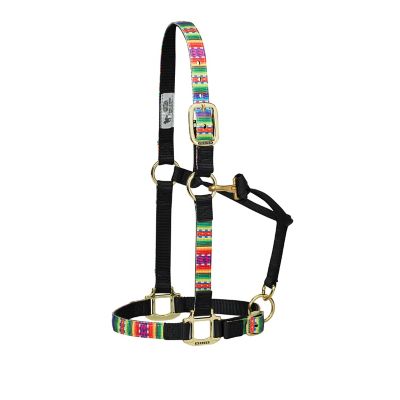
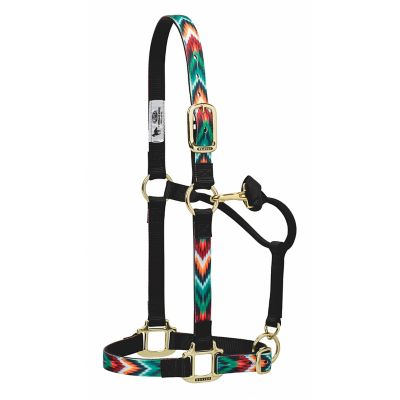
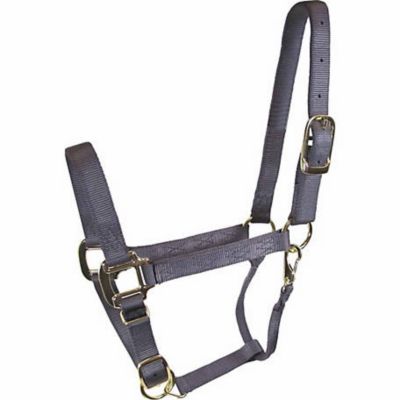
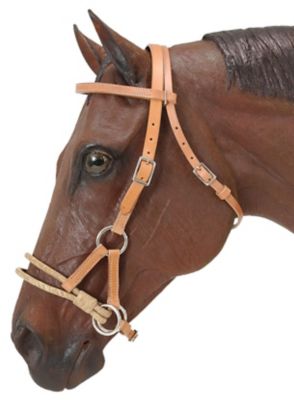
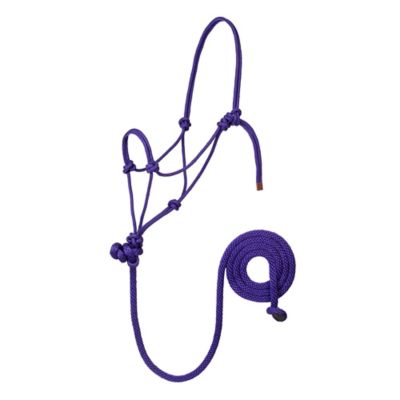
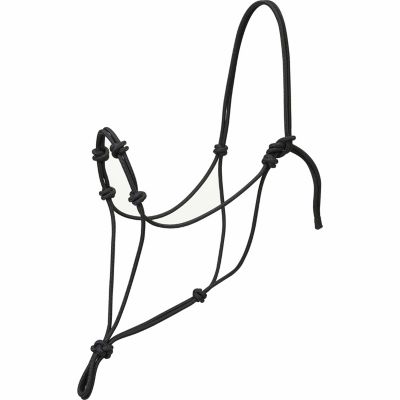
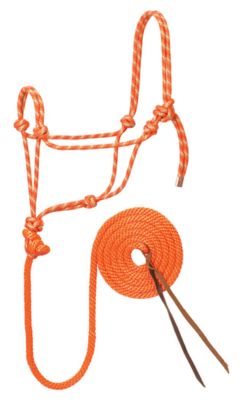
An adjustable horse halter is a piece of everyday handling equipment with a crownpiece, noseband or other fitting points that can be tightened or loosened to suit a horse’s head. Nylon, leather and rope are common materials, and each brings something different to chores around the barn. Nylon webbing is a practical choice for regular leading, grooming and trips between the stall and paddock. Its feel depends on the webbing’s width, thickness and edge finishing, while reinforced stitching helps support the places where straps meet rings and buckles. Leather offers a traditional look and can soften with proper care, making it a good match for handlers who don’t mind cleaning and conditioning tack. Rope designs have a lighter profile, with knots and narrow sections that concentrate pressure more than broad, flat straps. That difference matters when comparing everyday handling equipment with halters intended for groundwork. For a closer look at that style,
Rope Halters For Horses offers a related category to explore. Across these materials, adjustment may come from buckle holes, sliding hardware or a correctly tied rope closure, depending on the design. Some halters adjust at both the crown and nose, giving more room to balance the fit than a crown adjustment alone. Padding or a soft lining can reduce direct contact with strap edges, though it also adds another surface to keep clean. Hardware deserves a look, too: smooth rings, neatly finished buckles and a throat snap that opens without a struggle all make a difference when a horse is waiting at the gate. A halter for daily chores should match both the horse and the job, whether that means walking a steady gelding to the wash rack, bringing a mare in for hoof care or keeping a young horse’s handling routine consistent.
Fit is where an adjustable horse halter earns its place in the tack room, but extra adjustment does not turn one size into a fit for every horse. A pony, a fine-headed riding horse and a broad-jawed draft can need very different proportions, even when a strap has plenty of holes left. Size labels are a starting point; the maker’s measurements and the shape of the horse’s head tell more of the story. The crownpiece should sit comfortably behind the ears without crowding their base, and the cheek straps should hold the noseband level rather than pulling it toward an eye or letting it droop. The noseband belongs on the firm, bony part of the nose, not down over the softer area near the nostrils. There should be room for normal jaw movement and comfortable clearance without so much slack that the halter can twist, catch or slip out of position. A couple of fingers beneath a flat strap can provide a useful initial check, but that alone does not confirm the whole fit. Watching the halter as the horse lowers its head, chews and turns can reveal pressure or movement that is easy to miss while standing still. Adjustments also need checking after cleaning, changes in body condition or growth in a young horse. For handlers moving several horses through a barn routine, easy-to-operate buckles and clearly spaced adjustment holes can simplify getting each halter back to its proper setting. Safety features matter just as much as fit. A purpose-built breakaway section is intended to release under sufficient force, but no halter removes the risk of getting caught. Leather construction by itself does not guarantee a breakaway design. Rope halters generally do not break away and are best reserved for supervised handling rather than turnout or unattended wear. Any tying setup calls for a horse trained to stand tied, a suitable attachment point and a way to release the horse promptly.
Care has a lot to do with how well a halter holds up through repeated chores. Sweat, dirt and grit can collect beneath the noseband, along the crownpiece and around hardware, where they can irritate skin or wear against the material. Nylon is generally straightforward to wash according to its care directions, with attention to rinsing away soap and letting straps dry completely before putting them back on a horse. Leather needs a different routine: wipe away dirt, clean with a suitable leather cleaner and condition as directed without leaving the straps overly oily. Soaking leather or leaving it against direct heat can harm its structure. Rope also benefits from regular cleaning and a close look at areas that rub against rings or sit within knots. Whatever the material, frayed edges, torn stitching, deep cracks, bent hardware and a snap that no longer closes properly are signs that a halter needs attention or replacement. A clean halter hanging where it can dry is easier to inspect than one tossed into a tack box with damp brushes and lead ropes. Comfort checks belong in that routine as well; rubbed hair or tender spots can point to trapped grit, poor fit or a design that does not suit that horse’s head. For boarding barns, riding households, small farms and anyone helping with feeding or turnout, a properly fitted halter makes those everyday handoffs more straightforward. Color can help distinguish one horse’s equipment from another’s, especially when several halters hang beside the gate, though identification should never take the place of checking fit. An adjustable halter can also be a thoughtful gift for a horse owner when the horse’s measurements, preferred material and handling needs are known. The most useful choice is not necessarily the one with the most straps or padding, but the one that fits comfortably, operates smoothly and suits the work happening between the pasture, barn aisle and grooming area.